
The recent reissue of a novel and two chronicle volumes by the Chilean writer and artist Pedro Lemebel marks another step in reclaiming the work of this pioneer of the queer movement, who shook Chile’s conservative society under Pinochet and is now being embraced by new generations.
The Seix Barral publishing house has just relaunched the chronicle volumes Loco afán and Adiós mariquita linda, together with Tengo miedo torero, Lemebel’s sole novel (Santiago de Chile, 1952-2015), a writer who gave voice to dissidents and made his homosexuality a political banner.
Owner of a personal, baroque, and incisive voice, Lemebel debuted in 1995 with La esquina de mi corazón, a book of urban chronicles published in Chile that depicted the marginal Santiago of the post-dictatorship. A year later came Loco afán: Crónicas de sidario, where he addressed the ordeal of the gay community due to the impact of AIDS, the “return journey” from the clandestine party of the seventies to the twilight of love and pain of the nineties. In Spain, Anagrama published that book for the first time in 1999, on the recommendation of Roberto Bolaño; they had met a few months earlier, during the return trip to Chile, after decades of absence, of the author of Los detectives salvajes.
The new Seix Barral reissue, foreword by María Fernanda Ampuero, includes Lemebel’s most famous text, a “Manifesto” that he read for the first time in 1986, at a clandestine gathering of leftist dissidents that took place at the former Mapocho railway station in the Chilean capital, to which the author arrived wearing high-heeled shoes.
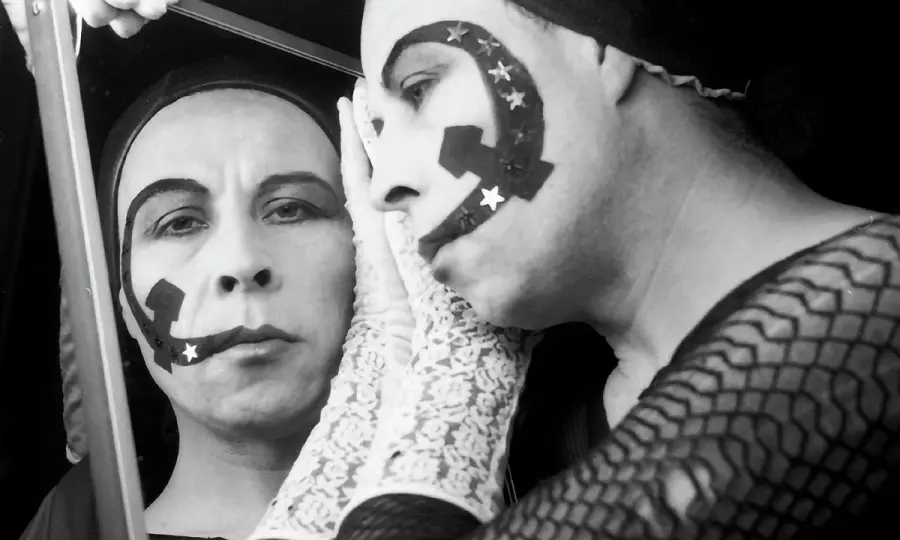
“I am not Pasolini asking for explanations. / I am not Ginsberg expelled from Cuba. / I am not a faggot masquerading as a poet. / I do not need to disguise. / Here is my face. / I speak for my difference. / I defend what I am. / And I am not that strange,” began that text addressed to militants who did not accept his open homosexual stance. The Museo Reina Sofía registered it in 2013 in its collection, along with a self-portrait of Lemebel with the hammer and sickle painted on his face and the recording of his own voice reciting it.

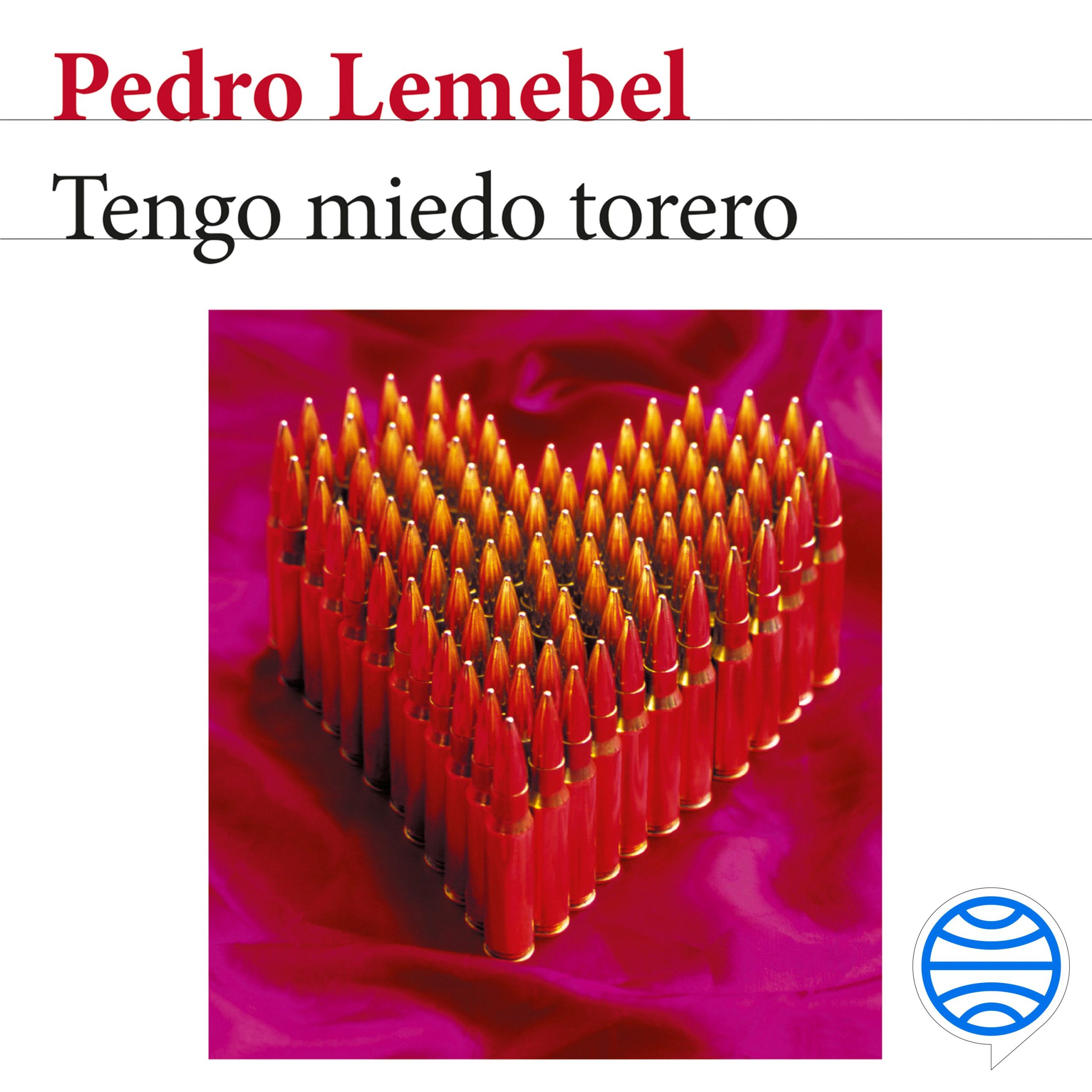
The novel Tengo miedo torero appeared in Chile for the first time in 2001, published by Seix Barral. And that same year it was published in Spain by Anagrama. For a long time it was out of print, until the independent publisher Las Afueras bought the rights and reissued it in 2021. It tells a love story set in Santiago in 1986; amid police charges, demonstrations, and blackouts, a young activist who participates in an attack against Pinochet experiences a relationship with the Loca del Frente, a homosexual who helps him in his operation.
The reception was good in 2001, and also two decades later, when Las Afueras rescued it from oblivion. The critics highlighted its original and baroque prose and its irreverent style which, set to the rhythm of boleros, rancheras, and ballads from another era, contrasted with the bitter reality of the dictatorship. The new Seix Barral edition includes a foreword by Alana S. Portero, who notes that the Loca del Frente and Lemebel himself represent “the ultimate and pure distillation of the revolutionary ideal.”
A key point in the recovery of Lemebel’s figure was the premiere, at the 2019 Berlinale, of a documentary by Joana Reposi, who accompanied the writer during his final years, filming him, interviewing him, and touring his archives. A year later, Chilean actor Alfredo Castro embodied Lemebel in the film adaptation of Tengo miedo torero, directed by Rodrigo Sepúlveda, premiered at the Venice Days during the Venice Film Festival.
Additionally, last year the bookstores received Tu voz existe: Vida de Pedro Lemebel (Planeta), a biography by Jovana Skarmeta and Marcelo Simonetti based on testimonies from friends and family, as well as on his own work and in his notebooks and personal diaries. The book chronicles his beginnings as a teacher of Plastic Arts, and his early steps as a writer, his influences and political commitment; and also his less-known facet as a visual and performative artist. Lemebel was a member of “Las Yeguas del Apocalipsis”, a collective that, during Pinochet’s dictatorship, dared to take to the streets with feathers and heels in a fusion of art, protest, and defiance of authority or to interpret Frida Kahlo on the streets of Mexico City.
Affected by laryngeal cancer, diagnosed in 2011, Lemebel said goodbye to his readers on December 31, 2014. On January 7 he received a living tribute called the Noche Macuca, with music, readings of texts and performances to honor the author’s career and rebellious spirit, who died sixteen days later, on January 23.
—————————
Source: Efe