
This Friday, within the section Not all who are here are all there is, we present the second list of Chinese poets that complements the one published a few weeks ago. The coordination of the selection and translations is led by lsolda Morillo. Come in and read. These are the ones who are here this week, and the others will come in due time.
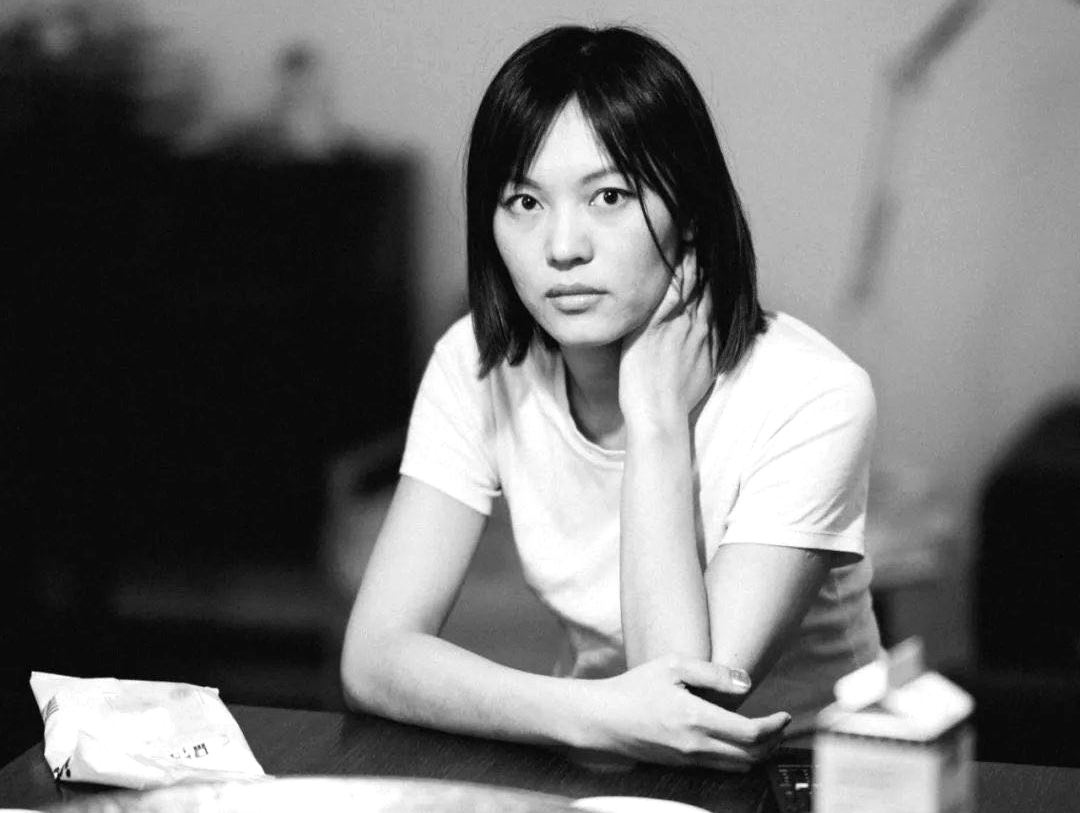
ZHENG XIAOQIONG
Language
I speak in this rough, abrasive tongue
forged in iron — the language of those who work in silence
the tongue of tightly fastened bolts
the cracks and scars in the metal
the language worn and weathered, like calloused hands
fierce, tearful, unfortunate
the language of hunger, of pain
the language of unpaid wages that rings out
over the machines
the language of physical ailments
of amputated fingers, of subsistence,
of the shadow of unemployment that lurks
a sad language
between the damp cracks of oxidized iron…
… I recite it in whispers
between the roar of the machines. A dark language
language of sweat, of rust
or of the vulnerable gaze of a young female worker
or of the wounded worker at the factory gate
its language of pain — language of tremoring bodies
of fingers that will never be compensated
Switches, workshops, laws, a system. I speak in a language
stained with dark blood
the language of identities, of ages, of illnesses,
the language of capital… the language of fear and howling.
Tax collectors, petty bureaucrats,
the bosses, the temporary residence permits. The language of migrant workers
the language of those who leap from rooftops
the language of GDP, of grand projects. The language
of the cost of the children’s tuition
I speak of stones. Of overtime. Language of violence
I speak of the… abyss. Of the steps of existence
that march toward unknown places
A language that clings to the railing of life,
in the midst of the futile wind…
I speak—
in this rough and abrasive language
that pricks with every thorn
at this fragile era!
*
语言
I speak these thorny, greasy languages
cast iron—the language of silent workers
screws tightened, the metal’s folds and memories
hands worn like calluses—languages
fierce, weeping, unfortunate
painful, hungry language—the oncoming wages owed to the machines, occupational illnesses
the language of fingers broken, foundations of life, in the shadows of unemployment
rusty seams in the iron, these sad languages
… I whisper them softly
in the roar of the machines. A dark tongue. Sweat’s language. The language of rust
… like the helpless gaze of a young female worker
or the injured worker standing at the factory entrance
their language of pain — a language of tremoring bodies
of fingers maimed and never compensated
Switches, workshops, laws, a system. I speak in a language
pocked by dark blood
the language of identities, ages, illnesses,
the language of capital… the language of fear and howling.
40px; the tax collectors, petty clerks
the bosses, the temporary resident permits. The language of migrant workers
the language of those who leap from rooftops
the language of GDP, of great projects. The language
the language of the cost of schooling for children
I speak of stones. Of overtime. The language of violence
I speak of the abyss. The staircase of existence
that march toward unknown horizons
the language that clings to the railing of life
in the futile wind…
I speak—
in this rough and abrasive language
that stings with all its thorns
at this fragile moment!
*
Máquinas
that ravenous machine, devours daily iron, plans
stars, dew, and drops of salty sweat, it sharpens its teeth repeatedly
spitting out profits, bills, bars… it watches injured fingers
unpaid wages, obscure occupational diseases, memories so bitter
nights so vast, how many survive on iron sheets
carrying the debt of poverty, standing, wandering sadly
over this damp and cold metal, how much love remains balanced among the iron
the heart of this world is as hard as iron, the life of the temporary worker
austere and bitter
she does not know how long the stars, shadowed objects, will take to fall
so that her sensitive heart may reveal itself
with enormous machines behind her, a deep and furtive rumble grows
like love, like hate, like pain, like threads of life sprouting from the glow
of the moon, crouched among the steel, they hiss and fade
their aging veins bathed in the rust of passing time
destiny resembles that pair of soft little hands on the hard machinequietly living, their blue flame illuminating your tired face
*
机器
that hungry machine, daily consuming iron, drawings
stars, dew, and salty sweat, it repeats picking and cleaning its teeth
spitting out profits, money, bars… it watches wounded fingers
unpaid wages, the shadow of occupational diseases, memories so bitter
night so vast, how many survive on sheets of ironindebted to poverty, standing, wandering sadly
on this damp and cool metal, how much love remains balanced between the iron
the heart of this world as hard as iron, the life of the temporary worker
austere and grim
she doesn’t know how long the stars, objects with shadows, will take to fade
so that her delicate heart will reveal itself
with huge machines behind her, a somber and stealthy roar grows
like love, like hate, like pain, like threads of life that spring from the glow
of the moon, crouched among steel, they hiss and decay
its aging veins soaking in the rust of passing time
destiny resembles that pair of soft, delicate hands on the hard machine
quietly living, their blue flames illuminate your weary face
***
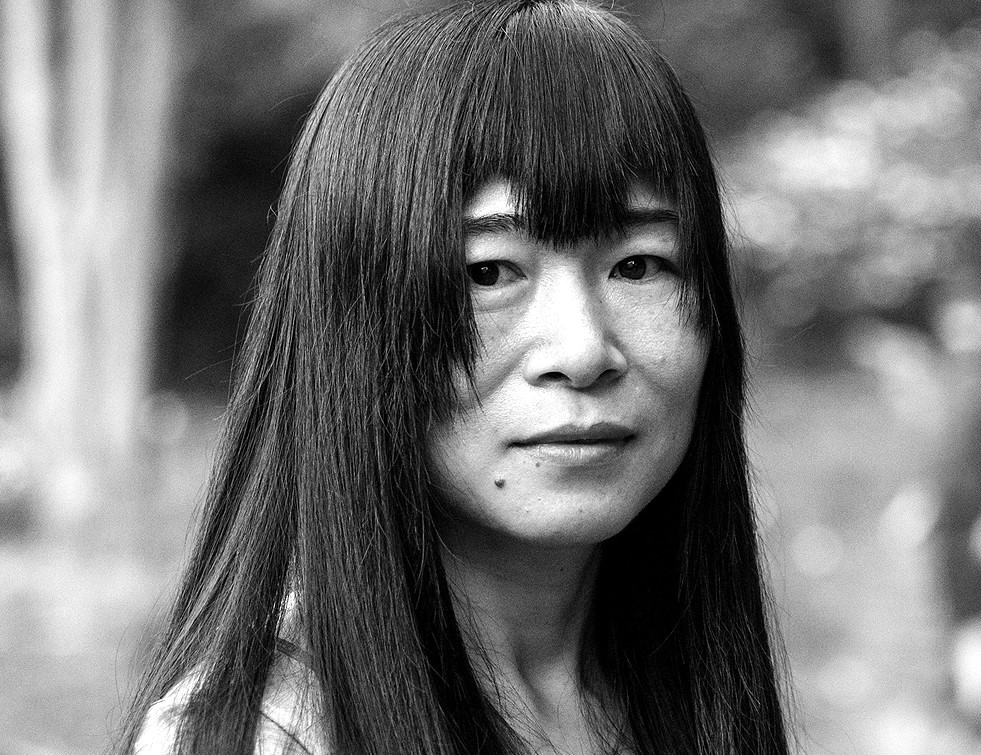
SHEN HAOBO
Shen Haobo (沈浩波) is a Chinese poet born in Jiangsu in 1976. He studied at Beijing Normal University, from which he graduated in the late 1990s. He is regarded as one of the central figures of contemporary Chinese poetry. In the late 1990s and early 2000s, he actively participated in the movement known as the Lower Body (下半身, Xiàbànshēn), a school advocating direct, colloquial language, the incorporation of corporeality and sensory experience as poetic material, and a deliberate rejection of the formal and rhetorical conventions of traditional and official Chinese poetry. Shen Haobo is also a editor and promoter of independent poetry in China. In 2006 he founded Motie (磨铁图书) in Beijing, a publisher that has become one of the country’s leading commercial imprints, with special attention to voices outside institutional circuits.
Republic
all those platonic calls
those with warped boldness
those who think themselves kings and judges
those who dream of showing the paths
to conduct straight behavior for men given
those plump and colorful worms
stir their hidden venomous hair
driving away wolves and lions
driving away desperate youths
driving away indecent women
driving away lunatics and beggars
driving away pickpockets and thieves
driving away Satan
driving away the Jesus who pays no heed
driving away the poet
driving away me
no
your exile is unnecessary
I was just passing through
seeing the shape of your world
I already understood
the Republic
is unworthy of the madman or of me
2013|10|07
*
理想国
Those who are called Plato
Those with warped minds
Those who think themselves kings and judges
Those who dream of pointing out the way for humanity
Those fat and vivid worms
Fanning out sneaky venomous hairs
Chasing away wolves and lions
Frightening desperate youths
Shocking indecent women
Scaring lunatics and beggars
Driving away thieves and robbers
Chasing away SatanDriving away the Jesus who does not listen
Chasing away the poetChasing after myself
No
there is no need for your exile
I was just passing by
to see what your homeland looks like
I have already understood
The Republic
is not worthy of me or the madman
2013|10|07
*
Menuda mierda
I keep thinking of writing a poem
titled “What a load of crap”
I think of writing it because
“What a load of crap” is what I’ve been saying
to my heart for so many years
to those on television who talk endlessly
bla bla bla
and I think to myself inside: what a load of crap
I see those on social media
who talk endlessly, bla bla bla
and I think again: what a load of crap
I see in life those who talk endlessly
bla bla bla
and I think again: what a load of crap
Even when I myself never stop talking
inside me a reflex triggers:
what a load of crap
I had planned to keep this phrase inside forever
to prove my good intention toward this world
today I say it out loud at last
because for this world
I still harbor even better intentions
2015|08|04
traducción de Tyra Díez
*
都是狗屁
I’ve always wanted to write a poem
named “What a load of crap.”
I want to write this poem because
“What a load of crap” is what I’ve told myself for so many years
watching those on television
who babble on and on
I think to myself: what a load of crap
watching those on Weibo and WeChat
who babble on and on
I think to myself: what a load of crap
watching those in life
who babble on and on
I again think: what a load of crap
even when I myself keep talking, blah blah blah
inside me a reflex triggers: what a load of crap
I had intended to keep this phrase inside forever
as a sign of my good will toward this world
today I pronounce it aloud at last
because for this world
I still hold greater good intentions
2015|08|04
*
Las estrellas del cielo patrio
The first day,
a poet
wrote a poem
and posted it on a social network forum.
A short while later,
some ideograms
had transformed into **.
He looked at the text
trying to deduce
and found that the *
had replaced “human rights.”
Oh, in our homeland,
“human rights” are dangerous words.
Of course, of course.
It’s understandable, it’s understandable.
The next day,
a poet returning from Tibet
wrote another poem
and posted it on social networks.
He discovered that certain ideograms
had transformed into *.
We compared the text,
made deductions
and discovered that the *
were two ideograms: “Living Buddha.”
What? In our homeland,
is “Living Buddha” also a dangerous expression?
I thought for a long time.
Oh, so that’s how it is.
It’s understandable, it’s understandable.
On the third day,
a poet from Yunnan took his own life.
Many wrote poems in homage to him;
the forum became a vigil,
a vigil akin to a starry night,
with countless stars in the firmament.
*************
*************
As if the deceased lit the way with small lamps.
The * this time
replaced the word “suicide.”
The night after that poet’s death,
perched at my computer,
I gazed at the stars of the homeland’s sky
with an infinite ache in my neck.
2007
*
祖国的星空
Day One
A poet
Wrote a poem
And posted it on an online forum
Soon discovered a word
Had turned into *
We checked the context,
Re-examined again and again
And found that this *
Represented “human rights.”
Oh, in our homeland
“Human rights” are a delicate term
Of course, of course
Understandable, understandable
The second day
A poet who had returned from Tibet
Wrote a poem
Posted it on the online forum
Found that a word too
Had become *
We looked at the context again
And found that *
Was the two characters “Living Buddha.”
Eh? In our homeland
“Living Buddha” is also a sensitive term?
I thought for a long time
Oh, so that’s how it is
Understandable, understandable
The third day
A poet from Yunnan killed himself
Many wrote poems in his memory;
The forum turned into a vigil,
a vigil like a starry night,
with countless stars in the sky.
*****
*****
As if the deceased lit the night with small lanterns.
The * this time
replaced the word “suicide.”
On the night after that poet’s death,
I hunched over my computer,
looking up at the homeland’s starry sky
with an ache in my neck that wouldn’t end.
2007
***
YANG LI
Yang Li (杨黎, Chengdu, 1962) belongs to the so‑called “third generation” of Chinese poets and helped propel the influential No-No movement (fei fei, 非非主义). He founded the magazines The Plague and The Draft. He began writing in 1980, during the post-Mao opening, from a stance critical of the prevailing literary canon. His poetics move away from metaphorical lyricism and the introspective tone that characterized the return of subjectivity after the Cultural Revolution. Instead, he proposes a style close to orality, free of rhetorical flourish, focused on everyday experience. The rejection of metaphor is a political position: immediacy as resistance to the solemnity of tradition. Yang Li writes about routines, minimal thoughts, and ordinary situations. That apparent clarity does not exclude ambiguity.
Wood
It is
undoubtedly
a piece of wood.
Long
when laid on the ground,
heavy
to carry on the shoulder,
once it was
covered with leaves
that whispered
in the wind’s breath.
Back then everyone drew near to it
with care,
lifting their gaze
to behold it,
and sometimes exclaiming:
“Oh, what a wonder!”
then stepping away.
Other times
when the sun’s light
lit up
the whole forest
or a part
of its foliage
and it clothed itself in dawn’s glow
these leaves would blink
under the sky.
Now,
collapsed,
without a voice,
it is only a trunk
that gives off no sound.
Previously
it would cradle with
just a gust of wind
or
roars that echoed everywhere.
But now
no longer.
Now it is
only
a piece of wood,
with one of its
ends
somewhat undefined,
and the other
— for me—
also
undefined.
I observe
standing, in the night’s darkness
this piece of wood:
Oh!
Wood,
you were once graced
by beauty,
your branches reaching up
toward the sky, toward the ground,
toward the sweet dream of children,
toward the tick-tock,
that distant and still sound.
But above all, toward
all the distant glances
that saw you
without being able to describe your shape.
Today
nothing is the same,
you have lost your former colors
and the birds
that once nested here;
above all you have lost
those flowering days.
In conclusion,
from these pieces of wood
homes will be made,
boats that sail
toward the distant sea,
firewood will be forged to stoke
the flame
that will illuminate all darkness.
This piece of wood
cylindrical,
long,
that sits on the ground,
that is carried on the shoulder;
this piece of wood
reminds us
of the forest’s season
when every calm leaf
rested
in the wind’s breeze
under the moonlight
*
木头
Of course
it is a piece of wood
laid on the ground
it is very long
to be shouldered
it is a little heavy
it once was full of leaves
in the wind
still rustling
everyone who came near it
was careful
or paused,
lifting their eyes
to look at it
sometimes exclaiming:
Oh, how far away it seems
and other times
oh
sunlight shone
on its leaves
on the forest as a whole
or part of it
beneath the sky
they glittered
but now
it has fallen
fallen into a single piece of wood
that makes no sound
even when rain falls
and yet it is
no longer a voice
whereas before
even a gust would
hiss and roar across the world
but now it cannot
Now it is
one piece of wood
at one end
not very clear
at the other
also not very clear
I mean
in the dark night
standing in the wood’s center
Oh, wood
you were once graceful
and real
those sharp leaves
all pointed outward
toward the surroundings
toward the sky, the ground
and toward children’s night-time
sweet dreams
toward that tick-tock
that distant, still sound
toward the unachievable
every eye
could touch you
yet could not describe your form
but now
it is another shape
losing its former color
and, those
birds that once perched on it;
above all you have lost
the flowering days
In short,
these pieces of wood
will be turned into houses
into boats to sail
toward the distant sea
and some will be burned
to light the entire dark
Wood
this round one
the long one
laid on the ground
carried on the shoulder
this wood
recalls for us
the forest season
when every leaf lie in repose
beneath the night wind
under the moonlight
*
木头头
Of course
it’s a piece of wood
laid on the ground
it is very long
to be laid on the shoulder
it is a bit heavyit once grew with leaves
the wind rustles through it
everyone who nears it
approaches with care
or stops,
look up at it
and sometimes
Oh, what is that
that makes it seem further away
sometimes
oh
sunlight shines
on its leaves
on the entire forest
or part of it
under the sky
it flickers
but now
it has fallen
down into a piece of wood
that makes no sound
even in rain
it still does not voice
whereas before
even with the wind
it hissed and roared
across the world
but now that cannot be true
Now it is
another form
losing its former color
and those
birds that perched on it
have also lost
the days of blooming
All in all, this wood
will be used to build homes
will be made into boats
to sail toward distant seas
some will be burned
to light every shadow
Wood
this circular one
long one
laid on the ground
carried on the shoulder
this wood
recalls for us
the forest’s season
when every leaf lay calm
resting
in the breeze of the wind
under the moon’s light
*
Vociferar
from one river bank
we shout to the other shore
I wonder if anyone heard us
only I know he did not turn his head
he went along the bank
into the distance
so far away that no matter how loudly we shout
our voices could not reach him.
*
大声
We stand by the river’s edge
shouting loudly to the opposite bank
not knowing if he heard us
only that he did not turn back
he is moving away along the bank
toward the far distance
so far that even if we shout louder
he cannot hear us
we are shouting
—
***
CHUN SHU
Questions Before Sleep
Do you think you are an intellectual?
Do you think you’re an existentialist?
Do you think you enjoy soy sauce noodles?
Do you think you collect antiques?
Do you think you’re modern?
Do you think you’ve advanced much?
Do you think you’ve achieved your ideals?
Do you think you love your country?
Do you think you love the truth?
Do you think you dare to speak your mind?
Do you think you’re not afraid of retaliation?
Do you think you are a good writer?
Do you think you are a poet?
Do you think you’re a good mother?
Do you think you’re a good father?
Do you think you’ve ever loved?
Do you think you are a moral person?
Do you think Weibo has advanced China?
Do you think? Do you think? Do you think?
Do you think they are spiritual leaders?
Do you think you’re a fanatic follower?
Do you think there are topics that must stay hidden?
Do you think there are people you must not provoke?
Do you think this novel is autobiographical?
Do you think you have talent?
Do you think your work will endure?
Do you think you have secrets?
Do you think you are generous?
Do you think you have lived up to others?
Do you think you are responsible?
Do you think you follow the rules?
Do you think your conscience is clear?
Do you think you are arrogant?
Do you think you want revenge?
Do you think you fear death?
Do you think others like you?
Do you think you are tiresome to others?
Do you think you still have a future?
Do you think you’re behind the times?
Do you think you are alone?
Do you think what you write is poetry?
To drive someone crazy,
you only need to leave them
alone with their own questions.
*
睡前提问
by Chun Shu
Do you think you are an intellectual
Do you think you are an existentialist
Do you think you enjoy fried noodles with soybean paste
Do you think you collect antiques
Do you think you are modern
Do you think you have progressed
Do you think you have realized your ideals
Do you think you love your country
Do you think you love truth
Do you think you dare to say what you think
Do you think you are not afraid of retaliation
Do you think you are a good writer
Do you think you are a poet
Do you think you are a good mother
Do you think you are a good father
Do you think you have loved
Do you think you are moral
Do you think Weibo has promoted China’s progress
Do you think? Do you think? Do you think?
Do you think they are leaders
Do you think you are a devoted follower
Do you think there are things you should not say
Do you think there are people you should not provoke
Do you think this novel is your autobiography
Do you think you have talent
Do you think your work will last
Do you think you have secrets
Do you think you are broad-minded
Do you think you have answered for everyone
Do you think you are responsible
Do you think you keep to the rules
Do you think your conscience is clear
Do you think you’re arrogant
Do you think you want to take revenge
Do you think you fear death
Do you think you are pleasing to others
Do you think you are detested by others
Do you think you still have a tomorrow
Do you think you’re outdated
Do you think you are lonely
Do you think what you write is poetry
Make someone go mad
by simply leaving him
to ask himself
*
Selfie
I take a naked selfie
I examine the scar from my Cesarean
before the closet’s mirror
after a shower
There was no one to take the photograph
so I took it myself
This photo cannot appear in a book
It cannot be posted on social media
not even on Instagram
they would delete it as porn
I look at it with objectivity
it isn’t bad
The mirror is a little dirty
my breasts are somewhat small
and my scar
reads like a long dash
I grew fond of itas a photo
it is flawless
I still feel youthfully vibrant
I still feel a certain confusion
Suddenly I remembered many past events
that year, after a fight with my boyfriend
I bought a plane ticket
and traveled to Qingdao
an old military friend picked me up at the airport
we drove along the coast
the China Sea, the Yellow Sea
the sea before me
is the Pacific Ocean
*
自拍
自拍一张裸照
有我的剖腹产伤疤的
在衣柜镜子前
洗完澡后
没有找到合适的人给我拍
我就自己拍了
这张照片 没法出现在书里
没法发朋友圈
甚至没法贴在Instagram——
会被当成色情照片删掉的
我用客观的眼光打量
还可以
镜子有点脏
胸有点小
那道伤疤
犹如一个破折号
转而我爱上了它
作为一张照片
它无可挑剔
我发现我还是那么青春
那么迷茫
我一下子想起很多往事
那年,跟男朋友吵完架
我买了张去青岛的机票
退伍的军人来机场接我
我们开车经过海边
中国的海,黄海
对面的海叫太平洋
2016,9,25
***
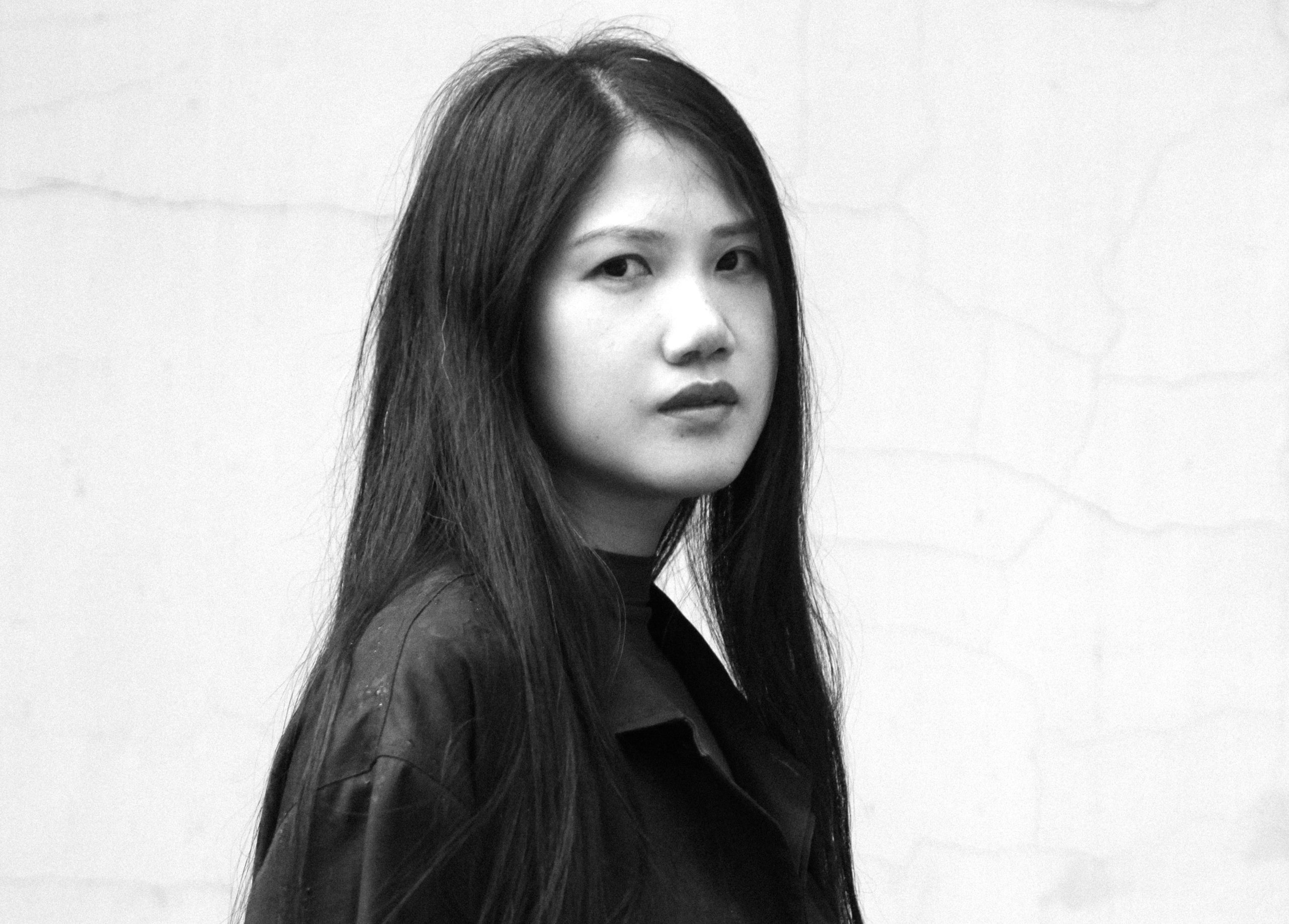
LI SUO
frialdad
sitting in the waiting room
like before an exam
I mentally review
what I will tell the doctor:
urticaria
insomnia
soporifics
graying that multiplies
early ovarian failure
my body
like the wrinkled page of an exam
torn
strange
foreign
the lawn mower passes by
and no one pays attention to the grass’s cries
*
contra Mil canciones de amor
at sixteen I rode bicycles
twenty miles to see mountains, gather stones
at seventeen you took me
to try a Big Beef burger
exotic
far away
at eighteen you made me hear
the three greats of Chinese rock
and you accompanied me out of Xinjiang
while you stayed behind
twenty years of going and coming
unintelligible silences
during the reunion
you confronted those memories
from another life
and you were grateful that he had filled them with color
even though he only remembered
fragments of his adulthoodvanished in a life of tones and dust
black and white
you thought the reunion
could be a sweet ballad or that you could
ask about his parents’ health
or perhaps be like a distant aunt to his children
until one night
he sent you a photo
in underwear
tight
his body
slightly chunky
***
en 1979 en el campo no había toallas sanitarias
the mothers’ companions Zhang Yanli and Cui
Xiaowen during class
spanned long periods
with hands hidden in the desk drawer’s wrappings
crumpling newspaper over and over
until it became something soft
my mother, eighteen years old
had not yet started menstruating
but she knew well what her
companions did
inside her, she thought how lucky she was