
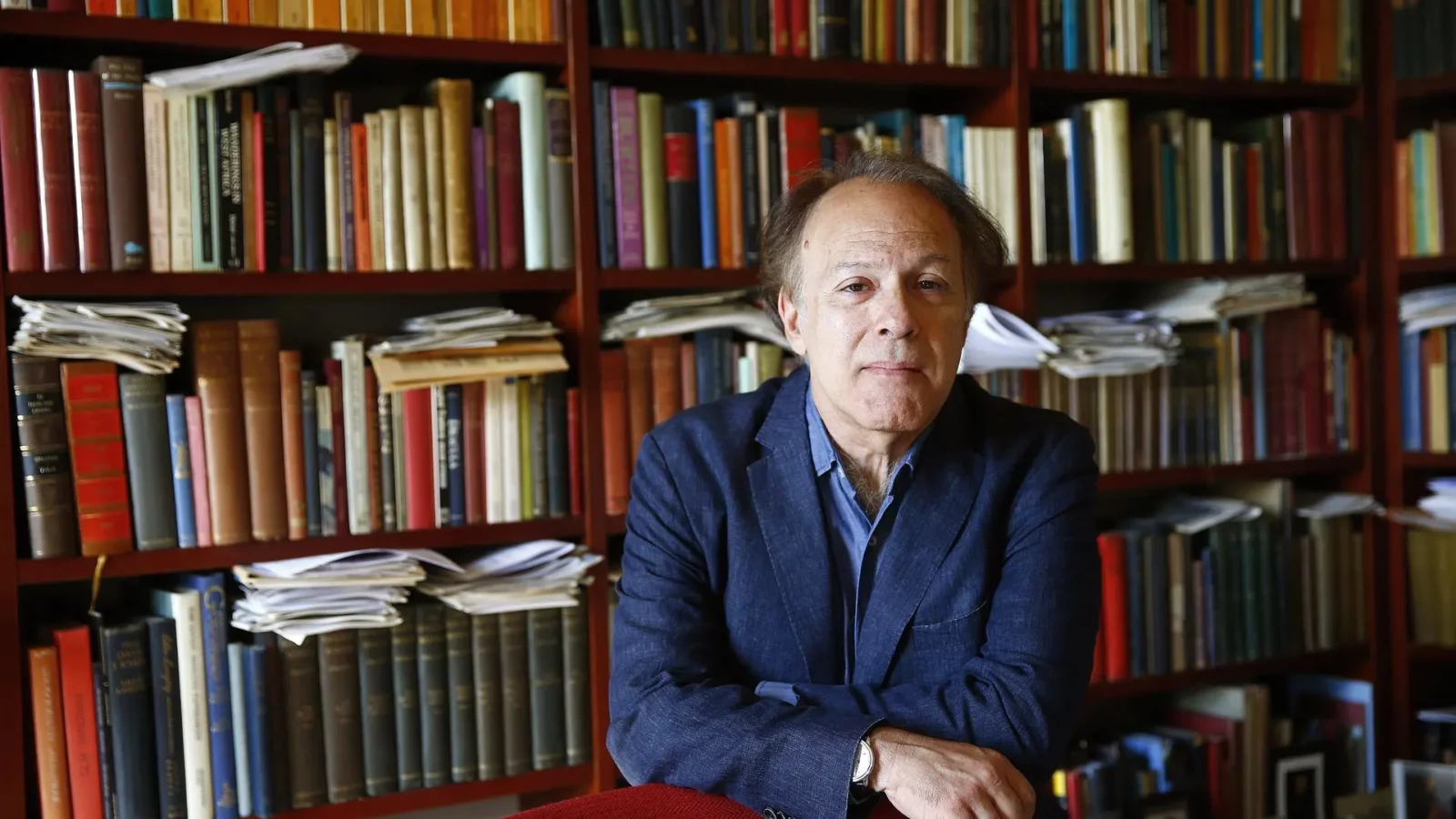
As the four-year anniversary of Javier Marías’s death approaches (Madrid 1951-2022), the Alfaguara publishing house will release on September 10 a volume titled Here I Stop, a collection of texts in which the author of A Heart So White or The Infatuations reflects on life, literature, politics, or football.
They number 66 texts — articles, essays, speeches, or forewords — written between 2001 and 2020, more than a dozen of which had not previously appeared in Spanish, with the rest scattered until now across various newspapers, journals, and other publications.
Here I Stop began to take shape in January 2020, when the Madrid-born writer and academic had the idea, but at that time he was immersed in his novel Tomás Nevinson, which appeared in March 2021, and he thought that compiling these pieces did not need to be urgent. “The novel, the pandemic and other matters led me to shelve the project for a near-future, vaguely defined,” noted editor Inés Blanca. But his death, on September 11, 2022, cut short that future.
Blanca, also responsible for other anthologies of the author’s essays and articles, such as That Half of My Time. Looking Back (2008) or Where Everything Has Happened. After Leaving the Cinema (2005), has grouped this new collection by themes. “Emerging Unscathed” includes texts in which he looks back on his own life, from his fear of flying to his editorial work at Kingdom of Redonda or his relationship with Jess Franco — his maternal uncle and cult filmmaker — or Michi Panero.
In “Stopping to Think,” Marías reflects on his oeuvre and the creative process; in “Not to Deceive Ourselves” he gathers texts on politics and society, from the impact of 9/11 to the anti-smoking law, and in “The Best Lessons” he discusses films and series, such as Desert Centaurs or The Sopranos.
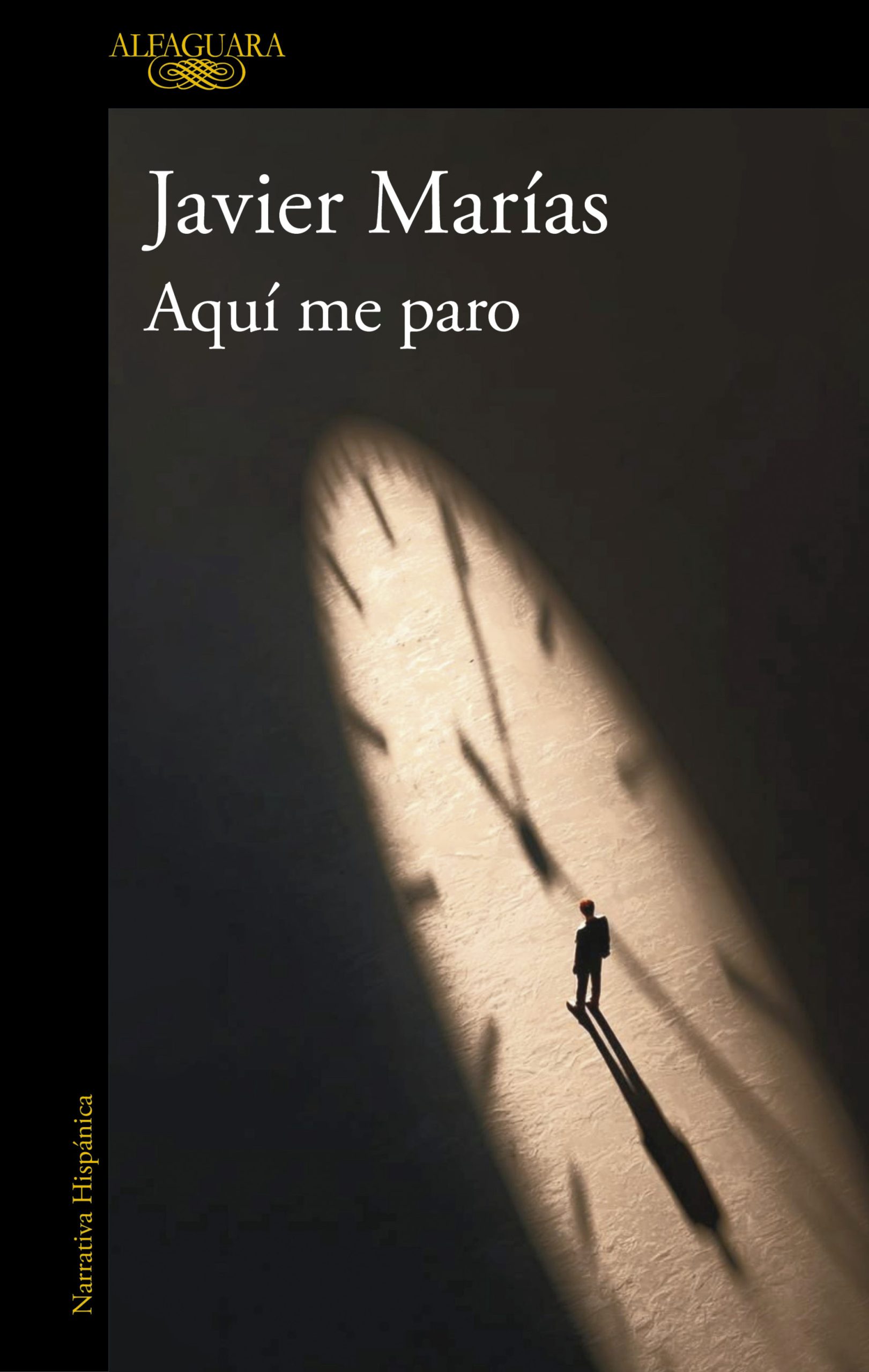
“Selfless Emotion” comprises his pieces on football, one of his enduring passions since childhood; “Those Who Illuminate the World,” about the work of other authors, both classic and contemporary, and “Tributes” is devoted to figures from the cultural sphere, such as Antonio López, Pierre Bourdieu, or J. M. Coetzee. “Marías knew how to put into words many of our deepest intuitions, even those we did not realize were lingering in our minds,” Blanca has stated.
The editor believes that readers who have only read Javier Marías’s novels and stories will have the opportunity to discover “the man who retrieves memories, the citizen who observes society and expresses opinions with enormous acuity, the refined literary thinker, the cinephile passionate about his favorite series and films, the ardent football enthusiast.” And for those who already know all of his facets, it will be a reunion with the prose of the man who even became a Nobel Prize candidate. “For some it will be a refuge and for others a discovery.”
The choice of the book’s title was entrusted to his widow, Carme López Mercader, and corresponds to the homonymous essay that the magazine Ínsula published in 2013 about Cervantes’s Exemplary Novels, “the most free writer of all time,” for Marías. The volume closes with an appendix that collects the 2012 rejection statement for the National Narrative Award, awarded to his novel The Infatuations, in which he explains the reasons for his stance of not accepting any official prize and of rejecting “all remuneration that came from public funds. I would regret if this stance of mine were seen as disdain toward anyone. It is not. It is a matter of consequence. That is, my wish to be consistent.”