
That was the problem with asthma: that everyone thought it wasn’t such a big deal. Damn them. It was that big. I saw it many times as a danger that culminated in a proper, the most proper, the slyest name: death.
I have now spent more than thirty days in a row in the house I chose in Tenerife, where I was born, in order to cure myself of asthma, that disease that now sounds like a clinical grotesque from which anyone leaves unscathed.
Marcel Proust was a serious asthmatic. This disease carried prestige, and in fact I read about it as if, having been so asthmatic, I wore it as a badge to display. For years it was not merely a literary prestige, so to speak. It was a kind of daily warning to explain to others that one was about to die, even though breathing did not seem to be in danger.
That was the problem with asthma: that everyone believed it wasn’t that serious. Damn them. It was that serious. I saw it many times as a danger that culminated in a proper name, the most proper, the slyest: death. An aunt of mine died of asthma. I was a child just like her. They kept it from me in case the fright I lived with could also be the reason for a relapse. I was the boy who relapsed, the house was built to take care of me, even the ferns watched over me when I left the room looking for air where there was none.
Everything was at stake then. An asthmatic started to matter less in those worlds, but in my town, in that place where my family considered me in real danger, being asthmatic was more than being sick. For months and years I lived in what my mother called a bubble, not to say that I was confined farther from the street, where the boys mocked me because coughing was something for fools.
Now that I write, by the way, I feel that if an attack were to come now, near the sea, in my house, at the computer, it would be like a warning, whereas then it was not a warning. It was THE WARNING. I lived inside the WARNING.
When I left home, and my mother let me be the boy I was, with asthma but without the danger of its reproduction, I looked in the island for a way to escape that rat-hole that, over the years, had warned that asthma is not cured or gone; it is rebuilt, it visits you when you least expect it, and it takes you, the bitch, it takes you, and you don’t know who is taking you. And, by the way, it destroys you overnight.
Then I searched, amid fear tempered by adulthood, for a remedy that would be true and that would last, so to speak, a lifetime. That I would never again have to use antidotes against asthma, that that horrible obligation to stay vigilant against harm, just in case, would be forever, and would indeed result in blessed forgetfulness.
I traveled to the south of the island, I weighed various possibilities of getting out of the disease, but everywhere there always appeared a caveat that drew back the terrible malady of breathless moments. In one of the island journeys I arrived at the place where I am now. I found the house where there is a roaring sea, speaking to me, certainly, of the asthma I no longer have… I know that something happened to cure me, I cannot name its proper name, though surely it is related to the asthma that is no longer called that, or that even if it is still called asthma continues to speak to me, but without hurting me.
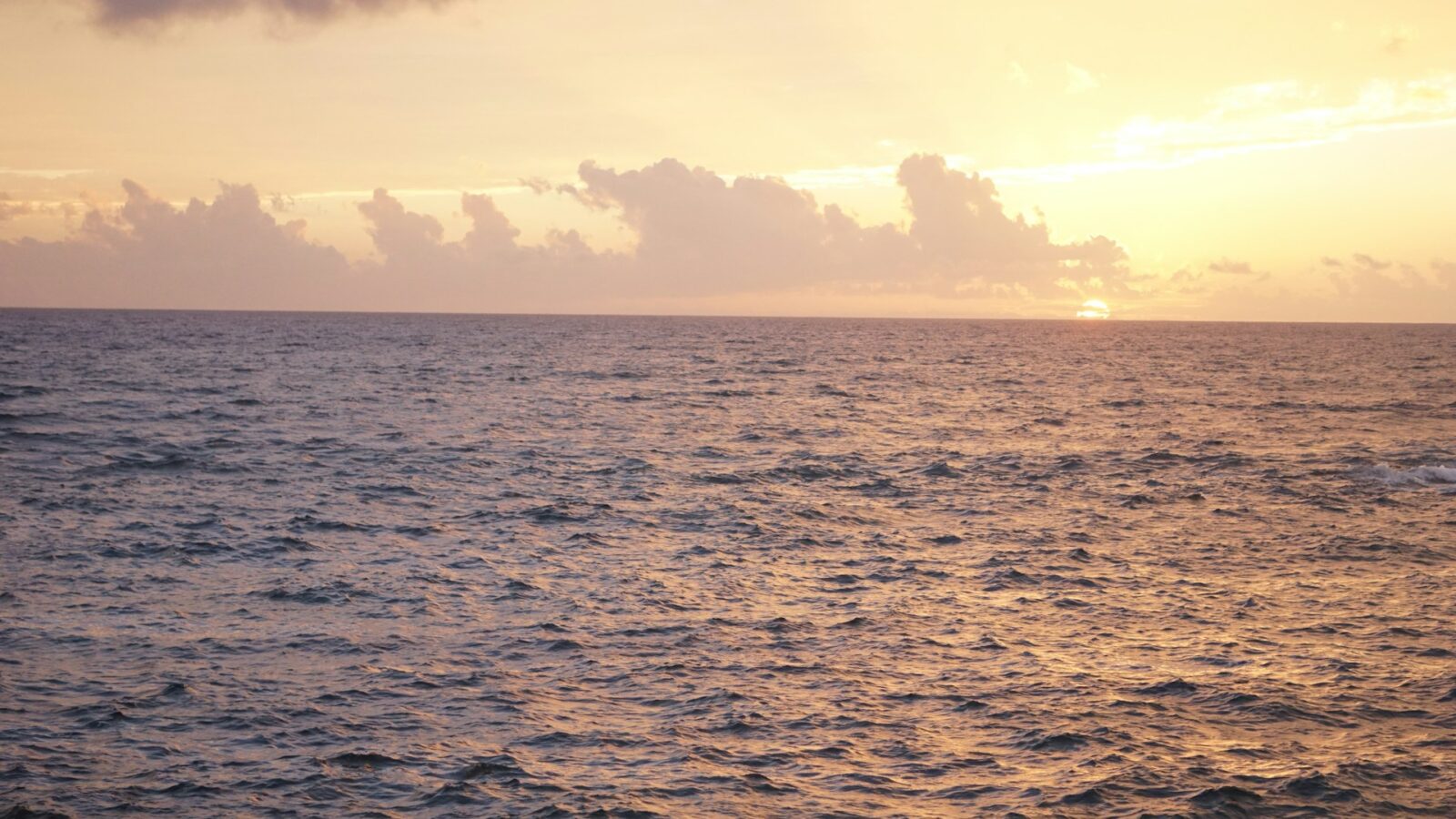
Actually it cured me, I think, the one who knew more than all my friends about the remedies of life, the one who told me what I should take or do to become the boy I was not for so many years with asthma. This village, Médano, drew me here, and here I am, for instance now, writing these lines that taste of the sea and of the sound of the sea, and of the patience the sea has to tell you where to go in pursuit of the waves.
I came to Médano, then, and here I am being cured, or I am curing myself. But this is a disease that speaks on its own and does not let you speak unless it wants to. The choice, in fact, was made by a true doctor, named José Toledo, who here heard me cough more than I should. He advised me then to travel south, and I have lived in the south for forty years. My other homeland is Madrid, and the places nearby, many of them parts of the world, from Latin America to the European territories I have visited since I was a boy. The asthma gradually went away, thanks to Pepe Toledo’s advice, and today it seems strange to me to write the word asthma on paper.
At one point I could not even say asthma, not to buy medicines, because the word seemed to lead me to an attack. In adolescence I had many such attacks, one of which, the last, caused a tremor around my home, in the place where it occurred (the town’s main square), perhaps making those attacks never return.
On that occasion, when I suffered that bang, I must have been thirteen or fourteen, already an active apprentice in the trade I continue to practice and surely hoping to attend a local soccer match. Before me stood a neglected boy whom I looked at and looked at again as if I were going to clean his face, his nails, even the way he looked at me. In that very moment when I felt like a Samaritan to another’s dirt, I felt the square crumble and that I ceased to exist.
After a few minutes I felt someone, the football coach who had helped me, bring me back to life, to the square and to the street… The people who had already been worried about what might happen to me surrounded me, as did the curious ones who in the squares look for something to come along as if it were a film that could later be told.
I was then, in the midst of the terrible sensation of still emerging from death, the boy who almost died. The coach let me go, I walked home, and I immediately knew that the news had become part of the neighborhood. My father had known it, my mother knew it too, and the guys who formed my group pointed at me as if I were the dead man who had risen.
From that day, back home, something my mother did began to cure me, to escape from what was asthma and more asthma, until asthma seemed the only possible thing, what accompanied you and killed you. After that attack born in the street, she stopped taking as much care of the boy she had at home who was not only sick but, above all, a fright, the sense that I was always exposed to losing, especially at night, the root of life, which is breathing and which is breath.
She no longer paid as much attention to me. As if she breathed the air of a future that chance or the street offers. She kept moving toward the air of what lay beyond the respiration of the ravine as I could say goodbye, to what was called asthma and which was a martyrdom. For them, for me, for life.
Until the doctor Toledo brought me to Médano, to this air that now, while I write, goes on saying words that have to do with the sound of the sea. But also with what writing gives you, that sound that always returns to what has never left and that only returns if you remember the root from which comes what no longer bears the name of pain, of chance, or of death.
It is the sea, this adventure.
—————————