

The writer and art historian Thomas Schlesser (France, 1977) champions art and beauty as practical tools for life, a stance he already took with his 2024 novel The Eyes of Mona —a success with one million copies sold and translated into 60 languages— and which he deepens with his latest work, The Gardener’s Cat, focused on poetry.
“I wanted to show that poetry is capable of serving life, that it can express not only very personal emotions, but that it can serve to speak of love, politics and be a fabulous part of our daily life,” he says in a telephone interview with Efe.
Schlesser is visiting Spain these days with a double agenda: on the one hand, he will take part in a talk at the Segovia Hay Festival and, on the other, he will present the Spanish and Catalan editions of The Gardener’s Cat, published by Penguin and Empúries, respectively.
The novel begins from a storm that devastated the Provence region in southern France, where a taciturn and solitary gardener and a lively retired literature professor will find in the verses of Sappho, Pessoa, Lorca or Neruda relief and meaning for their lives. “I think my book is, first and foremost, a discovery of the powers of poetry, but also of the relationships between humans, nature and animals, and a homage to the south of France, to the Provence of the 1980s in which I grew up.”
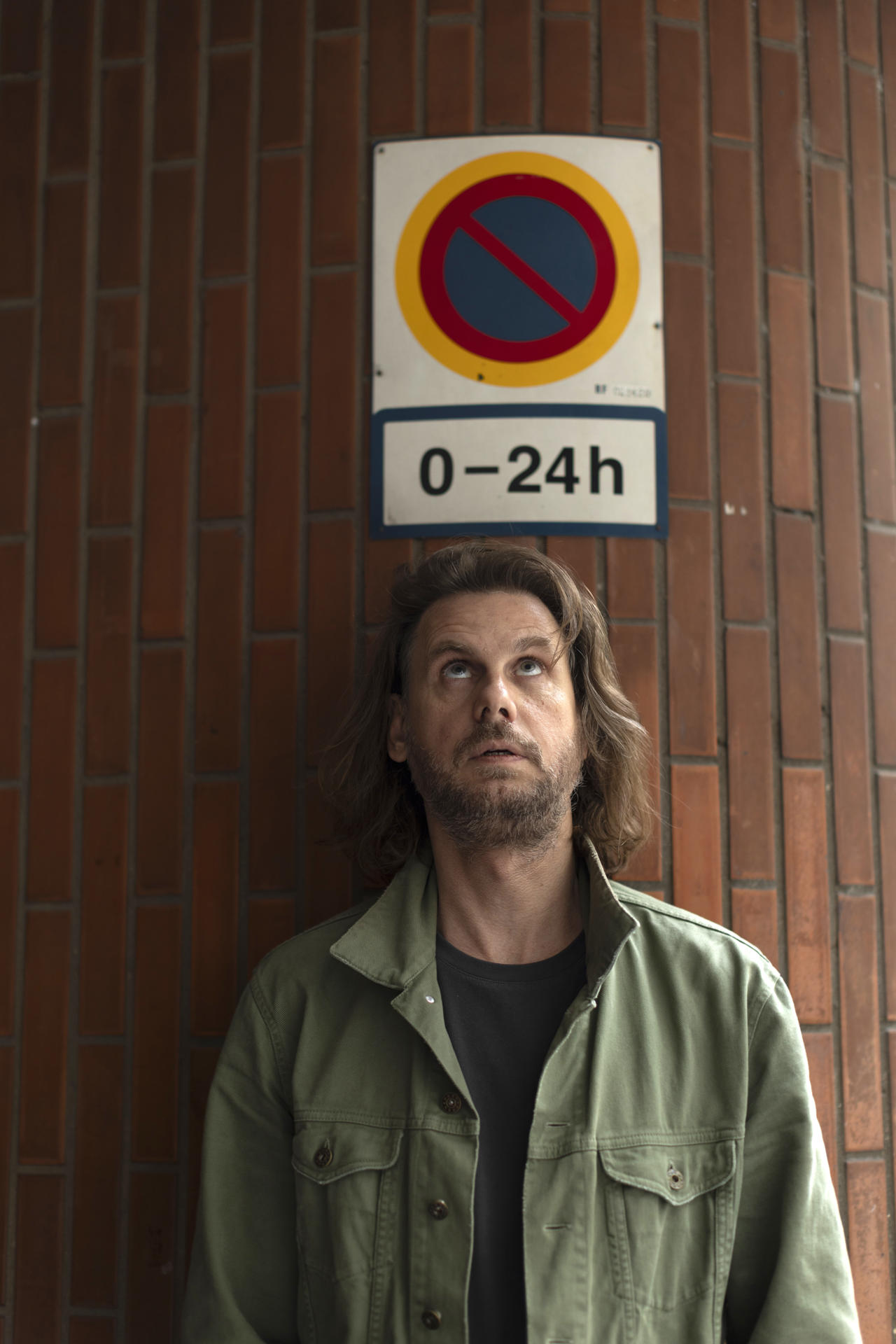
Efe / Marta Pérez
It was a few years later, during adolescence, when a shy Schlesser—with mixed emotions—came across his first poems, and especially those of Guillaume Apollinaire (1880-1918), who, together with authors such as Cesare Pavese (1908-1950) or Emily Dickinson (1830-1886), he still admires. “Poetry appeared in my life as a great surprise, like an explosion, and for me it was a way to feel free.”
Despite his love for verses, Schlesser pursued a professional path in the Fine Arts. A field in which he has stood out and which has led him to direct the Hartung-Bergman Foundation, based in Antibes (France), and to teach at the Parisian Polytechnic School. These experiences formed the basis for his previous novel, The Eyes of Mona, in which a grandfather and his ten-year-old granddaughter, who faces a gradual loss of sight, visit in each of its 52 chapters a painting from the great Paris museums, and which has surpassed a million readers worldwide. In fact, it was this success that convinced him there would be an opportunity to publish a 400-page novel full of poems, despite the poetry having a “bad reputation” among editors, since it is difficult to tackle and rarely guarantees sales.
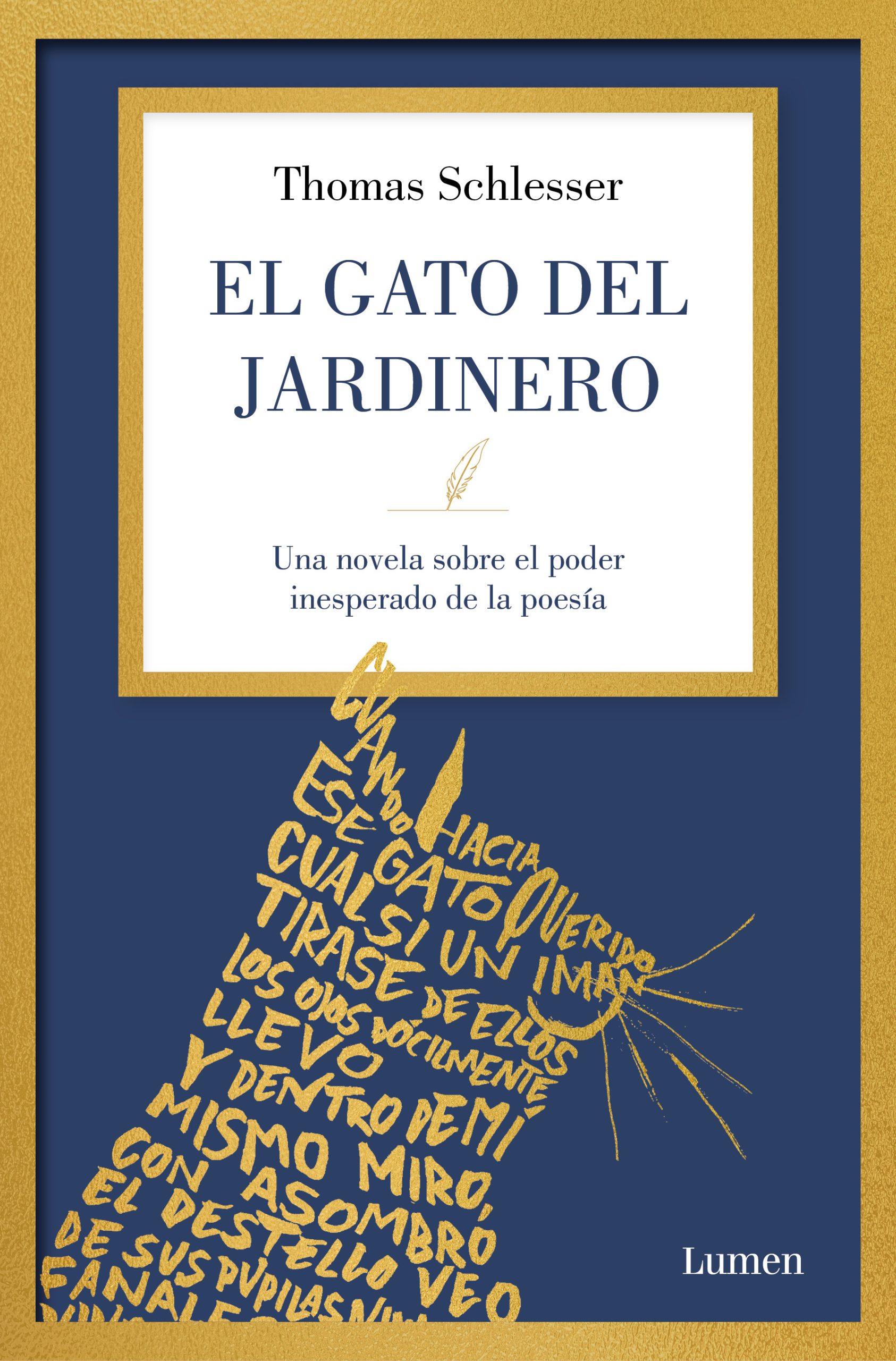
Where poetry indeed has its place is at the Segovia Hay Festival, which in its XXI edition contemplates beauty in times of immediacy. For the art historian, beauty is necessary and constitutes a value for the future. “It is existential, it is our reason to live,” he emphasizes.
When asked about the emergence of Artificial Intelligence in creative work, Schlesser is critical of some uses, such as scanning books to train AI and its subsequent destruction, but he opposes a broad condemnation of this technology. On the contrary, he believes that AI will be capable of producing “very special” works, though he is convinced that the Arts will remain a domain of human beings. “There will be artificial creation, but not artificial emotions, so (art) will remain a human prerogative.”