
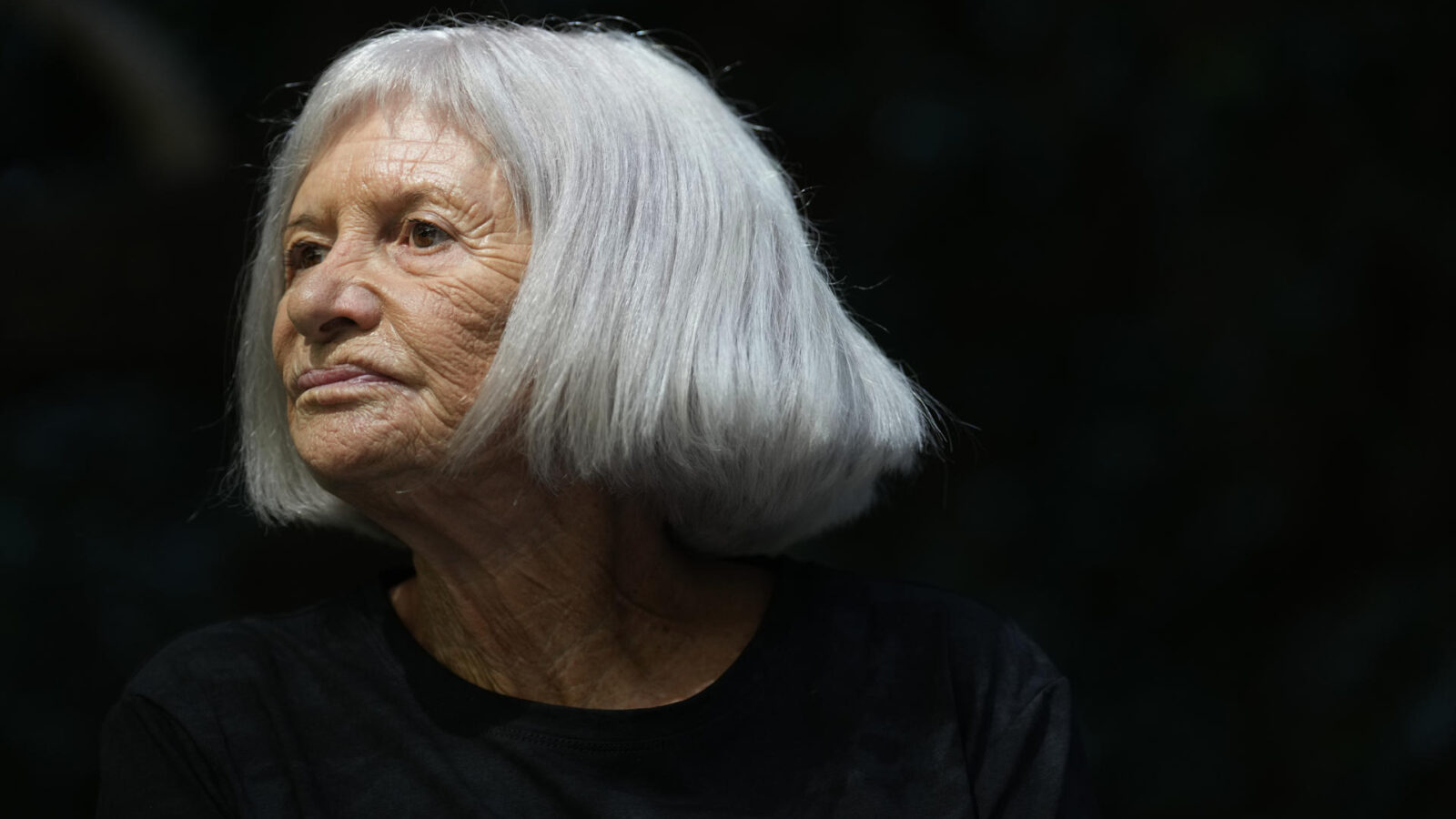
Thirty years after the first title in the series, the writer Alicia Giménez Bartlett returns to the shelves with Under the Infernal Sky, a new novel starring the corrosive inspector Petra Delicado, a character with whom she feels “very comfortable” and who is “very important” to her.
However, in a media encounter, including Efe, she warned: “When I see that I am repeating myself too much, that ideas do not come to me or that I myself grow tired, I will send the sinner to the convent, to one where it is very cold, in Salamanca or Toledo, to make her suffer,” she joked. “This is a very Spanish cliché, ending up in a convent, although I hope they let her drink whiskey, because otherwise she’ll have a terrible time.”
Despite these statements, Giménez Bartlett underscored that Petra Delicado, the protagonist of roughly fifteen titles, has given her a great deal, also through translations or adaptations made for Spanish and Italian television, with more than two million readers worldwide. “When people write to you about her or when others see you and tell you that she has saved their lives, because they were poorly in a hospital and thanks to her stories they’ve laughed, those are things that really resonate with a writer.”
The author, who was widowed three years ago and who does not shy away from admitting that she has given her sorrow to her character, emphasizes that she had a wonderful time creating this new literary device, even though she does not hide that she has drafted a complex plot, one of the most intricate she has ever written.
Efe / Alejandro García
“It is a novel —she clarified— that I enjoyed making, in which the Catholic Church as an institution does not fare very well due to its silence, due to the difficulty of knowing a truth from within there.” Similarly, she believes the same could apply to another institution, the Police, which are hierarchical entities and “sometimes it is difficult to enter their inner workings to explain the truth, although it is true that the Catholic Church has stood for two thousand years and knows very well what it is doing.” The National Police is newer and “lately it is opening up a little more.”
Another protagonist of the story is the La Mina neighborhood, near Barcelona, considered one of the most troubled in Spain. For Giménez Bartlett, the work ends up vindicating it, emphasizing that “it is not the Bronx, where you can be killed on a corner.” In this stigmatized neighborhood, there are “working families, immigrants who have been settled for many years and the entirety of the people who appear from there in the novel bear witness that not everyone is a criminal. It is a very special neighborhood, but there are many people who live by the law, I think it is important to say so.”
Although harsh situations appear in her stories, even showing that Petra Delicado also cries and suffers, the writer from La Mancha, who now resides in Vinaròs (Castellón), is among those who proclaims that she loves writing her characters’ dialogues and “not being politically correct. Today you say that a dove bothers you and a pigeon-keeping society has already been offended. Calm down, this is a novel, I am not delivering a speech for a political campaign. That is, for me humor is essential and being a little impertinent is too.”
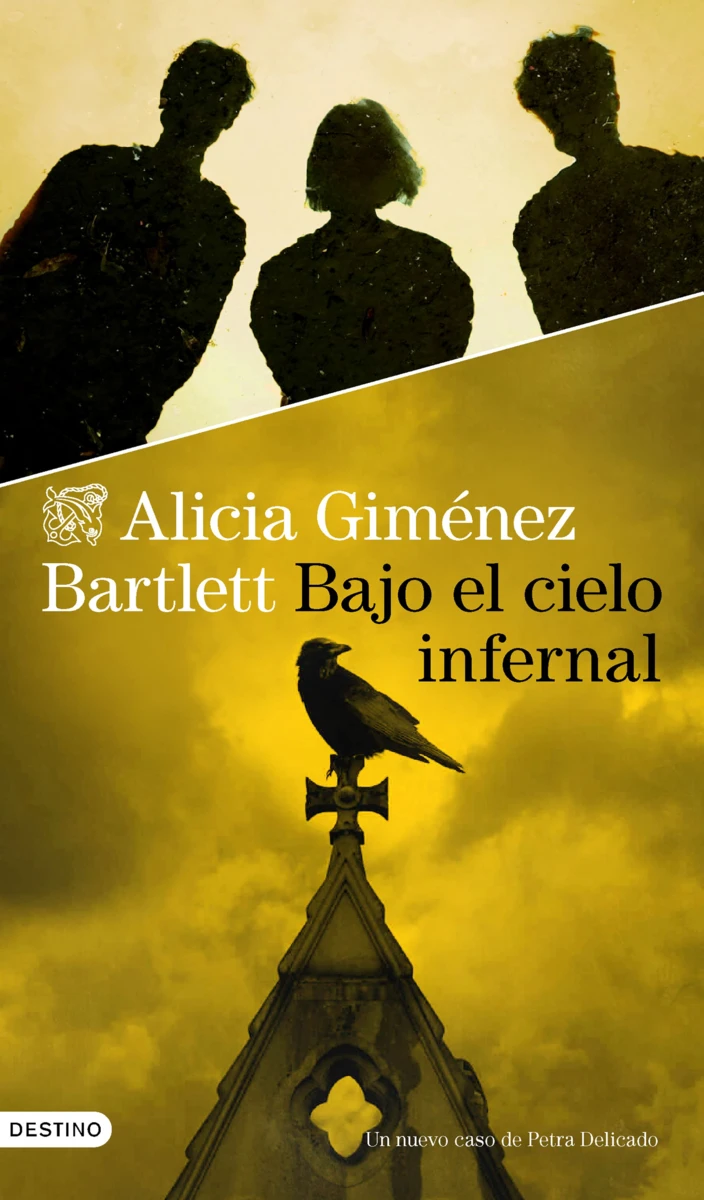
On one of the pages of the book you can read, for example, the opinion of Garzón, who has no hesitation in saying that in a future life he would like to be a priest, because “they have work all their lives, they receive training, you don’t stay unemployed, when you get older they take care of you and when you die you go to heaven, which is pretty great.”
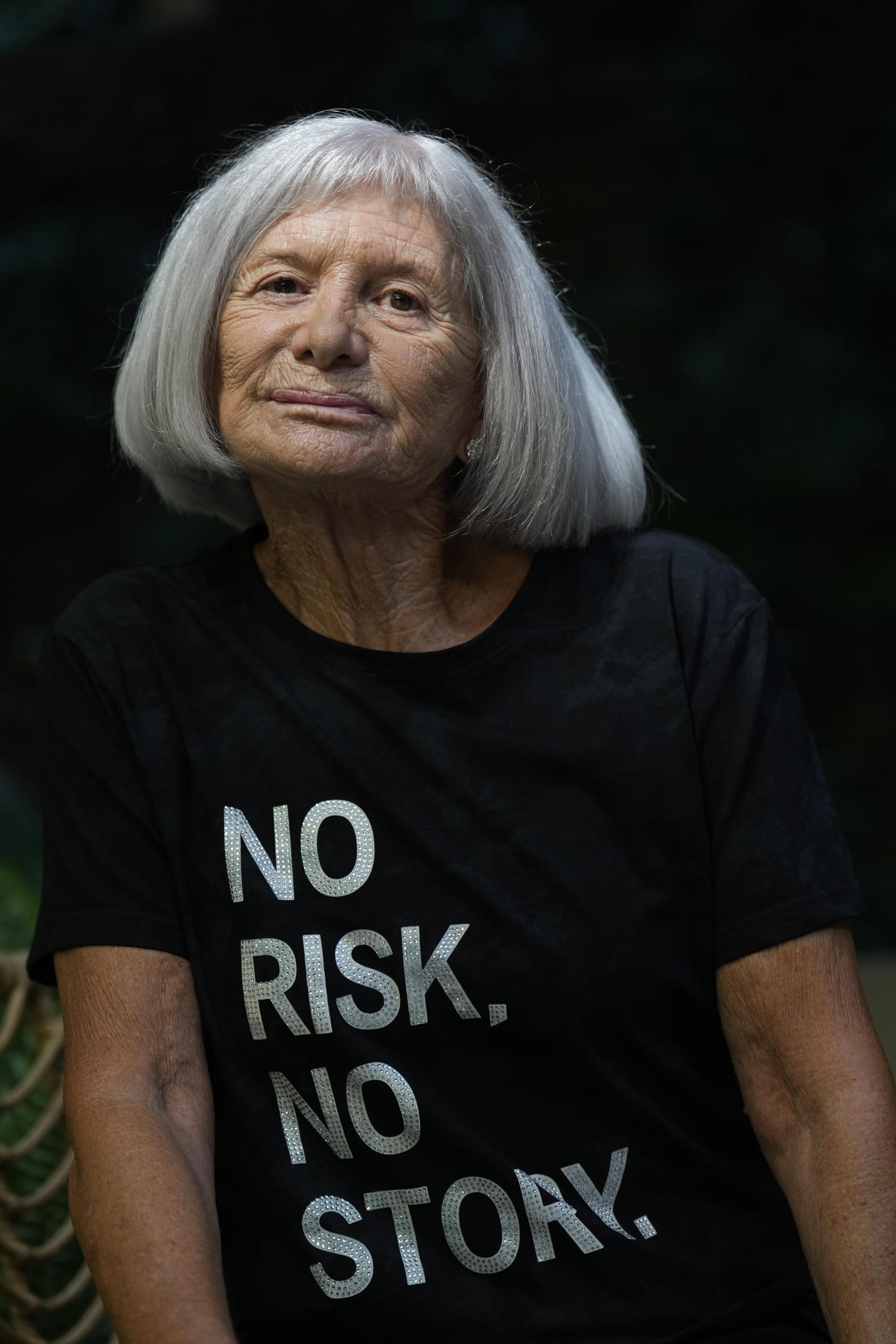
Alicia Giménez Bartlett — today wearing a T-shirt with the slogan No risk no story (Sin riesgo no hay historia) — is already thinking about new stories, one of them related to the period when she was a teacher and of which she keeps a very good memory.
———————
Source: Efe