
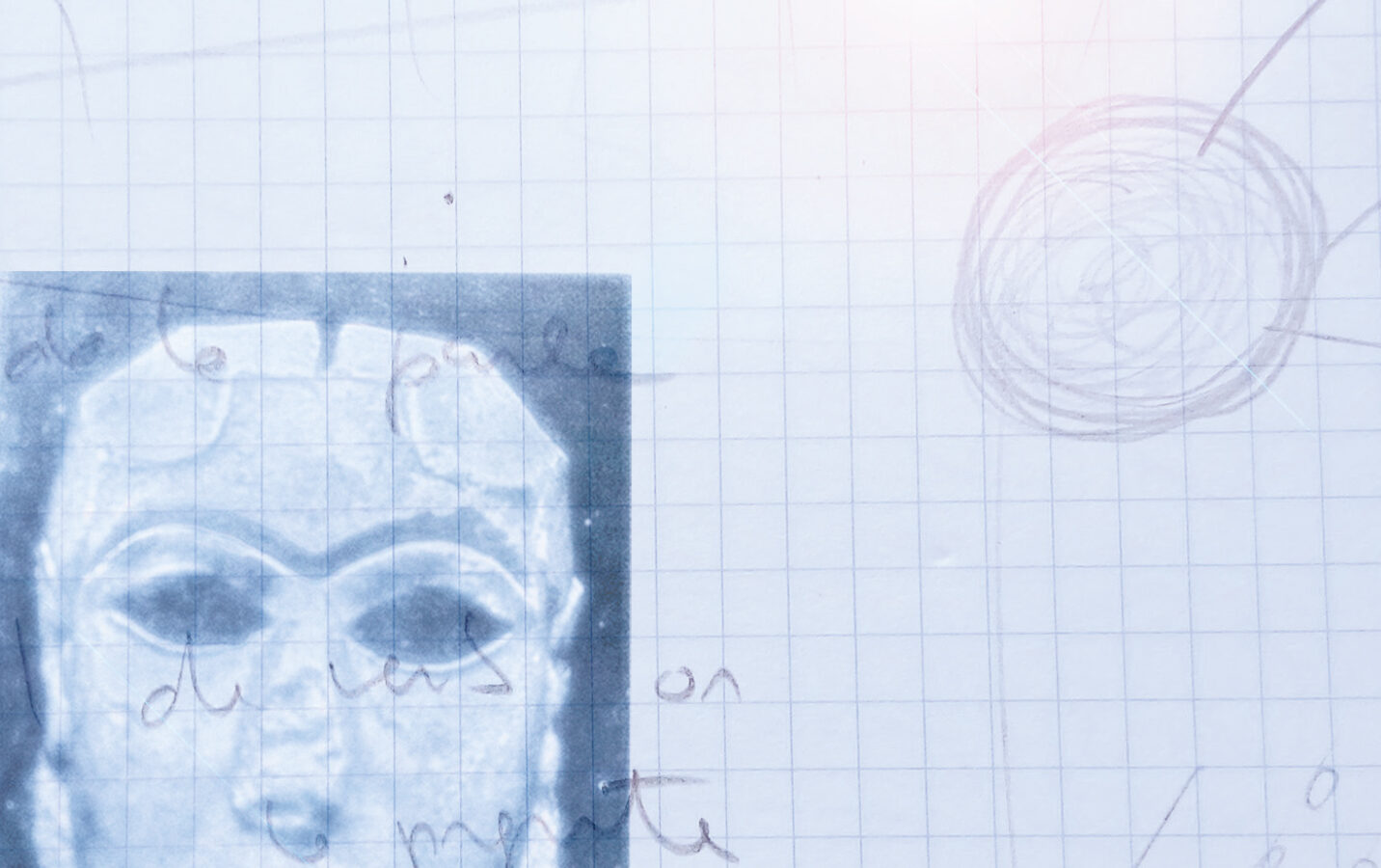
The publisher themselves notes, with regard to the book: “Statues with severed heads, temples burned and abandoned, children running amid the wreckage…
Notes for a Fire of the Eyes is a book pierced by fire, an attempt to reflect on iconoclasm and the worship of images
.
Does poetry still carry the seed of rebellion? The entry point to this archive of strange and fragmented poems — like the stones hurled by the rebels — is a photograph by Bruno Braquehais, taken at the Place Vendôme in Paris, in 1871, during the commune’s most savage days. In it one can observe a toppled statue of Napoleon, lying at the feet of the insurgents. Legend has it that among the faces depicted are those of Rimbaud and Manet, the poet and the painter who rose up against the literature and art of their time. Esthetic revolt and political revolt, should they not always go hand in hand? “The interest in destroying an icon is often the sign of an ancestral fear: the fear that images are alive. That makes them formidable entities, objects that must be eliminated and mutilated.”
Understanding language as a body in construction, erratic and porous, Gabriel Ventura guides us into a linguistic experience that continually seeks “more eye, more skin, more edge to fall from”. Subversion, innocence, destruction and transformation are the themes of a work that asks whether it is possible to “tear the head off the body of power” and whether we can still rebel through language.
—————————————
Author: Gabriel Ventura. Translation: Unai Velasco. Title: Notes for a Fire of the Eyes. Publisher: La Bella Varsovia. Available from: Todos tus libros.