

More Famous Than Jesus Christ (Debate), the new essay by Edu Galán, was unveiled at La Cacharrería of the Ateneo de Madrid to a packed audience beside Ana Belén and Ángel Antonio Herrera.
«The true mystery of the world is the visible, not the invisible». With this quotation from Oscar Wilde, taken from The Picture of Dorian Gray, Edu Galán summarized his aims yesterday in writing his essay More Famous Than Jesus Christ. Why Fame Has Invaded Our Lives (Debate), dedicated to fame and its mutations throughout History. «What interests me about fame is studying the asymmetric relationship between the famous and the crowd», Galán stated, «the public says it knows him in every aspect of his life and he knows nothing about them». The president of the Ateneo, Luis Arroyo, introduced the event by highlighting the usefulness and interest of the book and celebrated that Galán was a member of the house. Afterwards, Ángel Antonio Herrera defended Galán’s role as «an intellectual» and dissected several parts of the book before an audience of readers and some of the author’s cherished friends such as María Barranco, Marta Flich, Maruja Torres, Enric González, Francisco Nixon, Álex de la Iglesia, Arri, Víctor Manuel, Sergio del Molino, Jorge Guerricaecheverría, Jeosm, Pepón Montero, Melquiades Álvarez, Juan Luis Cano or Juan Cruz. Ana Belén, radiant, tackled the twists and turns of fame by the numbers: when you have more or fewer followers on social networks, you get hired more or less. And, having been famous since childhood, she shifted, as the book’s central topic, to how fame is managed when you are underage.

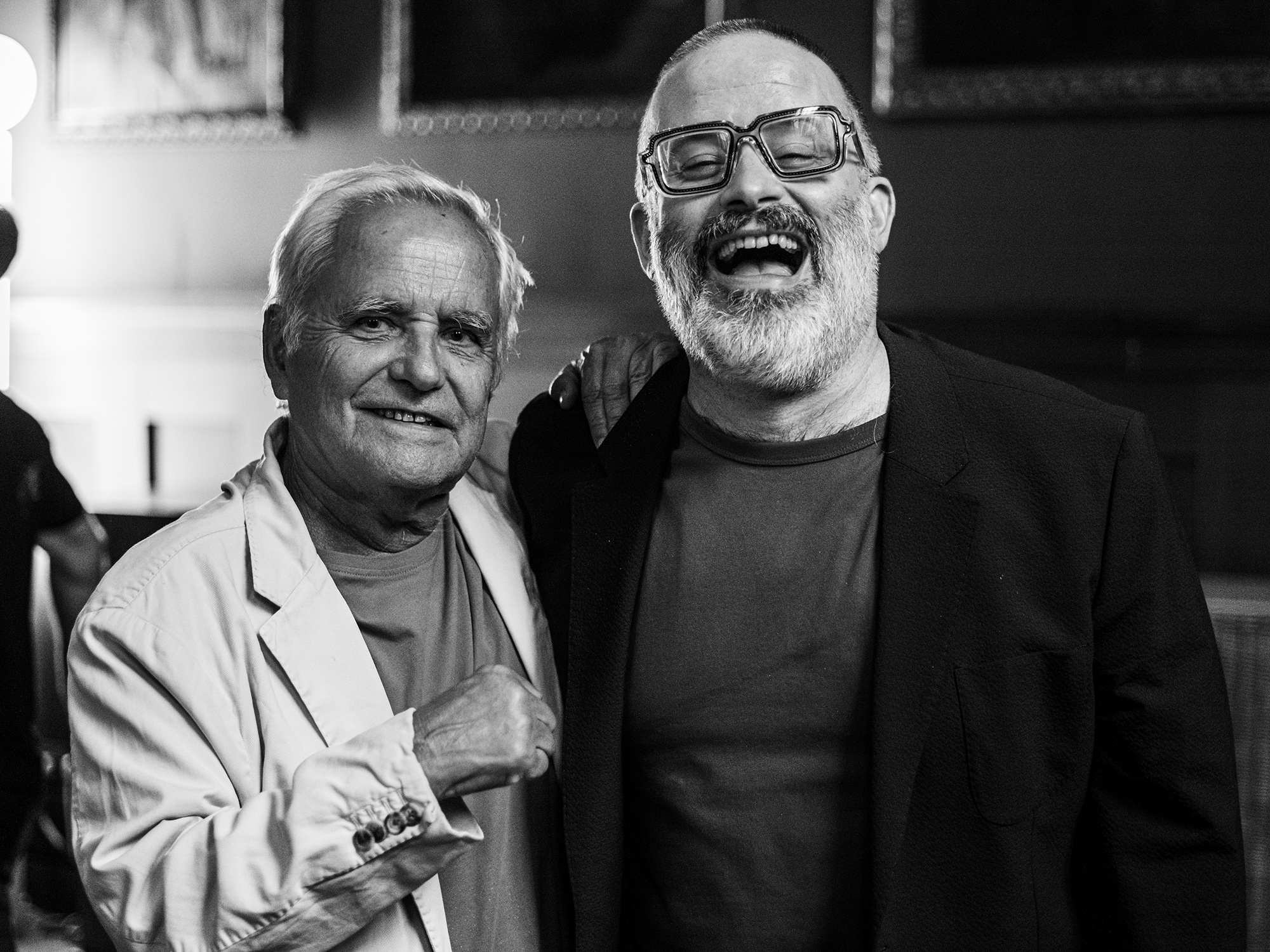
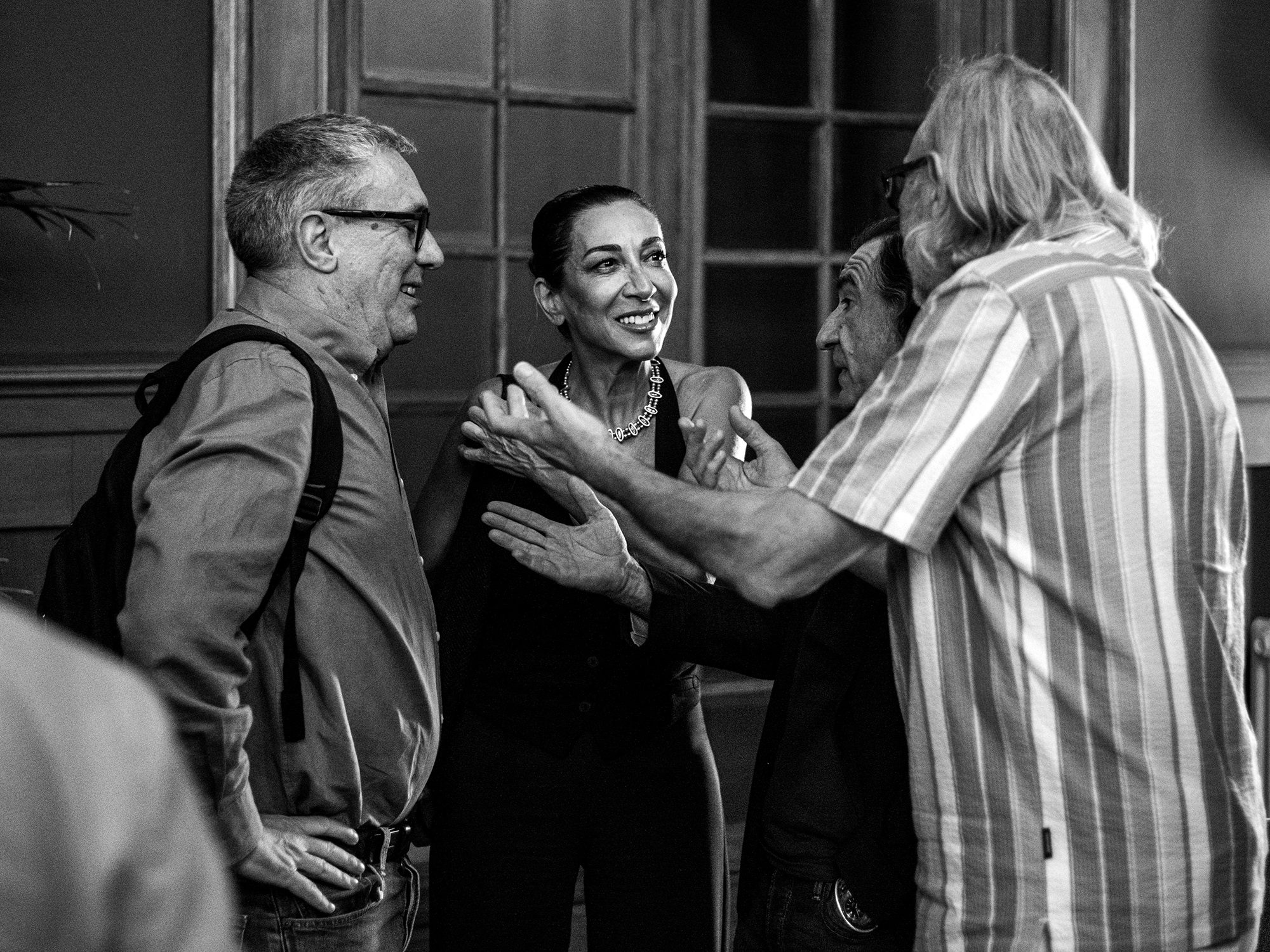

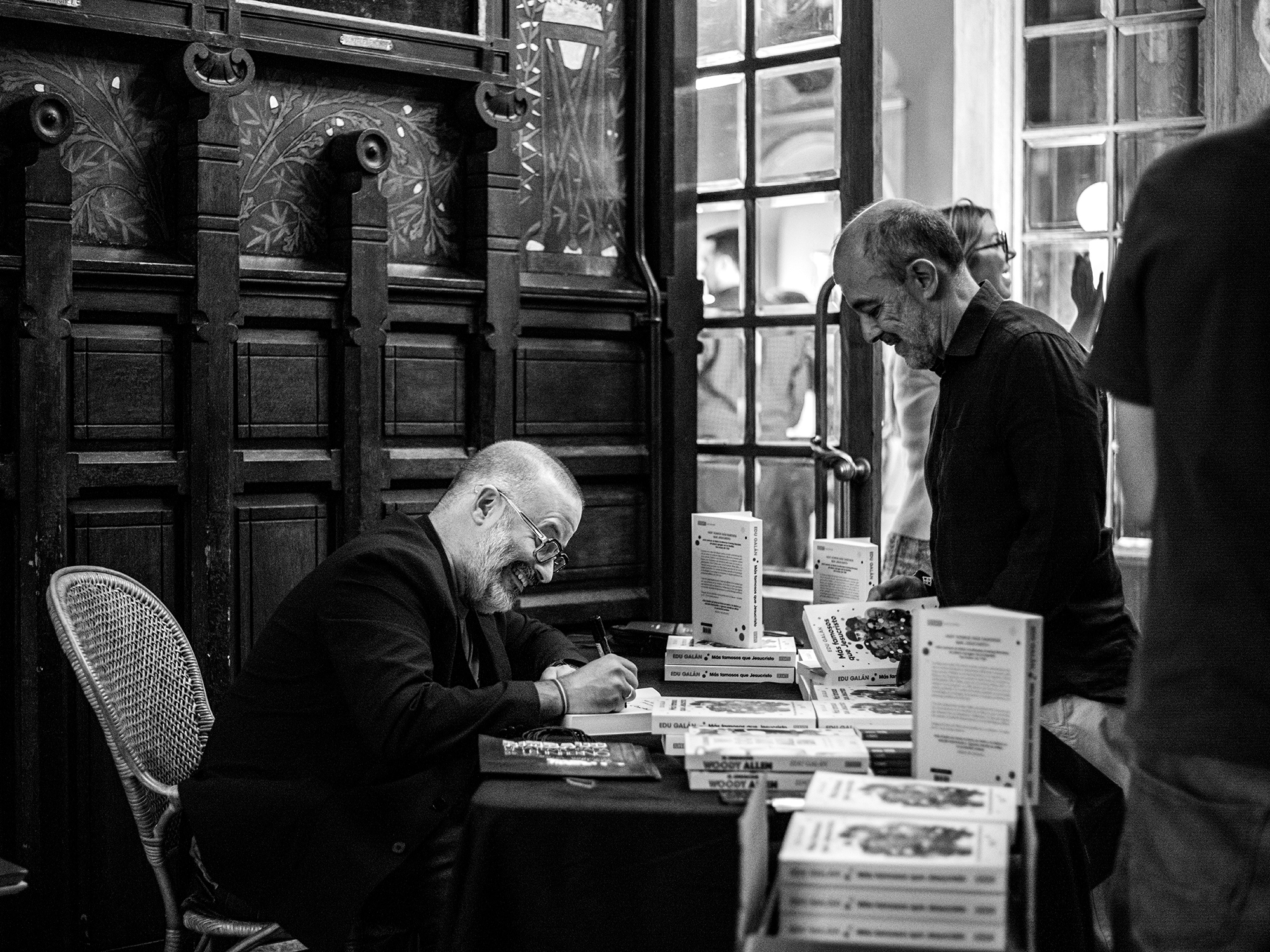


To close the event, because his daughter Berta wanted to leave, Edu Galán asked Ángel Antonio Herrera to read a few verses from his teacher Domingo Caballero. “I think they summarize the spirit of my essays: how we shape one another even though today we believe everything comes from ‘our inner self’.” Ángel Antonio read the passage from the poetry collection Pasos contados (KRK): “We know that feral children, / those whom a wolf / taught the first letters, / cannot bear dresses. / Thus cold is learned / as one learns the letter o / but / I would not wish to press the point.” And that was that; and everyone, as those who remember say, finished up in the Ateneo’s cafe, talkative and content.