
To commemorate the 90th anniversary of the Civil War, José Ángel Mañas recreates in Zenda, day by day in this section, what happened in 1936, perhaps the most pivotal year in all of Spain’s recent history.
Saturday, September 19, 1936: Searching for a detainee
During the two months since the war was declared, everyone grew used to hearing night-time gunfire, to living in darkness for fear of aircraft. To ignore the trucks that patrolled day and night, to coexist with the dead that appeared in the ditches every morning. At first only in the Casa de Campo, on the banks of the Manzanares or the outskirts. Soon it became common to find them on the main sidewalks, where the garbage truck, alerted by a neighbor, would collect them.
For two months
both Pepe Mañas as well as his mother and his cousins
had seen
dozens of corpses
in
General Ricardos.
They learned to look down at them, in case they recognized a neighbor or acquaintance and, when not, to forget them. They tried not to approach with morbid curiosity, as the kids who, until schools resumed, were still on vacation, did. The children were fascinated by the eyes of a dead hake and rummaged in their pockets, as if they did not know that whatever value existed had already been taken by the militiamen.
The sensation before the corpses was, at first, of horror and compassion, and as the situation repeated itself, of indifference. An indifference mixed with that strange feeling of confidence, almost of power. As if it were something that always happened to others, as if it could never happen to them and they were immune.
That strange confidence grew, in a comforting way, with the passage of time, simply for the fact of still being alive.
But the confidence had completely faded the previous night, as Pepe walked with Ángel Navarrete through the most well-known chekas and, above all, when they finally found what they were looking for.
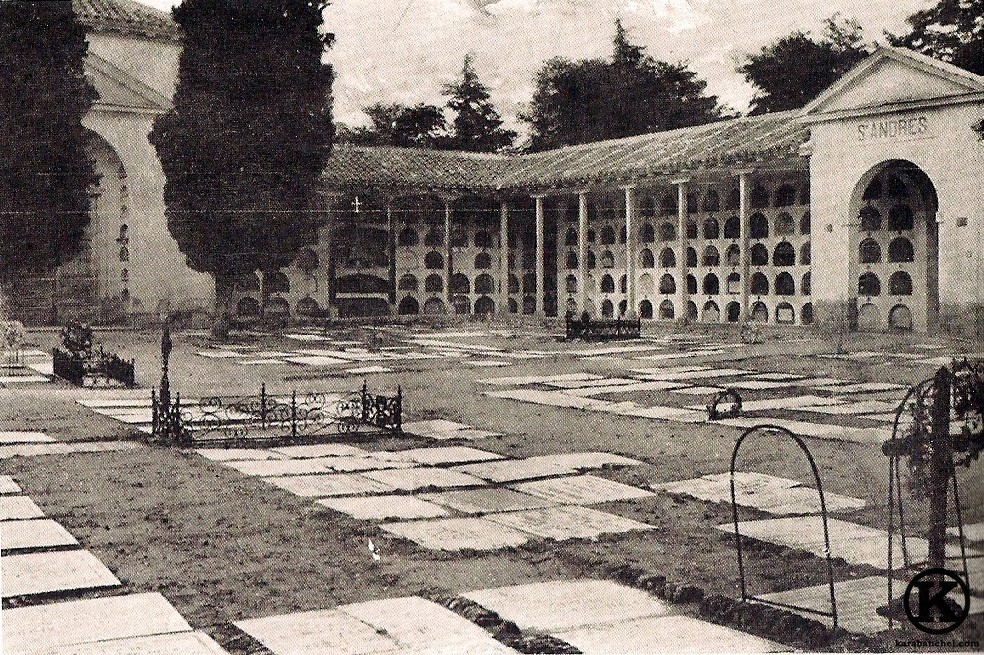
The corpse was with three or four others, beside the wall of the San Isidro cemetery. They had been brought from a detention center of the Communist Party in the barrio de La China. Struck down badly against the wall, Luis Mañas wore the same clothes as the day before.
In the unbuttoned shirt you could see the dried blood from a stab wound, perhaps a bayonet thrust, that had been given to his chest. He also had a gunshot wound in the foot, piercing the boot; and in the disheveled hair, thrown to one side, two black holes in the forehead. The wounds and the grease on his hands betrayed that he had resisted, that he had grabbed his killer’s rifle.
The sun began to rise.
Pepe Mañas, after an entire night of cheka after cheka, looking at the photographs shown to him in some places and, in the depots, corpses laid out on tables or in drawers or thrown in the street waiting to be taken away, breathed deeply and covered his face with both hands. The first tears slipped through his fingers.
—At least they didn’t torture him —murmured Ángel Navarrete—. They were the Communists. I told you that, having asked that you be respected, no anarchist would have dared…
His frustration was evident. At first, when Pepe appeared at the Ateneo Libertario, at midnight, Ángel grabbed the van with a handful of companions. Together they did rounds of the chekas. From Unión Radio, in Gobernación, he had a bulletin broadcast demanding the detainee’s delivery to the Regional Committee of the CNT. With dawn breaking, as no news came and the dead in the Casa de Campo were not among those found, they began to think he might be imprisoned somewhere, when someone said there was a batch of new corpses at the San Isidro cemetery.
—Think that at least you’ll be able to bury him. I’m sorry, Pepe. I’m truly sorry —said Ángel Navarrete.
Todas las entradas de 1936 día a día
Entrevista con José Ángel Mañas sobre 1936 día a día