
To commemorate the 90th anniversary of the Civil War, José Ángel Mañas recreates in Zenda, day by day in this section, what happened in 1936, perhaps the most pivotal year in all of Spain’s recent history.
Sunday, September 20, 1936: At the San Isidro Cemetery
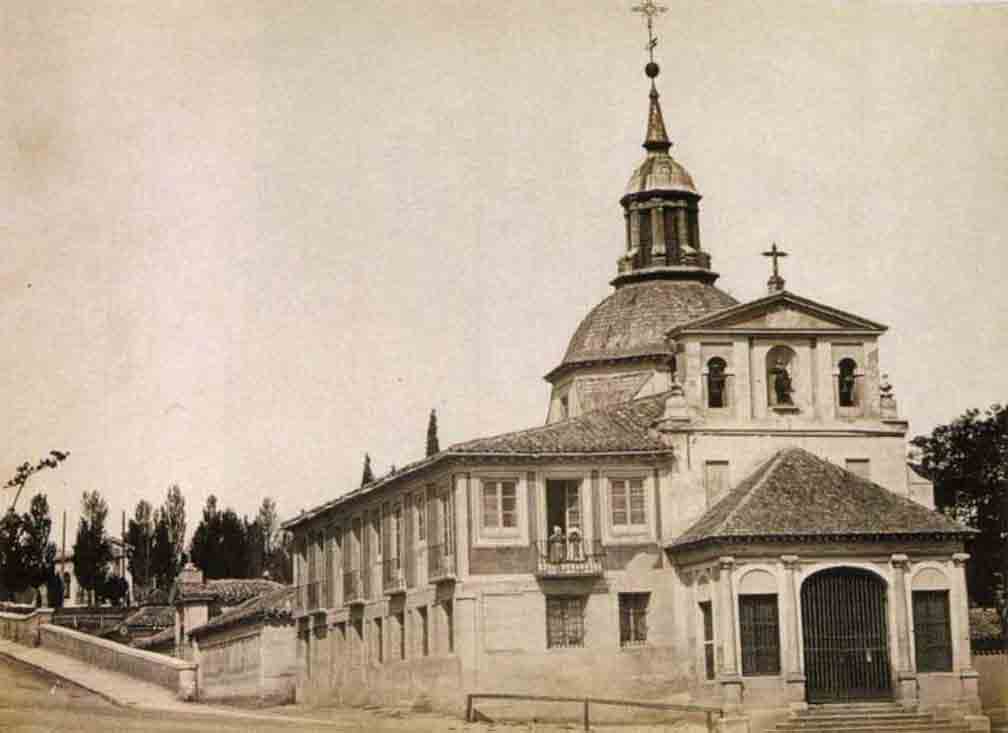
The San Isidro Cemetery had, throughout the 19th century, been the preferred resting place of the nobility. It still housed large mausoleums in its courtyards where, among others, Antonio Maura and Canalejas lay buried before they were moved to the Pantheon of Illustrious Men, near the Basilica of Atocha.
In 1936 there were still illustrious tombs. The Larra itself was buried on the wall of the San Justo cemetery. But since the outbreak of the war the San Isidro cemetery, on the outskirts of Madrid, had become the ideal place to abandon the bodies of those who had been paraded. They were thrown from cars or trucks beside the wall.
—Don’t cry, mother, please —said Pepe Mañas.
War ends up upsetting many protocols. Driven by necessity, most of the dead were mourned in the same mortuary repository. Today a handful of families gathered there. Outside, the day was splendid, cloudless. Inside, everything was darkness. Rosa and Inés, in mourning, looked like frightened girls. Mariana covered herself with a shawl. She would not let go of Pepe’s arm. The four of them had spent that night there, like the other families, each with their dead.
—We haven’t even been able to mourn him at home —murmured Mariana.
Pepe Mañas, who had gone two days without sleep, stood up and hugged her. He was the only one not dressed in black. He had put on one of his suits, a dark gray. He looked exhausted. Ángel Navarrete, in militiaman coveralls, did not release his rifle. The man who had become the CNT’s food-supply secretary reproached himself for not having protected them. That is why two of his armed anarchists stood nearby.
—You cannot know how sorry I am, Mariana —he said.
—It’s not your fault, Ángel. You did what you could… That’s enough.
At the door of the mortuary appeared the gravedigger. The man had several rustic coffins at the cemetery itself for families who could pay for them. Those who couldn’t were buried in the common grave.
—Who’s next?
Ángel Navarrete gave a nod to indicate the Mañas coffin. As three militiamen drew near to load the box, Pepe cast one last look at the dead man. They had cleaned him up as best they could. His cousins and mother had washed him the day before, at the same mortuary’s tap. They wrapped him in a white sheet from Mariana’s bridal trousseau. He held a rosary of black beads in his hands, and they had placed him in that poorly finished coffin, too short for his height, resting on two trestles. They tipped the head to hide the part of the skull blown open by the bullets as he left: the fringe covered the dark holes in his temple. The expression did not look as stiff as when they found him at the cemetery wall.
—Luis, my Luis! —moaned Mariana, clinging to his body, now cold, for the last time.
Todas las entradas de 1936 día a día
Entrevista con José Ángel Mañas sobre 1936 día a día