

Fascinated from an early age by folklore and fairy tales, British writer Clare Pollard reimagines in her second novel, The Modern Fairies, the lives of a group of noble women who met in late 17th‑century Paris to share stories that today can be seen as a critique of patriarchy.
In an interview with reporters, Pollard defended the oral transmission of tales drawn from ancestral traditions, which each generation interprets in its own way, because “they teach us how to function in the world, the consequences of the decisions we make, shaping us as people, because we hear them repeatedly when we are young.”
Published by Impedimenta in Spanish and by Club Editor in Catalan, in her latest work, the also-poet Pollard travels to the French capital at the end of the 17th century to show what happened in the Paris salon led by Marie-Catherine d’Aulnoy, recently rehabilitated after a scandal, where a group of women explained the stories that had been told to them by their caregivers when they were small.

Efe / Enric Fontcuberta
Stories steeped in violence, with loveless marriages, abuse, incest, in a house that will also be attended by Charles Perrault, compiler of children’s tales in Mother Goose Tales.
Invited to participate in the Setmana del Llibre en Català, for the first time in Barcelona for professional reasons, Clare Pollard has noted today that to build this literary device she immersed herself in those old salons of Madame d’Aulnoy, but also in those of Madame de Scudéry or Madame de Sablé.
All biographical details that appear about the characters in the work are real, such as that Marie d’Aulnoy married very young, had children, was imprisoned, and even kept a monkey, though she warns that she has drawn on her imagination to recreate those sessions around a “ceremony” bed, beneath a kind of windbreak. “I wanted to make a romantic comedy and the temptation was to put a number of women together, confident that they would get along.”
Before venturing into this era of white wigs and a great intellectual ferment, Clare Pollard had already worked on stories of Greek and Roman mythology, as well as English traditional tales aimed at the younger readers. “Each generation explains tales in its own way and new things always appear. As a poet I am interested in the symbols that appear in ballads, such as blood in the snow or roses, images I have explored in my poetry.”
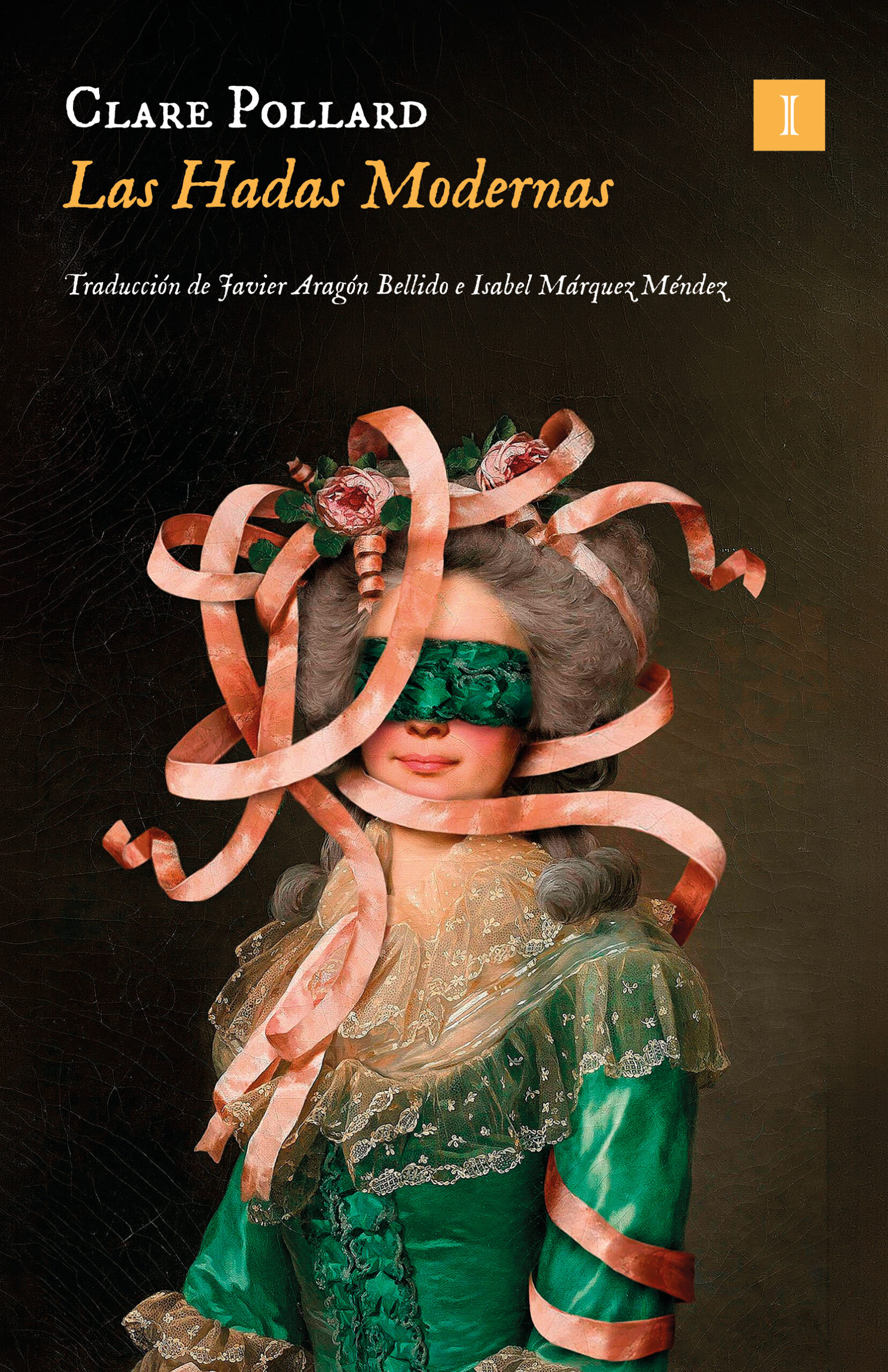
Asked about what kinds of stories ended up being forged in these cenacles, the novelist believes they may be precursors to tales such as Cinderella, as we know them today, because “they brought plot twists to some narratives and also prompted these stories to be written down for the first time.” She concedes that although they did not denounce patriarchy as it can be done in the 21st century, Pollard argues that they did not overlook the “negative experiences” that could occur due to the king’s interference or the dynamics between men and women. “It’s curious that Disney later chose to punish the stepmother rather than the king. They also had one of their stories where a woman saves the male protagonist, whereas in all the stories the man is the one who saves the woman.”