
To commemorate the 90th anniversary of the Civil War, José Ángel Mañas recreates in Zenda, day by day in this section, what happened in 1936, perhaps the most pivotal year in all of Spain’s recent history.
Monday, October 5, 1936: Talking with Companys
Another one of the important interviews took place in Barcelona and was written by a Spanish journalist, perhaps the era’s finest chronicler: Manuel Chaves Nogales.
—I come from Madrid, Mr. Companys, with the intention of conducting a series of interviews that we will publish in my newspaper and that I will collect afterward, if I can find a publisher, in a small book. It seems important to me that the Republicans of Madrid understand what is happening in Catalonia, that they better grasp your figure. I sincerely believe that the misunderstanding between these two cities is one of the factors that leads the Republic toward disaster.
—I could not agree more, Mr. Nogales.
—First of all, I am surprised and surely anyone who has been fed by what a certain press says about you would be surprised to see you in person.
—Why? What do they say about me?
—His critics think he is an ignorant politician and a furious enemy of Spain. His followers see the apostle of noble causes, an example of self-denial and sacrifice, a man of ascetic life and a loyal servant of Spain. They are two extremes, and I would like to present a reasonable image of your figure.
—You, who have treated me somewhat, what is your opinion?
—I thought so as I came to this palace of the Generalitat. I believe you have the sympathy of the Catalans, who are extreme in everything: the fool is more foolish than anywhere, the diligent more diligent, the criminal more criminal, and the intelligent more intelligent…
—I suppose I should thank you.
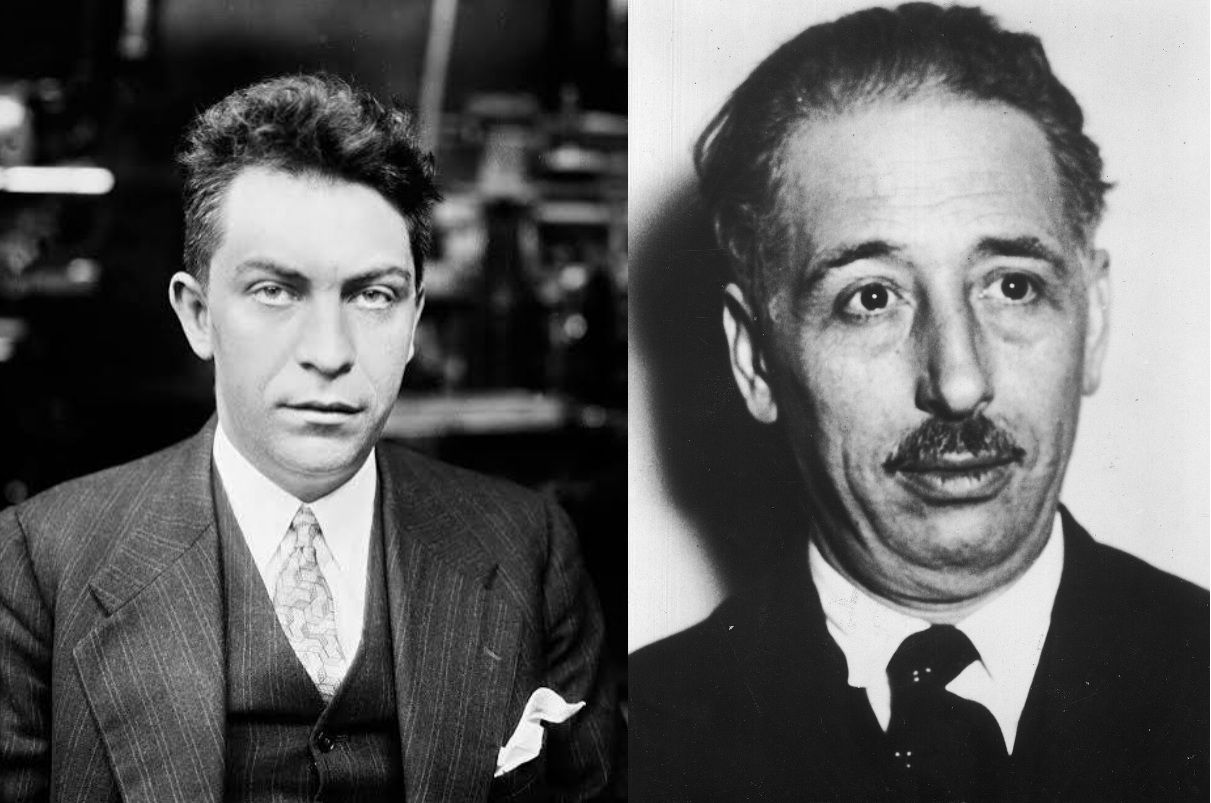
—I think appearance helps. You are a slender man, with sound features, clear expressive eyes, and an open smile. Your manners are almost youthful, and that is despite being well past fifty. If I’m not mistaken, as a boy they called you Little Bird.
—Indeed. For how much I moved about. I was restless. People considered me a harum-scarum youngster, scatterbrained.
—Today you do not seem restless but elegant. And it’s not the clothes. The time I visited you in prison you wore a single suit, the same one you wore when you traveled to Madrid to negotiate the Statute. But even full of rags, you have the bearing and manners of a dandy. And of course it’s impossible to speak of Companys without mentioning the silk handkerchief protruding from the breast pocket. You may lack food and sleep, but not the handkerchief. It is a complement to your personality. Some think that in that handkerchief you are all of a piece. White, clean.
—You flatter me excessively, dear Nogales. I am waiting for you to pull out the sting that necessarily must come after. Let’s see!
—There is no sting. I say what I think. It would be hard for me to find charm in a man who does not breathe kindness, or attraction in someone whose soul is poisoned. You are sardonic, with a sense of humor, a good deal of seny. But you lead the Generalitat at the most dramatic moment in the history of Catalonia, and it remains to be seen whether charm is enough to measure up. The first thing I would like to know, if you permit me, is: to what extent do you command the Government of Catalonia, given that you are caught between two fires? How do you get along with the anarchists and with the Madrid Government? How do you handle that hurricane that is the spark of Franco‘s uprising?
Toutes les entrées de 1936 día a día
Entrevista con José Ángel Mañas sobre 1936 día a día