
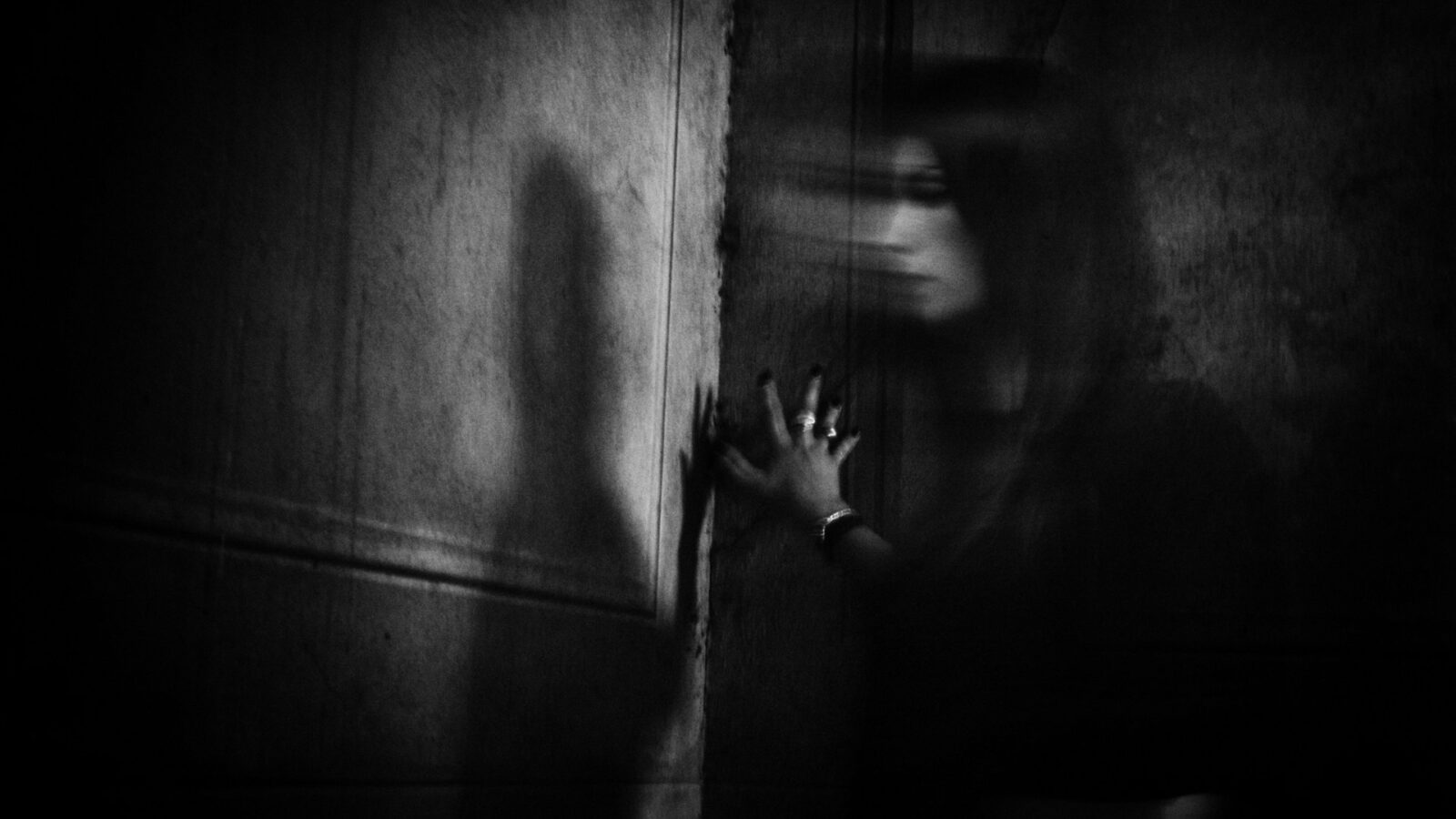
All the elements of a micro-fiction are decisive. We believe so. The title, the voice of the narrator, its point of view, the ending, with its twists or its new dimensions, or the skill with which part of the content has been kept back… Strategies of condensation. More precisely, virtues. Nothing is superfluous. We believe.
That concentrated style is evident in one of the famous micro-stories —four conclusive words after the title—, “Reincarnation,” by the Mexican Agustín Monsreal: “Damn, another dog!” We imagine behind that exclamation the sorrows and vexations or impatiences that the poor hound will accumulate again when starting another life in that condition. And the prior lives it will have traversed without barking.
Also interesting is the narrator of «Ángel de luz». He tells in first person, suddenly participates in the story he is conveying, but we suspect —we believe— that his gaze does not see everything and does not know what others think. Yet what he asserts is stated with absolute naturalness. Do readers accept, from the outset, that situation as something ordinary? Will he think the same when he reaches the final, forceful line? Upon rereading, will those nuances of “pity,” “reproach,” or “dead” serve a different function? What could divide that final wall? What ways of time, of the before and after, does death raise in certain houses?
One of the narrative successes is to present the narration as a direct dialogue between the two brothers. The story advances, thus, without explanations from the narrator; the colloquy injects naturalness, speed, and above all contrasts two possibilities, two perceptions of what is real or what we consider real. In the room or in another dimension that does not separate the wall so much? They will not be clarified, ultimately, to the readers. And the swirl of the final action, that movement through the air —a new achievement— makes the ending capable of multiplying.
Those intense lines raise themes that are linked to the resistance of the bonds of affection and their heirs. That is why they are associated with death and the existence of a possible “afterlife.” The blur of the border between the living and the dead, which here seems to become porous, permeable. The plot twists that refine what we do not always see in reality, in a “familiar” reality, in “the still closer here”: what is impossible for one character may seem completely normal and transparent to another. There you glimpse the narrator’s naiveté —or ignorance or uncertainty— about his own situation. The reader can interpret it by altering expectations: do we accompany a living person who verifies that his dead mother is there, or do we instead discover the presence of nearby spirits? Does the narrator’s reality coincide fully with his sister’s? What message does that angel in the title radiate? To whom is it addressed? The importance of a mother is always significant. How much the ending that is not the end sheds light in retrospect.
In December of last year, Don Agustín received “the highest recognition in Mexico for those whose work and career have made transcendent contributions to culture in the fields of linguistics and literary writing”: the National Prize for Arts and Literature 2025.
He knows that humor is essential, not the roar of laughter. A thread of memory carries a piece of advice given by Augusto Monterroso: “One should aim that between the stiletto (in the form of prose) and its appearance there is barely a drop of blood, even if inside it causes a hemorrhage.”
In a recent interview he stressed the Mexican short story writers with surnames starting with R: Julio Torri, José Revueltas, Monterroso, Juan José Arreola, Juan Rulfo, Inés Arredondo, Elena Garro… Monsreal —to add my own note— also carries inside him that voice that narrates and tightens the air until it escapes from the center of the mouth, strong, vibrating.
***
Angel of Light
“Mom is in my room,” I told my sister. “She says she wants to talk to you, that you should go.”
My sister looked at me with pity, though also with reproach.
“It can’t be,” she answered. “Mom is dead.”
“I know, but there she is. Come see.”
“Well, alright. Let’s go.”
And we walked through the wall, holding hands. ■
The Short Story, Magazine of Imagination, Era 2, no. 129-130, April–September 1995, p. 107 and in Minificciones. Personal Anthology, Fictica, Mexico, 2018, p. 18