
While the Black Death devastated Florence, and Europe surrendered to one of the greatest catastrophes in its history, Giovanni Boccaccio decided to begin telling stories. Not sermons, not exemplary lives, nor treatises on the salvation of the soul. Tales of love, adulteries, jests, deceptions, carnal appetites, and women who knew exactly what they wanted. In the mid‑fourteenth century, when death seemed to have the last word, the Florentine writer granted desire its reply.
There is something extraordinarily modern about that decision. The ten young people who shelter in a villa to escape the plague are not merely seeking to save their lives. They want to continue living. And for that they need stories, beauty, conversation, and pleasure. The Decameron is, above all else, a formidable declaration of love for existence.
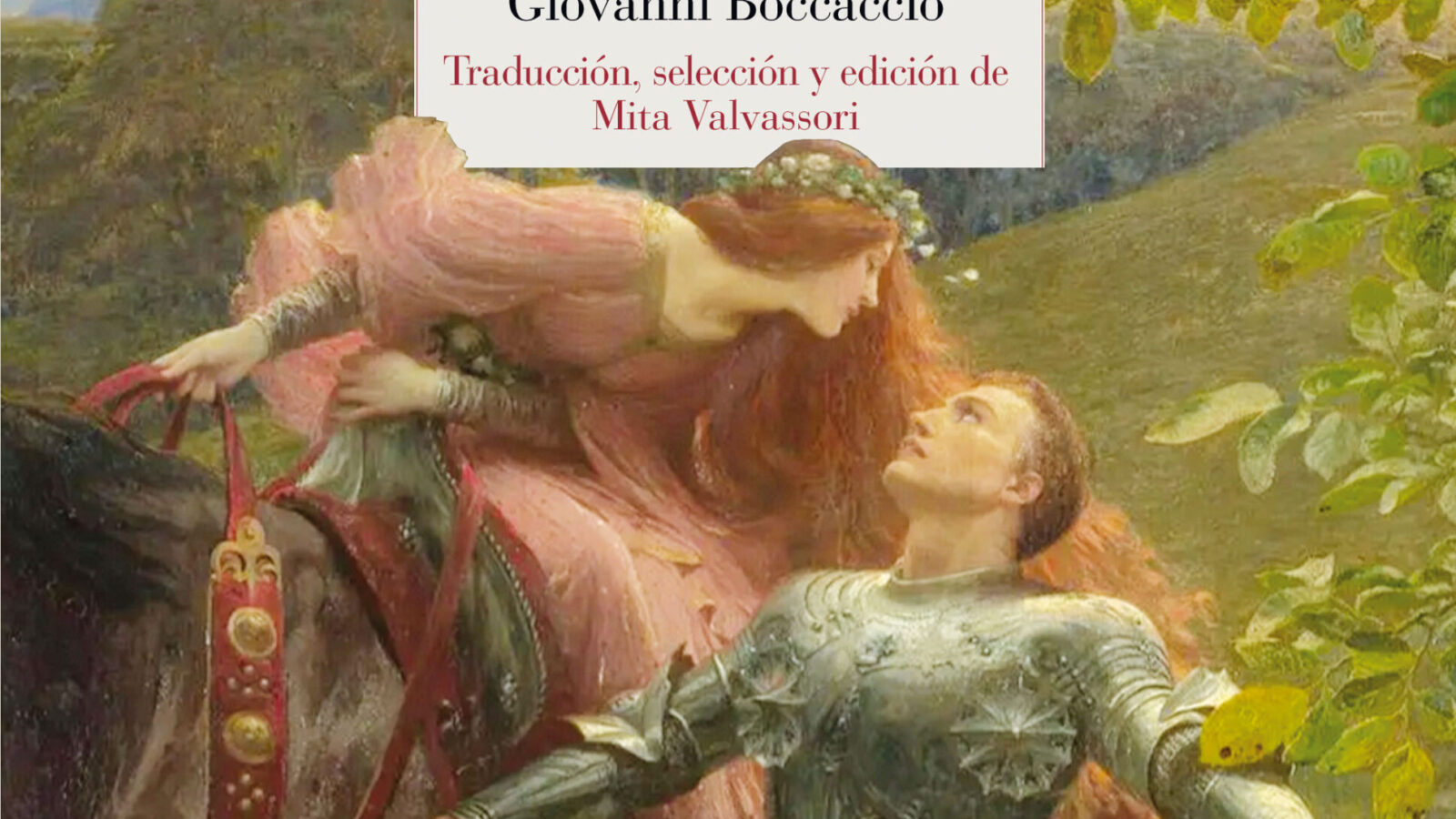
Reino de Cordelia has just published a particularly beautiful edition of this immortal work. Mita Valvassori has selected and reorganized some of its one hundred tales around a matter as ancient as humanity and as uncomfortable for the guardians of morality: female desire. The result is a fresh reading of a classic we thought we knew, and which, seven centuries on, still retains a surprising ability to scandalize.
The women of Boccaccio desire. And they do not limit themselves to waiting for someone to desire them. They choose, seduce, deceive, err, take the initiative, and, when circumstances demand it, display an intelligence far superior to that of the men who seek to govern their lives. They are wives who are unsatisfied, clever lovers, young lovers, widows and women who discover that there is a substantial distance between the virtue they are preached and the happiness they pursue.
Boccaccio does not need to turn them into exemplary heroines. That is precisely where his greatness lies. He grants them something far more interesting than perfection: humanity. His protagonists can be generous or cruel, faithful or adulterous, prudent or reckless. But they are rarely boring. And none seems willing to renounce pleasure simply because they were born a woman.
To this celebration of freedom is added another of the edition’s great achievements: the illustrations. The reproductions of paintings, mainly Pre‑Raphaelite, establish a fascinating dialogue between two eras separated by five centuries. The women Boccaccio imagined in the Trecento find an unexpected reflection in the female figures of nineteenth‑century painting, with their interminable tresses, melancholy gazes, and sensuality carefully wrapped in symbols, flowers, and velvets.
The paradox is delicious. While Victorian painters recreated a Medieval era of idealized beauty, Boccaccio had described something far more carnally bold, unblushful, and playful. Beneath the delicacy of those images lie the same desires that his characters pursue with little scruple.
This edition also shows that classics do not need to be modernized to feel modern: it is enough to know how to open them at the right page. Boccaccio understood, seven hundred years ago, something that still fuels endless debates today: that women’s desire is not an anomaly to be explained, corrected, or punished, but one of the most powerful forces of life. And that, when death knocks at the door, it is always preferable to welcome it after having listened to a good tale. Or after having lived one.
—————————————
Author: Giovanni Boccaccio. Title: Women and Desire in the Decameron. Translation, selection and edition: Mita Valvassori. Publisher: Reino de Cordelia. Sales: Todostuslibros.