
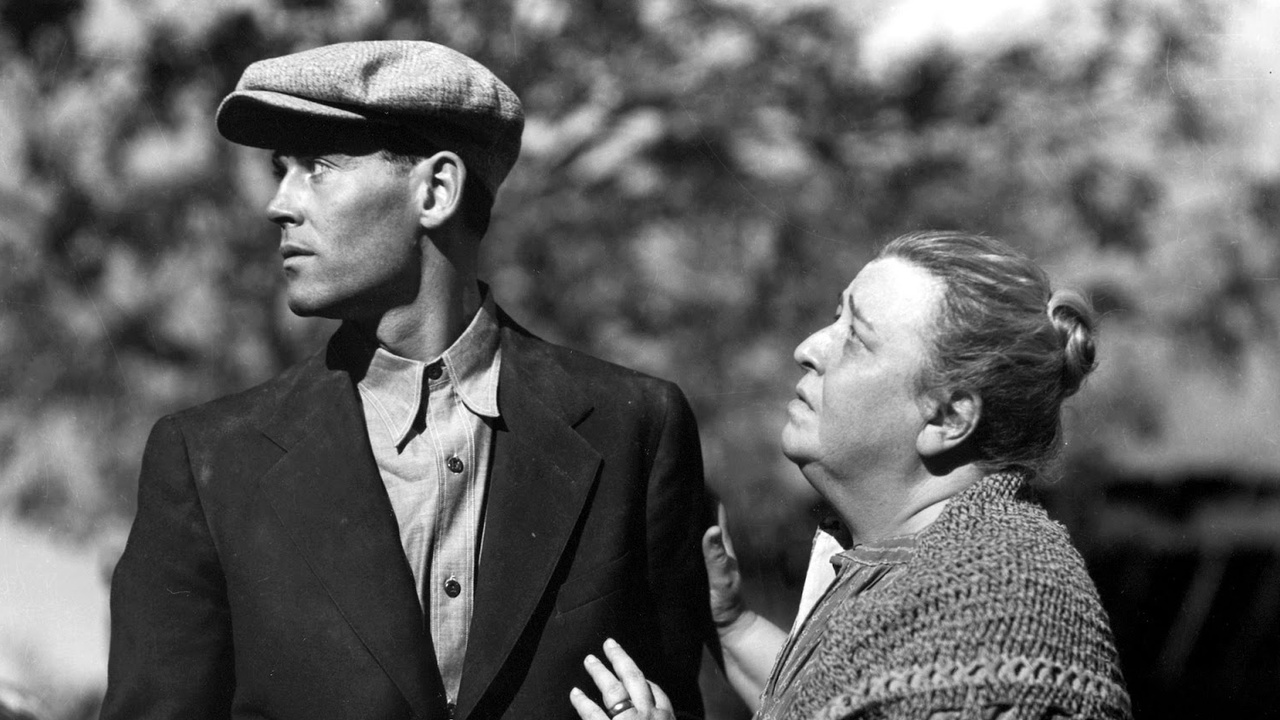
There are books that change your life and books that extend it without permission, and The Grapes of Wrath is the second: six hundred pages that feel like a shabby bus trip through Oklahoma with the heating broken, no radio, and a guy preaching in your ear. Steinbeck had a superb idea, that the poor suffer and the rich are a bunch of sneaks, and he delivered it so well in the first fifty pages that the logical thing would have been to close the book, give each other a hug, and go home. But no, the author decided that such a good idea deserved to be repeated two hundred times, with different voices, in different moods and, when there was no one left to persuade, in poetic chapters so that the guilt would reach even the turtles.
Because let’s talk about the turtle. An entire chapter devoted to a reptile crossing a road, with more dramatic tension than the rest of the Joad family put together. You arrive there hoping something will happen and you’re met with a La 2 documentary at midday, with the narrator whispering and the creature moving at its own pace, which is the pace of the entire novel. I learned three things: that turtles are slow, that trucks are fast, and that sometimes Steinbeck got paid by the page. And the intercalated chapters, those solemn essays with an Old Testament voice, function like the ad cut in the best part of the movie, only the ad lasts twenty minutes and speaks of soil erosion with prophetic intonation. And it doesn’t please me, honestly. Or barely anything.
The characters are another festival. Ma Joad is so holy, so steadfast and so perfect that you want to beg her to be wrong at least once, with the salt or with the change of the purchase, for narrative hygiene. Tom Joad goes from a thug with a rap sheet to the Che Guevara of Oklahoma in the time it takes a chapter to turn the page, without passing through any intermediate phase, like someone who gets the moral-leader license by mail. The preacher Casy appears, spews doctrine, is killed with exquisite punctuality, and leaves the baton for the protagonist to pick up and wave with fury. He is one of those great characters of universal literature with a contract that says “you will die the moment you stop being useful.” And the grandparents fall like flies, without drama, with the efficiency of a layoff.
The symbolism, of course, isn’t symbolism; it’s an anvil assault. There are oranges burned with kerosene, fruit rotting on the tree, grapes filling with wrath, storms, floods, dry soil, wet soil… If Steinbeck had one more symbol, he would have needed an extra truck to transport it. One wants the author to let him breathe, to discover something on his own, to feel a touch of mystery, but no: you explain everything to them, you repeat it, you put it in italics in the soul and then you ask if you understood. Yes, Juan, I understood it, I understood it on page fifty and on page one hundred fifty and on page three hundred, and I’m still understanding it, thank you, leave me alone. Damn.
And the ending, oh, the ending. After eight hundred miseries and a couple of funerals, the author closes the book with a scene so symbolic, so abrupt and so inexplicable that it seems someone told him “you have one minute to finish” and he replied with the first thing that came to mind. They leave you standing on the last page like a guest who’s been kicked out of the party without notice. People will call it profound. I say it’s as profound as a pothole: it jolts you, leaves you disoriented, and you don’t feel like repeating the experience.