
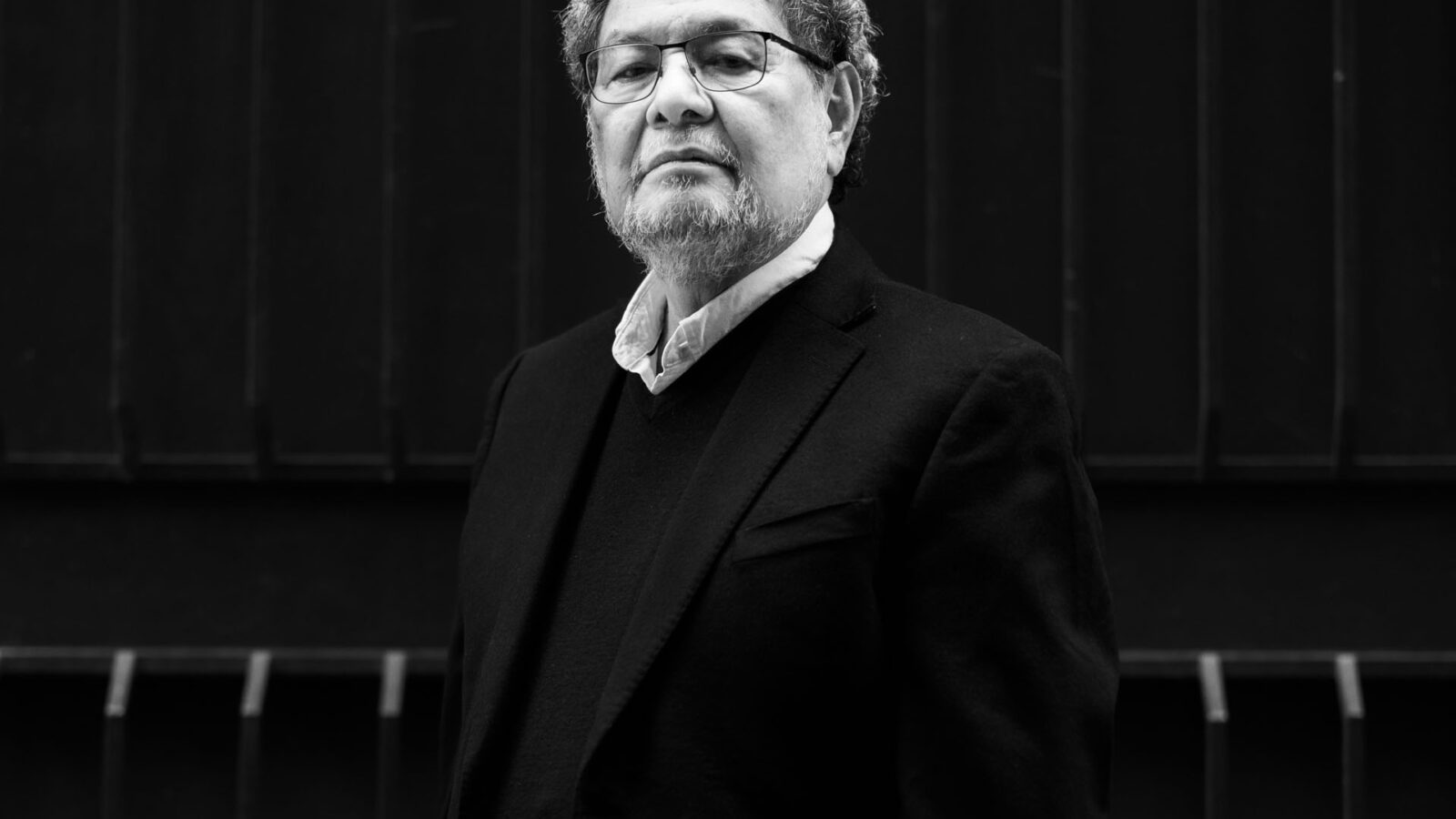
We were told by his wife: Leonor Quijada, Élmer Mendoza (Culiacán, Sinaloa, 1949) learned to read at ten, like Saramago. When he decided to become a writer, the creator of the Zurdo Mendieta “didn’t have a plan for what he wanted to tell”; by the fifth novel, he realized that all of them were connected to violence. “That’s going to be my theme —he concluded—, my territory”.
He continues treading that same territory —if it works, why change?— in his fourteenth novel, The Mermaid and the Retiree (Alfaguara, 2026), which he presented this Monday in Madrid alongside Arturo Pérez-Reverte. In it, Mendoza tells the story of Carmen Larrañaga, a woman who, at a very young age, was handed over to a drug lord —a not uncommon occurrence in Sinaloa—, she escaped, entered politics, was rejected by her own people —the Democratic Party of the Good People—, she was shot twice, and, far from being cowed, faces it with the help of a retired museum guard and the group of former colleagues of this man, called the Aguijones. As readers can imagine, we are far from talking about altar boys of Father Ángel.
The publishing director of Alfaguara, Pilar Reyes, introduced the Mexican novelist and highlighted his “enormous prominence” in Mexican narrative and in crime fiction, as well as his writing “with many risks”: “Despite changes in viewpoints, of narrators, one never loses track.” For his part, Pérez-Reverte noted that Mendoza “isn’t just a Mexican writer: he is THE Mexican writer.” According to the author of The Most Dangerous Hypothesis, his “carnal” side carries the plus of mastering the fascinating Northern language, in which Spanish and English swirl, spoken by drug traffickers and peasants, and which he brings to literature by turning “Northern slang into a language that can be academically codified.” “He belongs to that world,” the scholar continued, “the drug dealers respect him; he tells, he does not judge: goodness and evil in that world are relative concepts.”

Mendoza lives in a place where violence is the daily bread, so his sense of justice is striking: “Our city, our region, now, is chaos.” He rejects literary militancy and believes that “literature cannot commit itself to anything… except itself.” The key, in his view, lies in not being afraid: “I must not inhibit myself, nor, much less, terrify myself. If across the street they burned a house because they suspected someone lived there, I say: “Come on, we can help them, but, I’m sorry, I’m not going to get emotionally involved. I am writing a novel.” The novel is an art. I work seven or eight hours a day, I am a craftsman of this.”
How is —Zenda asks— the Democratic Party of the Good People? What is the Good People in a world where evil and good are such fluid concepts? The author’s answer: “Current politicians always speak this way, about the Good People. They stand with the Good People, they define what it is. What I did was make an ironic remark about that designation. To the politicians who read me, it gave a lot of laughter.” He believes the war against the narco is lost: “Those wars are not won by anyone.” “With Sheinbaum,” he added, “the war is going badly for reasons I cannot easily explain.” To those who understand, etc.
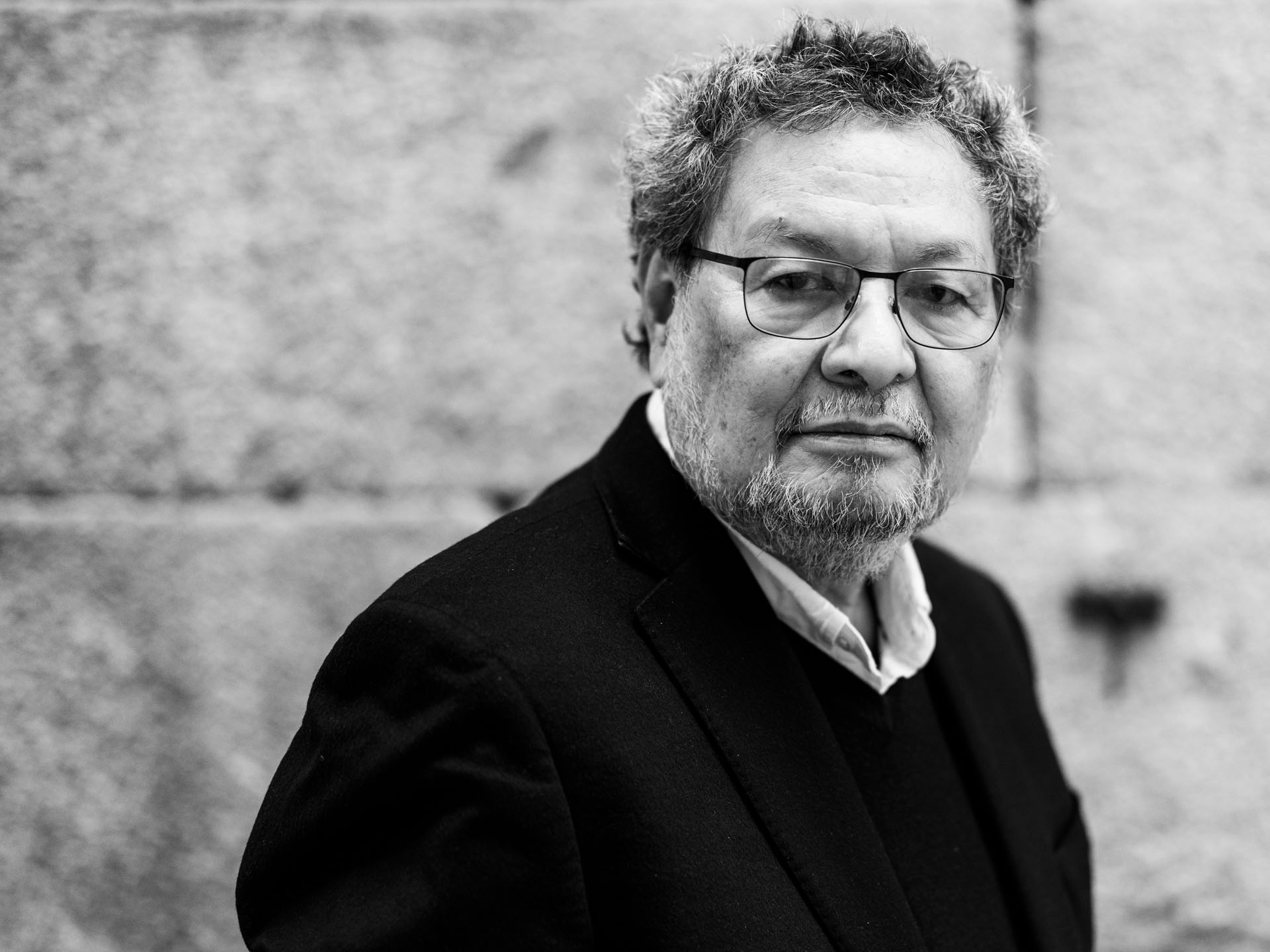
Zenda asks again: “Have you seen more loyalty among the narcos or among the writers?” Mendoza’s answer: “I think neither. I don’t know, the writers who are loyal are really small in number.” And the narcos? “They used to have a certain sense of loyalty; since their elders disappeared, the young people started fighting for power and everything became terrible.”