
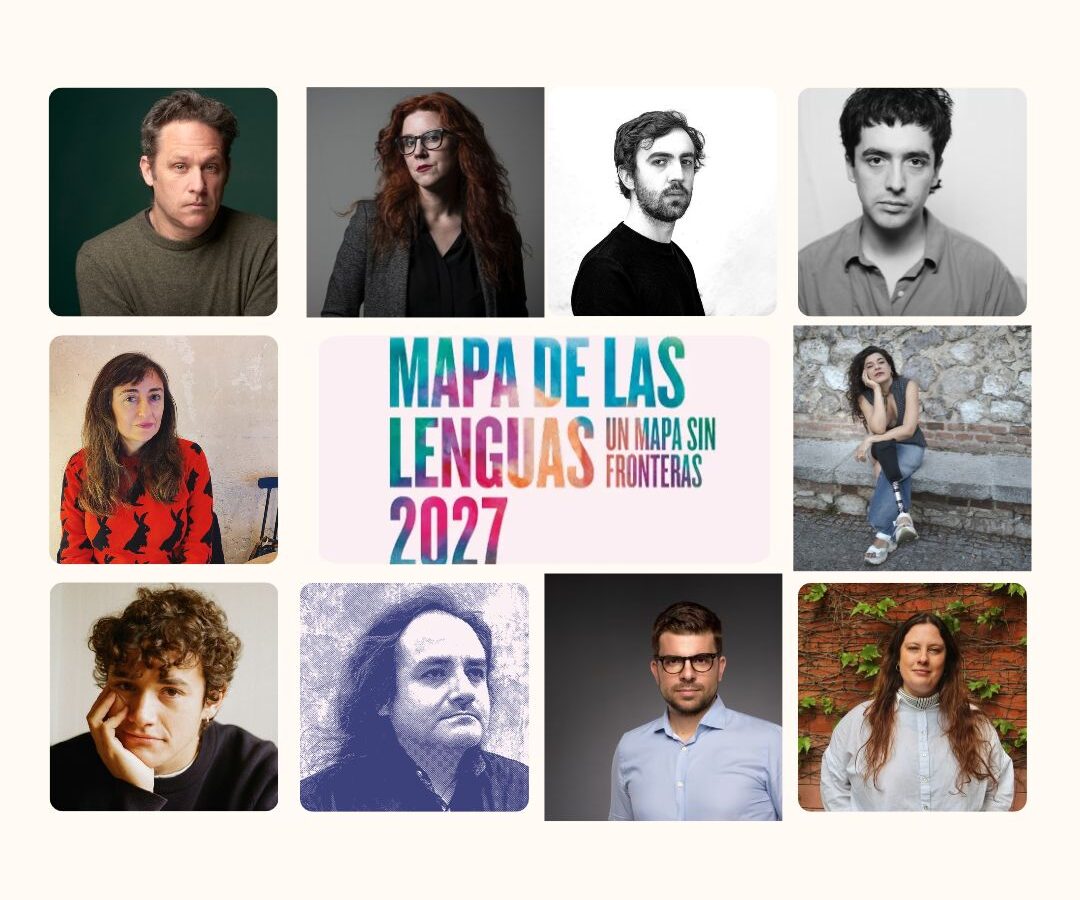
***
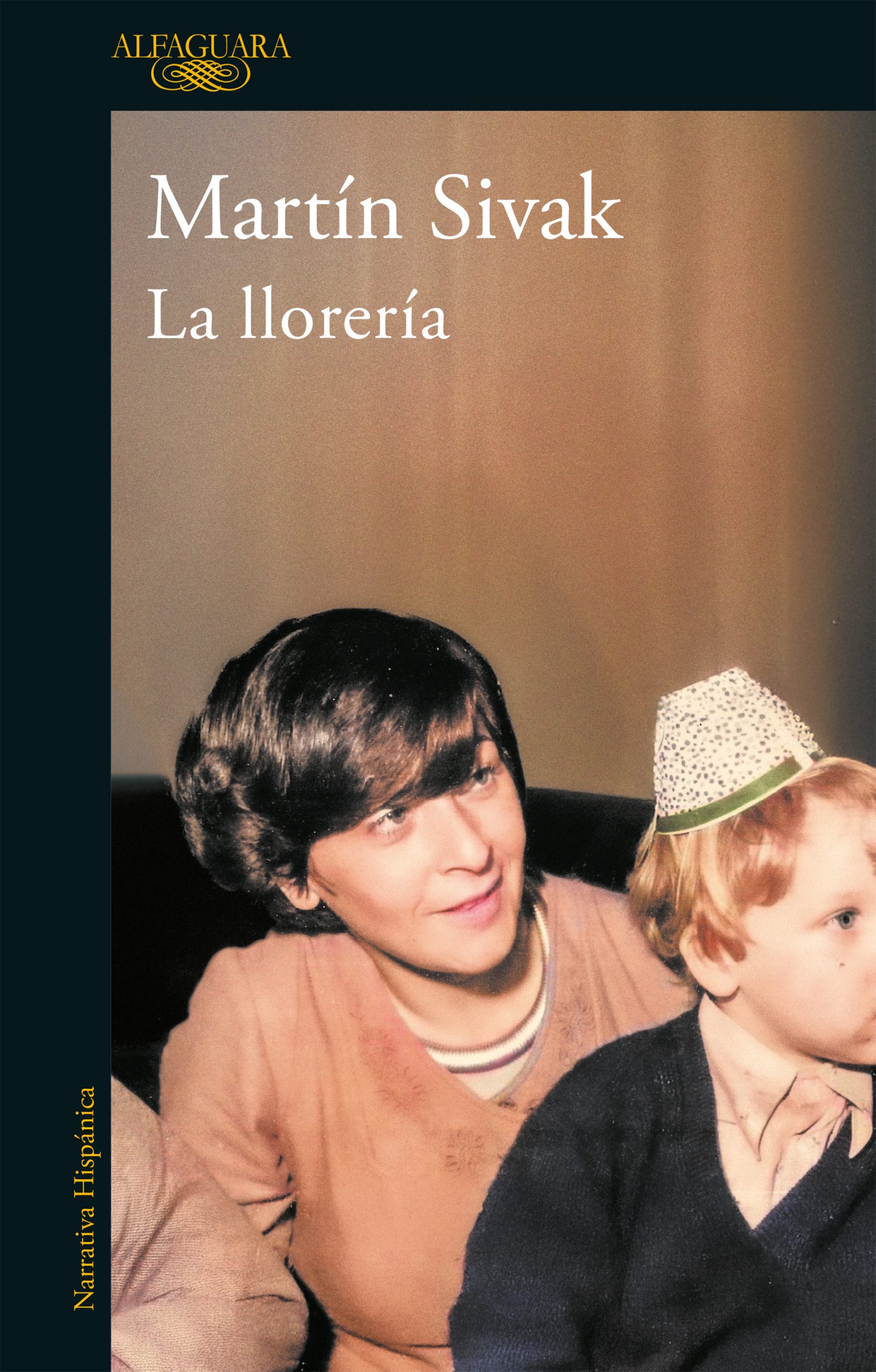
MARTÍN SIVAK

Martín Sivak (Buenos Aires, 1975) is a sociologist by training (University of Buenos Aires) and holds a PhD in the History of Latin America (New York University). He works as a journalist, university lecturer, and editor. He published The Assassination of Juan José Torres (1997), The Elected Dictator (2001), The Doctor (2005), Santa Cruz: A Thesis (2007), Big Boss: An Intimate Portrait of Evo Morales (2008), Clarín. A History (2013), Clarín. The Magnetto Era (2015), The Leap of Dad (2017), and Vertigos of the Unexpected (2024). His work has been translated into English, Chinese, French and Italian.
The Weeping (February 4, 2027)
An intimate and brutal book about love when love has vanished, about friendship as redemption and solace, and above all, about the craft of narrative as refuge and an irresistible impulse.
Without warning, without the shadow of a signal, a man is abandoned. On the other side of his door the sun rises, people celebrate Christmas, and his son learns to swim, but for him there is only confusion and heartbreak, sleeplessness and weeping. The vital impulse reminds him that he has already survived heartbreak, and the man begins to probe that memory as an object by which to float after the wreck. The memories arrive with their extraordinary context: a year-long journey through Latin America, from Argentina to the southern border of the United States, with an English documentarian who seems fearless of anything, in search of social conflict and entertainment. And in the midst of that adventure, because life does not spare, illness and the death of his mother. Each grief reopens the past, and in that process the pain finds its own unique way of encoding itself. In The Weeping there are tears and romantic illusion, but also other forms of emotion and love, such as friendship and family. Sivak recounts them with the intensity and beauty that were evident in The Leap of Dad.
WHY READ MARTÍN SIVAK
The Weeping is, in part, the diary of a breakup. Martín Sivak wrote for years to keep despair at bay, defeated and by literary vocation, recording what they did together, the last times, the gestures in intimacy, to hold on to all of that and make it endure. But this book is also the diary of an adventure, the one he undertook in 2002 with Sean Langan, an English journalist who, like much of the international press at that time, came drawn to chaos and local crisis. Together they traveled through parts of Argentina, Bolivia and Venezuela, met people, faced dangers and made friends. In the line of authors such as Carrère or Knausgård, Sivak delved into biography, but also into a era, and wrote a diary of tears, a story of grand romances; an intimate and brutal document about love when there is no love, about friendship as redemption and consolation and, primarily, about the irresistible urge to narrate as refuge, as a way of life. (Magalí Etchebarne, his editor in Argentina).
*
ELVIRA NAVARRO
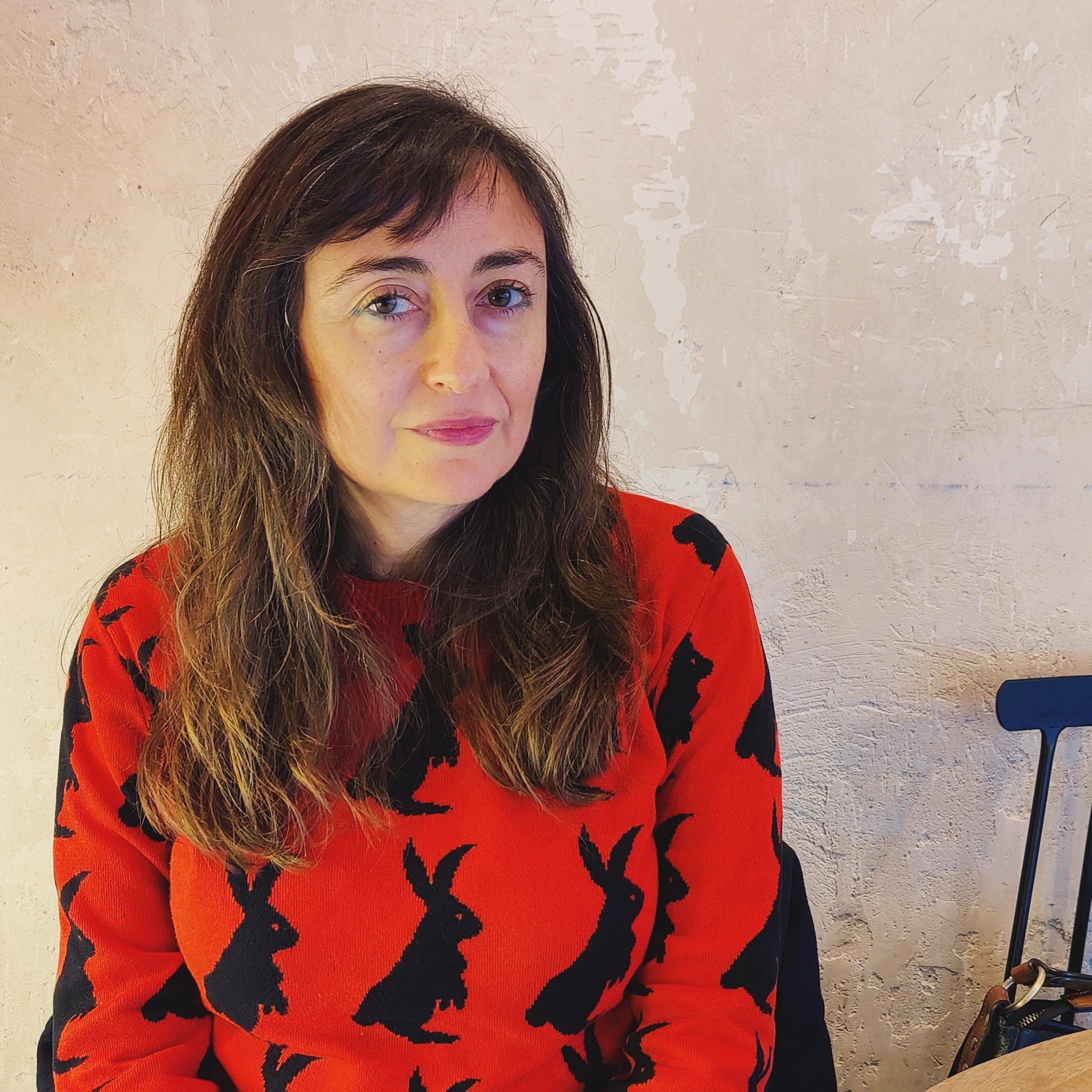
Blood is Falling into the Courtyard (October 2025)
A family moves to a half-built house before the pandemic erupts, and in that unfurnished home indifference begins to govern relationships. A highway maintenance worker fills his apartment with animals he picks up along the road and turns his home into a peculiar zoo. Recently separated, the guard of a home-owners’ development endures auditory hallucinations. A woman discovers that her washing machine doesn’t wash with water but with blood; and another, after declaring bankruptcy the butcher shop inherited from her parents, must gradually relinquish the humble family legacy and, with it, the people she loves.
These nine stories are led by men and women left to the events that overcome them. Their world is one of precarious jobs, towns in the middle of nowhere, empty housing developments and cities that are nothing more than blocks of concrete whose outlines Elvira Navarro distorts with subtlety, endowing the real with a strange consistency, right at the edge of a nightmare. In an almost imperceptible way, what is unsettling infiltrates these lives through isolation and the bonds that are recognized as broken when there is little left to do.
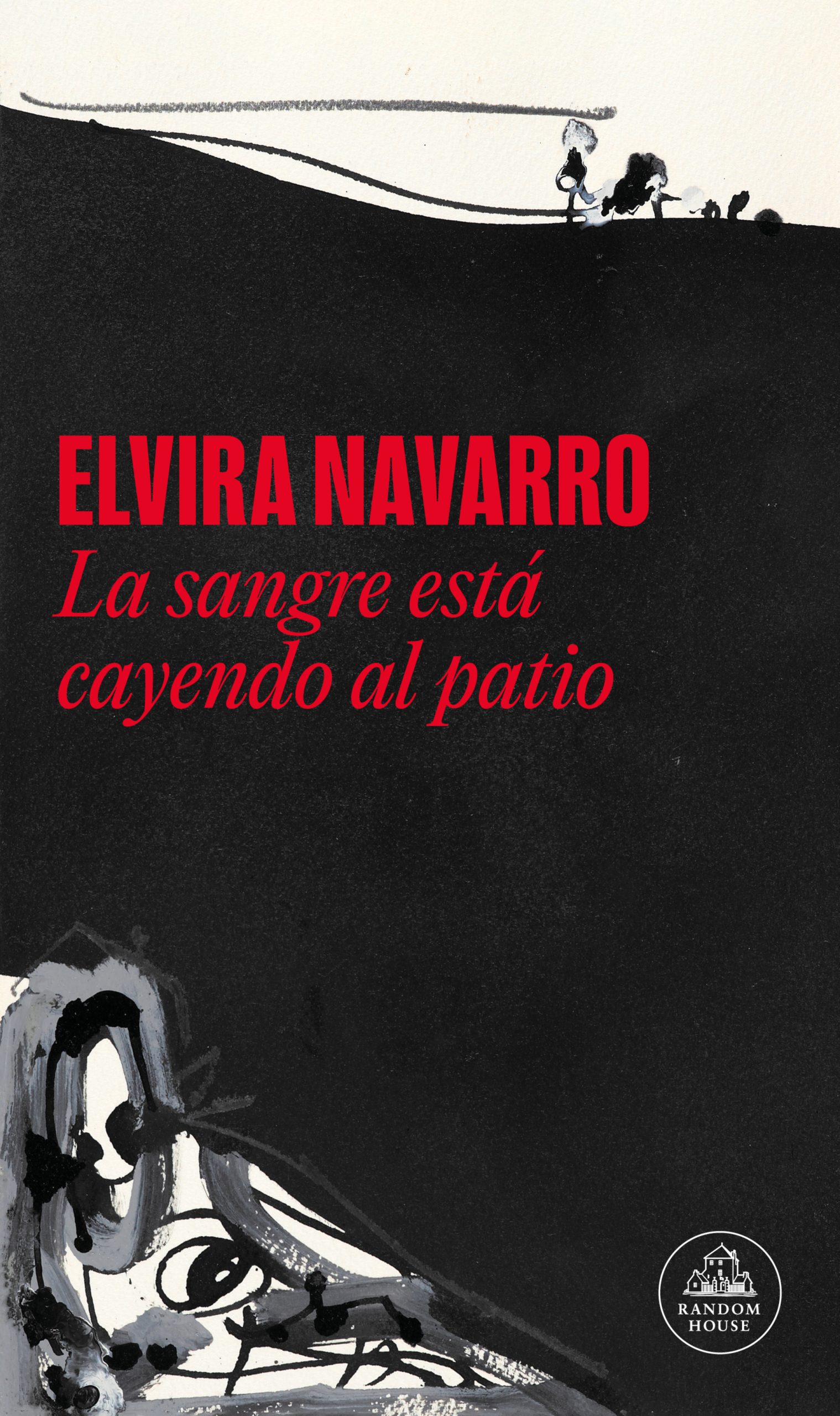
WHY READ ELVIRA NAVARRO
Elvira Navarro delves into the darkness of characters threatened by madness, violence, precarity and social exile, with precise, nuanced writing and enveloping, hallucinatory and relentless plots. These nine stories reveal the tumultuous and merciless world of our era, but also disclose a sinister and strangely beautiful reality: decaying cities and intricate human relationships that toy with the bizarre, the terror and the fantastic, plunging us into an unforgettable, mysterious and obsessive atmosphere, sometimes cruel, always hypnotic and moving. (Albert Puigdueta, her editor in Spain)
*
ALONSO BURGOS

Alonso Burgos (Ciudad Satélite, 1995) studied Comparative Literature and Political Science at the Free University of Berlin from 2015 to 2019. He is currently a doctoral candidate in the Department of Comparative Literature at Princeton University. He has worked as a research assistant and teacher at higher education institutions in Mexico, Germany and the United States. Alongside his academic work, his creative output has focused on writing and various musical projects. His work has appeared in Revista de la Universidad, Alba Magazin, La Liebre and other print and digital media. In 2019, he published the short story collection Nada más que diablos (Ilíada Ediciones).
Satélite (March 4, 2027)
During a Christmas vacation, Dante returns to Mexico City after years in Berlin and reconnects with Diego and Malina, his high school friends. After a dinner, they roam the streets of Satélite at dawn in an old Cadillac, between music, partying and dark omens. While driving, the present intertwines with memories: childhood and adolescence, an apartment in Berlin, encounters with other Latin Americans, traces of a German past, an earthquake that shook Mexico, a love that blossoms among the rubble and then withers in the distance. With a prose that flows like a stream of consciousness, Satélite explores belonging and uprooting: the tireless search for what we were and a glimpse of what we can become today.
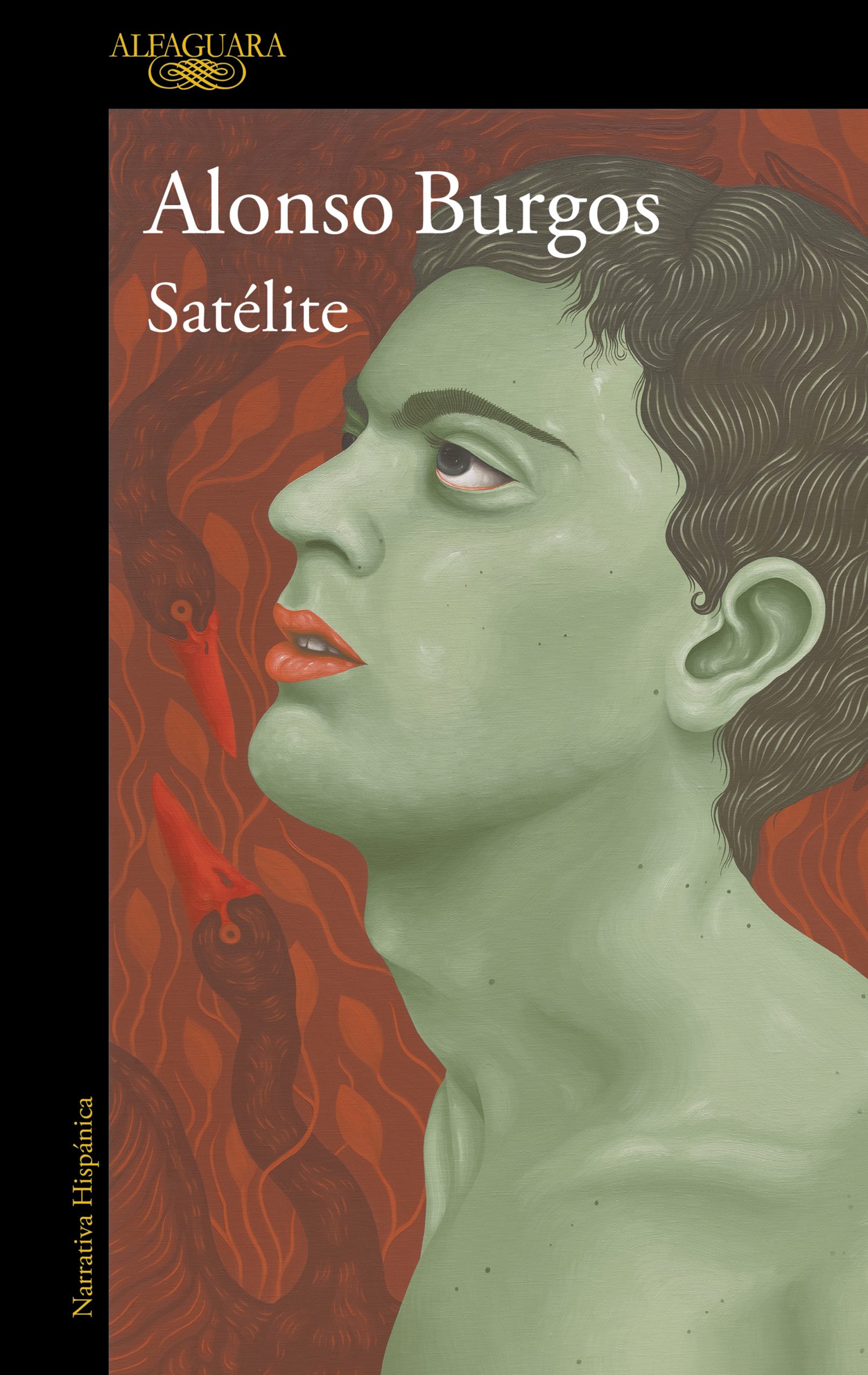
POR QUÉ LEER A ALONSO BURGOS
Alonso Burgos’s unforgettable first novel traces a dazzling orbit through memory, friendship and the echoes of a fractured Mexico. With prose that flows like a stream of consciousness, Burgos invites us on a nocturnal ride in a old Cadillac, where past and present collide under the dim light of an unsolved riddle; between music, parties and various dark omens. From the winding streets of a suburb of broken promises to the most intimate corners of a Berlin apartment, Burgos’s storytelling achieves a delicate balance between the crudeness of reality and the lyrical evocation of dreams, while the tragedy of an earthquake becomes the backdrop to a love that flourishes among the rubble and then withers in the distance. (Nayeli García, his editor in Mexico).
*
RICHARD PARRA
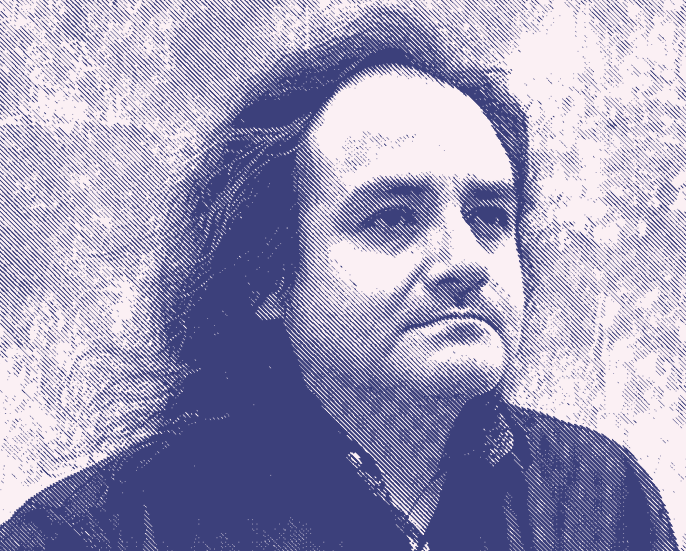
Perros del diablo (July 2026)
Josh Rider, with his bags packed and a job waiting for him in New York, looks to settle scores with the city he’s leaving behind. Among the rubble of the skate park where he used to wander with his friends, he recalls Seymour Nolan, that devoted heavy metal friend, who grew up surrounded by rock, drugs, and long afternoons on a skateboard. Memory rests on his teenage years in Lincoln Park and travels to the September 11th turning point. Those memories, described with a dry, blunt language rich in references to popular culture, music, film, video games, along with stories of famously infamous criminals, compose a portrait of a nation buried in its suburbs, defended by easy-to-fire weapons and fantasies of patriotic redemption that never arrive. In that agony, Josh remembers his friend sinking into a spiral of violence, adrift, toward a cruel and savage climax. Perros del diablo, by Richard Parra, is a rough and ferocious novel about the denied American dream. Uncomfortable and brutal, its pages carry a poisonous familiarity whose light exposes the ghosts of a nation that has made violence its primary language.
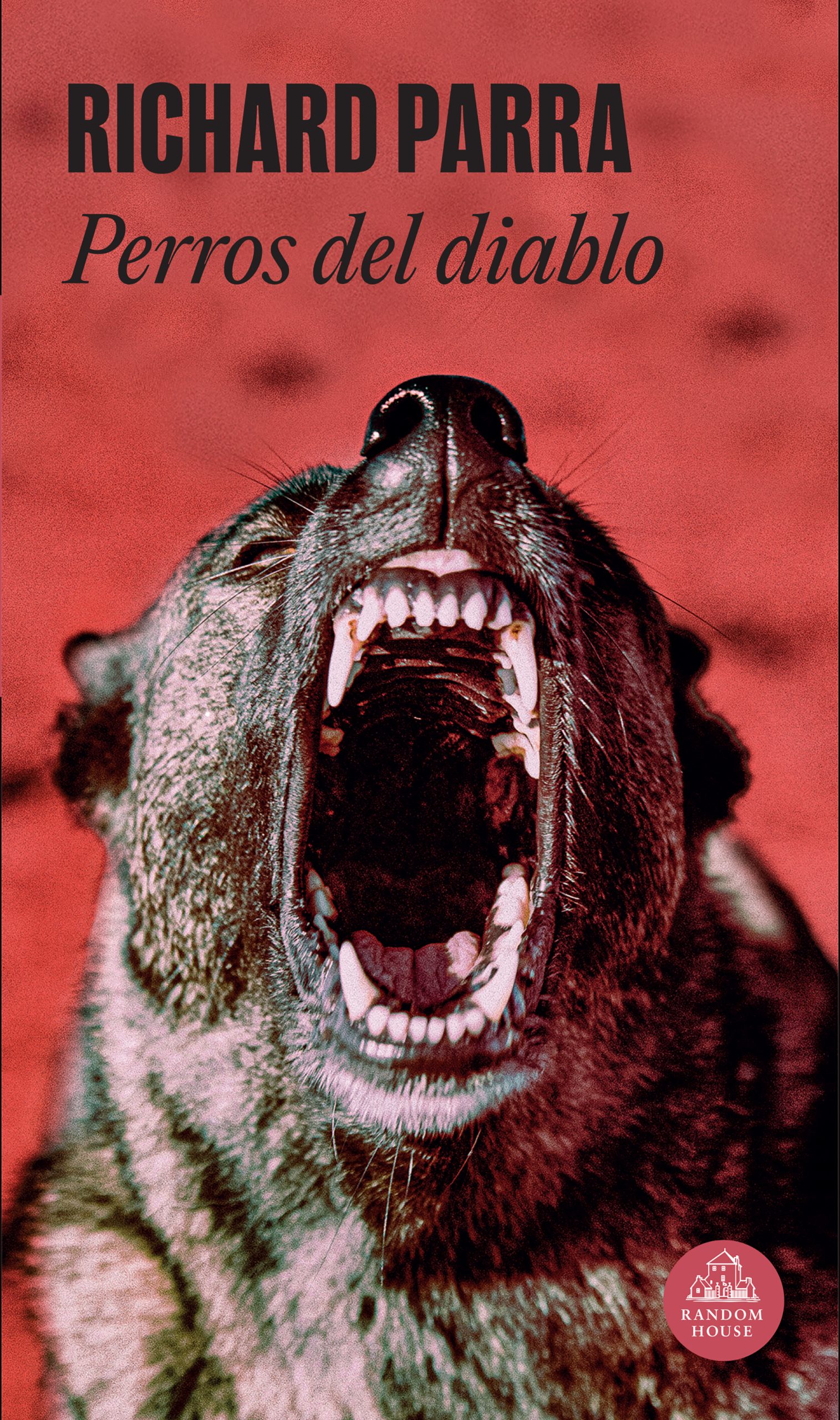
WHY READ RICHARD PARRA
Richard Parra is one of the most radical voices in today’s Latin American narrative. Perros del diablo confirms it. The novel follows the memory of Josh Rider, who reconstructs the life of Seymour Nolan, a childhood friend dragged into violence, resentment and a twisted sense of loyalty. In that story, pop culture, war, crime and guilt stop being mere background and become the moral center of the book. A novel written without excuses or complacency: it confronts violence head-on, aiming at the abyss. Richard Parra’s literature is harsh, powerful, uncomfortable, and essential for these directionless, vertigo-filled times. (Johann Page, his editor in Peru)
*
JOSÉ IGNACIO CARNERO

Los fabuladores (May 2026)
The night of January 22, 1961, twenty-four Spanish and Portuguese exiles hijacked a transatlantic liner in the Caribbean with the aim of launching a revolution to topple Franco and Salazar’s dictatorships. The plan was bold, nearly unbelievable. During the takeover, one crew member died and another was badly injured. The hijackers then decided, according to their account, to abandon the revolution in order to save the life of that man.
This is a real story.
In an exceptional cross-genre blend, straddling adventure novel, journalistic chronicle and biography, José Ignacio Carnero shows his talent and gives us a book full of pace and precision, built around the three protagonists of the hijacking, their exploits, their miseries, their errors and their lies.
Beyond the chronicle of an extraordinary episode, this novel is an inquiry into the power of imagination: that which drives us to act, that can open horizons or blind us. Perhaps there is no more intimate — nor more dangerous — revolution than that of those who decide to believe in their own fable.
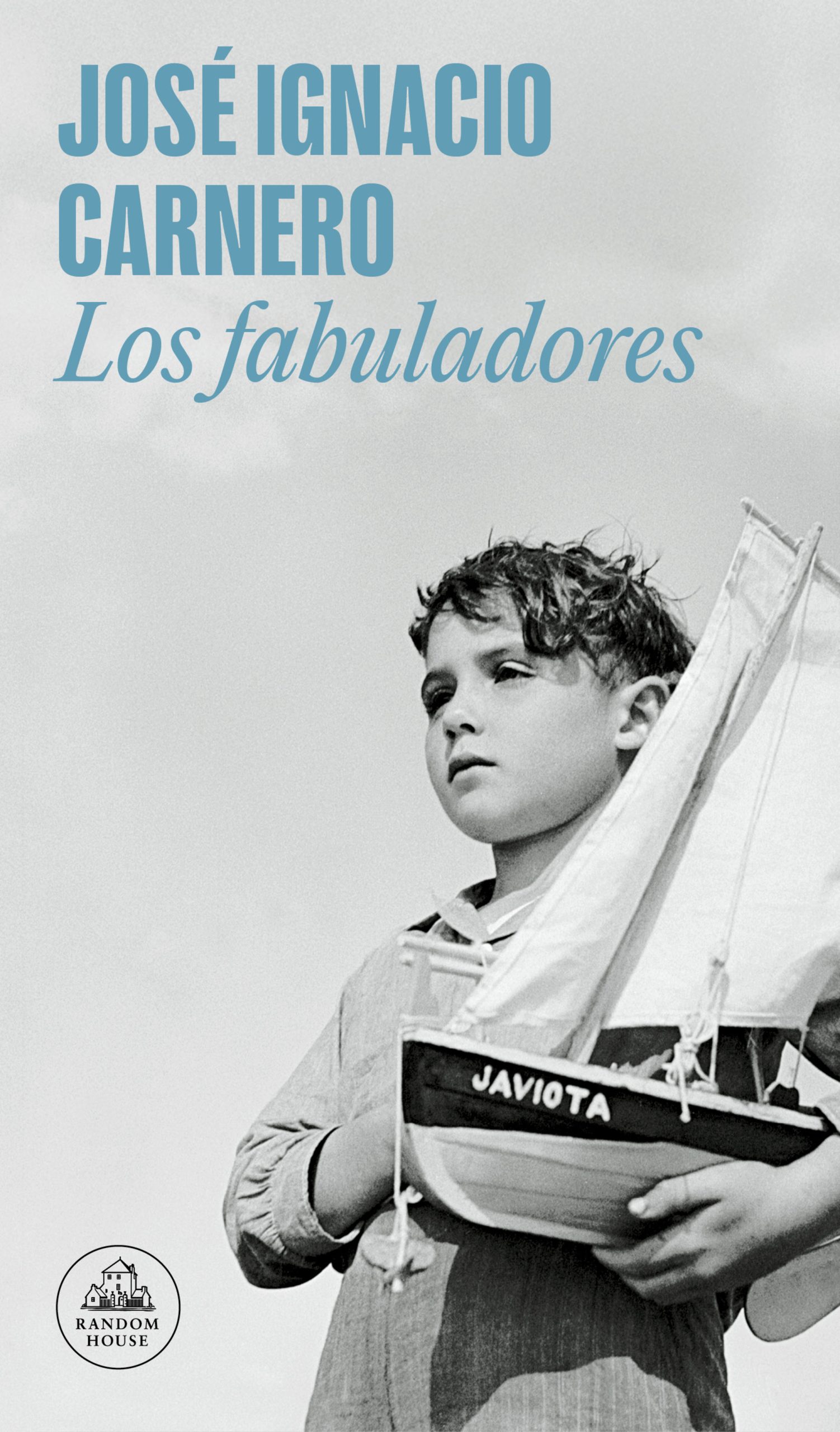
POR QUÉ LEER A JOSE IGNACIO CARNERO
In Los fabuladores, José Ignacio Carnero crafts an exceptional cross-genre work, blending adventure novel, journalistic chronicle, and autobiography. With a frenzied pace, precise prose and extraordinary narrative momentum, he reconstructs the feats, miseries, mistakes and lies of the three hijacking protagonists, in 1961, of the Santa María ship, taking us to that fascinating territory where reality and fiction intertwine. A heartfelt novel about the power of stories, about how they can push us to do extraordinary or terrible things, and about how we all embellish, even when we think we are telling the truth. (Roberta Gerhard, his editor in Spain)
*
EMILIÁNO PÉREZ GROVAS

Demasiado al norte (July 2026)
A man without work moves to a foreign city, forced to live among identical facades and under a cold that penetrates deeper than the skin. While his partner thrives, he sinks into oppressive boredom, where his only certainty is the phone voice of a sick relative. Inactivity makes him an inexorable observer, seeking the flaw in the perfect machinery of the new life.
His obsession has a name: roommate. A man in a wheelchair who seems to know the art of simulation. The suspicion of a lie becomes the sole driving force of the narrator’s life. Every detail, even the drops of urine in the toilet, is a clue that threatens to reveal an unbearably painful truth.
Demasiado al norte is a psychological journey of dislocation. Between hidden family memories forgotten and cinema corridors that feel solitary, the narrator discovers that, to survive in the cold city, he must find a way to adapt. But when the outside lie collapses and family truth emerges from the dead archive, his body will already have paid the price of his denial.
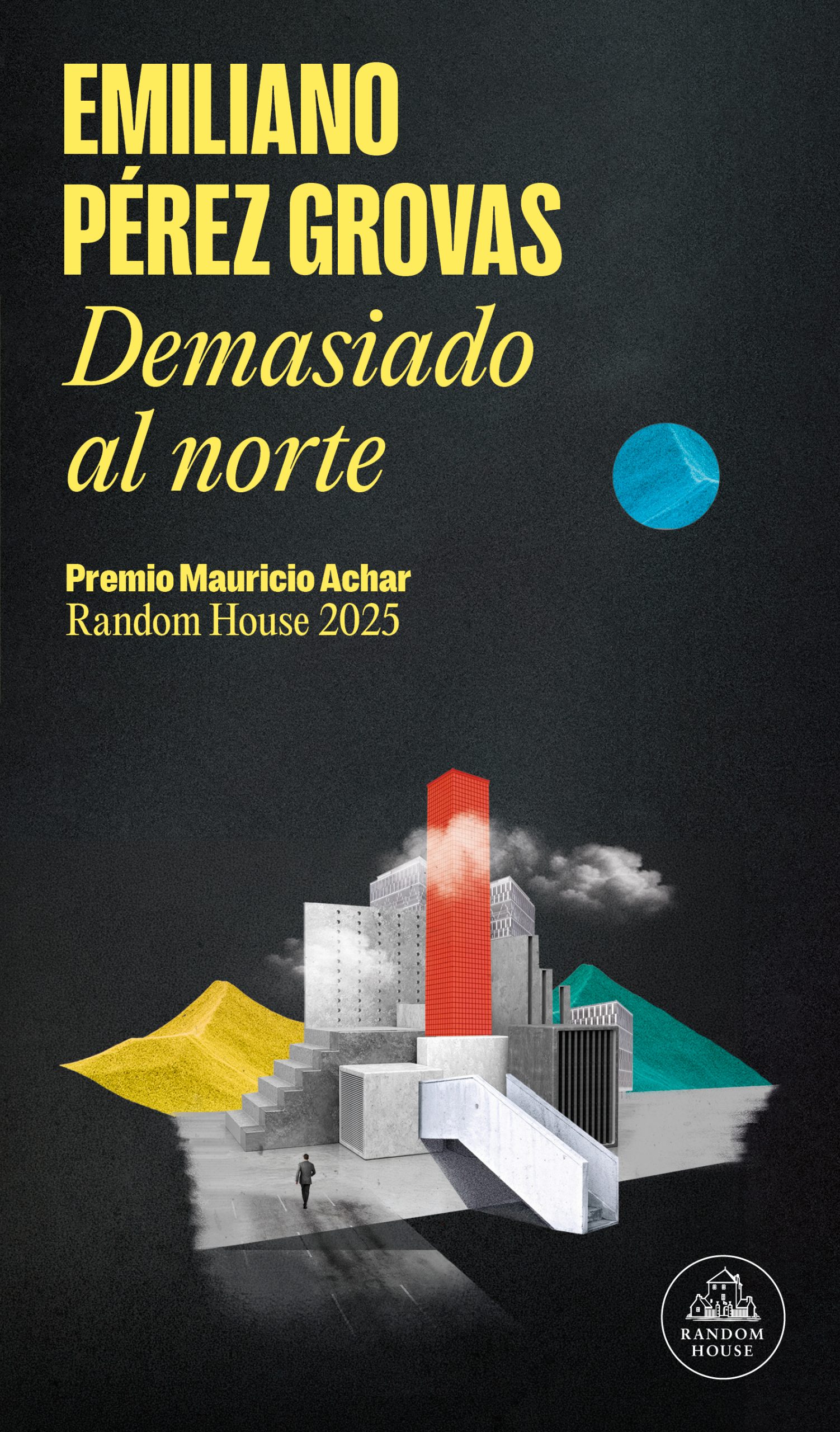
POR QUÉ LEER A EMILIANO PÉREZ GROVAS
Demasiado al norte is a psychological journey about uprooting. This debut novel tells the story of a middle-class migrant who decides to move to “a city to the north” to accompany his partner, who has received a good job offer. After the geographic displacement, the narrator begins to fall apart in a context that makes little sense to him. Public architecture, daily habits, and news from his homeland about a sick relative push him into a spiral of obsession and compulsion that makes him doubt his own sanity. A first-person tale that escapes migratory clichés to reveal the intimate drama of starting over from scratch. (Nayeli García, his editor in Mexico)
*
SOLEDAD GAGO DELFINO

Un fantasma antártico (June 2027)
In 2024, Uruguayan journalist Soledad Gago traveled to Antarctica to answer a question: how did such a small country come to occupy a space in the most remote continent? For forty days she lived at Artigas Base with military personnel and scientists in an extreme environment. But before the trip another story appeared. A meteorologist claimed to be the first civilian from Uruguay to spend a full year at that base, in 1986. His memories were precise. His obsession with the white continent was magnetic. Yet, upon arriving in Antarctica, Gago discovered that no one knew him. Was the meteorologist’s story real, a dream, or imagination? An Antarctic ghost intertwines the journey of a reporter trying to understand a territory decisive for the future with an investigation that follows the footprints of an improbable man. In this crossing, ice is a metaphor for what history preserves, erases or transforms.
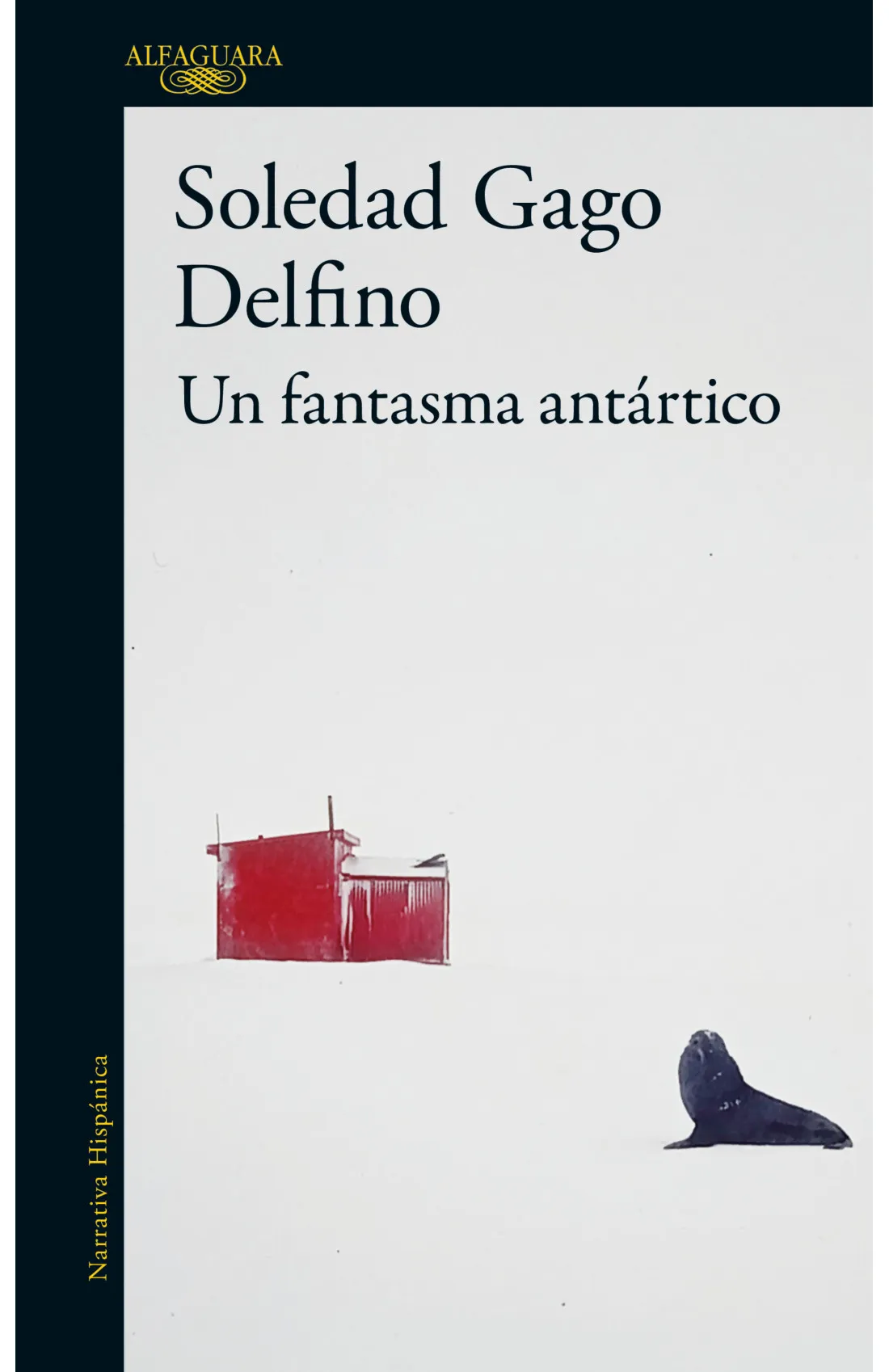
POR QUÉ LEER A SOLEDAD GAGO DELFINE
Reading Soledad Gago Delfino means letting yourself be carried by a writing that advances like footprints in the ice. Her gaze finds stories in silences and in what time seems to have erased. She investigates to look again, reports to rescue voices, and writes so that something—even she herself asks what—remains. In An Antarctic Ghost, Antarctica becomes dream and memory, a territory where the cold preserves testimonies and writing tries to give them a name. (Luisa Río Panario, her editor in Uruguay)
*
NEREA PÉREZ DE LAS HERAS
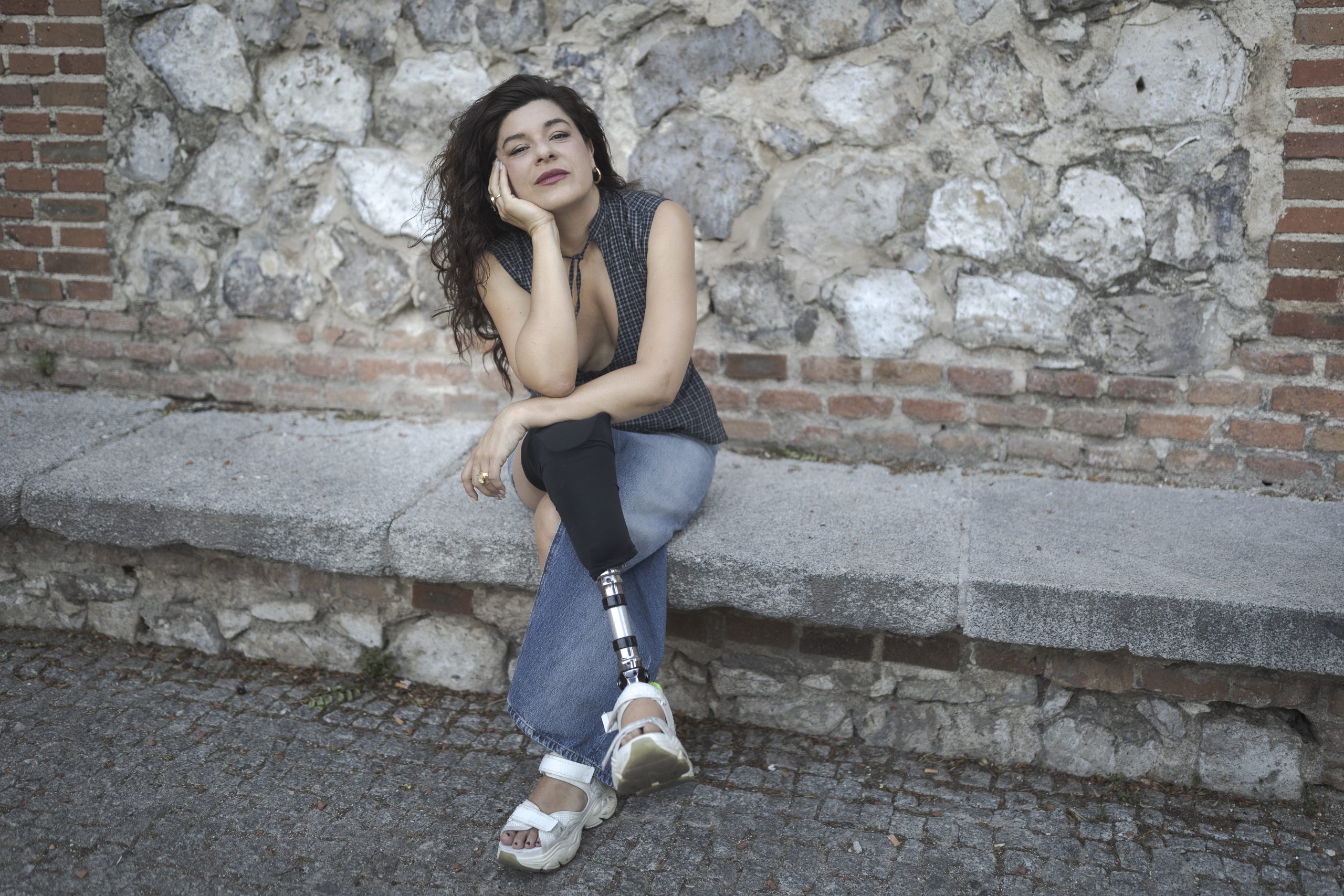
Nerea Pérez de las Heras (Madrid, 1982), History of Art graduate and journalist, is known for her work as a communicator across different platforms. Throughout her professional career she has written for El País, Radio Nacional, RTVE, SModa, Vogue and Glamour, and continues collaborating with some of them as well as with various radio and television programs. Currently, she co-directs the podcasts Saldremos mejores and Lo normal. She became known through the theatrical show Feminism for Dummies, which became a book (2019) and a series of videos for the newspaper El País. Between 2021 and 2023 she created and performed, with screenwriter and actress Olga Iglesias, the play How We Got Here on a tour throughout Spain. She has been recognized for her militant lesbianism with the Arcoiris awards (2022) and Pluma (2024); and, for her work as a communicator, with the Global Ondas Award for the best conversational podcast (2024).
Fantasma (September 2026)
“How do you say goodbye to a part of your body? … Every wound is a transient state; its nature is to fight to disappear.”
In the summer of 2023, in a Mediterranean archipelago, a ship’s propeller gave the author of this book a new body. She lost part of her right leg, which became the ghost that crosses these pages written with sensitivity, critical sense, humor and beauty. This is a meditation on loss, but also an essay on fame, war, public health, nervous-system jokes, love and friendship. Fantasma is the story of an accident and its consequences, but also an attempt to draw a map of what it means to rebuild, adapt and redefine oneself. A text that goes beyond self-reference to ask questions about the body and its limits, about identity and its construction, about memory and its traps, about loss and what comes after.
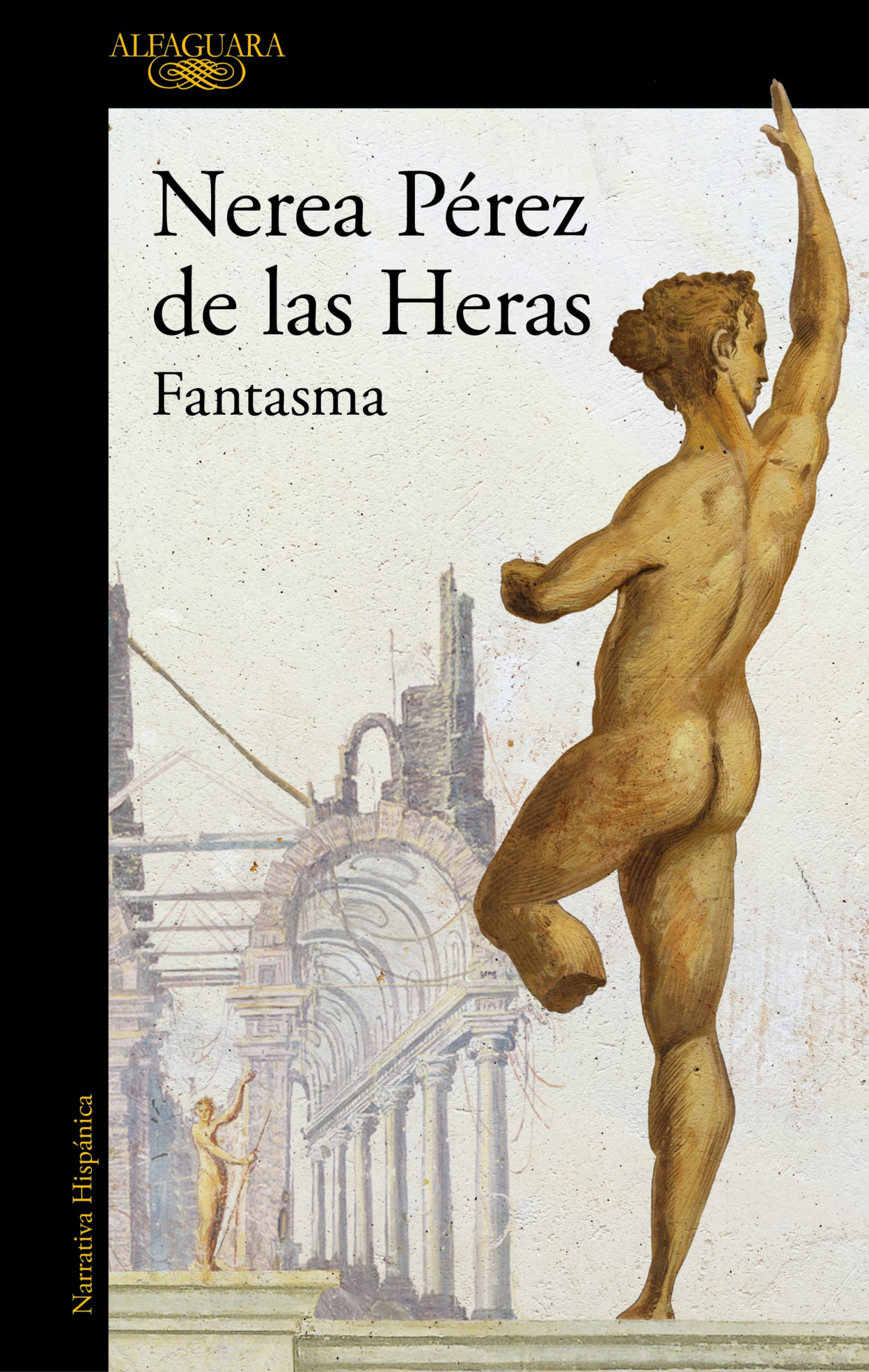
POR QUÉ LEER A NEREA PÉREZ DE LAS HERAS
Fantasma has been an instant phenomenon since its publication in Spain. It has occupied the top spots in non-fiction for months and its author has filled auditoriums across the country. This success comes as no surprise to those who have been following Nerea for years, one of the brightest communicators in the Spanish language, with a wide audience also in Latin America. Fantasma is a deeply literary book, a beautifully written text that carries us from tears to laughter, full of unforgettable scenes and reflections that connect intimate experience with history, philosophy and politics. A writer for the present and the future. (Carme Riera, her editor in Spain)
*
NICOLÁS LANGE

La oficina de la noche (September 2027)
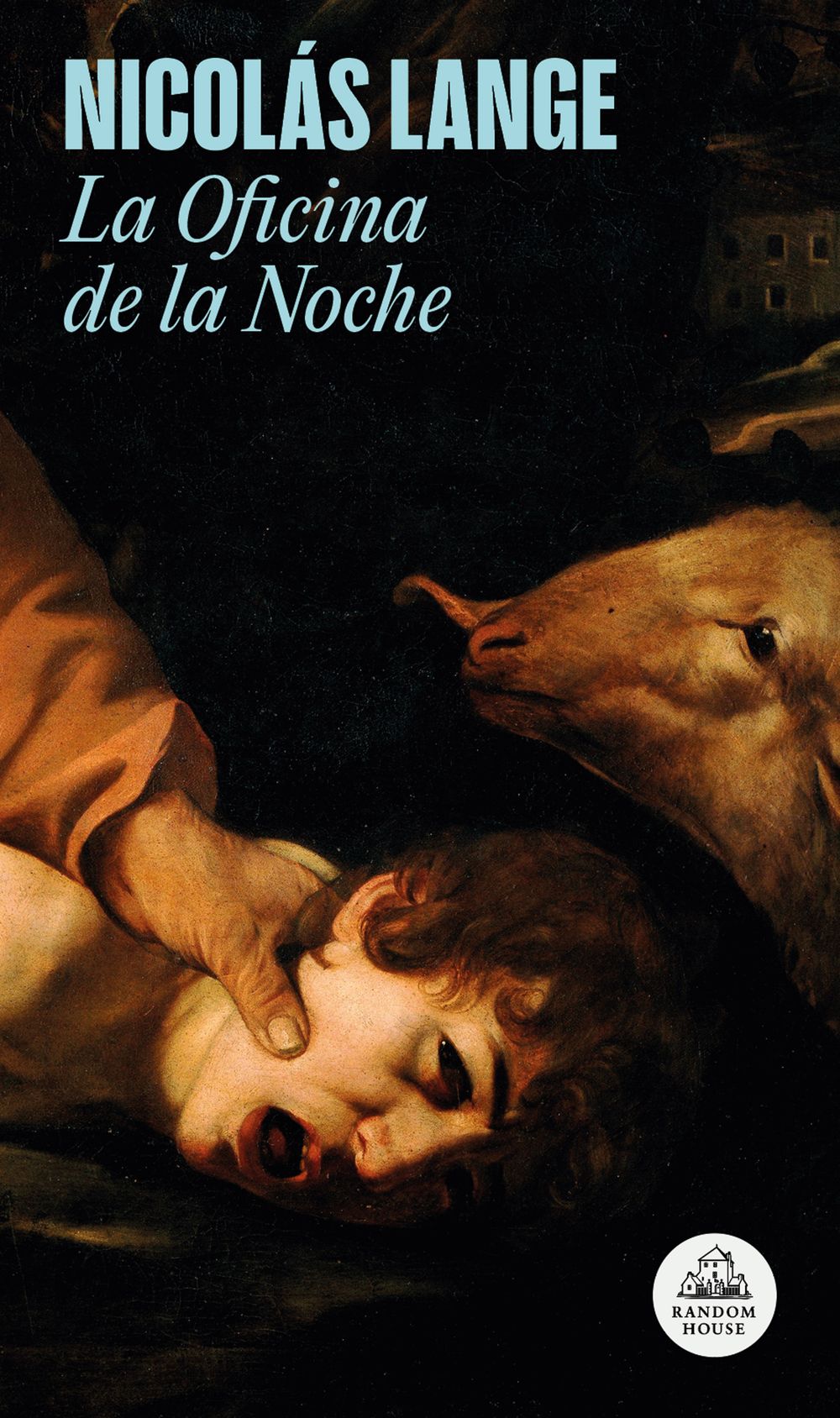
In the mid-15th century, in Florence, Italy, an office dedicated to the relentless persecution of homosexuality is established, a sentiment often hidden away at night. Arrests and public burnings of those caught committing sodomy became the work of the feared Night Officials. This astonishing first novel by Nicolás Lange portrays the Renaissance with a gaze that does not lessen the horror, but harnesses it through the intimate portrait of a love, that of a complex man who collaborates with the Night Office but longs for Salai, a painter whose death in the flames will cost him not only his bearings but even his language. Lange juxtaposes the harshness of the facts with the delicacy of a prose that lingers on details, revealing the ambiguities of human relationships and, above all, exalting the passions that conquer their era.
POR QUÉ LEER A NICOLÁS LANGE
In Renaissance Florence, as desire finds bold ways to break through, the most rigorous religious persecution of homosexuality unfolds, led by the dreaded Night Office, which sows terror to such an extent that “not being hunted at night” becomes a vital learning. Nicolás Lange, Chilean-born narrator and playwright, tackles this period with courage and offers today’s Latin American literature a solid and astonishing novel. Through a writing that overflows yet remains precise in every step, combining Renaissance religious imagery with a subtly contemporary sensibility, The Office of the Night explores eroticism, violence and power, when light does not signify hope. It is remarkable how Lange deploys a view that does not ease the horror, but conjures it with the intimate portrait of a love and a fervent duel. (Vicente Undurraga, his editor in Chile)
*
BIBIANA CANDIA

Bibiana Candia. Poet and writer (A Coruña, 1977), author of the novel Azucre (2021), highlighted in Babelia and in El Cultural as one of the year’s debuts, and awarded the Nollegiu prize, the Navarra bookstores prize, the Premier Roman du Chambéry, the Espartaco (Gijón Black Week) and the I Premio Novel Almudena Grandes, given by the Madrid Guild of Booksellers. Her work has been translated into Galician, Polish, Italian, French and Russian. She is also the author of the poetry collections La rueda del hámster (2013) and Las trapecistas no tenemos novio (2016), the short story collection El pie de Kafka (2015) and the literary device Fe de erratas (2018). She has contributed to the magazines Jot Down, Letras Libres and Ctxt. For her work as a cultural journalist, she won the XXVII Carmen de Burgos Feminist Dissemination Prize from the University of Málaga in 2020, and in 2021 the XLII Afundación International Award for Journalism Julio Camba.
Lar (October 2026)
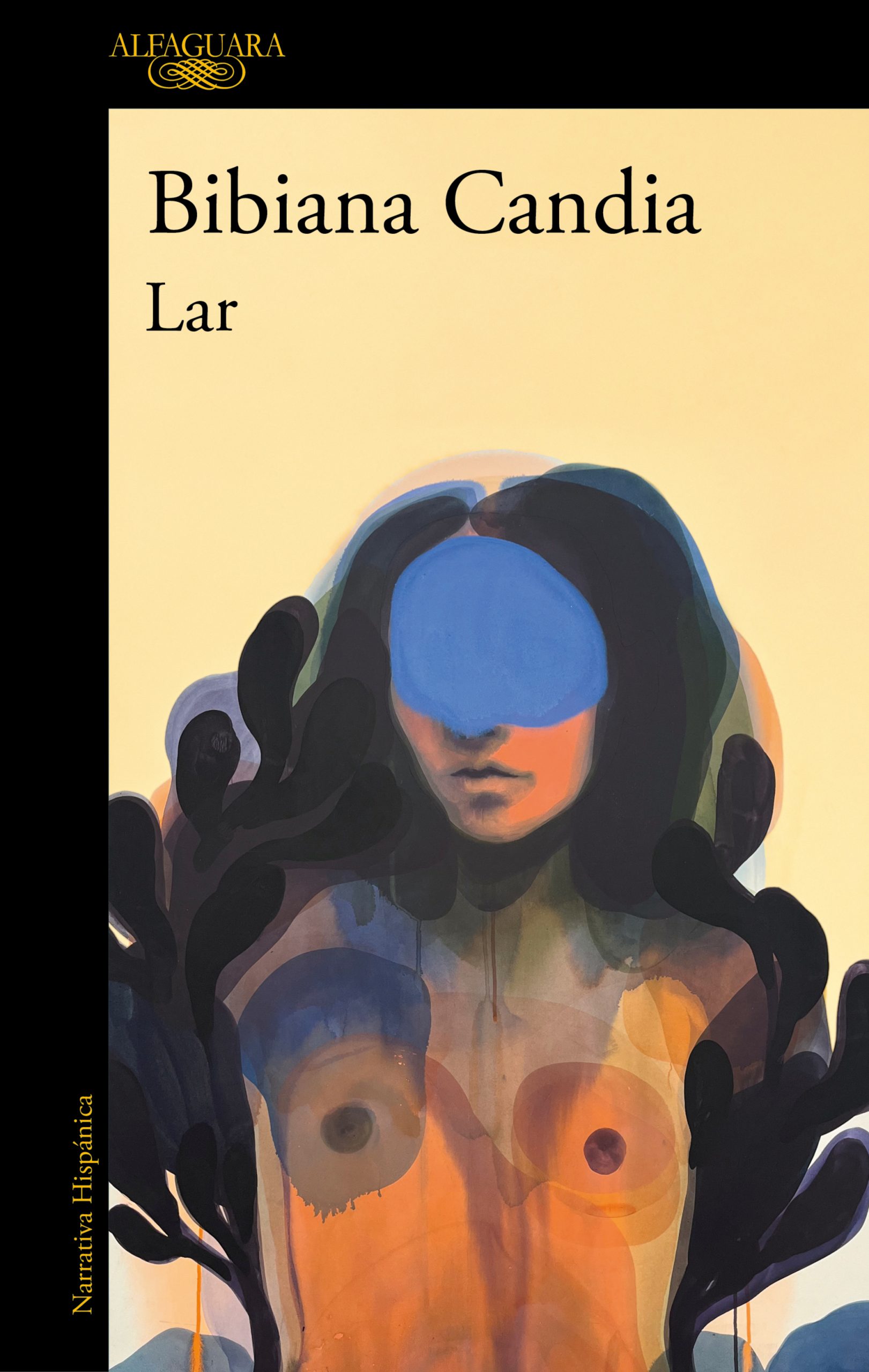
A Coruña, December 7, 1857. The tobacco factory’s workers revolt against the arrival of machines and rise in an unprecedented uprising. This is the starting point of Lar, a novel that speaks from the flesh of its protagonists: mothers, daughters, widows, elderly women and young women willing to face an army to defend their livelihoods. The tale covers the twenty-four hours of a historic event that exposes a daily tragedy.
With a chorus voice and a language rich in symbolism, Bibiana Candia builds a narrative about motherhood, absence, labor, resistance and memory, where the intimate and the common intertwine. Lar is a visceral fiction that reclaims anger as the only human response to injustice.
POR QUÉ LEER A BIBIANA CANDIA
Because she is one of the most personal and powerful voices in current Spanish-language storytelling. Her writing, poetic and visceral, rescues lives silenced by History. In Lar she makes the first workers’ revolt by women in Spain, which occurred in A Coruña in 1857, into a female epic that affirms the strength of the collective and anger as a response to injustice. A story about motherhood, absence, and the fear of losing livelihoods in the face of machines that threaten jobs, led by women who discover that mere resistance is no longer enough. With a forceful narrative, Candia transforms the past into a mirror of our present. (Carolina Reoyo, her editor in Spain)