
There is a suspicious way to be on the street: to stay completely still. This clashes with many philosophies about street life. We think public space is inhabited, and that from its room emerge celebration, politics, or companionship. In reality, most of the street is traversed, and therefore is ignored and left behind. There aren’t many streets where something happens to you. On most streets, nothing happens.
When I step out onto the street, those who remain still unsettle me. A street is considered one of the bad streets when you can see a lot of people standing motionless. They do not look at shop windows, they do not wait for anyone. They do not move. They only observe. Standing against a wall; sitting on the curb; crouched; in a corner. The worst person in the world is the one you find inside a car, seated in the passenger seat. There is a great deal of malevolence there, without a steering wheel, with a glove compartment, at the edge of the curb. Something is being planned, something to be committed; dark thoughts are formed. What is that man doing, I think as I go back and forth, checking that he remains a passenger in his misdeeds; what is he doing there?
The still ones look at you. When you become aware of how much they are looking at you, you understand that they are watching you. You encounter them every time you leave the house and every time you return, so they already know your schedules. If your children accompany you, they know when you have children with you, who they are, their ages, whether they are a boy or a girl. If you let go of their name (I try not to let that happen), then they know what they are called. If someone goes up to your house, they note it. If the same person visits more than once, they deduce. When you leave with suitcases, they infer that you are going on vacation. For at least a week. The house alone for a week. They know it.
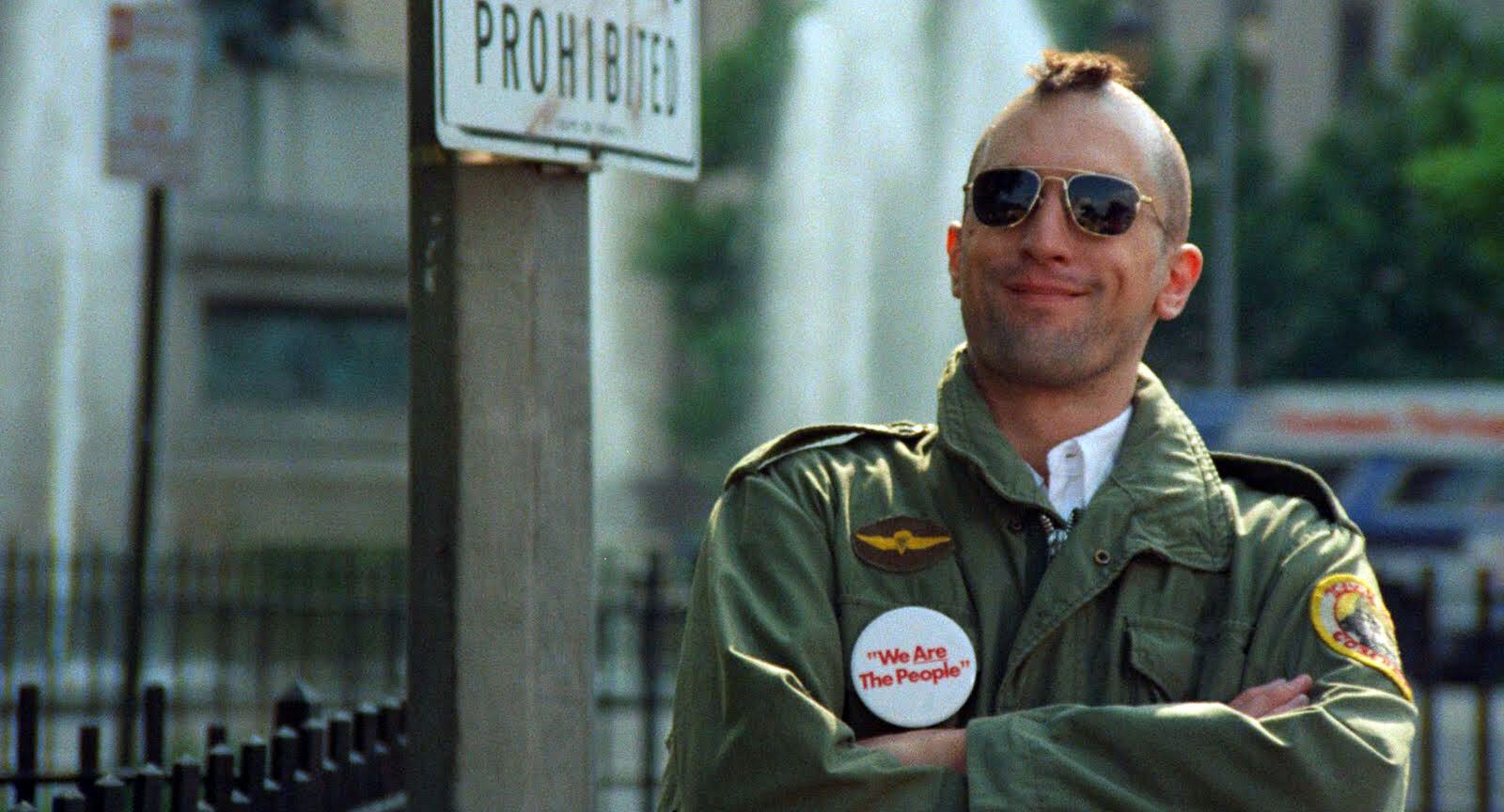
These street dwellers look at you with insolence; they do not hide it. There is a kind of irritable hauteur in their logging of lives and comings and goings. What do they live on, you wonder. They sour you. It sours you to acknowledge them, that everything is so clear: they do nothing and they surveil you. When it rains, they are not there. One might even wish for a heavy downpour, a great storm, like the protagonist in Taxi Driver, after dozens of days in a row being marked by a stranger, two meters from your front door, on the corner, on the opposite sidewalk. I wish there were fines for people who look at you.
Still, I don’t know what day I stood there in the street, waiting. Being impatient, I waited too long, and for once (or once with conscious intention) I realized how absurd a street is, a street like mine. If it isn’t a place of leisure, if there are no parks, if there aren’t post offices or better excuses to go back and forth, the common street is, above all, tedious. Suddenly, the street is a complete absurdity, something that is in the middle. When everything flows, and you with it, the street seems reasonable. When you stand still on the street, the space closes in. There the illogical converges. The street, open by definition, seems like an antechamber or an unused warehouse, an abandoned theatre stage. Time is slow. The clock only runs if something happens, if someone passes. There is nothing to do in the middle of the street. It is the greatest folly in the world, to be in the middle of the street.
Changing perspective, taking the place of the suspect, you understand the crime you represent. Only with a plan of action does standing still on an ordinary street make sense. The entire catalog of misdeeds seems to align with your useless demeanor on a street. Since you do nothing, you are going to do something bad. Because you don’t expect, you don’t work, you don’t drink, you don’t watch the clock, you don’t ask for money—there can only be evil in your apathy. But it is a kind of evil that’s hard to point to, because most pedestrians only see you once, from the corner of their eye. There are many strangers on the street, but the same stranger in the same place all afternoon without doing anything is not a stranger, but a threat.
He is the rapist, he is the robber, he is the thief, he is the drug trafficker.
Although it probably hasn’t found its way into any manual, perhaps staying still on the street for hours with no purpose whatsoever is, for all this, a form of bad manners. It could be rude. It remains to be seen whether it participates in the same lack of manners in the dance of bodies that do not let out before going in or fail to yield at a crosswalk. Staying still and watching is rude. We were never told as children not to stay still on the street, and yet we do not.
The only citizen exempt from suspicion in these immobile affairs is the retiree. It is noticeable, not by age, not by disorder, but by pensioner status. It is the sadness, the absolute devastation that courses through him. That is why he does not look at anyone, for he is looking inward. That is why he is not perceived, not even as a threat, but merely as someone. The retiree, poor and alone, contributes to the street with fittings, like a trash bin or a street lamp. Like some figures in a Nativity scene.
When I stood still in the middle of the street for more than ten minutes, I became a criminal. So criminal that I thought I could write about it. About how you watch everyone passing by and turn your head at the sound of any noise. About the growing sense of control you accumulate over a space that nobody owns, that everyone despises: a stretch of street that is irrelevant. The street isn’t a place; it’s a detour, at most a treadmill. Philosophy about the street (situationalism) only makes sense if you walk through them, if you leave them behind constantly.
Just standing still in the street is enough to understand how wrong we are.