
News
Miguel Pardeza: The Literary World Is Full of Bitter Characters Who Think They Deserve Better Luck
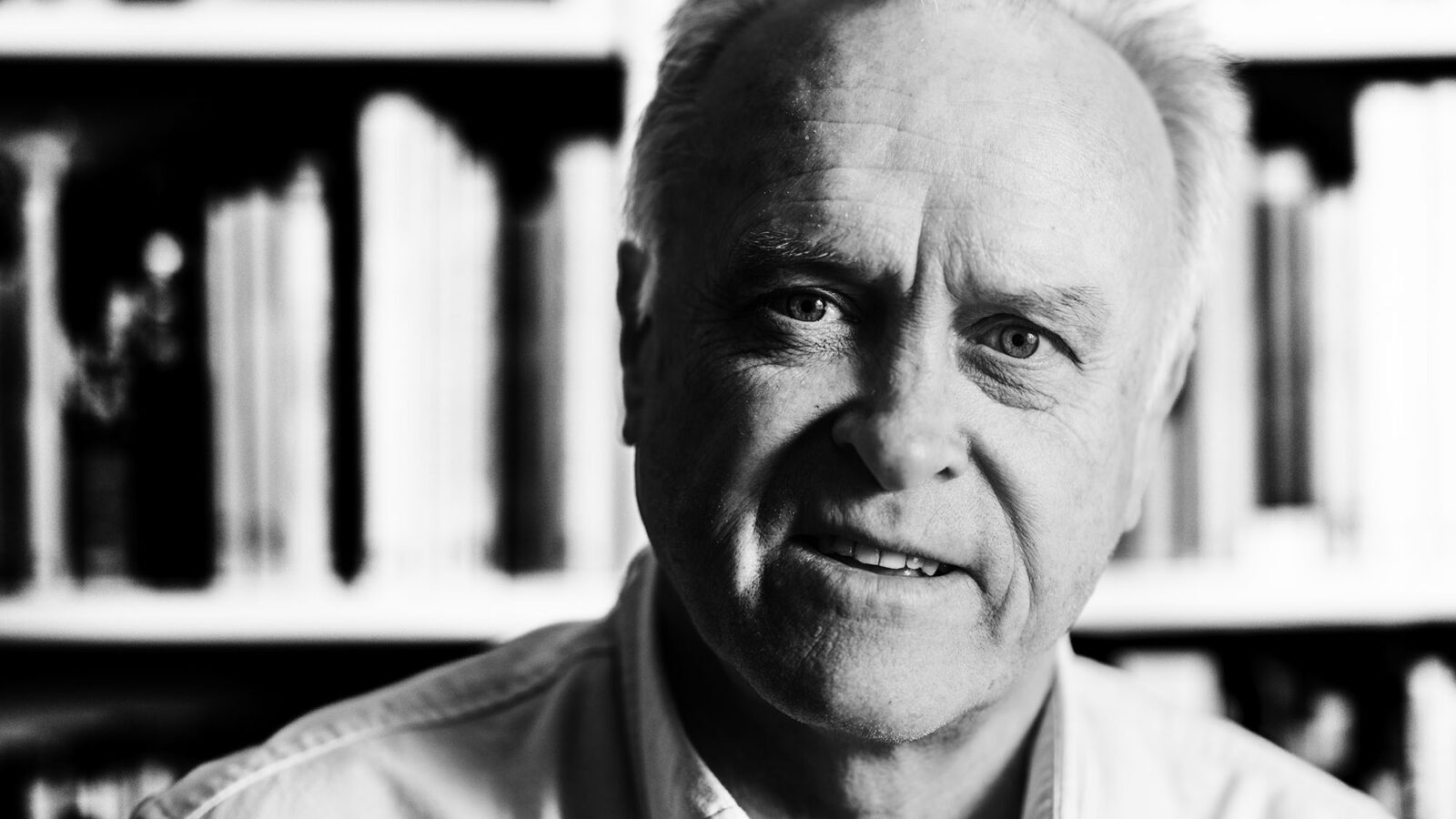
We all think we deserve more, a lot more than we get. We live waiting for recognition. We are addicted to “likes” and to the pat on the back. If someone doesn’t shower us with enough praise, we get angry. What is written about us must be hagiographic; we do not tolerate middle ground or tepid words. The adjectives, when referring to our supposed virtues and to those of our creations, must always be superlatives. The new novel by Miguel Pardeza (born 1965), Los últimos días de Alejandro Reig (Renacimiento), is built around the failure of two writers’ expectations: one veteran —retired, driven by the bitterness of someone who thinks they were not valued enough— and another younger novelist —who cannot find a publisher for his first book—, who share the disillusionment caused by not achieving the expected triumph. A wardrobe mate of Pardeza at Real Madrid, Miguel González “Míchel”, summarized this entire process (expectation of success – reality – failure – bitterness – lament) in one sentence: “I deserve it,” which he shouted to the four winds after he scored three goals against South Korea at the 1990 Italy World Cup. Although he did not win the World Cup nor become the tournament’s best player —nor did it silence his detractors—, Míchel had his small revenge, something that the characters in Los últimos días de Alejandro Reig could never aspire to, and neither could the majority of us who think we are much better than what others say.
Conversamos con Miguel Pardeza sobre la dificultad de sobrellevar la amargura, acerca de esconderte de tus compañeros de equipo para leer un libro en el autobús y de lo mucho que nos cuesta reconocer los méritos de los demás.
*****
—The book is about the frustration of the writer, of someone who has dedicated his life to being one and has not found sufficient reward, and the frustration of the person who tries to devote themselves to this profession and does not succeed. One vocation finished and another trying to begin.
—That’s it. I was interested in pitting two artists of different levels against each other: one young and another who is seasoned. And as you say, both are united by frustration. But there is a nuance. In the case of the veteran writer, that frustration is driven by the sense that his career is nearing its end; there is absolute disillusionment, a certain bitterness, and even nihilism. In the case of the narrator, the younger author, his frustration stems from impotence: he wants to be a writer, but cannot find a way to achieve it. I really like that debate, the idea of the clash between two utterly opposing viewpoints, united by frustration.
—It is a novel about the passions of a human being and also about their contradictions.
—It is a novel about the passions of human beings and also about their contradictions.
—In the work there is a meta-literary plane, the discussion about the art of writing a novel, something that might seem pretentious, and another, which interests me a lot, about the human condition. The novels that interest me always go a little toward this: what do we do with life, what decisions do we make, what responsibilities do we assume. Those difficulties are, in a way, what define us.
—That failure of writers largely stems from the lack of recognition.
—It’s because in the world of literature there is quite a bit of pettiness; it’s hard to recognize the merit and, above all, the worth of our contemporaries. Sometimes that recognition only happens, sadly, when the writer has vanished, as in the case of Javier Marías, a superb writer. I think Marías is one of the great novelists of our literature and, yet, he never received full recognition. He had to die prematurely, unfortunately, for all his merits to be acknowledged, which were many. The issue is that the world of literature is a very small pie; there are many candidates to live off it. This helps explain what happens. The literary world is full of similar examples. Pettiness is something intrinsic to the literary world. It is very hard to recognize the worth of others.

—The relationship between the two protagonists, pupil and mentor, is very common in the literary world.
—I would say this is natural. There is a moment in the novel in which this is precisely discussed. Alejandro Reig, the veteran novelist, is not in favor of a normal tutoring; his is a wild tutoring, one that only commits to the truth, no matter what. In one passage of the book he explains it this way. On the other side, we see a young writer who is beginning and needs support, a push from the established to be able to raise his head a little. That said, I think that, as in other aspects of life, you have to walk the path alone. No matter how much they guide you, no matter how much they can support you, ultimately, writing is an absolutely solitary adventure, in which you must face your own demons and your own limitations. You must also be humble enough to know how far you can go. A sponsor can be useful at a given moment, but if what you do is not really good, the success will be transitory, ephemeral, with no lasting significance.
—”You have created a living being, but one that breathes artificially.” I have read few criticisms as devastating as the one Reig makes of the protagonist’s novel.
—It’s that Alejandro Reig has no qualms. (Laughter) At times he borders on cruelty. The narrator goes to seek his help at a moment when he is completely overwhelmed, embittered, taciturn, with a strong desire to reach the end. At that point what he does is dissuade any aspirant, any apprentice, from following his path.
—Have you drawn inspiration from any real character or real people to develop Alejandro Reig?
—I didn’t think of anyone in particular. Anyone who has interacted with writers can imagine someone who fits the traits of Alejandro Reig. The literary world is full of bitter characters who think they deserved more luck and better fortune than they had. All this translates into great dissatisfaction, into that frustration we spoke of earlier. That bitterness is difficult to bear. This writer profile is a very recognizable archetype.
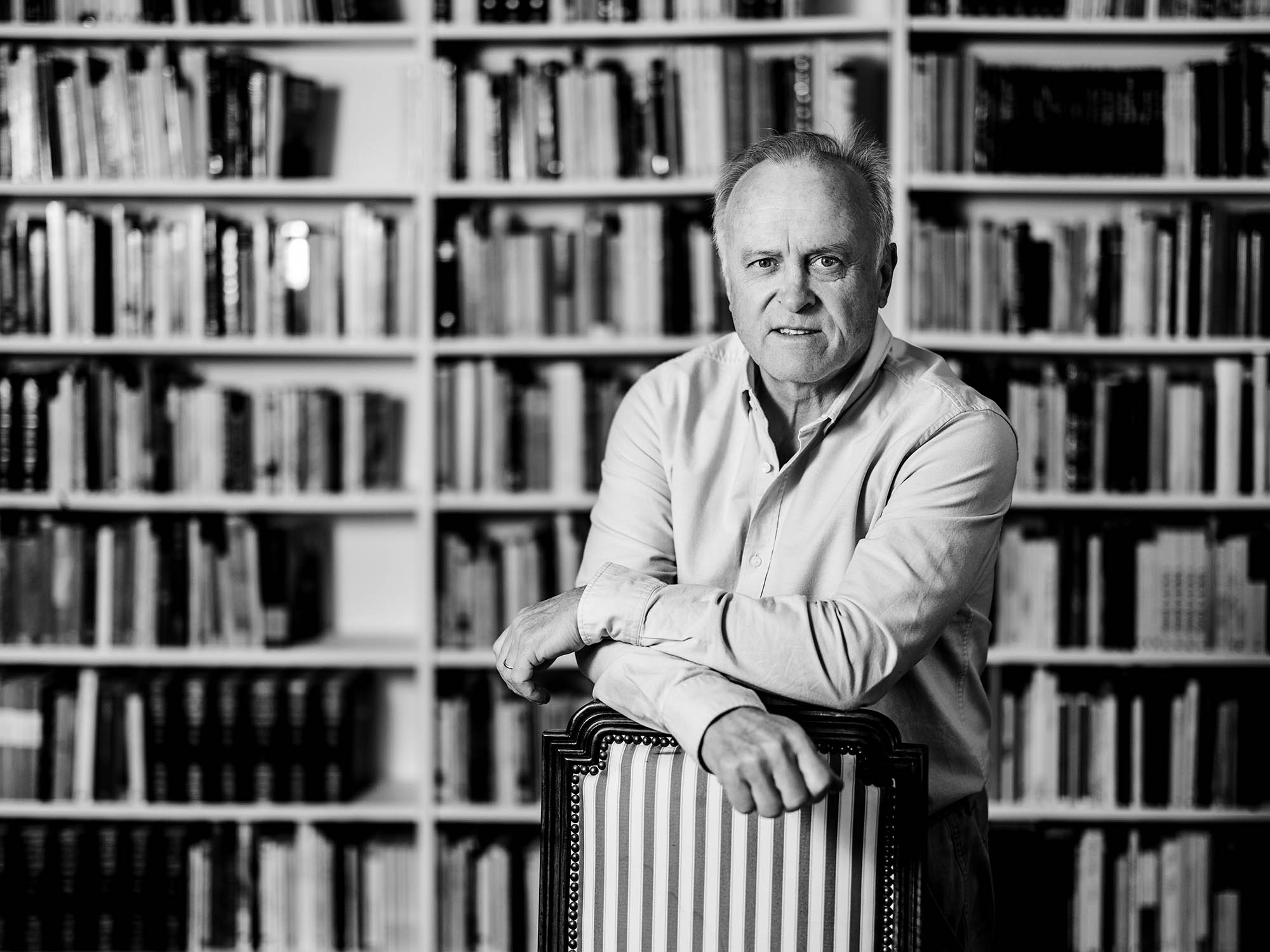
—Zaragoza and Islantilla are the settings of the novel, two environments fundamental in his life. Yet, in this third novel, he has avoided appearing there as he did in the previous ones, and football is not present either.
—The atmospheric weather —rain, wind, and storms— is a device to gauge the mood of Alejandro Reig.
—That’s well observed. I was interested in locating the setting in the antipodes of what is supposed to be. A beach in a holiday area, but outside peak season: empty, desolate and also stormy. That rain served as a symbolic frame to situate the story in a double sense: first, collectively, because it framed the grim and morbid stories that happen among the characters; and, finally, on an individual level, to reflect the moral and psychological state of Alejandro Reig, for whom a calm, sunny time did not suit him. Reig needed that threat of permanent storm, a situation that mirrors his mood.
—There is a lot of melancholy in his novel. That off-season action in a holiday resort recalls the final chapter of Verano Azul: the weather has changed, the tourists have gone, the beach bars close, and the song of El Dúo Dinámico plays.
—That empty housing development, the misadventures of the characters and the bad weather somehow foreshadow the ending, a conclusion that, although predictable, I hope was somewhat impactful, that in some way illuminates everything that had been told, what the story had intended to be.
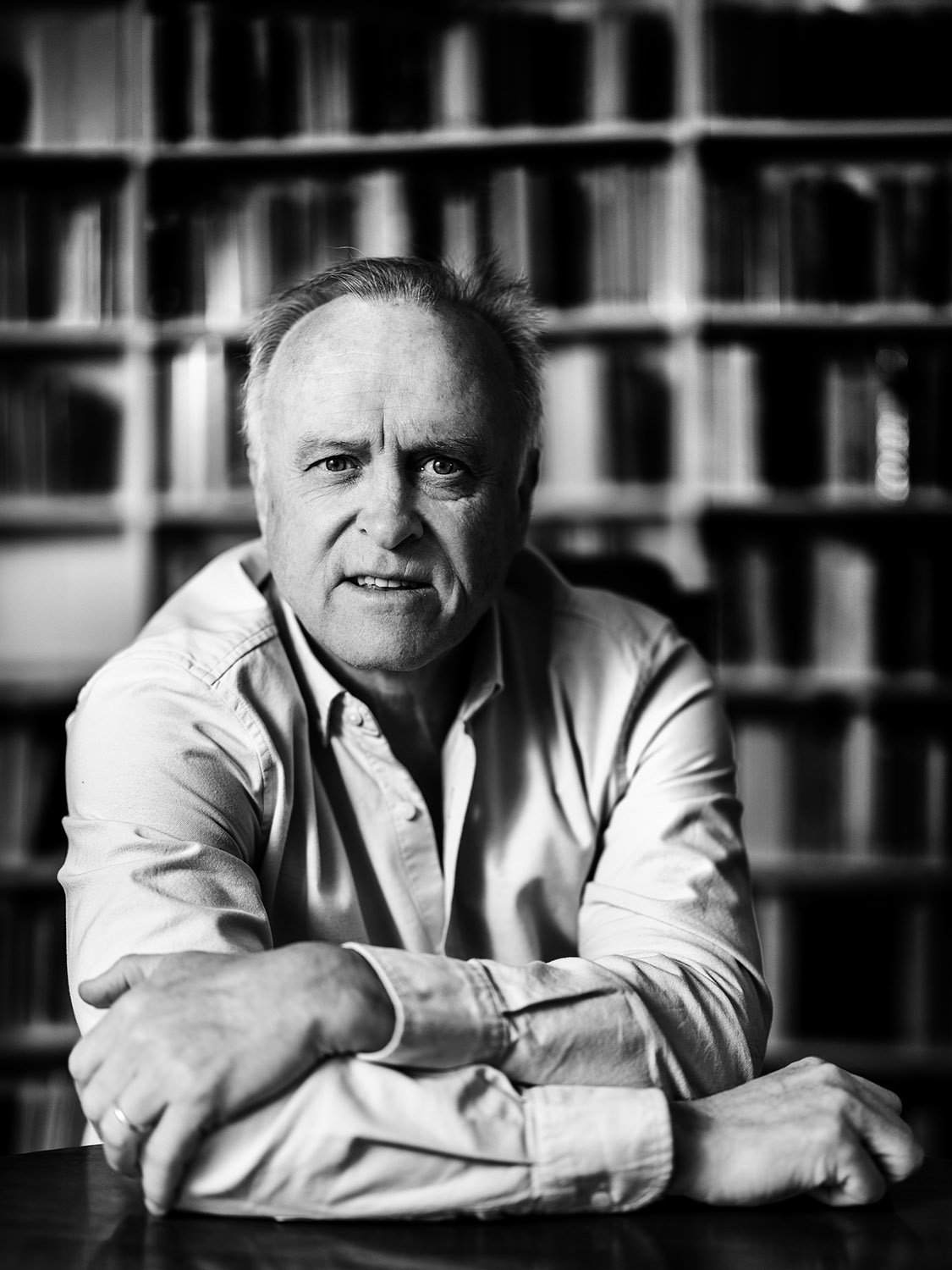
—Héctor Bellerín and the Athletic Club’s book club are normalizing the relationship between football and literature. How was it in your time to tell your teammates that your spare time was dedicated to reading González Ruano?
—Now I am very disconnected from football. I wouldn’t know what is happening. I think the reader-athlete will always be a minority thing. This happened in my era and I suspect it still happens. Whenever I have to answer this question about the relationship between the world of football and culture, I argue that, in general, people do not read. What happens in the world of football? The career of a professional footballer is very short. It concerns very young people who from fourteen or fifteen start competing almost professionally, with a very high level of demand and maximum concentration. That leaves very little room for culture. In my case, I had time for culture and to build a career. If I did it, anyone can. But it is a world with a lot of demands, and especially now, with sixty or seventy matches a year. You can develop a relationship with culture, but the conditions do not help much.
—You had an ally in your era, Jorge Valdano.
—Of course. Jorge Valdano was a bit of a pioneer; not because he read before others, there have always been “black sheep,” but because he did not fear to present himself as a person who read, brilliant when he wrote, and with personal inquietudes. There were more people who read, but it was hard for that to be visible. In my time there was a certain closed-mindedness about footballers reading. It wasn’t looked upon favorably.
—We are more forgiving of the partygoer.
—Yes. When I played, there were no mobile phones and on the bus there were card games. If they saw you reading or studying, they thought you were doing something odd. I studied on those trips and earned my degree on the little tables in hotel rooms. But, as I say, it was rare and you almost had to hide. You had to be careful not to come off as a pedantic, ridiculous guy. Jorge Valdano took a step forward. It isn’t incompatible to be a professional player and, at the same time, read and write articles.
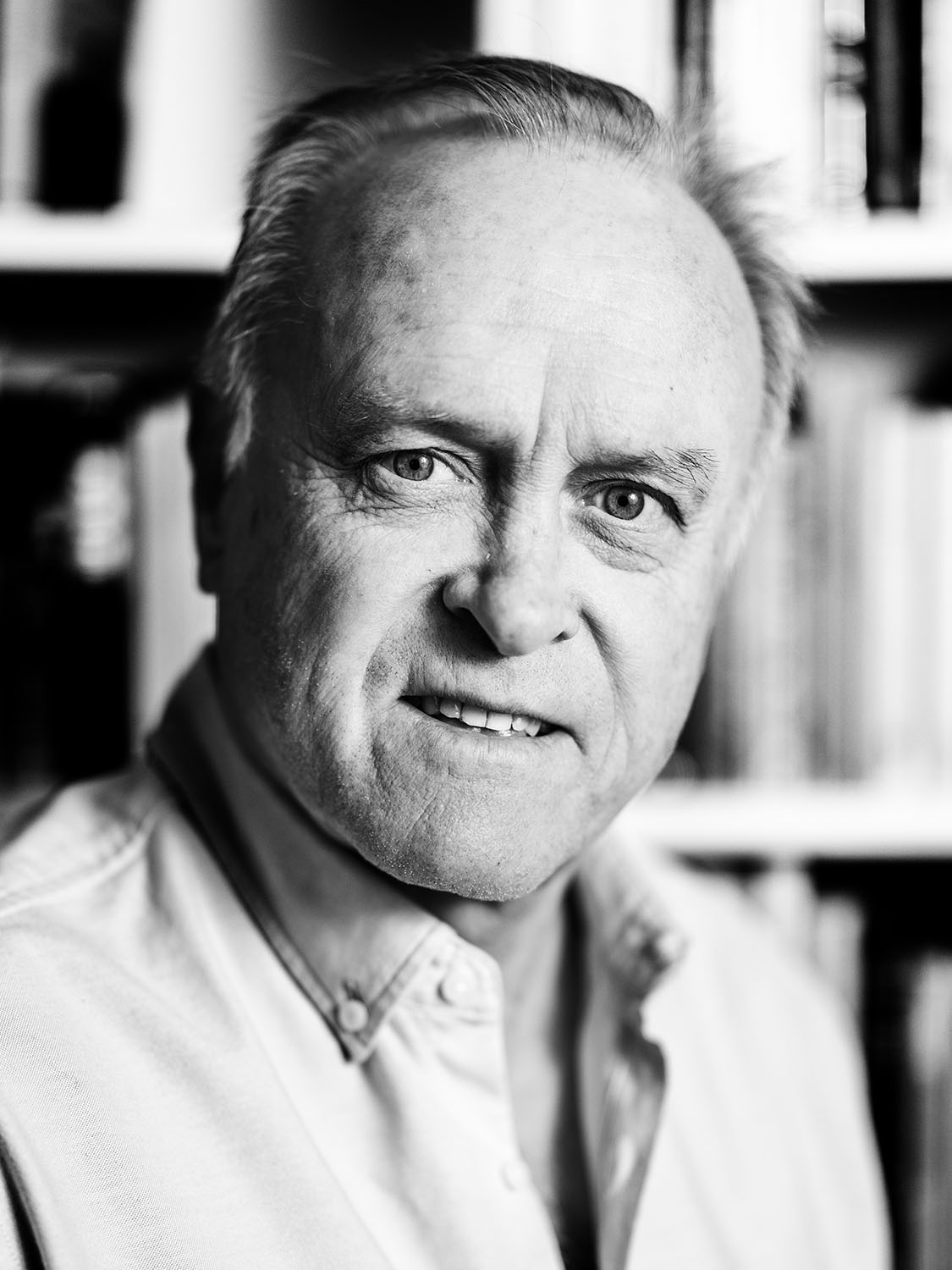
—Terminamos. Proyectos de escritura próximos.
—I have two small things underway, those that allow you to breathe a bit of pure, hard fiction. I am finishing the revision of a small book, a mix between memory and essay that I hope to publish next year. And I also have half-finished another aphorism collection. In addition, I have a finished novel that I want to reread to see if I can push it forward. I recall an anecdote Cela told. A young man once asked him what he had to do to write a good story; the boy couldn’t think of ideas. And Cela told him: “The story is this: a man and a woman love each other.” End of story. Then comes how you tell it, because there are no truly original stories anyway.