
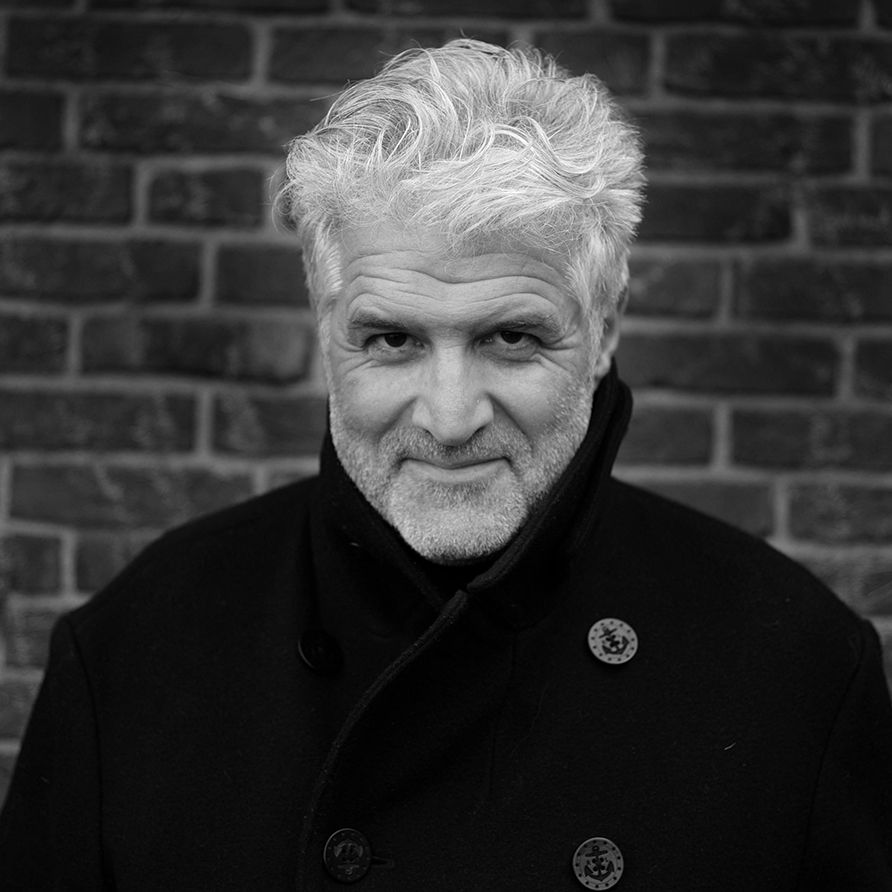
The veteran photojournalist Gary Knight states that “the way information is produced in conflict zones is beyond the imagination of most people,” because behind every iconic photograph that defines a conflict there usually hides an inner history of ethics and recognition that rarely reaches the broader public.
It is the case of the historic photograph “Napalm Girl”, taken in 1972, attributed to an Associated Press photographer and transformed into a symbol of the Vietnam War. It shows South Vietnamese forces pursuing terrified children, including Kim Phuc, then nine years old, running naked in the center.
After half a century of silence, an independent Vietnamese photographer claims authorship of the image in the documentary The Stringer, produced by the photographer himself Gary Knight (Oakham, England, 1964), who led a two-year investigation, as he recounts in an interview with EFE.
The film explores that hidden world behind some of the most influential images in modern journalism through that investigation, a story documented by Vietnamese-American filmmaker Bao Nguyen, which, Knight says, emerged when Carl Robinson, former editor of Associated Press, contacted him in late 2022.
“I have known the story for many years, even before the first rumors began to spread,” he asserts.
The film will be screened on September 10 at the Hay Festival in Segovia, while on Friday the 11th there will be an event within the same festival attended by Knight and international correspondent Anna Bosch, who will discuss the power of images and the responsibility of those who document events.
A Lesson Learned on the Ground
The reflection on who and how a story is told directly ties to Knight’s own career, who spent decades documenting conflicts since beginning his work in 1980s Cambodia.
Asked whether the public truly understands the context in which these images are forged, he is blunt: “I don’t think so. The war is very far removed from the lives of most people, especially in Europe and the United States.”
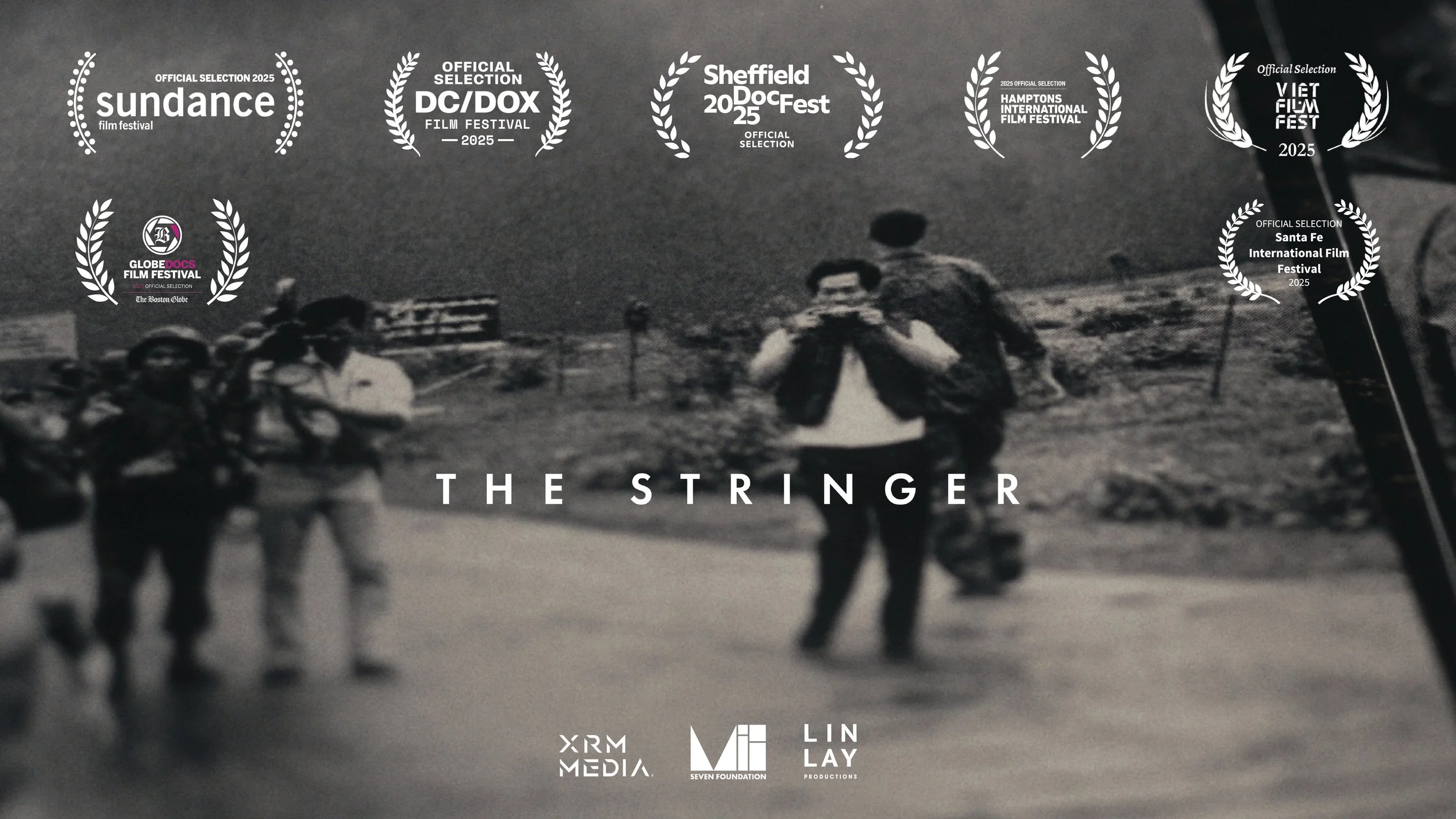
The film, the photographer explains, tackles questions of authorship, racial injustice, power, and ethics, while highlighting the fundamental and often overlooked contributions of local independent journalists, whom he says he learned from during his years documenting conflicts.
Ethics in the Face of Artificial Intelligence
Within this framework of respect for documentary truth, Knight draws a red line against artificial intelligence, a technology he sees as having no place in the production of visual journalism.
“I believe this is something we should avoid when constructing images. It strikes me as deeply problematic,” he states, while placing his trust in traceability technologies and in the reader’s responsibility to seek out reliable outlets and headlines.
Against the starkness of the conflicts he has documented and the threat of false narratives, Knight places his faith in humanity and in the goodness of people and shares the most important lesson he has learned.
“That lesson is about myself and concerns challenging my own prejudices, being willing to listen to people on the ground, and understanding their perspectives. It is essential to know the difference between what we think we know and what we actually know,” he concludes.