
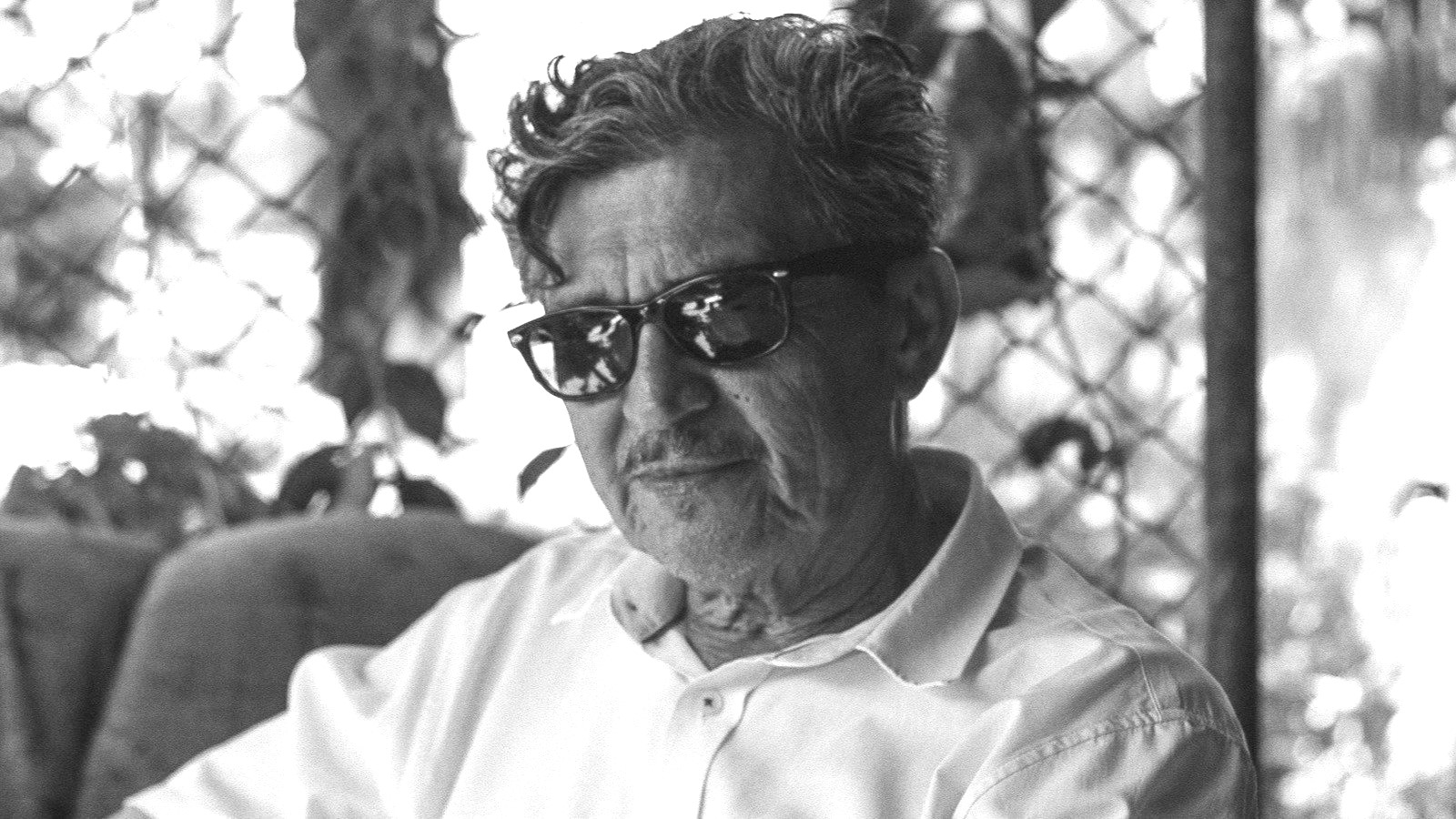
Cover: Roy Sigüenza.
This Friday, within the section Not All Who Are Here Are Present, we present the second list of five contemporary poets from the Ecuadorian coast that complements the list published a few weeks ago of five great poets from the same country. Come in and read. These are the ones who are here this week, and those who aren’t will come later.
***
ANDREA CRESPO GRANDA
Andrea Priscila Crespo Granda is a poet and prose writer born in Guayaquil in 1983. Among the literary prizes she has earned are the Aurelio Espinosa Pólit Award, the National Poetry Contest David Ledesma Vásquez, and an honorable mention from the Miguel Donoso Pareja Short Novel Prize. Her notable works include the poetry collections L. A. Monstruo (2013), Registro de La Habitada (2016), Libro Hémbrico (2019), Matinée: El cinematógrafo tropical (2024) and Cirio (2025), as well as the novels Los cielos de marzo (2022) and Objetos del cielo profundo (2025).
Time 1.a)
a fatigue capable of filling every line of our skin, as precise as the tree that will guide us to the entrails to startle us with old fables of new meanings: this must be the end of our times in these lands.
Divided by borders
we glimpse the longing for the seas in the heart of the past.
*
Time 14
The drunks are stealthy astronauts, approaching the infinity of the asphalt; their bodies are covered by limitless ages.
The torn blisters flood the darkness with their gleams. Every galaxy inhabits the national pavements; while the street hovers in the patience of elderly and incomprehensible youths, their bodies spin telling fables of disappearances.
Tonight the patience of the infinite grows in the violence of silence.
Horror dwells in silence
Horror gravitates in silence
Love was a bite of metal in the muscle of doubt.
*
I listen to things and their distances, estrangement of sound.
The light faded in the blood of my century. We saw thousands of bodies of the night thrown from the machines, thousands of nights of bodies, millions of machines of the mist.
I hear the rancor of things. Cranes will always suffer melancholy.
*
a)
It happens that at the start of the night we will have to check in greetings and the tongues swollen by the absence of the serpents in the gentle ferments that annihilate the flavors of every body.
Exile carries a cargo of coarse women,
fragrant in the ointments that promise not to carry you toward the ashes.
*
b)
the legs of all reclining men will be severed to transfigure their fleshly frames into cooked foods—necessary—that will sustain the faith of this cold.
*
a+b =
Of all sufferings, the one of the skin is the most peaceful. We know you were exile and the Latin American receptionist on the brink of the cliff that resembles the edge of the dunes.
The following dinners will infect us with the charms of water.
*
The woman who carries the house inside her tongue detoxifies from the herbs. Guard the fear of home between the molars.
***
JORGE MARTILLO
Jorge Martillo Monserrate is a poet and chronicler born in Guayaquil in 1957. Since 1975 he has worked in media, including the newspapers Expreso and El Universo and the magazines Diners and Elite. In 2013 he released his book of chronicles Guayaquil de mis desvaríos. In 2017, he published a book collecting fifty stories from various artists and figures who have left their mark on Guayaquil. He is the author of poetry volumes such as Aviso a los navegantes (1987), Fragmentarium (1991), Confesionarium (1996) and Vida póstuma (1997). He has won prizes in the Medardo Ángel Silva Poetry Contest of Guayaquil (1979-1984), the Ariel International Magazine Short Story Contest (1982), the Festival of Flowers and Fruits Poetry Contest in Ambato (1986), the Aurelio Espinosa Pólit Prize (1991), third place in the Ismael Pérez Pazmiño National Poetry Contest (1996), among others.
the south
With the compass lost, the wind rose withers the compass rose
without a sextant there is no direction worth following
only apathy dries the waters at times
and all that remains is to go south
the port is an elephant’s skin
an ivory tusk
a cemetery gone astray in memory
lamps that lovers and drunks reduced to ash
steps: nothing travels with me like a coca leaf
calms despair and weariness
Farewell to the fury of the sea
these trails are deserts building oases
the wind an echo that buried navigators
I lost myself in the sea, but not in the sand
nor in the threat of the sword
we must remember: to the south the estuaries
mud mined by the retreat of the crab
roots that spread like a plague
bows of a decayed bow
journeys end
the sun sleeps in the fur of the clouds
to the south cane intestines
acids permanently attending its perforation
the immensity of the sea is impossible
pain does not reside in its surf.
that the alchemy of photography returns its smile to me
that the sun burn us like a handful of grass
that the birds fall asleep in mid-flight
and do not manage to see it
that iguanas lick and lick the trees
never their skin
that no one else can read
the phrase on the gate
that the clove not wither
and that bleed like an endless river
and that everyone forgets that they wished to have it
even if only for a single moment
that roosters bury their spurs into their chests
and die.
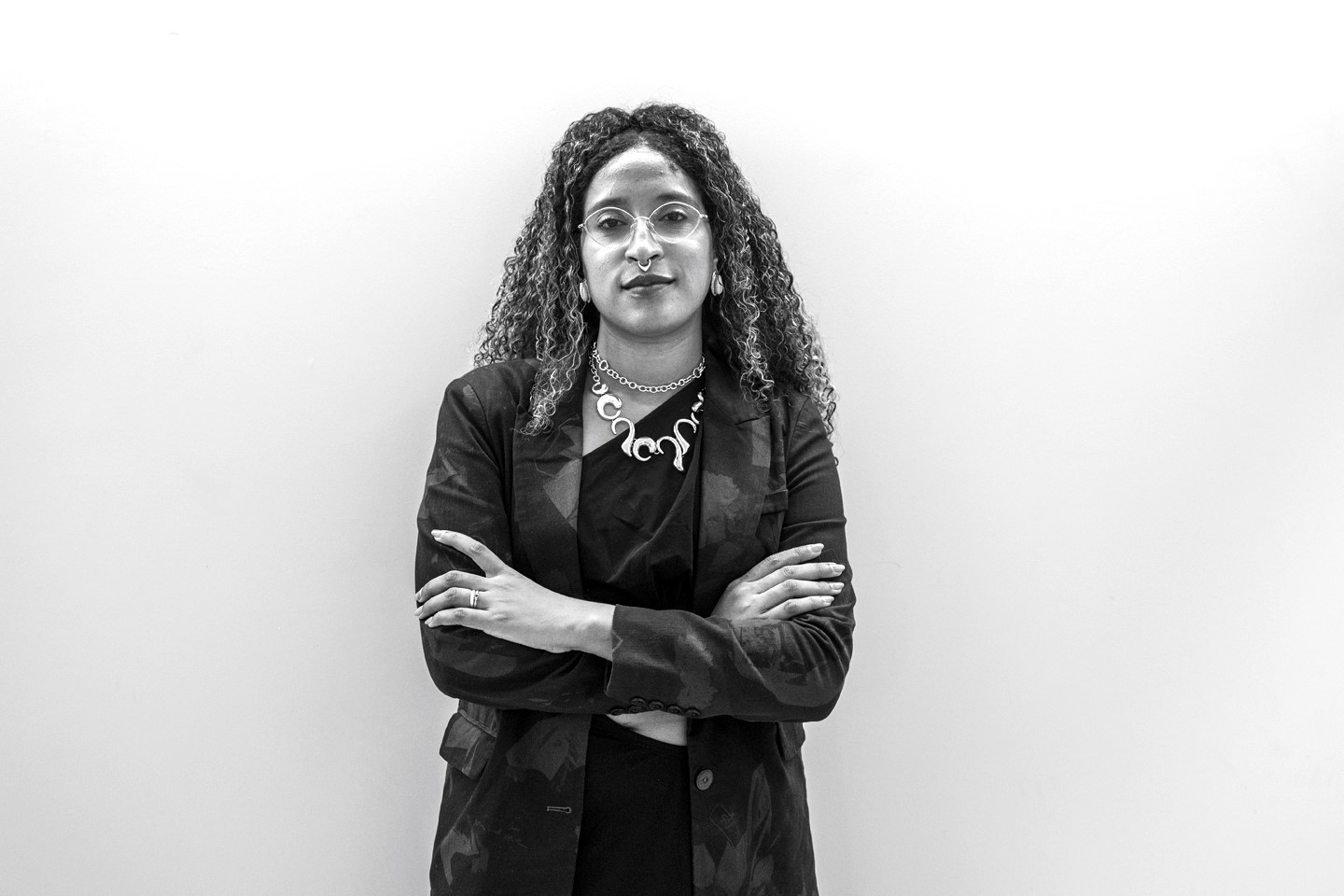
Yuliana Ortiz Ruano.
YULIANA ORTIZ RUANO
pista amorosa para una muchacha de futuro
they will erase us
they will say we do not exist
they will say there were no Black women who wrote
they will say it was impossible for a Black woman to write
they will say we were lovers
perhaps they will say we taught how to read
that we nursed
that we shouted in the streets
that we were freeing ourselves
that we did not have time to write
in daily survival
but they will erase us
they will say it is impossible
they will pull from the shelves the books we wrote
the physical newspapers will have been eaten by mold
the internet will go dark and there will be no way to find us
they will hide a couple of our objects in some filthy warehouse
but the girls of the future will seek us out
they will put their noses into the archives
they will sail in seas of archives of Anglophone Black writers of course
indeed they will find lovers
indeed they will find teachers
indeed they will find Black women who raised white writers who mention them
of course
speaking for them
many years will pass
fifteen perhaps
the girls of the future will have dark circles and anxieties
they will erase us
but one afternoon
no
one early morning
in the archive
they will open a false wall
they will put back in again
their noses where they should not have been
they will find this computer
they will find an antique machine
they will find a photo
a book
eaten by mold
where by chance a name appears
the girls of the future will rummage as much as you rummage
in the skin of lovers
since being meddlesome
investigating-us
is an act of love and overflow
they will find us
tousled
with dark circles and anxieties
writing
while we tried to survive fear
to the tremor of the days
to the fascism and racism of TikTok
and to love
that wanted us back
deep in the back of houses
and the girls of the future will write about us
and they will say it is fiction
because in the future fiction will lose weight
credibility
status
fiction will be populated by women
therefore it will lose weight and credibility
they will say it is fiction as if making fiction were easy
them
the ones above
will look with reproach at the baseness of fiction
them
who did not have to imagine a future
because they had it all solved
but the girls of the future will know how to fight
as we fought in the past
which is always a form of the future
as the girls of the past fought
machete
pole
or
poison in hand
the girls of the future will have other instruments
other weapons
like now I have this computer
and they will rebuild fiction as physical and sensory power
for you, girl of the future
who are finding me despite all the systematic efforts of erasure
even
of our Blackness
for you
and by you I am writing, brimming with future
***
ANTONIO PRECIADO
Antonio Preciado is a poet, professor, and diplomat born in Esmeraldas, Ecuador, in 1941. He served as minister of culture of his country. He is regarded as one of the great poets of Ecuador’s Negritude. Among his works, he has received notable recognitions such as the VII National Poetry Prize “Ismael Pérez Pazmiño” (El Universo, Guayaquil, 1965) and First Prize at the National Letters Festival (University of Guayaquil, 1967). His poetry collections include Jolgorio (1961), Siete veces la vida (1967), Poema húmedo (1981), De sol a sol (1979), Espantapájaros (1982), De ahora en adelante (1993), and De boca en boca (2005), among others. His poems have been translated into several languages.
Postcard Vision
In the middle of the day,
a little toward the afternoon,
I see the cherry tree and birds still in bloom,
and at the end of a row of memories and friends,
a radiant sun that extends its hand to me.
*
Poem with a Red Bird
The fiery bird is back again
the bird of fire that comes in the afternoons when I write
and stays with me for whole poems,
chirp after chirp,
word after word.
I watch in silence its gentle blaze
as it nests among my verses with devotion
and remains still,
watching me,
watching me,
as if wanting to see whether I too have wings.
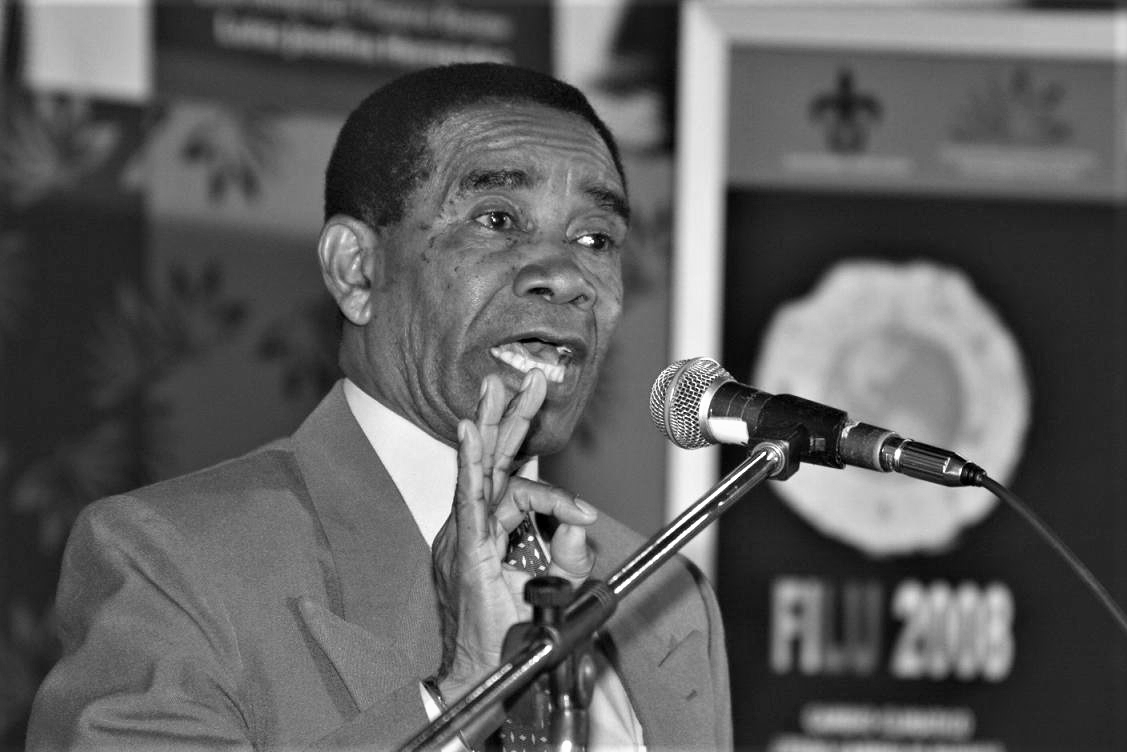
Antonio Preciado.
ROY SIGÜENZA
Abrazadero
For Ángel P.
Hugs of lovers
propel toward summer and winter;
they are the reason the water goes and comes back,
that light is there, especially at night,
and we know that we have not lost anything,
even though we have lost everything.
*
Escondites
Hotels do not allow
male couples
in love in their rooms
(and though they boast of heterosexuality
the receptionist always harbors doubts)
for them there are abandoned houses,
the hills, the parks,
the back seats of cinemas,
the buses
(the lights off)
where love goes, calls them, and receives them.
*
Piratería
I will go, what does it matter.
the night be a horse