
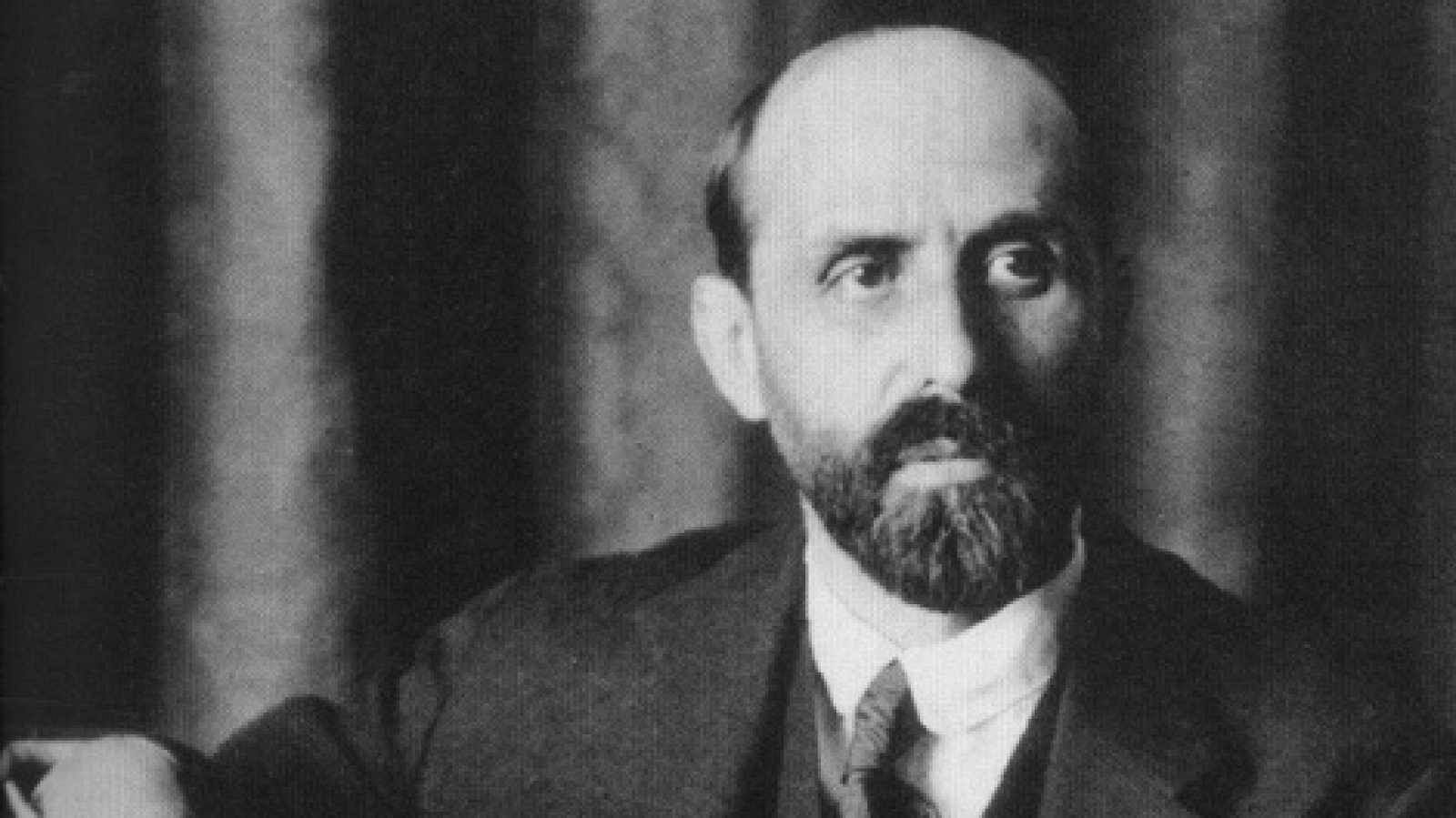
Experts from diverse literary disciplines will gather in Moguer and the capital city of Huelva for three days to commemorate the 70th anniversary of the Nobel Prize in Literature awarded to Juan Ramón Jiménez, in an international congress that will also study the poet’s work and Zenobia Camprubí’s role in the Generation of ’27.
According to the congress on its official website, under the title “Zenobia Camprubí, Juan Ramón Jiménez and the 27: Teaching and Living Experience”, a series of lectures and panel discussions will be held from October 26 to 28, taking as their axis the fact that October 25 marks 70 years since the Nobel Prize was awarded to the writer “for his lyrical poetry, a model of artistic purity and high spirituality,” making him one of the principal poets of the 20th century in world literature, as noted by the organizers.
In addition, on October 28 his wife, Zenobia Camprubí Aymar, died, and the 70th anniversary of her death is being commemorated; and on December 23 next year the 145th anniversary of Juan Ramón Jiménez’s birth will be observed.
Both figures were fundamental “in the cultural and creative dynamics of the Generation of ’27, both through the significant influence of Jiménez’s poetry and his role at the Residencia de Estudiantes, and through Zenobia’s activism,” the congress notes, highlighting her role in advancing the recognition of women’s dignity and rights, especially as one of the founders of the Lyceum Club Femenino and for her work translating Tagore and serving as a bridge between Spanish and North American literature.
In the months leading up to the Centenary of the 27, “it is only just to recognize that Zenobia and Juan Ramón (through whom we also receive the educational ideal of Francisco Giner de los Ríos) were two central figures at the very outset of the generation,” and that subsequently, the enduring impact of their example and their teaching remained alive even “through the harsh years of exile and the postwar period, and up to the present day.”
The conference is organized into four parts, starting with “Life and Work”, to delve into the lives and oeuvres of Zenobia Camprubí and Juan Ramón Jiménez through keynote lectures and panel discussions with prominent national and international experts; or “New Contributions”, featuring new and important data about Jiménez’s Nobel prize and his relationship with other Nobel laureates, Zenobia Camprubí’s activities in the decades prior to the Civil War, and, most notably, the support shown by both for the women writers and artists of the 27.
Another section will be “Juan Ramón and the 27”, designed to rethink in depth the poet’s influence on the 27 generation, “much deeper than what has been indicated to date,” and finally “21st Century”, to promote reading the works of both in the 21st century as a tool for building and developing a citizenship aware of the relevance of the link between ethics and aesthetics in artistic works.
The presentations at this international congress will take place between the Zenobia – Juan Ramón House-Museum in Moguer and the Aula de Grados of the Faculty of Humanities at the University of Huelva.