
This book curates forty-five English authors from across the ages who illuminate not only the cultural and social keys of our present, but also anticipate those of the future. This canon, however, is not descriptive. It is more of an engaging and accessible journey through more than a thousand years of one of the world’s most influential literary traditions.
In this making of José de María Romero Barea explains how he wrote History of English Literature Told in an Hour (El Desvelo).
***
When El Desvelo Ediciones proposed in 2026 the adventure of publishing History of English Literature Told in an Hour, my first reaction was absolute vertigo. How to enclose centuries of genius—from the pagan and heroic murmur of Beowulf to the postmodern and multicultural hybrids of contemporary England—in the narrow timeframe of sixty minutes of reading? The origin of the idea sprang from a challenge as conceptual as it was democratic: to strip literary history of its academic armor and offer it as an essential road map for the restless reader of the twenty-first century.
The gestation process was not without dilemmas. The main difficulty did not lie in what to include, but in the painful and surgical task of deciding what to leave out. Writing against the clock and against space forces you into radical stylistic asceticism. Every word had to justify its existence; every author selected had to function not only as an individual, but as the symptom and reflection of an entire era. I spent weeks debating how to balance the inevitable pillars —
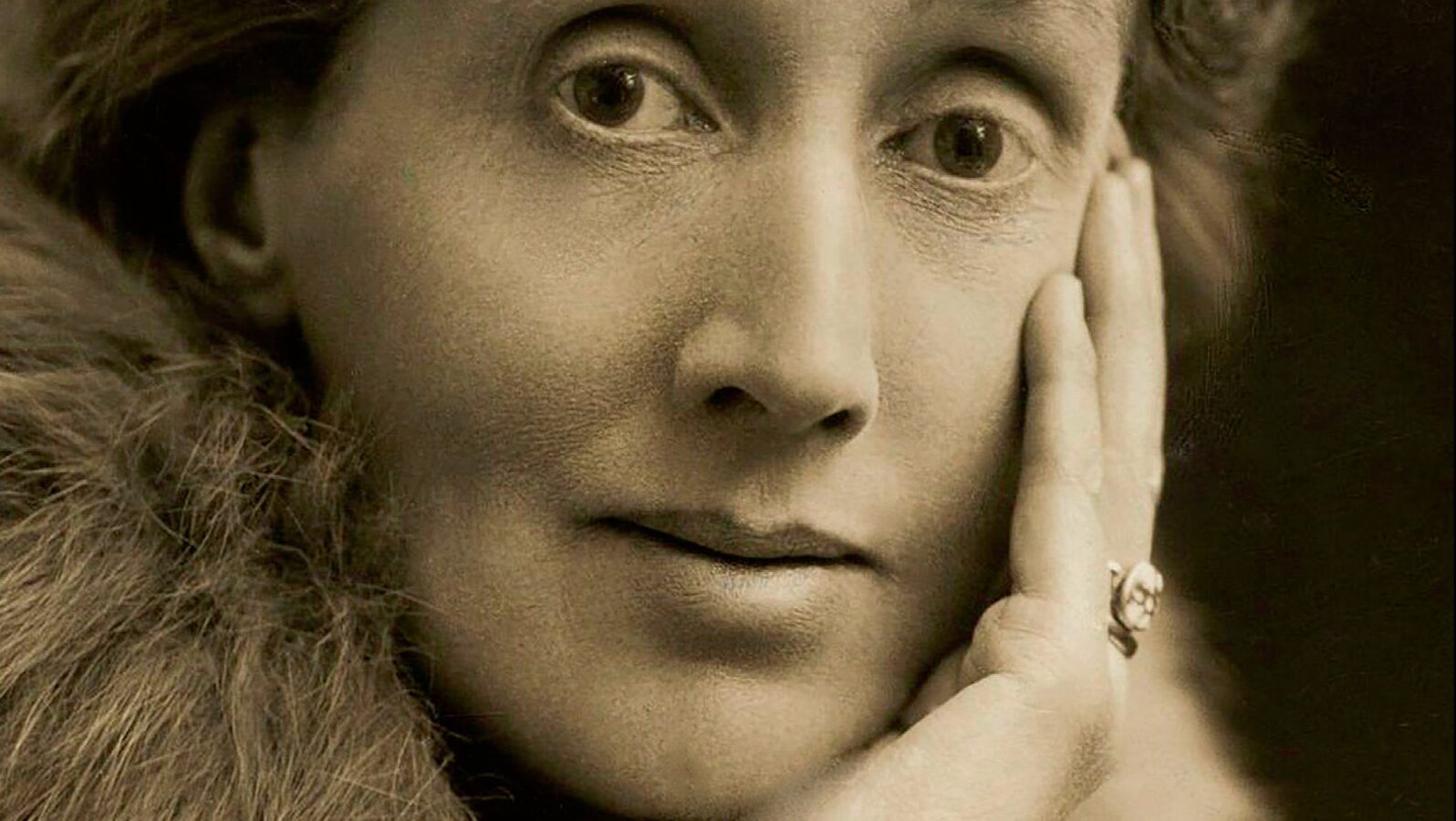
the linguistic revolution of William Shakespeare, the lucid devastation of Virginia Woolf, or the sharp meticulousness of Daniel Defoe
— with those peripheral but fundamental voices that expanded the boundaries of the English language. The challenge was to avoid a cold catalog of names and dates; I wanted to construct a fluent narrative, a race-against-time journey that kept the dramatic pulse of a novel.
The research phase forced me to return to my own readings and notes from years past, but with a completely new perspective. It wasn’t about hoarding encyclopedic data, but about finding the precise anecdote, the revelatory detail that explains an entire movement. I spent hours sifting biographies, letters, and critical essays, looking for that invisible thread that connects John Keats’s Romantic melancholy with the fierce disillusionment of the interwar generation. I wanted the reader to understand that English literature is not a static monument, but a living organism that breathes, mutates, and continually becomes entangled with the historical and social tensions of its time.
In that effort to trace lines of continuity, I delved into the most fascinating contrasts of English letters. It was thrilling to connect the Gothic, desolate gaze of Emily Brontë on the Yorkshire moors with the satirical precision and Victorian realism of Charles Dickens, showing how both responded—from opposite aesthetic trenches—to the upheavals of the nineteenth century. Likewise, the map would not have been complete without tracing the evolution of epic: from Geoffrey Chaucer’s moral irony in The Canterbury Tales to the ambitious language renewal in the twentieth century through figures like T. S. Eliot and the dystopian mastery of George Orwell. Achieving that all these minds dialog in such a compact space required a synthesis almost alchemical, seeking for the reader to perceive the British tradition as a continuous and uninterrupted echo.
The result is this small literary artifact published by El Desvelo Ediciones, conceived as a hospitable invitation. It does not aim to replace the great reference manuals, but to ignite the spark of curiosity. If after closing this volume the reader feels the irrepressible impulse to seek a poem by W. H. Auden or to lose themselves in the pages of a Jane Austen novel, the effort to condense the infinite into sixty minutes will have been worth it.
—————————————
Author: José de María Romero Barea. Title: History of English Literature Told in One Hour. Publisher: El Desvelo. Sales: Todos tus libros.