
To commemorate the 90th anniversary of the Civil War, José Ángel Mañas recreates in Zenda, day by day in this section, what happened in 1936, perhaps the most pivotal year in the entire recent history of Spain.
Saturday, August 22, 1936: The Modelo Prison Fire
“What is known about the Modelo?” —asked the Communist leader José Díaz.
—Right now it is burning —replied the Pasionaria. It is rumored that CNT members started it as an excuse to enter the prison and finish off the fascists. There is fear that the prisoners will take advantage to push their way toward the exterior. The militiamen want to take advantage of the fire brigade’s arrival to storm the prison. There are many with rifles stopping cars, buses, even trams, and they are all heading to Moncloa.
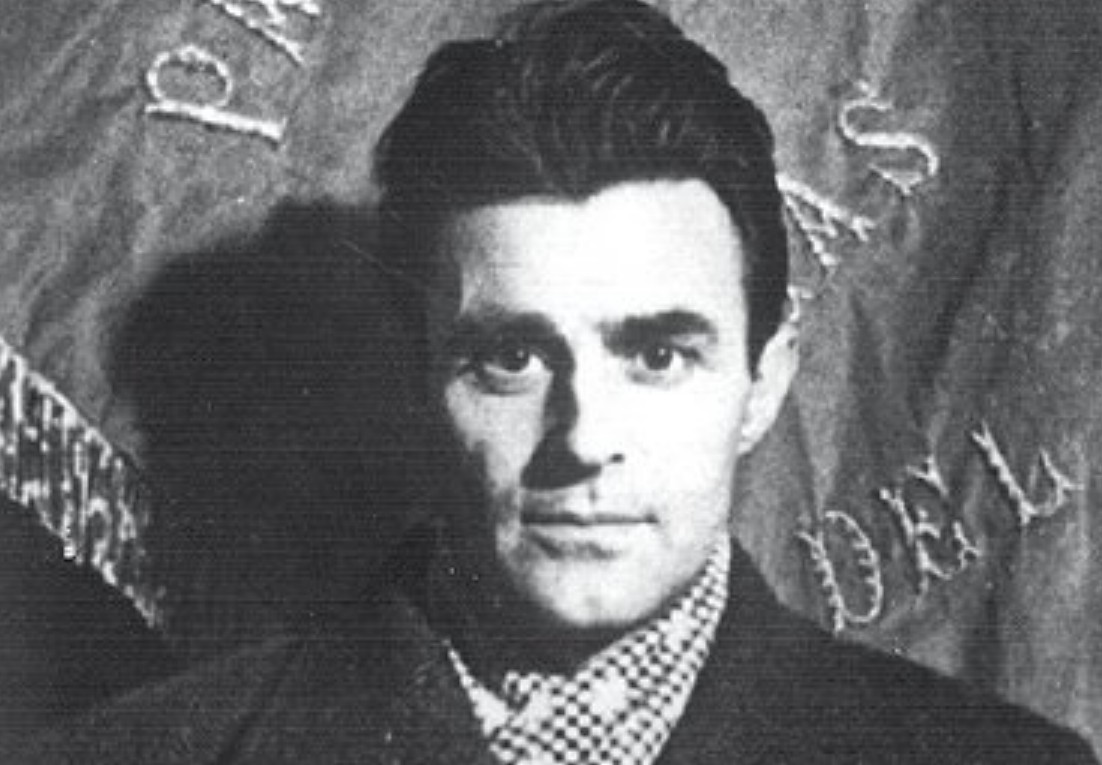
They were six in the evening. The communist leaders had gathered urgently at their headquarters, where in its time stood the National Council of the CEDA led by Gil Robles, on Serrano. The building remained the same. Some chair on the landing of the marble staircase, where a militiaman kept guard, still had its cover on. Sitting at the desk in Gil-Robles’s office was José Díaz, with his long, dark, contemplative face. He looked sickly and seemed older than he was. There he worked incessantly and peered from the balconies whenever a column approached to greet before heading to the front.
Today he was accompanied by Pasionaria and Vicente Uribe. The three wished to survey the situation. Meetings were increasingly lasting well into the night, when they took turns in the Gil-Robles meeting room, where on field cots each man and woman would catch a couple of hours’ sleep.
Uribe, the director of Mundo Obrero, was a short Basque man, well-read and laconic. His familiarity with the locals and having directed Dolores at the newspaper meant that, with little, they understood each other. Uribe handled the link with the Ministry of War, and lately had quite a few frictions with José Díaz. But the Pasionaria managed to smooth over the differences, softening the tensions between the two men.
The three felt tense and exhausted. If during meetings Dolores often sank into a chair next to the door, today she and Uribe stood; only José Díaz remained seated. Díaz, who spoke little for an Andalusian, usually left the weight of the longer interventions to Dolores. But when he spoke, everyone listened and he weighed in decisively, bringing any matter to a close. Despite his courtesy, even a mild reproach from him caused the others to shrink. He was an atypical personality among Spanish politicians, given to shouting, and now he listened as the Pasionaria cried out against provocation, while he reflected.
—There has clearly been a collective and intentional burning of mattresses —he said—. But who started it and what are they seeking with it?
—In my opinion —interjected Uribe—, if they are the fascists, what they seek is to create alarm, provoke clashes in the streets, and show abroad that the Government does not control the capital. And if they are the anarchists, to liquidate prisoners, which would not suit us either. For now, at least.
—Those arriving from Moncloa report smoke billowing from the windows and a great deal of anger, with attempts to storm the prison and execute the fascists. Prison officials are not in control of the situation. Something must be done, and soon —insisted the Pasionaria.
Outside, more people kept arriving, awaiting orders. José Díaz pondered. Finally, in a calm voice, he said that it was necessary to reach out to socialists, anarchists, and Republicans, and to send representatives from each party to calm the people. “Les prometeremos que un tribunal extraordinario se ocupará de inmediato de los responsables del motín fascista” He stood up, and the three left to inform the militants of the agreed course of action.
Todas las entradas de 1936 día a día
Entrevista con José Ángel Mañas sobre 1936 día a día