
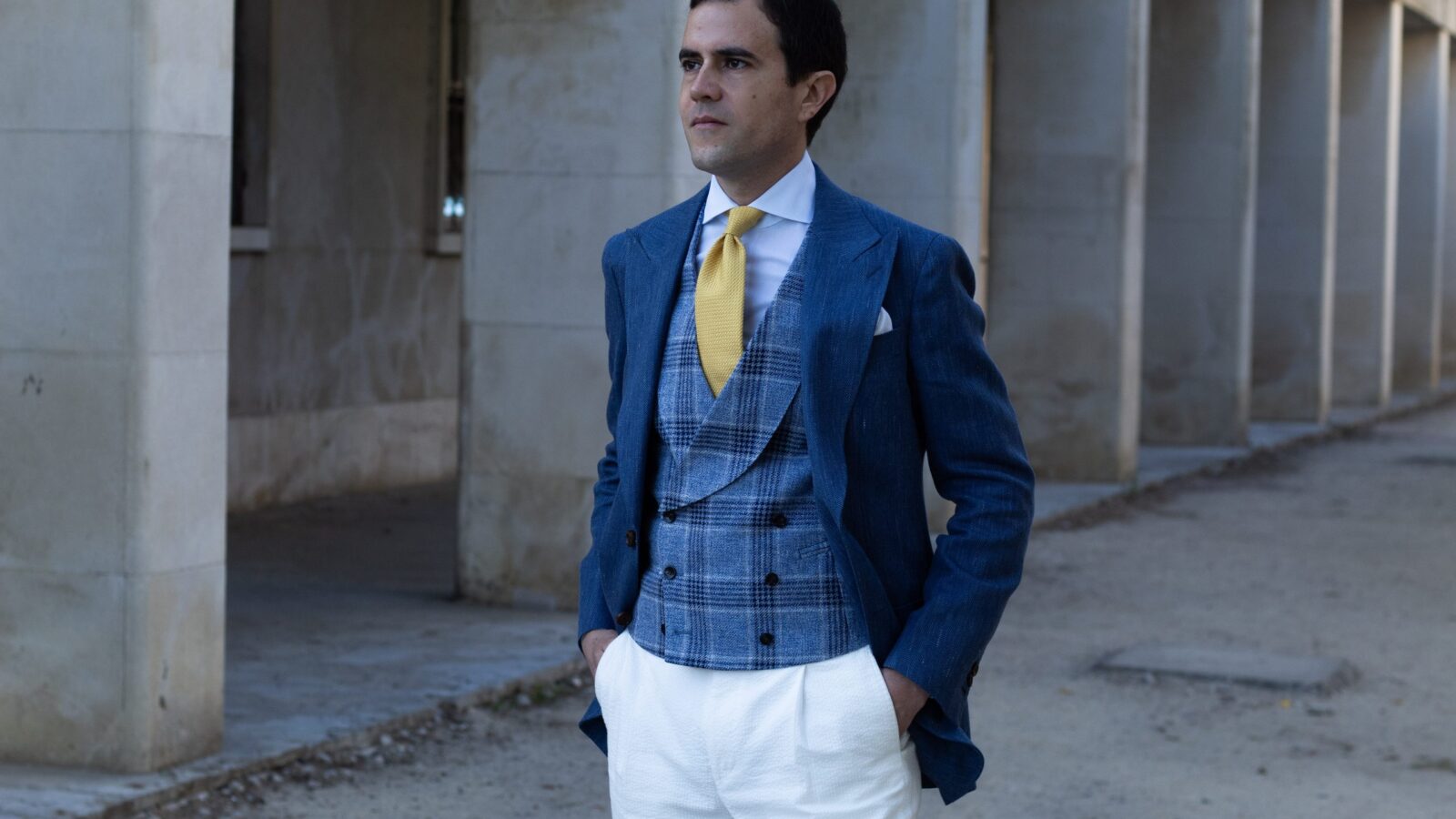
Cover photograph: Celso Varela. © Larissa Louro
The twentieth edition of this prestigious prize has sparked the interest of 77 entrants, who submitted their works from all over Spain and numerous Latin American countries, a number of submissions that is, curiously, identical to that of the 2025 edition. The monetary prize for the three selected works amounts to 5,000, 3,000, and 1,000 euros gross, respectively.
The jury, which deliberated for more than two hours at the Madrid headquarters of AISGE (calle Ruiz de Alarcón 11) this past Monday, November 23, was composed on this occasion by the RNE journalist Pepa Fernández; the cultural manager, writer and director of Ámbito Cultural/El Corte Inglés, Gervasio Posadas; the singer-songwriter, writer, psychologist and music therapist María Rozalén; the playwright, university professor and vice-rector of the Universidad Carlos III, Alejandro Melero; and, on behalf of the organization, the actress and AISGE councilor Susana Córdoba. All of them stressed the “high literary and thematic quality of many of the works submitted, both in the general category and in the young authors category.”
A strike of historic reach
The winning work, centered on the actors’ strike that brought the stages to a halt in February 1975, at the tail end of Francoist Spain, saw publication on eldiario.es on November 22, 2025, as part of a special investigative feature by this digital newspaper marking the 50th anniversary of Franco’s death. In addition to covering the most relevant aspects, as well as the more peculiar ones, Beatrice Bergamín revived interest in those events by interviewing for the occasion some of its most prominent first-hand protagonists, from Enriqueta Carballeira to Tina Sainz or Pedro Mari Sánchez.
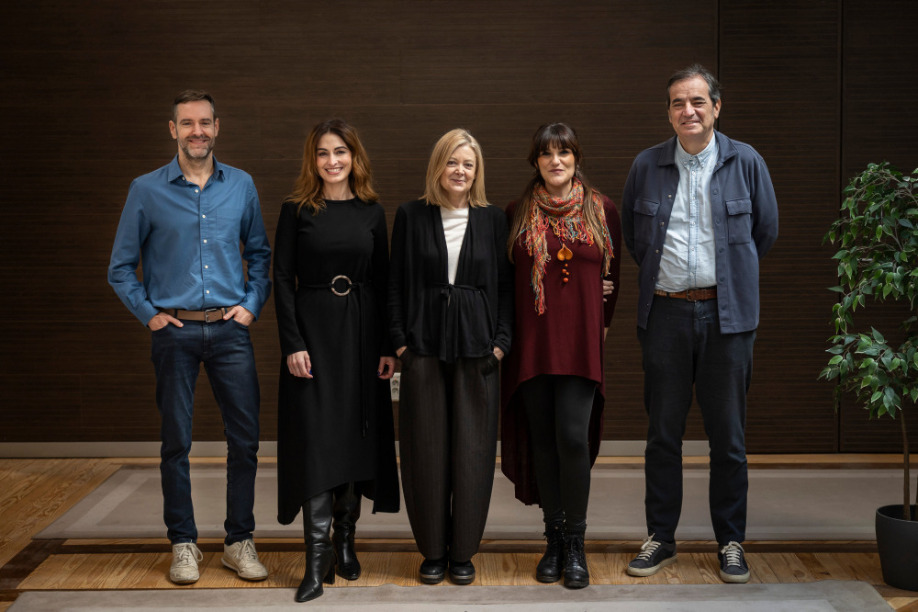
Alejandro Melero, Susana Córdoba, Pepa Fernández, Rozalén and Gervasio Posadas, members of the jury of the XX edition of the Paco Rabal Award for Cultural Journalism (photography: Enrique Cidoncha)
A tribute to the author’s mother
Celso Varela (Alicante, 1983), a professor of Spanish at the University of Lisbon — where he has lived since 2012 — drew inspiration for writing Turkish Series: the Fever of Spain’s Mothers after his own mother pointed out to him what she perceived as his resemblance to Barış Arduç, the male lead of the Turkish series Kiralık Aşk (in Spanish, Te alquilo mi amor). “My mother has been deeply struck by Turkish series, and I have witnessed that process. She is so passionate that, among all the texts I have written, this is the only one she asked me to change something about. Before publishing it in Zenda, I showed it to her to see if anything I wrote would upset her. She didn’t object to that, but she did not like the line that said the Turkish actors wore cheap suits. It felt like an unacceptable slight against her idols, and she urged me repeatedly to indicate that the clothes they wore were of high quality. When I called her to tell her I had won a prize, she asked again whether that sentence could be revised.” Regarding the prize, Celso remarked: “Winning this commendation is a triple joy. I’m happy for myself, naturally, because it is gratifying that the jury of such an important prize has found value in what I write. I’m also happy for my mother, who is a wonderful woman, because in this piece I talk about her with humor, but also with a great deal of affection. And thirdly, I’m happy for Zenda, which, among other things, is an excellent platform for unknown authors to break through. Zenda has always given me complete freedom to do what I wanted, and that has allowed me to explore different creative paths. It is an honor to be a Zendan writer.”
Varela published his article in the literary magazine Zenda on March 15 of the previous year, with a markedly ironic and self-referential style that he describes as “hybrid literature.” This university professor will publish, in early 2027, his first book, The Dandy’s Lookout (Círculo de Tiza), a collection compiling a series on dandism that was suggested to him by the writer and academic Arturo Pérez-Reverte.
A novel figure on sets
The Tenerife-born Yoel Peña, who had just turned 24, met Rebeca Medina when he was assisting with the communications team at the Teatro de La Abadía and she joined the staging of the play Los amores feroces (October 2025) as intimacy coordinator. “Between Rebeca and me there developed almost a friendship, and in the summer of 2026, while covering a vacancy in the Culture desk at Cadena SER, I proposed a feature about her work,” he explains, noting that he currently forms part of the Communications team at the artist representation agency Mesala Films.
The Canarian journalist, who now coordinates the interview schedule for performers such as Eduard Fernández, Emma Vilarasau, Ana Rujas or Bárbara Lennie, hopes that the Paco Rabal recognition will help him balance his present activity with “the other side” of journalism. “I love communication, but I also think, when I see my artists with other colleagues, how much I enjoy conducting interviews myself.”