
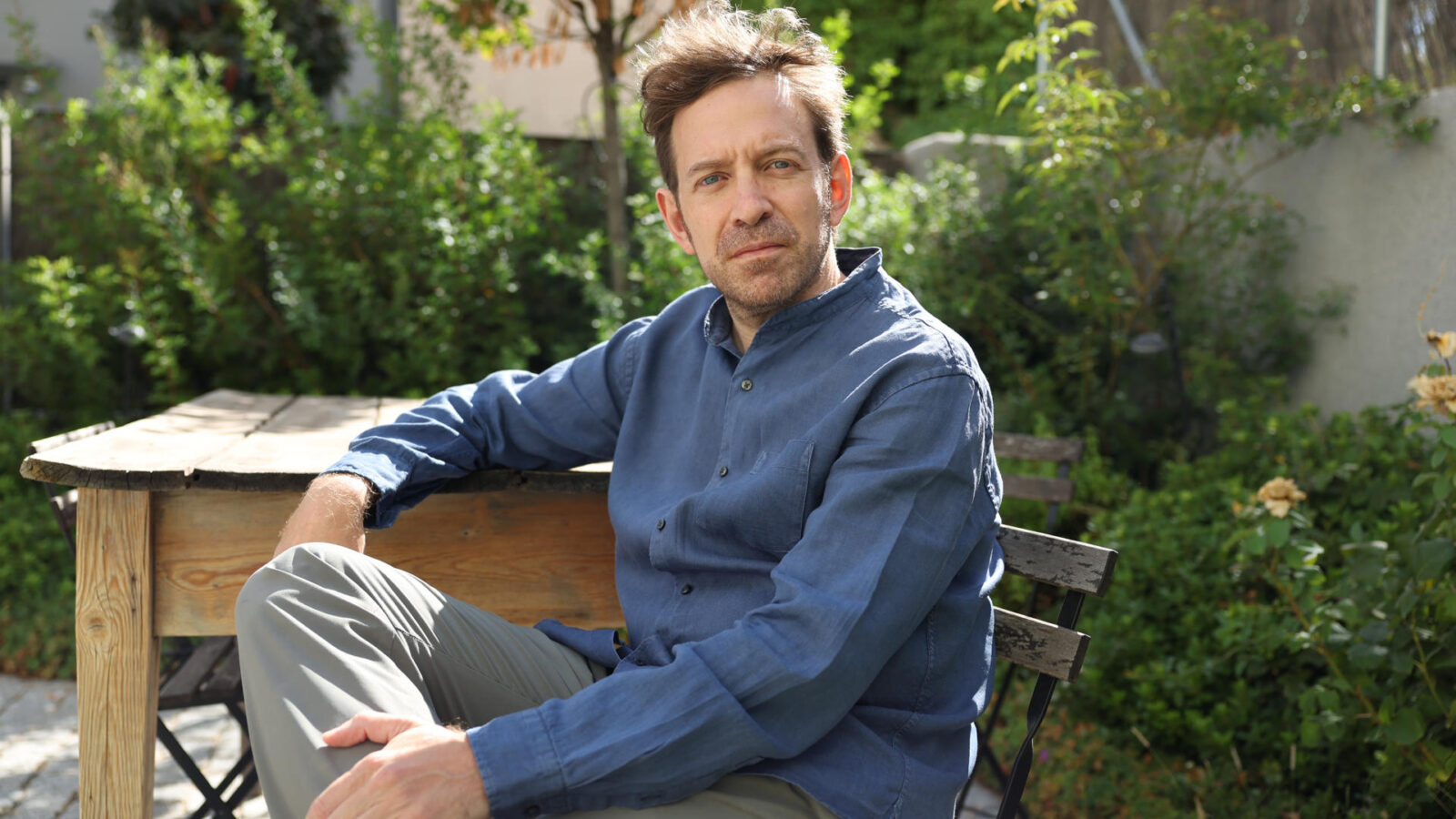
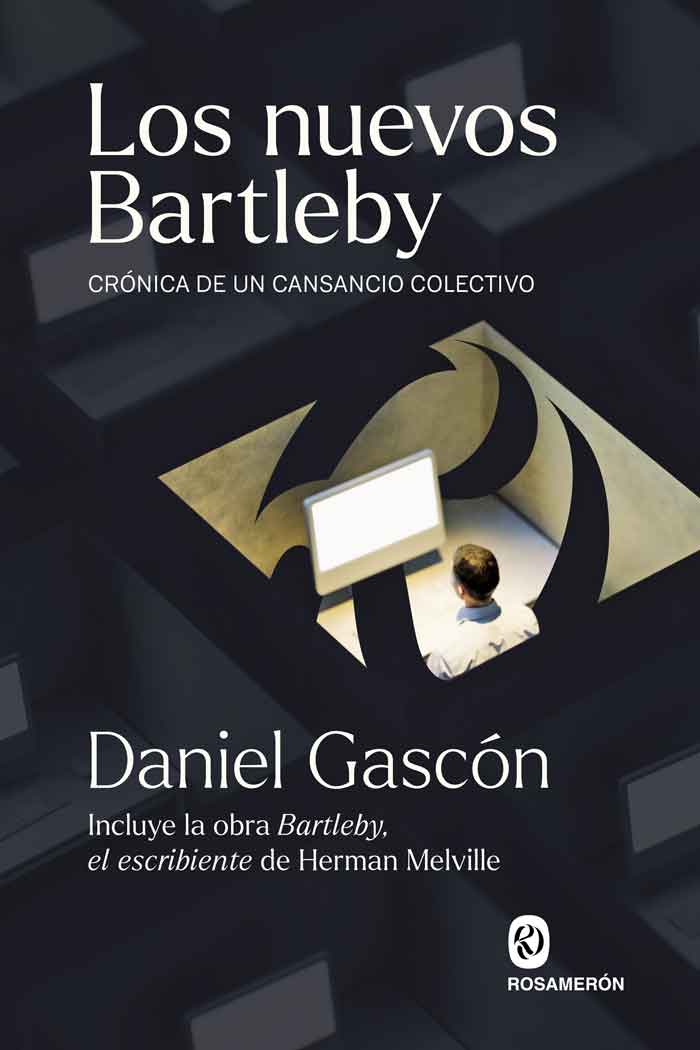
Fatigue, uncertainty, and a loss of trust in the future have turned Bartleby’s “I would prefer not to” into a mirror of the present for the Zaragoza-born writer Daniel Gascón, who in The New Bartleby (Rosamerón) analyzes a society marked by precarity and hyper-connectivity, while warning that “if you think there is no way to improve things, you can’t think of how.”
The writer starts from the famous refusal of Bartleby, the character of Herman Melville, to approach from literature, sociology, and economics phenomena such as burnout, The Great Resignation, youth apathy, intergenerational tensions, social networks, polarization, or the uncertainty surrounding artificial intelligence and the future of the planet, in an essay that also includes his translation of Bartleby, the Scrivener.
Gascón explains in an interview with Efe that he chose the character because he liked “the old tale” and “it has generated many interpretations.” Nevertheless, his proposal consists of observing it from “many aspects”, with “a bit of sociology, of economics, with literature also” and “with humor too, with a certain ironic sense.” In that journey he identifies a shared sense of fatigue that relates to a fast-paced society in which everyone does many things at the same time, and at the same time none, a dynamic that “produces a bit of fatigue,” to which a not-so-hopeful outlook for the future is added, marked by dystopias, climate change, uncertainty, and increasingly unclear expectations of progress.
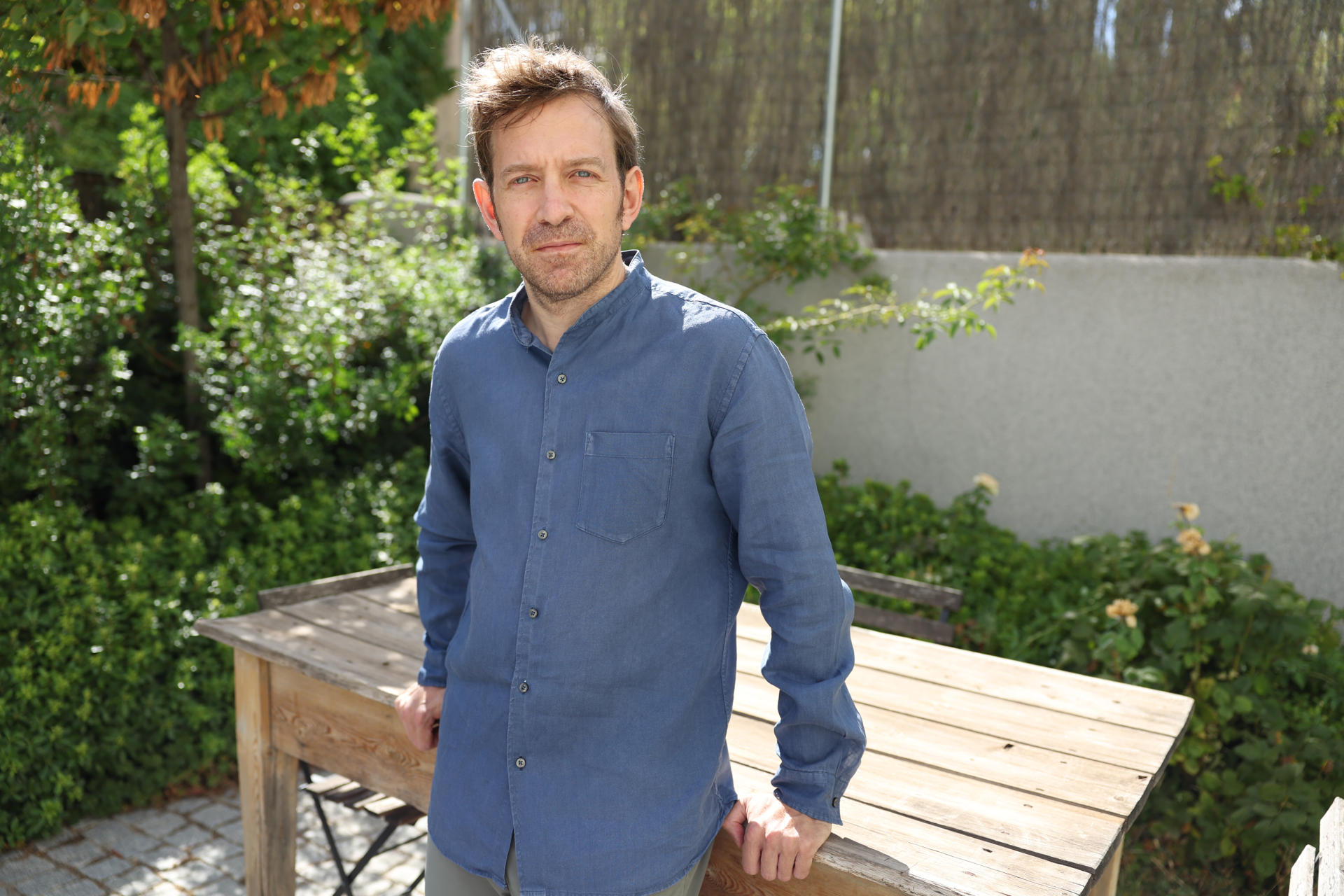
Efe / Kiko Huesca
Gascón adds that this exhaustion can be seen even in the different concerns of the left and the right, since “for the right the fear is a bit demographic,” referring to the fact that “nobody has children,” while “for the left it is climate change, which also makes life very difficult for people.” In his view, these problems are important, but “sometimes looking at them in too pessimistic a light does not solve them, it makes them more serious.”
The author also situates part of that malaise in the current working conditions, because “jobs are no longer as they were before, they aren’t as stable” and “work is a part of life, but not all of it.” Gascón thus distinguishes between rejecting work and rejecting certain working conditions, since “there are things that make sense, of course, to set limits on,” especially to preserve time “for leisure, for your hobby or to be with your family.” However, he warns that some demands related to flexibility can also hide an adaptation to the loss of purchasing power.
The book also addresses the difficulties for young people in accessing housing and gaining independence in a context where “the system helps older people more,” though the author considers the generational conflict complex because older generations can also think “‘I’ve worked all my life, I deserve it too’.”
Social networks constitute another space of exhaustion and polarization analyzed by Gascón, who argues there is a “cacophony” in which “only two things are said,” creating “a kind of polarization where there may be less diversity of opinions than we would think at first,” although he also acknowledges positive aspects such as “the ability to express oneself” and the possibility of “connecting with people”. The problem, in his view, lies in making you the master of the network and not letting the network master you.
Frente a este escenario, Gascón sostiene que resulta relevante recuperar una idea de futuro ligada al progreso, porque “si piensas que no va a haber forma de mejorar las cosas, tampoco se te ocurre la manera de mejorar las cosas,” una confianza que, señala, estuvo más presente en los primeros años de la democracia española y que hoy resulta menos evidente. Por eso, ante una sociedad fatigada, aboga por la posibilidad de volver a decir que “vale la pena hacerlo” porque “solo pensar que puedes mejorar abre un camino”, además de salir de la burbuja mental y recuperar “la variedad y un poco de humor” convencido de que “hay esperanza de que suceda”.