
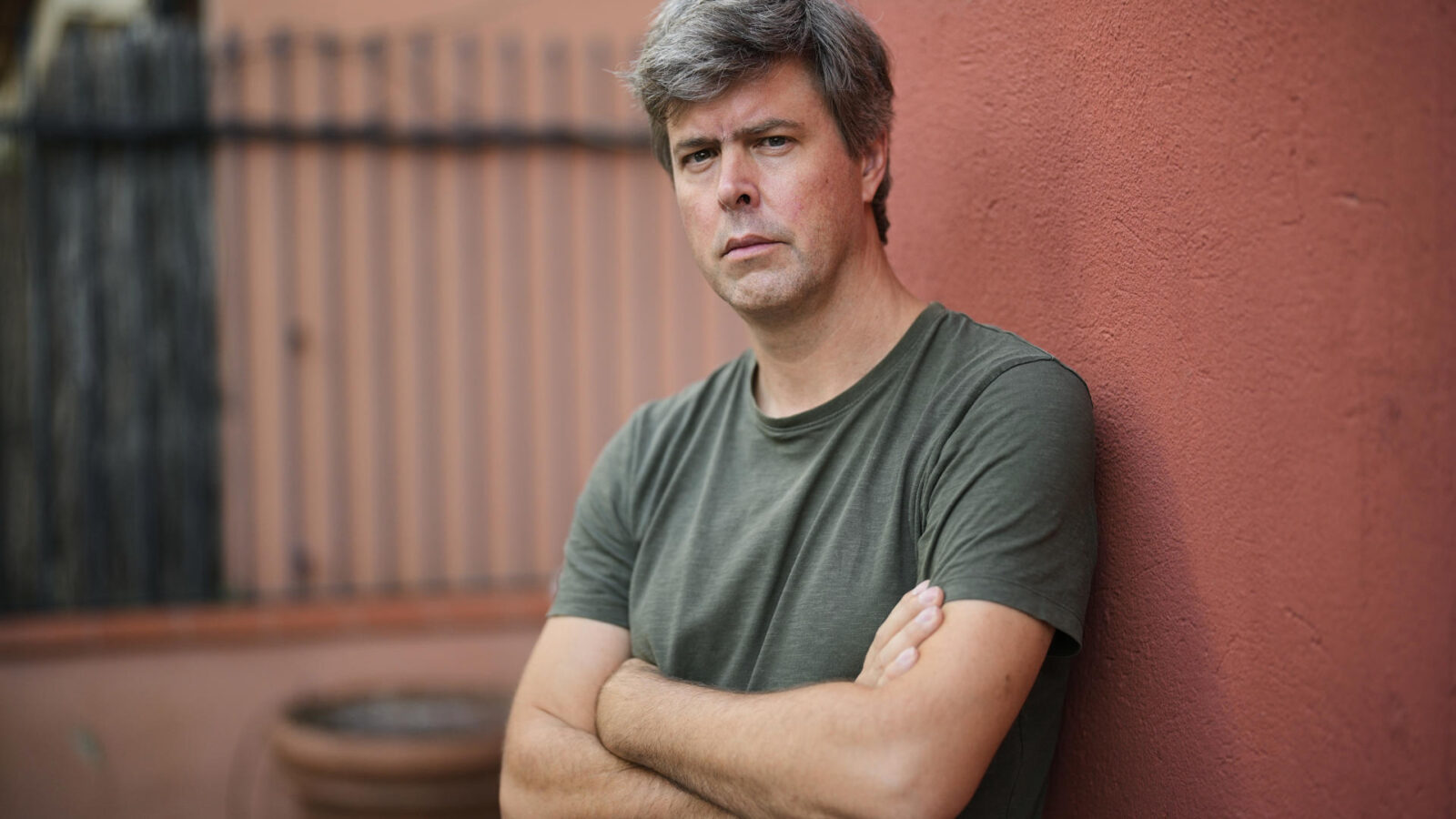
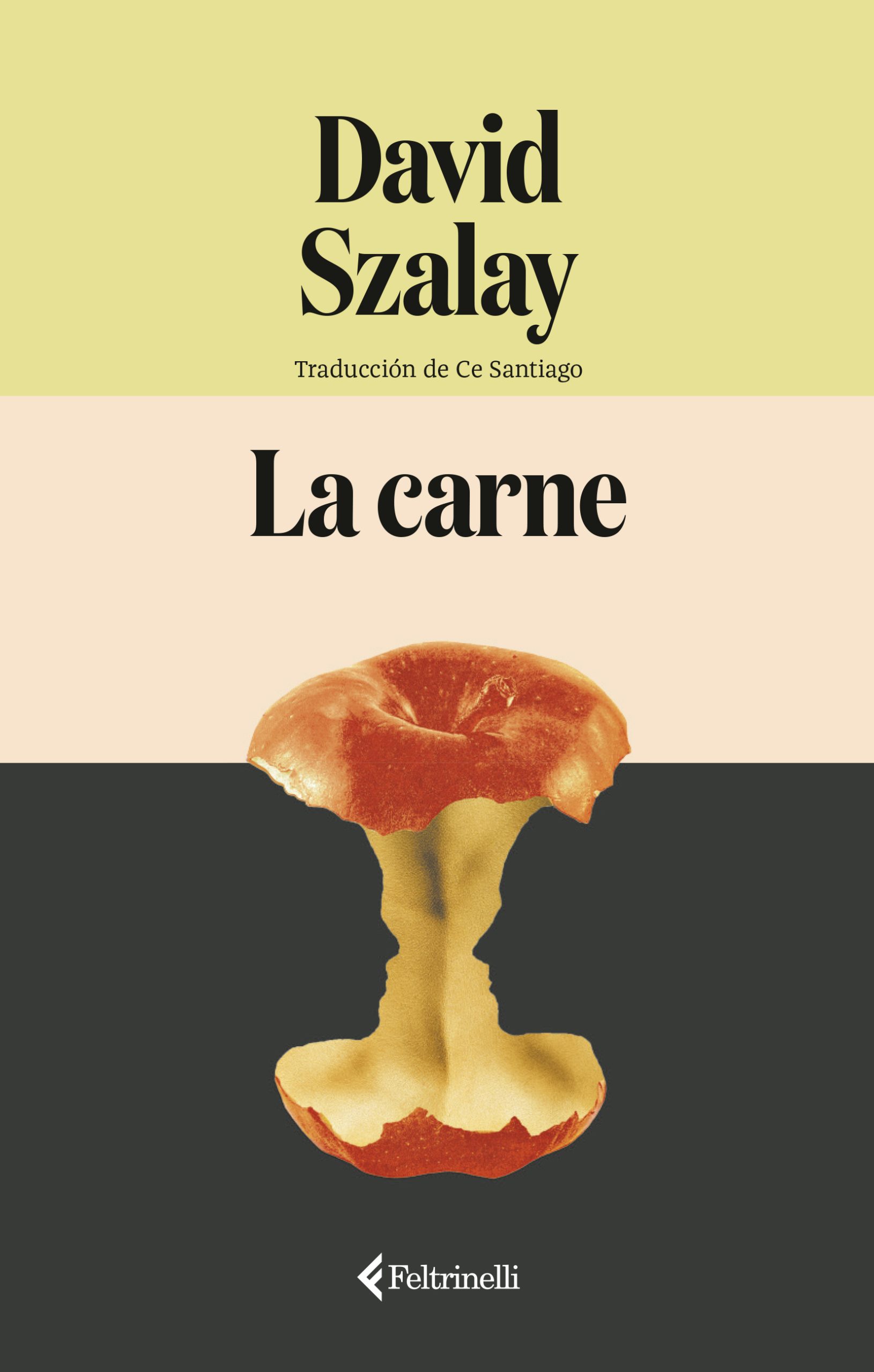
Although his literary agent did not place much faith in a novel titled Flesh (The Flesh) winning the Booker Prize, its author, the Anglo-Hungarian David Szalay, has spent ten months traveling the world to promote this book, which is now published by Feltrinelli in Spanish and in Catalan in Amsterdam.
On his first visit to Barcelona, he jokes that he must be the only writer to land in the city for the first time, Szalay discusses his latest award-winning story, crowned with the Booker 2025, starring István, an enigmatic yet magnetically compelling figure who moves through life with a dispassionate calm. Some critics have described him as a “heterobásico.” A work layered with exploration of desire, the tangible, the physical, masculinity, class divisions, and what people don’t say to one another, it is also a panoramic sketch of Europe’s recent four decades, marked by dialogues that cling closely to spoken language, and these conversations drive the narrative and give it a strong sense of realism.

«In fact, while they do it —David Szalay writes in…
Asked whether he believes humans are more flesh than spirit, the Canadian-born writer with Hungarian roots and British citizenship does not hesitate to affirm that “clearly we are more flesh than spirit.” Yet he hopes this question is not presented in the novel as reductive. “Clearly, we are more flesh than spirit; first we are the body, and afterwards everything else follows. In this story I wanted to explore this physical experience, but I hope the emotional, spiritual, and intellectual aspects radiate as well, because they are there,” he explains.
From the outset, Szalay understood that the book would span almost an entire life of a single character, in this case a man born in Hungary, a country under Soviet influence at the time, shy and hermetic, who at the age of fifteen begins a clandestine relationship with a neighbor during a quarantine. This young man would later enlist in his country’s army and eventually end up living in London among wealthy families, ultimately becoming a multimillionaire.
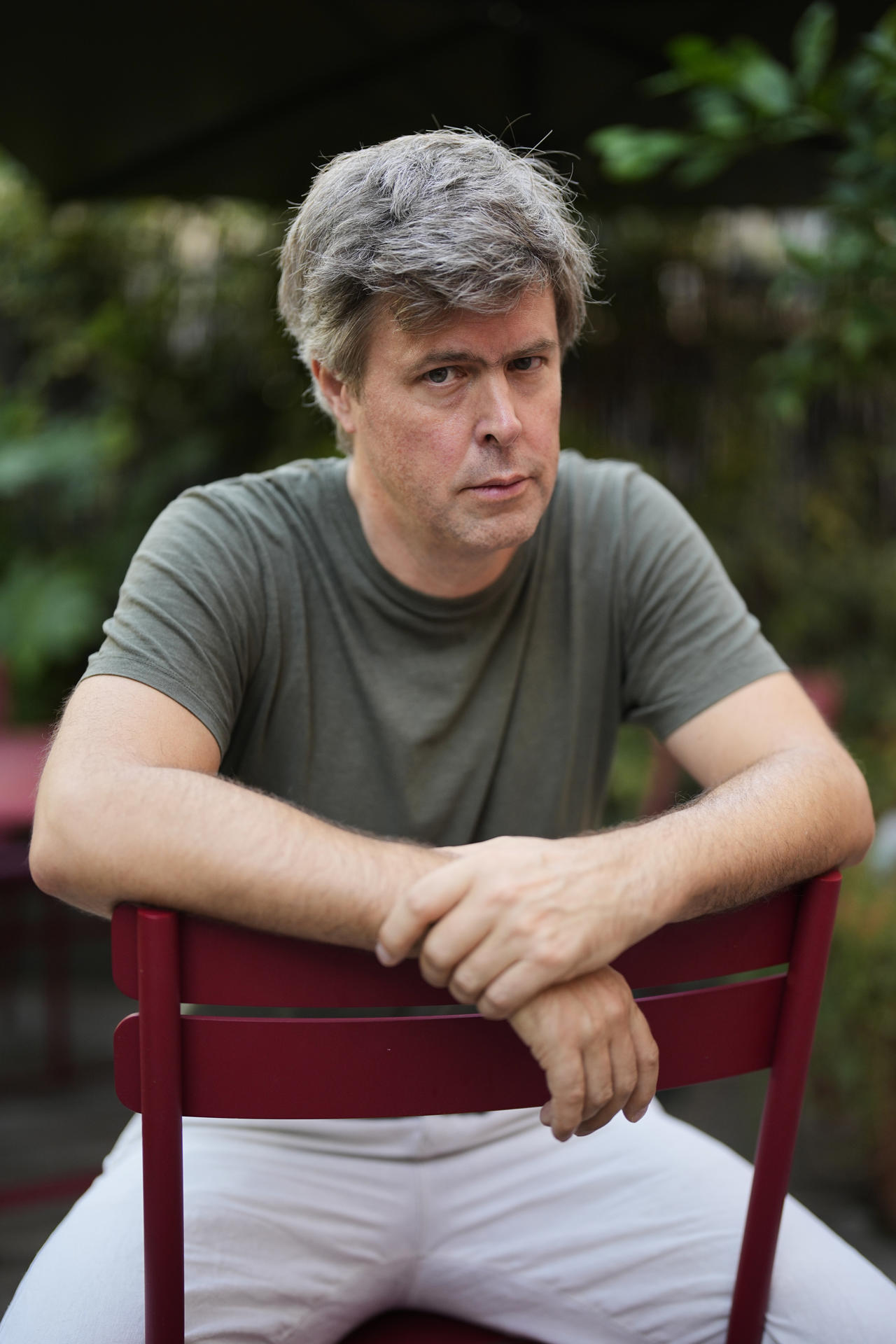
Photo by EFE / Alejandro García
“The book needed to span different eras, at least forty years, which is why it offers a snapshot of Europe and the pivotal events of this period through István, who travels from Hungary to England. Through him I address a phenomenon that reveals much about people who have moved from Eastern Europe to the West.” Another line of inquiry that the author, who now resides in Vienna (Austria), has pursued is the “interaction” between History, in the grand sense, and individual lives, a dynamic that allows possibilities to open or close for people, with outcomes that can be either positive or negative.
In this tale of István’s upheaval, the role of chance is never far away; it is “a very important part of everyone’s life, at every level, from the moment you are born, where you are born, and the family you are born into, to later questions that may seem more random but are not.” Another central theme that emerges is the capacity to act, “our individual freedom and the relationship between it and chance.”
With the audiovisual rights sold, David Szalay is collaborating with two other people on a screenplay for a film adaptation of the novel, though he warns that he does not yet know how the project will unfold. Nevertheless, he can share that the director they have approached—though he declines to name them—envisions portions of the story to be shot in Hungarian, which means the lead actor should be fluent in that language.
As for whether he feels the Damocles’ sword hanging over him since winning the Booker last November, he confesses that since then he has been moving from one appearance to the next, with little time to reflect. “We’ll see when I sit down at the computer again. We’ll see whether there’s a mix of pressure or relief.” Because what Szalay, author of other acclaimed works such as All That Man Is, also prize-winning, makes clear is that he will continue to write, tackling themes similar to The Flesh, albeit with a tone leaning more toward comedy.