
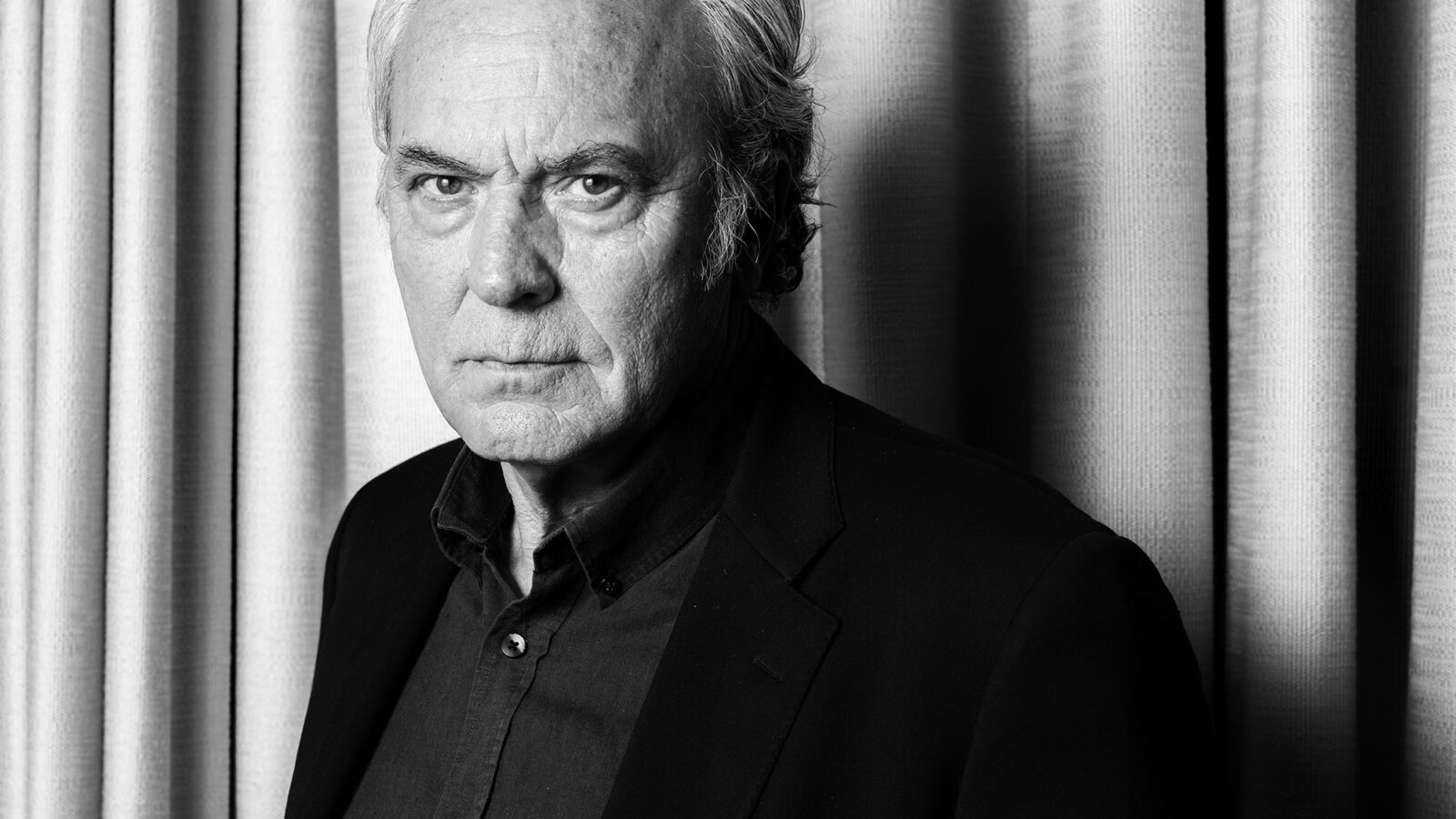
After decades of building some of the most complex men in Spanish cinema and television, José Coronado now faces a new challenge: bringing to life Hopalong Basil, the retired actor turned detective who stars in The Final Problem (Alfaguara), Netflix’s adaptation of the celebrated novel by Arturo Pérez-Reverte.
We meet the handsome actor to talk about mystery, about Sherlock Holmes, about the passage of time and that strange privilege of reaching maturity with more questions than certainties.
*****
—In The Final Problem you portray a retired actor who ends up becoming a detective. What was the first thing that drew you to Hopalong Basil?
—Precisely that contradiction. It’s a man who has lived pretending to be someone else and who, when he thinks his career is over, discovers that the craft of observing, listening and reading people was the best training possible to investigate a crime. I found it brilliant: an actor who uses the tools of interpretation to uncover the truth.
—Pérez-Reverte tends to write characters with a lot of scars. Where did you find Basil’s?
—In the wear and tear. Basil isn’t a young hero; he’s an elegant, intelligent man, deeply tired. He carries defeats, losses, and a certain melancholy. That kind of characters are wonderful because they no longer need to prove anything. Sometimes you realize the truth of that saying: “Less is more.”

—There is something very yours in this Basil on film: the way he enters a room, how he treats a woman, how he lights a cigarette… Do manners count, too, and do you practice them?
—In a way, yes, but they’re also learned by osmosis. I belong to a generation where our parents, the older folks in general, taught us many things without ever sitting down to say, “Now I’m going to teach you this.” You learned by watching; it was natural. How he greeted, how he treated a woman, how he behaved at table, how he expressed thanks. It was a different era and certain things came built into education. They weren’t spoken about. They were there. But I’m wandering off…
—And are those things slipping away?
—Well. Some are. And it saddens me. I’m not talking about returning to the Fifties, which had many things that, thankfully for everyone, we’ve left behind. I’m referring to courtesy, to the concept of respect, and to a certain bearing. Things that should never go out of fashion.
—And suddenly you’re given a character that belongs precisely to that world.
—Yes, and there was a lot of material there. Basil belongs to an era when a man dressed for dinner, held a door open, knew when to speak and when to keep quiet. All of that helps you build a character a lot because before he says a word you already know who he is.
—And, moreover, he smokes.
—He smokes a lot! (Laughter) And I’m a former smoker, so it had its charm.
—But here the smoke matters. It’s not just smoking. The series recovers that cinematic smoke from the fifties.
—Of course, of course. The cigarette, then, was part of the character. Think of Bogart. The smoke, the trench coat, the light, the way of holding the cigarette… Cinema turned all that into iconography. Today we know what we know about tobacco and I’m glad I quit, but cinematographically the smoke is marvelous.
—The Final Problem seems to relish precisely that cinema: the hotel, the storm, the suits, the incredibly elegant women, the murder…
—Yes, there is an evident homage to a cinema that no longer gets made that way. To the great American cinema and also to the European cinema of the fifties, when a film could take its time to watch a character enter a room. Hitchcock, Billy Wilder, that American noir; and then the Italians, Visconti, De Sica, Fellini. Directors who understood that an actor’s face and gaze also tell a story.
—Do you miss that cinema?
—I miss some things about that cinema. Look, today there are extraordinary things being made. But that cinema had time and mystery. You didn’t need to explain everything.
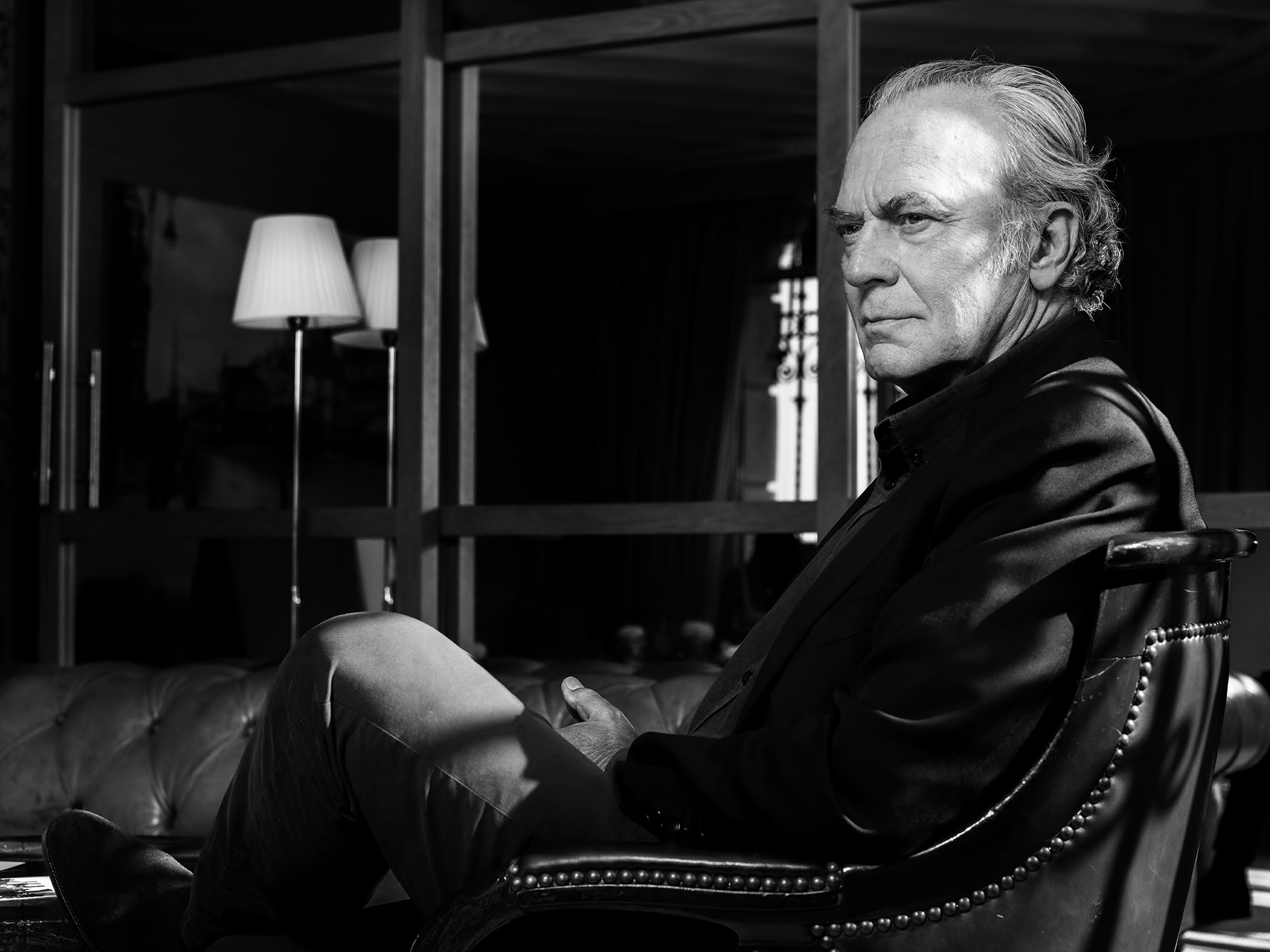
—Do you observe as closely as a detective?
—Quite a bit more than it might seem. We live in the silences, in how someone crosses a door, in a look that lasts half a second, or in a trembling hand. All of that tells a story. And in a detective, the method isn’t far away.
—The action unfolds on an island cut off by a storm. Essentially another character.
—Completely. That isolation creates extraordinary pressure. No one can escape, everyone suspects everyone, and the landscape ends up shaping the characters’ behavior. Shooting there felt like being inside a closed-room novel: the wind, the rain, and the sea worked with us.
—You have played cops, judges, criminals, businessmen, doctors… What does a character bring you today that perhaps wouldn’t have interested you twenty years ago?
—Age gives you nuances. When you’re young you tend to seek intense characters; now I’m drawn to the complex ones. I no longer need a man to be good or bad. I simply need him to be deeply human. Basil is full of contradictions, and that’s a gift for any actor.
—Has your method for preparing a part changed as well?
—Yes. In the past I amassed information about the character. Now I try to empty myself a little more. I read, I research, I talk with the director… but there comes a moment when you must trust your intuition. Experience is precisely knowing when to stop preparing and start living the character.
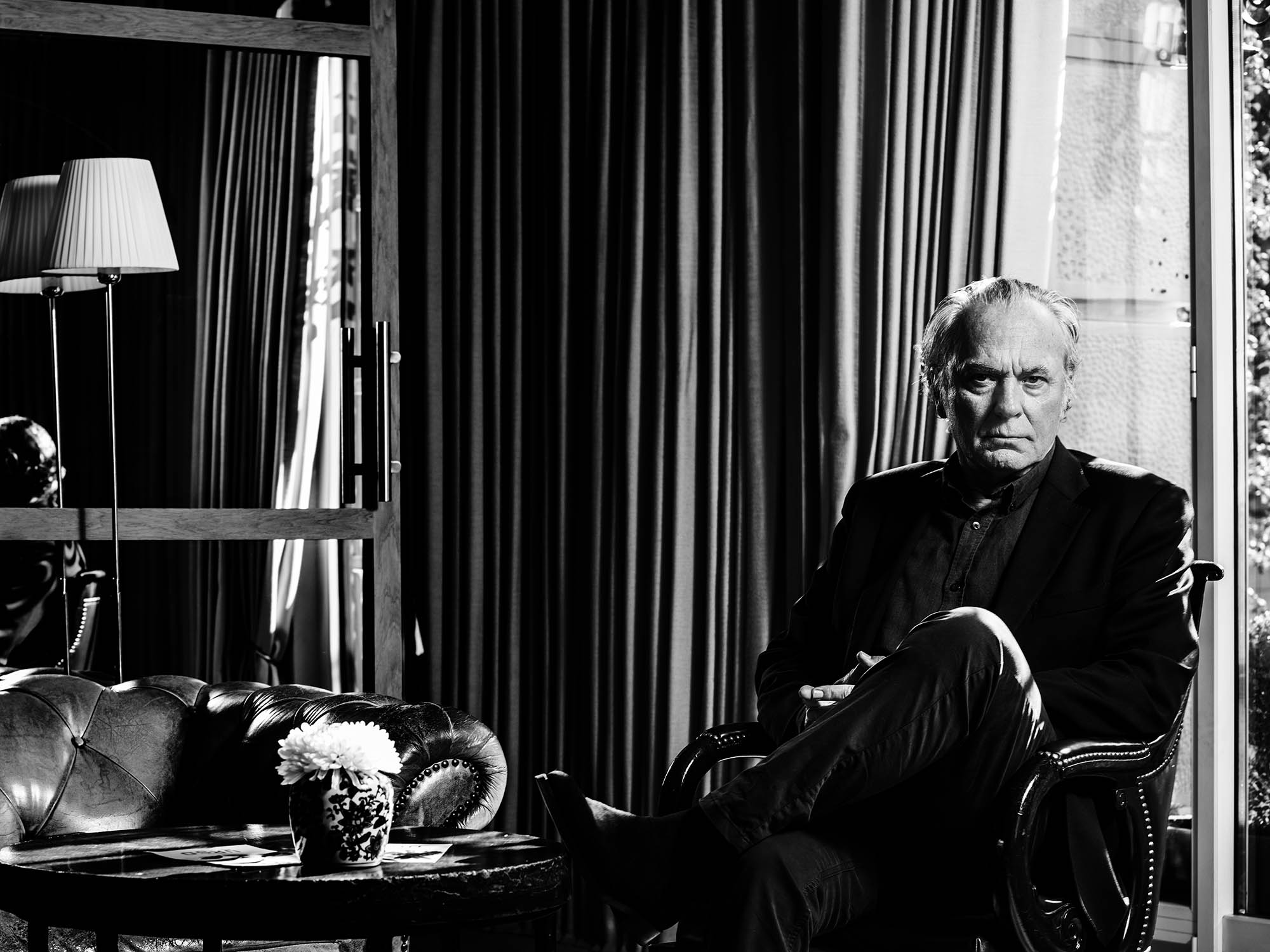
—You started as a thirty-something in cinema. Before that you studied, worked as a model, started businesses… Did all that end up serving you for acting?
—Yes, in some way, yes. I arrived late to the trade, and for a long time I thought that was a disadvantage. Now I think it was exactly the opposite. I had seen the world and learned languages, I had worked, I had met very different people. All of that ends up coming out in front of a camera.
—But it took quite a while before you felt like an actor…
—Very long. I carried almost ten years of films, television, theater on my back… and I still didn’t feel I had the right to call myself an actor.
—Until Something in Common, written by the American playwright Harvey Fierstein.
—Exactly. Until Something in Common. That’s where something changed.
—Why?
—Because for the first time I felt I was reaching a place I didn’t know I could reach. I portrayed a homosexual man who had lost his partner to AIDS. We’re talking about 1996 and there were still many prejudices surrounding all that. The play talked about AIDS, yes, but above all it talked about love. Love with a capital L.
—You’ve said that there you earned “the actor’s badge.”
—With that character I had to go search inside myself for things I had never used before. And something wonderful happened: people came to the dressing room crying and thanking me. Then I understood that this could serve more than mere entertainment. That’s when I began to feel like a real actor.
—Did it also change you personally?
—A lot. A character forces you to look at a world you may have previously observed from outside. And when you make that journey well, you don’t return exactly the same.
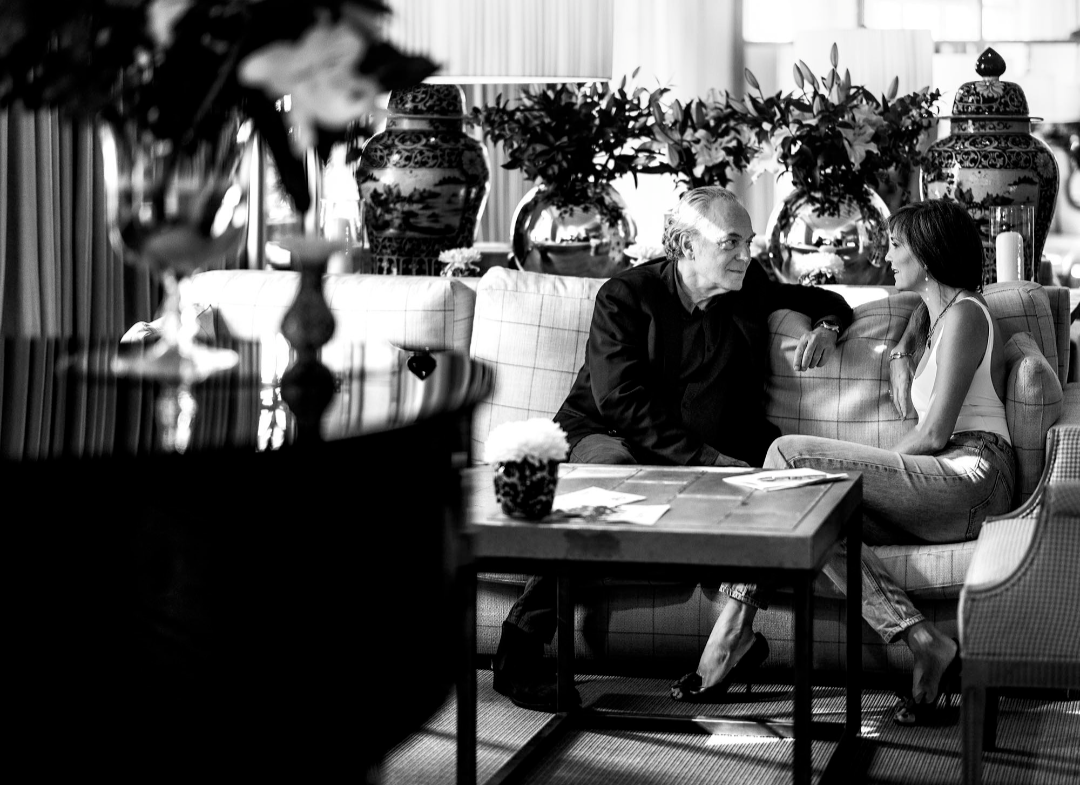
—After so many unforgettable characters, what has José Coronado learned from them all?
—That no one is completely transparent. We all hide something: guilt, a desire, a fear or a hope. The characters have taught me to judge less and observe more. Perhaps that’s why I still enjoy this craft and my colleagues so much.
—Precisely, in The Final Problem there is a strong ensemble cast. What is special about working on a story where everyone could be guilty?
—It compels you to listen. In other projects you’re very focused on your own character; here every scene is a duel of minds. Any gesture from another actor can shift the reading of the whole story. That makes filming incredibly stimulating.
—If you had to define The Final Problem in one phrase for someone who hasn’t seen it yet…
—I’d say it’s a grand game of intelligence, but also a story about time. About how men try to solve the last enigma of their lives before the curtain falls. In fact, for me, the best chapter of the whole series is the fourth one—the denouement chapter.
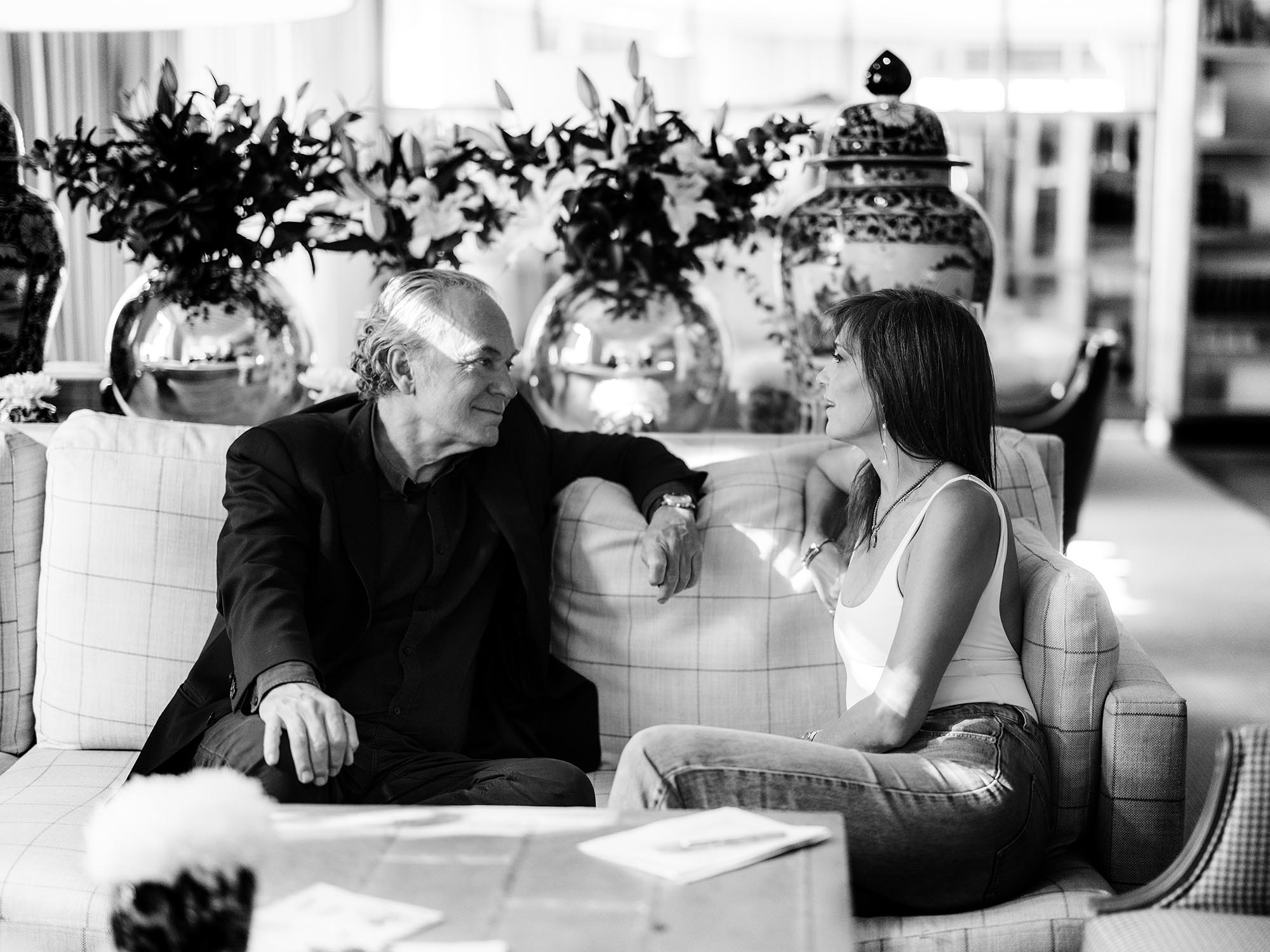
—Did you discover the killer before Basil?
—I’m not going to tell you.
—That means no.
—That means I’ve spent forty years giving interviews. [Laughter]
—After so many cops, criminals, hard guys and now detectives, would José Coronado be capable of committing the perfect crime?
—Not a chance. They’d catch me immediately.