
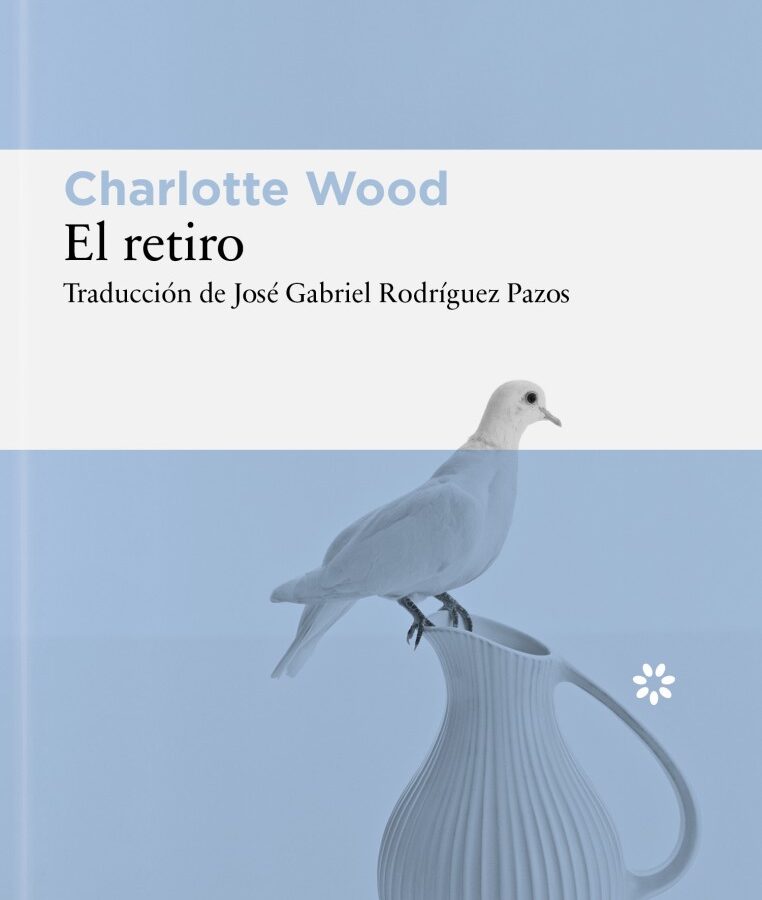
In an era dominated by digital speed, public overexposure, and the demand for constant productivity, the literature of Charlotte Wood (Cooma, New South Wales, 1965) operates as an act of radical subtraction. Internationally acclaimed after successes such as The Natural Way of Things (Stella Prize) and The Weekend, and honored with the Order of Australia, the author reaches one of her narrative peaks in The Retreat (Stone Yard Devotional), a novel that was shortlisted for the Booker Prize in 2024. The story is set on the Monaro plateau, the author’s homeland: a stark, rocky landscape whipped by icy winds, whose native vegetation was replaced by grasses for cattle after colonial deforestation. This bare landscape functions as a mirror of the characters’ interior weathering and the desolation that traverses their world.
La premisa arranca con un gesto drástico de renuncia. Una mujer de mediana edad, atea y dedicada durante décadas a la conservación del medioambiente, decide abandonar su trabajo en Sídney, su matrimonio y sus vínculos sociales. Abrumada por la certeza de que su activismo ha resultado insuficiente para frenar el deterioro del planeta, busca refugio en un aislado convento de monjas católicas de clausura. La obra se abre con una elocuente y sombría cita del músico Nick Cave: «Me sentí escarmentado del mundo». Esa misma sensación de desencanto atraviesa a la protagonista, quien no persigue una conversión espiritual; su huida responde al deseo de ocultarse del ruido urbano, bajar el ritmo de sus días y encontrar consuelo en la quietud. Charlotte Wood plantea aquí una incómoda paradoja ética:
el repliegue personal concede paz individual, pero implica una cierta brutalidad al distanciar a la protagonista de quienes la rodean
.
In formal terms, the novel unfolds fragmentarily like an inner diary or devotional notebook. Through short, clean vignettes, with striking expressive precision, the prose avoids rigidity and maintains a slow but steady cadence. To infuse movement into this contemplative image, the writer applied the lesson of the Australian painter Jude Rae on how to energize a still life: fracture the surface of the text to reveal the cracks and the underlying instability of the story. And, guided by the idea of W. B. Yeats that only what does not pretend to teach, to shout, or to explain becomes irresistible, the narration resists moral preaching. Conceived after the traumatic impact of droughts, the 2019 wildfires, and the pandemic, the work prefers to delve into the complex zones of human uncertainty.
Rather than detailing the plot meticulously, the novel uses the dynamics of the monastery to explore moral dilemmas. The apparent monotony of the convent is shaken by events of almost biblical resonance that disrupt the peace of the place: a terrifying plague of mice that devours the countryside; the repatriation of the remains of a missionary murdered in Thailand; and the arrival of Sister Helen Parry, an activist nun who becomes confined to the monastery due to health restrictions.
It is in the encounter between the narrator and Helen Parry where The Retreat reaches one of its most incisive dimensions: reflection on forgiveness and reconciliation. The convivium and memories revive old guilt and disagreements that the passage of time has not managed to heal. Charlotte Wood approaches these questions with delicacy and suggests that a change of tempo can foster a certain serenity, though no geography allows one to completely escape memory or erase the traces of what was lived. In parallel, the work constitutes a moving elegy to maternal grief. Having lost her mother in youth, the protagonist discovers that the pain of absence does not extinguish with the years, mutating in form and resurging with force in adulthood. Memory appears here distorted by time, enriched by intimate details —such as the mother repeatedly listening to the song “Everybody Hurts” by R.E.M.— that remind us that suffering is a shared human experience.
Without offering comforting recipes, Charlotte Wood recovers the transcendental value of attention. Drawing on Simone Weil’s intuition that attention taken to its highest degree equals prayer, the author asserts the power of the calm gaze over nature, manual labor, and the minute details of everyday life. Without judging or moralizing, The Retreat is reaffirmed as one of the most suggestive fictions of contemporary literature. A reading ideal for all those seeking books capable of resisting rapid consumption, reminding us that pausing to observe the world with calm is a deeply honest act of resistance.
—————————————
Author: Charlotte Wood. Title: The Retreat. Translation: José Gabriel Rodríguez Pazos. Publisher: Libros del Asteroide. Sales: Todos tus libros.