
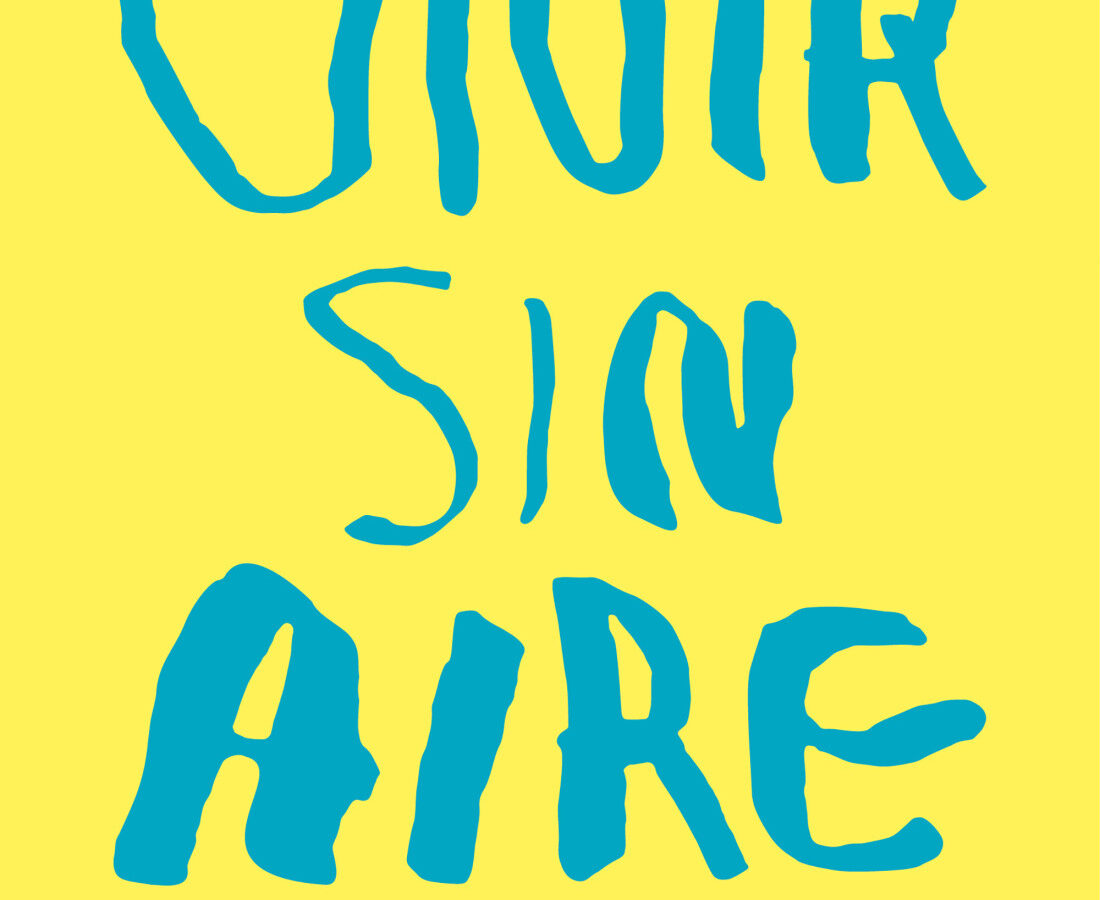
The trembling letters on the cover of Vivir sin aire belong to Marc, the author’s son, Céline Rodríguez Limón. The book stands as the testimony of two lives that embody resilience and, above all, the desire to live; but it is also a love letter, the purest, to another person: Marc.
Poco después de su nacimiento, su madre recibe la terrible noticia de que su hijo padece una enfermedad rara. Antes, cuando supo que vendría al mundo, Céline cubría la gira promocional de Maná.
Entonces “Vivir sin aire” era una canción; después se convertiría en algo mucho más íntimo: el aire transformado en materia de cuidado
.
Shortly after his birth, his mother receives the terrible news that her son suffers from a rare disease. Earlier, when she learned he would come into the world, Céline was covering the promotional tour for Maná.
Then “Vivir sin aire” was a song; later it would become something far more intimate: air transformed into the matter of care
.
Marc fue diagnosticado con el síndrome de Ondine, una disfunción del sistema nervioso que afecta a la respiración y puede provocar un paro cardiorrespiratorio, especialmente durante el sueño. El nombre procede de Ondine, la ninfa de la tradición germánica que, según el mito, condenó a su marido infiel a dejar de respirar cuando se quedara dormido.
Marc was diagnosed with Ondine’s syndrome, a nervous system dysfunction that affects breathing and can cause cardiac arrest, especially during sleep. The name comes from Ondine, the water nymph of Germanic tradition who, according to the myth, condemned her unfaithful husband to stop breathing when he fell asleep.
A partir del diagnóstico, Céline pierde su propio nombre. Para el personal sanitario deja de ser Céline y pasa a ser, sencillamente, la madre de Marc. Su identidad se concentra alrededor de una tarea urgente: cuidar. Se convierte, en un brevísimo lapso de tiempo, en una enfermera que además, debe ser una guerrera. Un segundo diagnóstico agravará todavía más la situación: Marc también padece la enfermedad de Hirschsprung, que afecta al colon. A día de hoy, la autora continúa sorprendiéndose cuando pronuncian su nombre. Durante demasiado tiempo, ser la madre de Marc y anticiparse a cada peligro ocupó todo el espacio disponible para cualquier otra identidad.
From the moment of the diagnosis, Céline loses her own name. To medical staff she ceases to be Céline and becomes, simply, Marc’s mother. Her identity centers around one urgent task: care. She becomes, in a very short span of time, a nurse who must also be a warrior. A second diagnosis would further worsen the situation: Marc also suffers from Hirschsprung disease, which affects the colon. To this day, the author remains surprised when her name is spoken. For too long, being Marc’s mother and anticipating every danger occupied all the space available for any other identity.
A esta situación se suma el conflicto sentimental con su pareja. Céline decide asumir la maternidad en solitario y cambia de ciudad. A pesar de la soledad, aparecerá otra red de apoyo por medio del personal sanitario, familias que atraviesan situaciones semejantes, amistades, sus padres y las cuidadoras. El libro es también una carta de agradecimiento a quienes hicieron posible continuar.
Added to this situation is the emotional conflict with her partner. Céline decides to take on motherhood solo and moves to another city. Despite the loneliness, another network of support will appear through healthcare professionals, families going through similar situations, friends, her parents, and the caregivers. The book is also a letter of gratitude to those who made it possible to continue.
A través del libro he conocido a Marc, y he confirmado una intuición: las personas que se enfrentan a circunstancias límite, donde la muerte sombrea los días, paradójicamente, destilan una vitalidad desbordante, porque la fragilidad vuelve más nítida la existencia.
Through the book I have met Marc, and I have confirmed an intuition: people who face extreme circumstances, where death shadows the days, paradoxically, exude a boundless vitality, because fragility makes existence stand out more clearly.
Céline estuvo muy cerca del colapso. Ingresó por un preinfarto después de un periodo de extremo agotamiento físico y emocional. La falta de sueño agravaba la situación, porque las noches se habían convertido en vigilias destinadas a proteger el aire de Marc. Entonces llegaron las cuidadoras, y con ellas, llegó también otra bocanada de aire.
Céline came very close to collapse. She was admitted for a pre-heart attack after a period of extreme physical and emotional exhaustion. The lack of sleep aggravated the situation, because the nights had become vigils to protect Marc’s air. Then the caregivers arrived, and with them, another breath of air.
Especialmente emotivo es el capítulo dedicado a las cuidadoras, figuras esenciales de nuestra sociedad cuyo reconocimiento rara vez es nombrado. Su trabajo sostiene vidas, pero no aparecen en los libros, excepto aquí, donde son protagonistas esenciales. Estas páginas desbordan la experiencia personal y se convierten en un manifiesto activista sobre la importancia ética del cuidado.
Especially moving is the chapter dedicated to caregivers, essential figures in our society whose recognition is rarely named. Their work sustains lives, but they usually do not appear in books, except here, where they are central protagonists. These pages overflow with personal experience and become an activist manifesto on the ethical importance of caregiving.
En un momento, Céline nos confiesa que el criterio de selección para elegir a una cuidadora era el siguiente: distinguir entre quienes se acercaban desde la lástima y quienes podían convertirse en compañeras desde la empatía y el coraje. La diferencia no es menor, porque es preferible hablar de “luchadoras” antes que de “víctimas”. Todo depende de dónde situemos la mirada: ¿queremos contemplar únicamente el sufrimiento de un ser humano o también su capacidad de enfrentarse a él?
At one point, Céline confesses that the criterion for selecting a caregiver was the following: distinguishing between those who approached out of pity and those who could become companions through empathy and courage. The difference is not minor, because it is preferable to speak of “fighters” rather than “victims.” Everything depends on where we place our gaze: do we want to contemplate only the suffering of a human being or also their ability to face it?
Marc y Céline son luchadores. Y para seguir adelante necesitaron cómplices que apostaran por la vida. No fue fácil por muchos motivos, pero la sociedad que hemos creado tampoco ayuda. Nuestra época parece fascinada por la apariencia, el rendimiento, el beneficio económico, la mercancía, la velocidad y el culto al yo. Todo aquello que interrumpe ese frenesí, como la enfermedad, la vejez, la dependencia o la fragilidad, corre el riesgo de quedar apartado de nuestra mirada, como si aquello que no fuese productivo dejara de formar parte del centro de la existencia.
Marc and Céline are fighters. And to keep moving forward they needed allies who would bet on life. It wasn’t easy for many reasons, but the society we have created does not help either. Our era seems fascinated by appearance, performance, economic gain, merchandise, speed, and the cult of the self. Everything that disrupts that frenzy—such as illness, aging, dependency, or fragility—risks being pushed out of our gaze, as if what is not productive ceases to be at the heart of existence.
Quizá sea justamente lo contrario, y el cuidado sea el centro y todo lo demás apenas una periferia. Vivir sin aire nos obliga a recordarlo. Somos seres vulnerables antes que individuos autosuficientes y necesitamos de otros antes incluso de pronunciar la palabra “yo”. Todos hemos llegado hasta aquí porque alguien nos sostuvo, nos alimentó, nos protegió, nos curó o nos esperó. Y todos, aunque prefiramos olvidarlo, necesitamos ese cuidado.
Perhaps it is precisely the opposite, and care is the center and everything else is merely a periphery. Vivir sin aire obliges us to remember it. We are vulnerable beings before self-sufficient individuals, and we need others even before we utter the word “I.” We have all come this far because someone sustained us, fed us, protected us, cured us, or waited for us. And we all, even if we would rather forget it, need that care.
Vivir sin aire es un libro nacido de la amenaza de perder el aire y termina siendo una apología del cuidado que hace posible la vida. Porque respirar, a veces también significa aprender a confiar, aceptar la ayuda, sentirse en una comunidad y descubrir que, incluso en medio de la incertidumbre, todavía existen motivos para celebrar una sonrisa. La vida no deja de ser frágil porque la amemos, quizá la amamos porque, precisamente, lo es.
Living without air is a book born from the threat of losing breath and ends up being an advocacy of the care that makes life possible. Because breathing, at times, also means learning to trust, accepting help, feeling part of a community and discovering that, even in the midst of uncertainty, there are still reasons to smile. Life does not stop being fragile because we love it; perhaps we love it because, precisely, it is.
—————————————
Autora: Céline Rodríguez Limón. Título: Vivir sin aire. Editorial: Aguilar. Venta: Todos tus libros.
Author: Céline Rodríguez Limón. Title: Living Without Air. Publisher: Aguilar. Available at: All Your Books.