
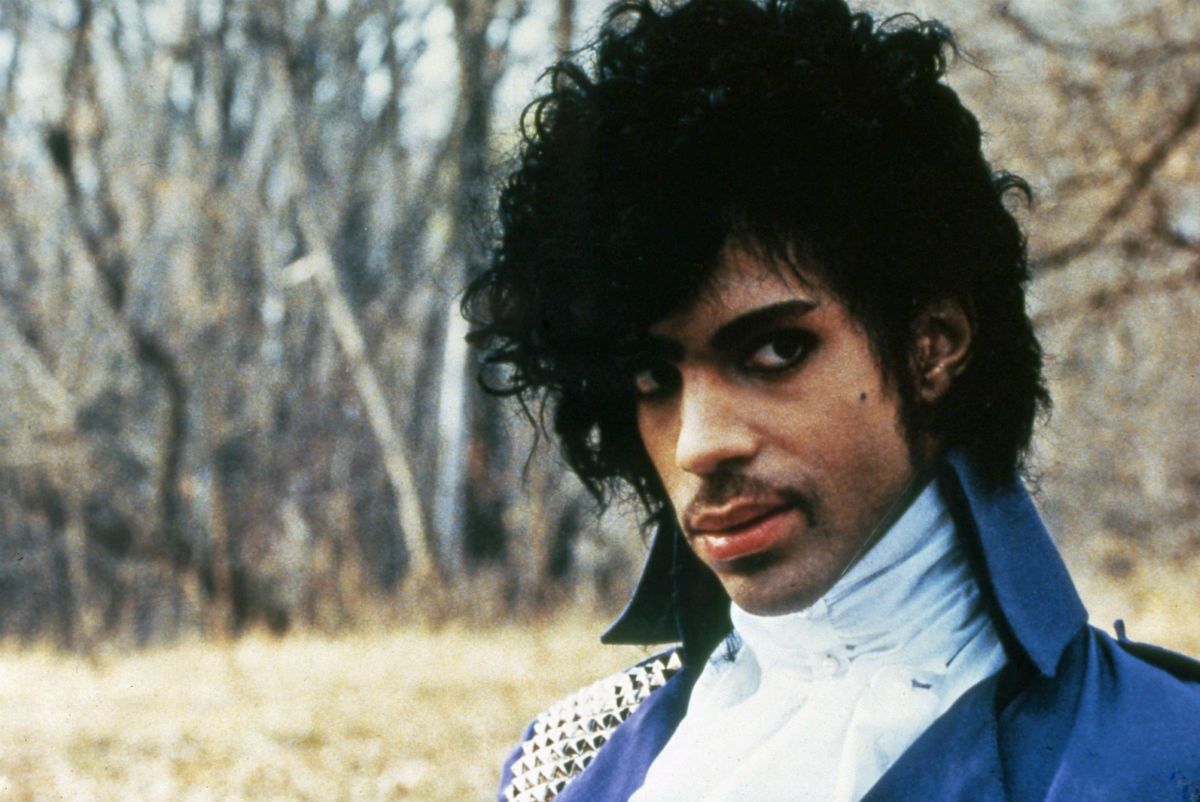
A veteran culture journalist with a specialization in art, Montse Frisach is also a fam, not a fan, irreducibly devoted to Prince since a September day in 1988 when she was captivated by a TVE broadcast of the opening leg of his Lovesexy European tour in Dortmund, Germany.
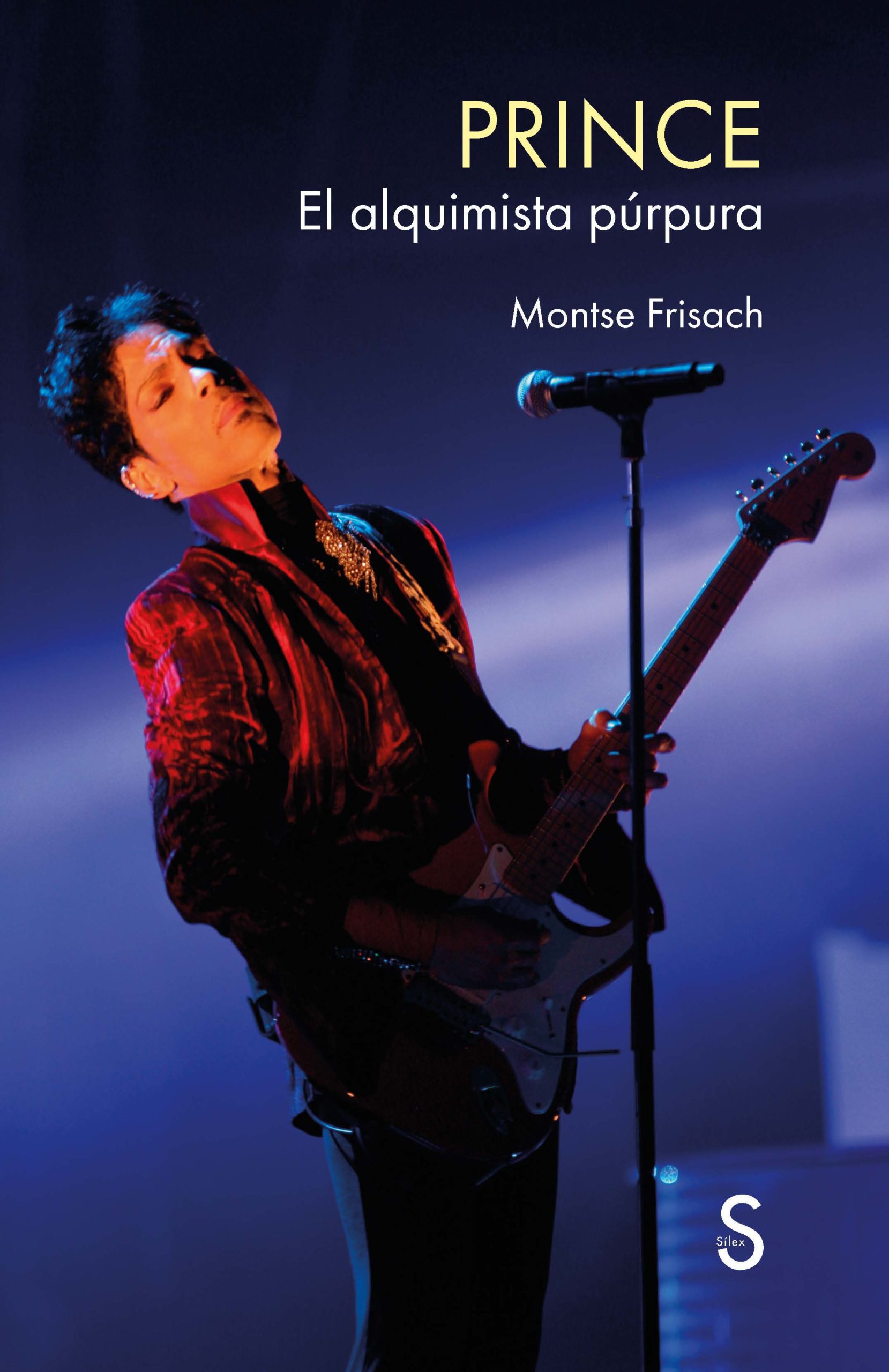
Thirty-eight years after that moment, she publishes the essay Prince: The Purple Alchemist (Sílex), a work that is unique in Spanish, signed by the first Spaniard who has participated as a speaker in Minneapolis conferences dedicated to the artist, as she did in June 2024 with the conference “The Female Gaze in Prince’s Videos: Scandalous and Insatiable”.
In an interview with Efe on the same day that Timeless, a new ten-track compilation by the singer, hits stores, featuring some unreleased studio recordings from his archive dating between 1977 and 2016, Frisach does not hesitate to affirm that Prince, a decade after his death, remains an “example of a musician, of a global artist, of someone who always sought excellence, aware of the power of music to unite people. I think Prince is closer to musicians from the past, to classics like Beethoven, than to current musicians when it comes to the conception of the craft, of someone who dedicates himself to his work and sees it as the most important thing.”
The journalist argues that his music still sounds distinct, even though some tracks are very much of the 80s due to the technology he used at the time, but “it is very ahead of its era. You see how he experiments all the time, and forty years have passed. This is one of his legacies.” At the same time, she believes he built the figure of a “global artist”, something that others, such as Rosalía, have learned from him, just as she sees “clear influences” of his method in the latest album by Lady Gaga, which, in her view, “permeates” from every side, implying that his music continues to be present.
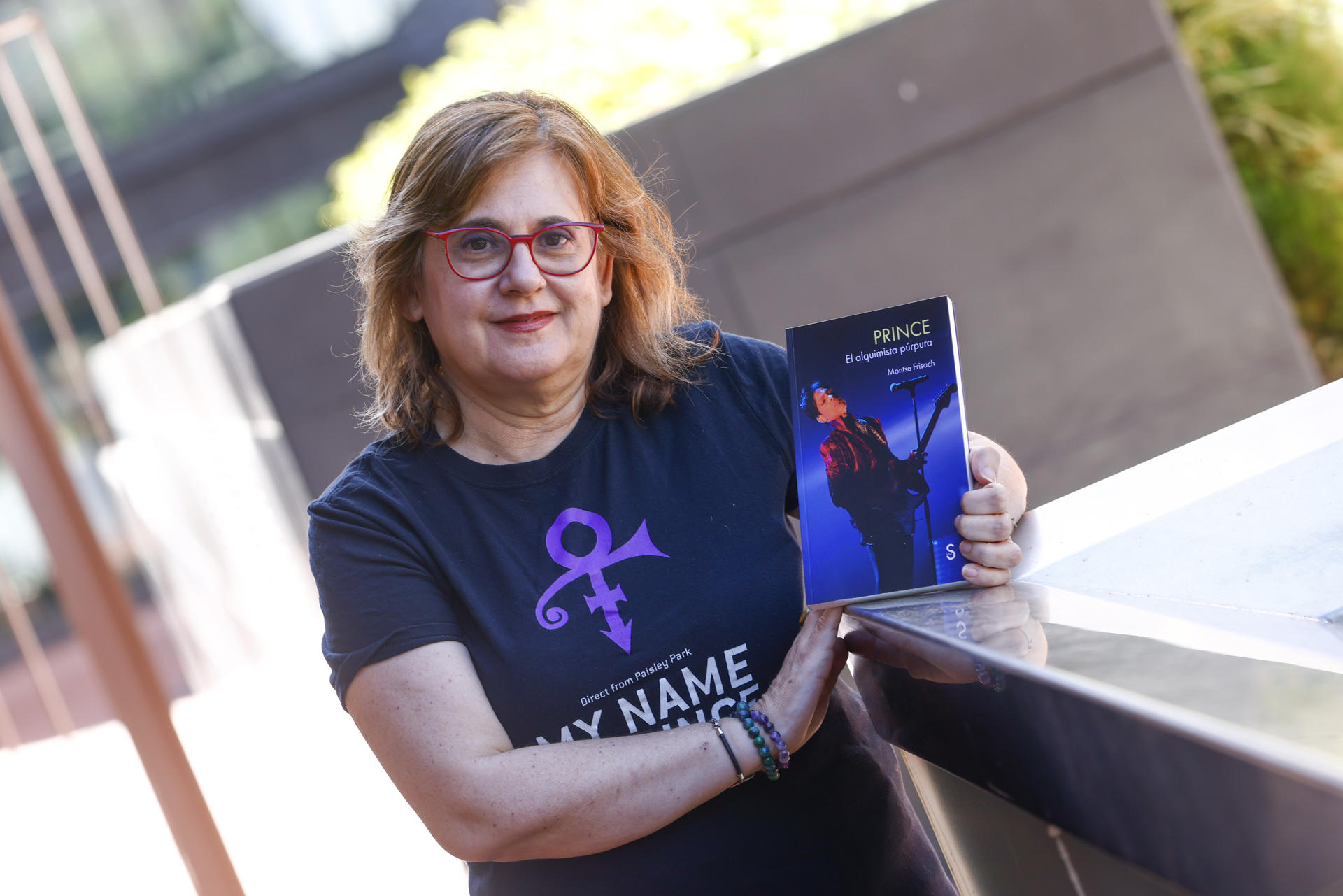
Efe / Quique Garcia
On the other hand, she highlights that in the final chapter of the series Stranger Things, aimed at a very young audience, two songs by the Minneapolis prince were included, one of them “Purple Rain”, which led some viewers who had never heard him to post online, “but what is this?” and subsequently confess that they had set out to discover other recordings of his.
With the book simmering in her mind for more than 30 years, to the point where at times it wrote itself, Frisach says it was not difficult to sit down at the computer to organize the various chapters about this central figure in the musical universe and to address issues such as androgyne. The writer recalls that the singer embraced the concept of the androgyne and the contemporary dandy “as an essential part of his character, both in everyday life and on stage,” and that he “always challenged the prejudices and preconceived notions that we all have about the relationship between physical appearance and sexuality.”
Aesthetics, fashion, spirituality, social justice, and a sense of humor are among the other topics touched upon in these pages, as well as the importance of his birthplace, Minneapolis, a city Frisach has visited on two occasions, and the house where he resided and died on April 21, 2016, Paisley Park, in the nearby town of Chanhassen.
Prince’s followers, as noted in the book, are fams and not fans, after considering that fan comes from “fanatic,” with a somewhat negative connotation, whereas fam has its roots in “family,” which makes them all feel very close and connected, and what Frisach believes they are. As she writes in the work, her fams are “stoics” because “we have endured a lot of misunderstanding for admiring someone so different and musically more complex than other artists: always justifying our devotion,” something that does not happen, for example, with those who know all the songs and vicissitudes of Bruce Springsteen.
As a fam, Frisach finds it hard to pick five essential songs by the artist, but after a few moments of reflection she insists that the first would be “Purple Rain,” an “extraordinary ballad” she interprets as the song of “an love that cannot be.” She would place next “When Doves Cry,” “Kiss,” “If I Was Your Girlfriend,” and “Anna Stesia,” with lyrics that are “very cryptic,” religious, “a blend of gospel and pop.”