
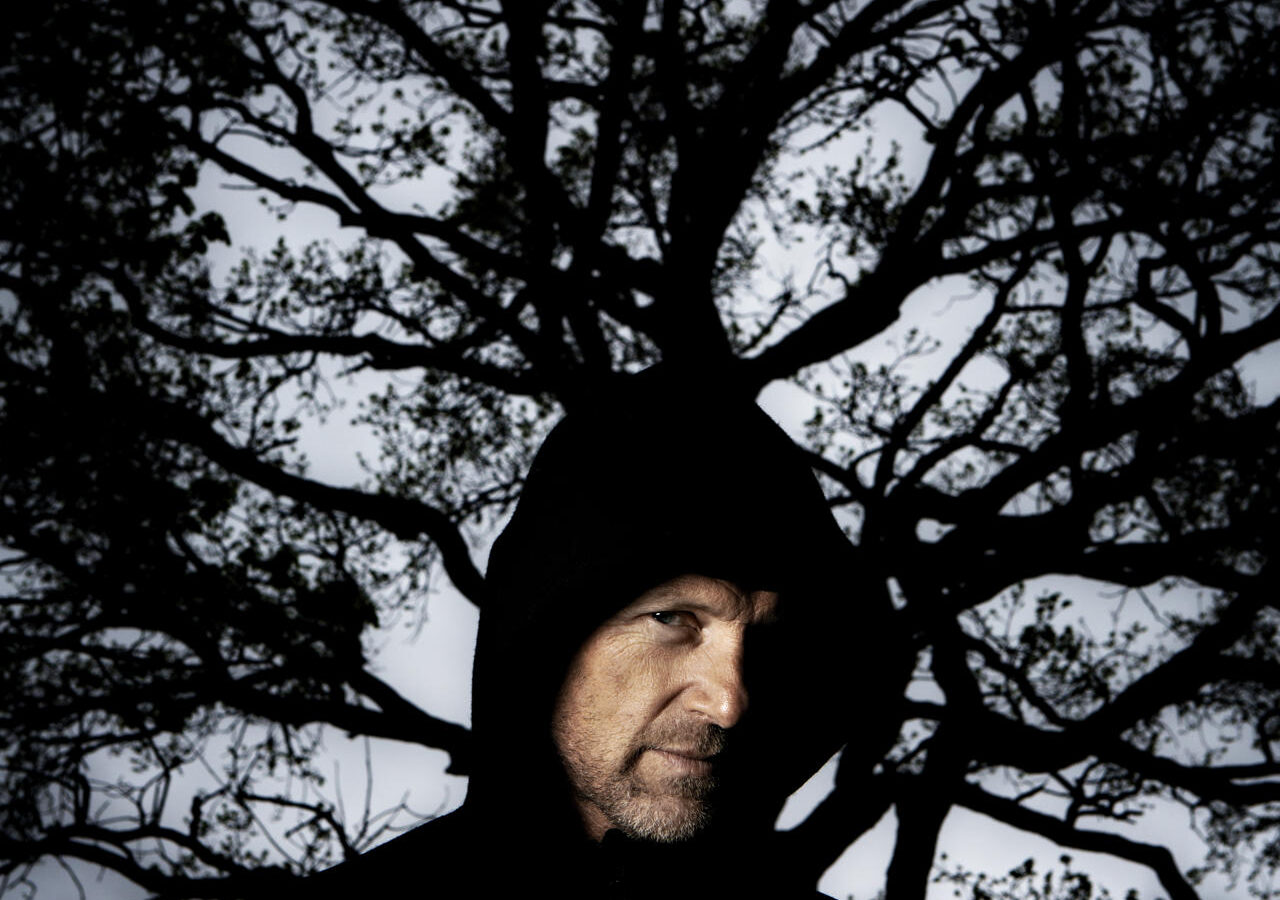
“I think characters become more interesting the more you know them,” says Nesbø, who does not hesitate to affirm that Hole is his favorite character, which suggests that the detective has a long literary life ahead, although the writer repeats several times that he has no “immediate plans” for him. He denies that Hole’s stepson, Oleg, a police officer like him and who takes a larger role in Without Mercy (Reservoir Books), will be his heir, and admits that if the detective finds peace, the series would end, because every novel needs a conflict. But even though in Without Mercy the character finds some light, mainly through his relationship with his children — Oleg, the son of his late wife Rakel, and Gert, born from a relationship with his partner Katrina Bratt — there is still much for him to achieve that peace.
On the opening page of this fourteenth installment of the saga, newly published in Spain, Hole is perched on the railing of his balcony on the 17th floor, trying to find the impulse to jump and end the depression that has accompanied him since the murder of his wife, Rakel, in The Knife (2019). In the next book, Eclipse (2022), Hole wandered through life, letting events carry him along. In Without Mercy he begins from an even worse situation, but evolves in a much more positive way.
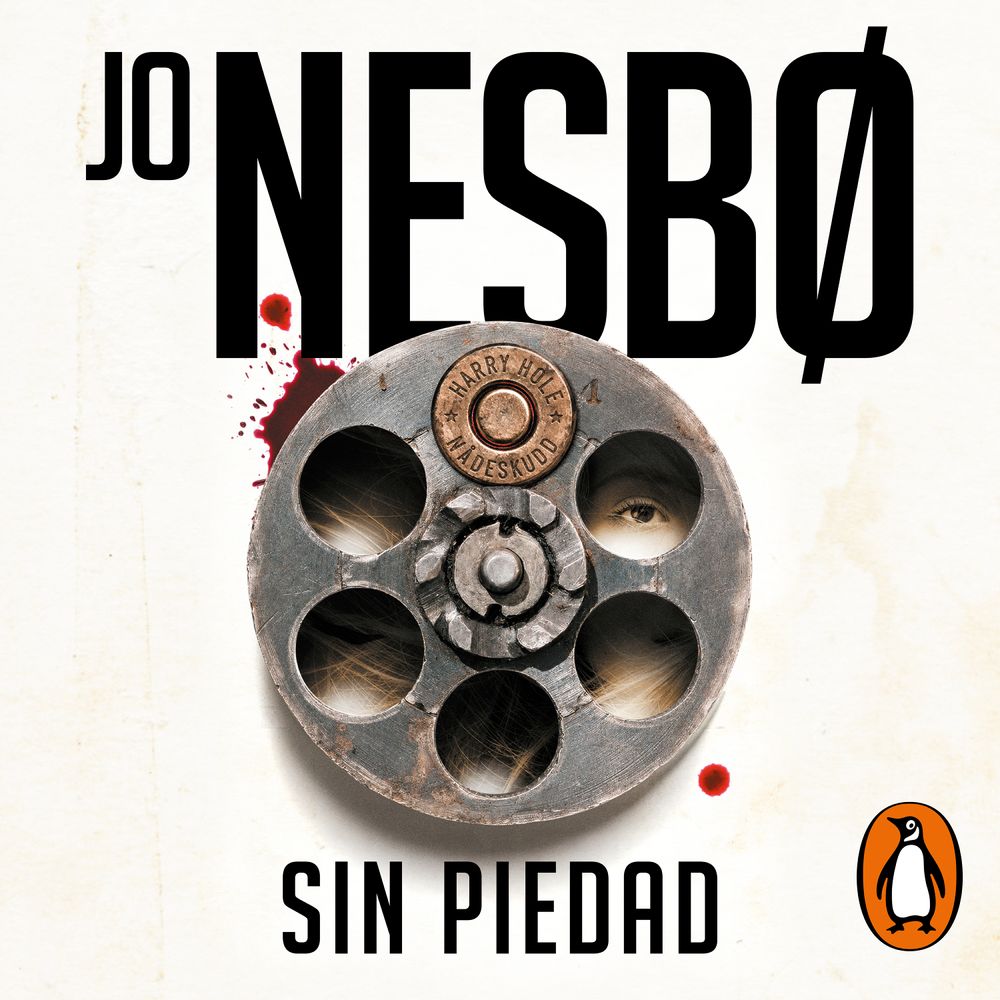
“We see Harry for the first time as a father,” explains Nesbø, for whom that unconditional love of the detective for his children is what enables his evolution and emotional development. These personal changes intertwine with a story about “the ambition of an artist,” in which cinema plays a major role.
Across the nearly 500 pages of the book pass film titles more or less well known — from Seven (1995), by David Fincher, to M (1931), by Fritz Lang, or Cure (1997), by Kiyoshi Kurosawa — all of them about serial killers, like the one who stars in this novel, in which Hole, detached from his police post, works hand in hand with Oleg and Katrina to catch the author of brutal murders, which, for the writer, are not a reflection of reality or contemporary society.
“Violence has always been there. I just returned from Poland and I have been close to what happened in Kraków,” says Nesbø. “But I don’t think my novels exist to offer an image of real-life violence (…). In fiction, violence is almost like a metaphor for what we fear. And, of course, we are not analyzing violence itself as much as our reaction to it, our fear of violence.”
Moreover, he does not believe that society today is more violent than in previous eras. He cites the 1970s, when there were probably more murders per capita in the world than now. He recalls the activity of terrorist groups operating in Spain, Italy, or Northern Ireland. “It’s not that contemporary society has become more violent,” Nesbø opines, who uses the detective novel to analyze broader issues, rather than trying to have his novels reflect crime in society as such, he says.
Regarding whether Harry Hole has any trait of his own, he says yes, without a doubt. And can he tell us what it is? “No,” he replies just as firmly, with a half-smile.