
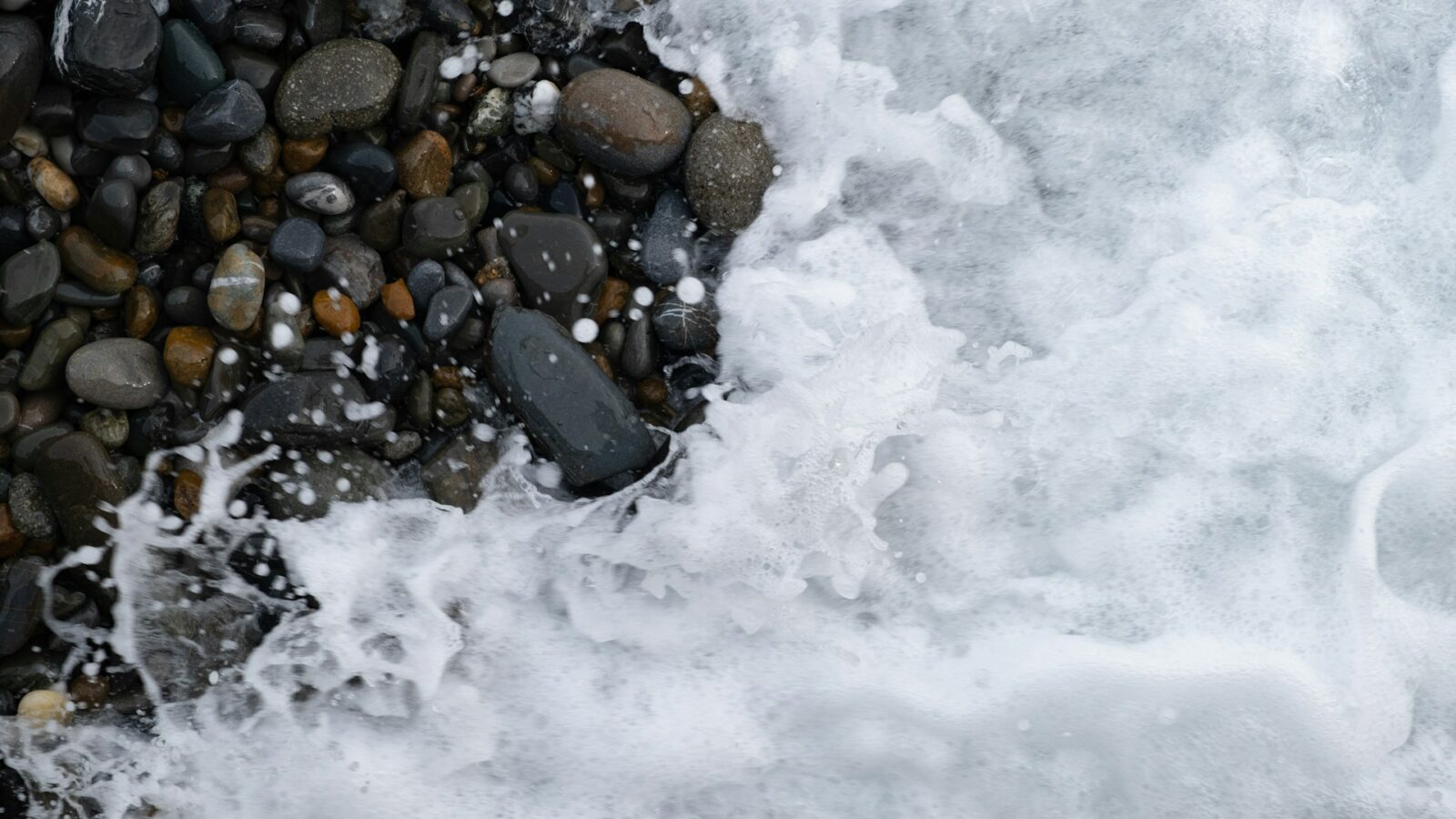
In the Náufragos Beach of Torrevieja, a nearly white sandy shore, the sea sometimes deposits black stones. They are blocks of basalt, a volcanic material that does not exist in the area, and it turns out they originate from Scandinavia: Norwegian and Swedish ships went to fetch the salt of Torrevieja, they hauled ballast laden with stones to sail safely, and on this Alicante beach they were thrown overboard. In many coves of the Mediterranean, foreign stones abound, nomadic stones, ballast that Phoenician, Greek, Carthaginian, Roman or Arab vessels moved around. The planet cooks its materials over millions of years, creates oceanic and continental harmonies, we humans appear and in a geological blink we upset it all. If there exists a maniacal creator of order, he must be going crazy with these mammals who do not know how to stay still, who have to go everywhere, touch everything, know everything, mix everything. I hold affection for the human species, as epic and ridiculous as that of ants, as insignificant and as grand as it is, with the tireless display of its curiosity.
Archaeologist Sergio Escribano examined a heap of ceramics on the Canadian shores where Basque whalers settled five centuries ago: fragments of jars, pots, vessels and dishes made from clay from La Llanada Alavesa. This damp land that I now tread in Egileta took shape as a jar and ended up on a Newfoundland beach.