
To commemorate the 90th anniversary of the Civil War, José Ángel Mañas recreates in Zenda, day by day in this section, what happened in 1936, perhaps the most pivotal year in all recent Spanish history.
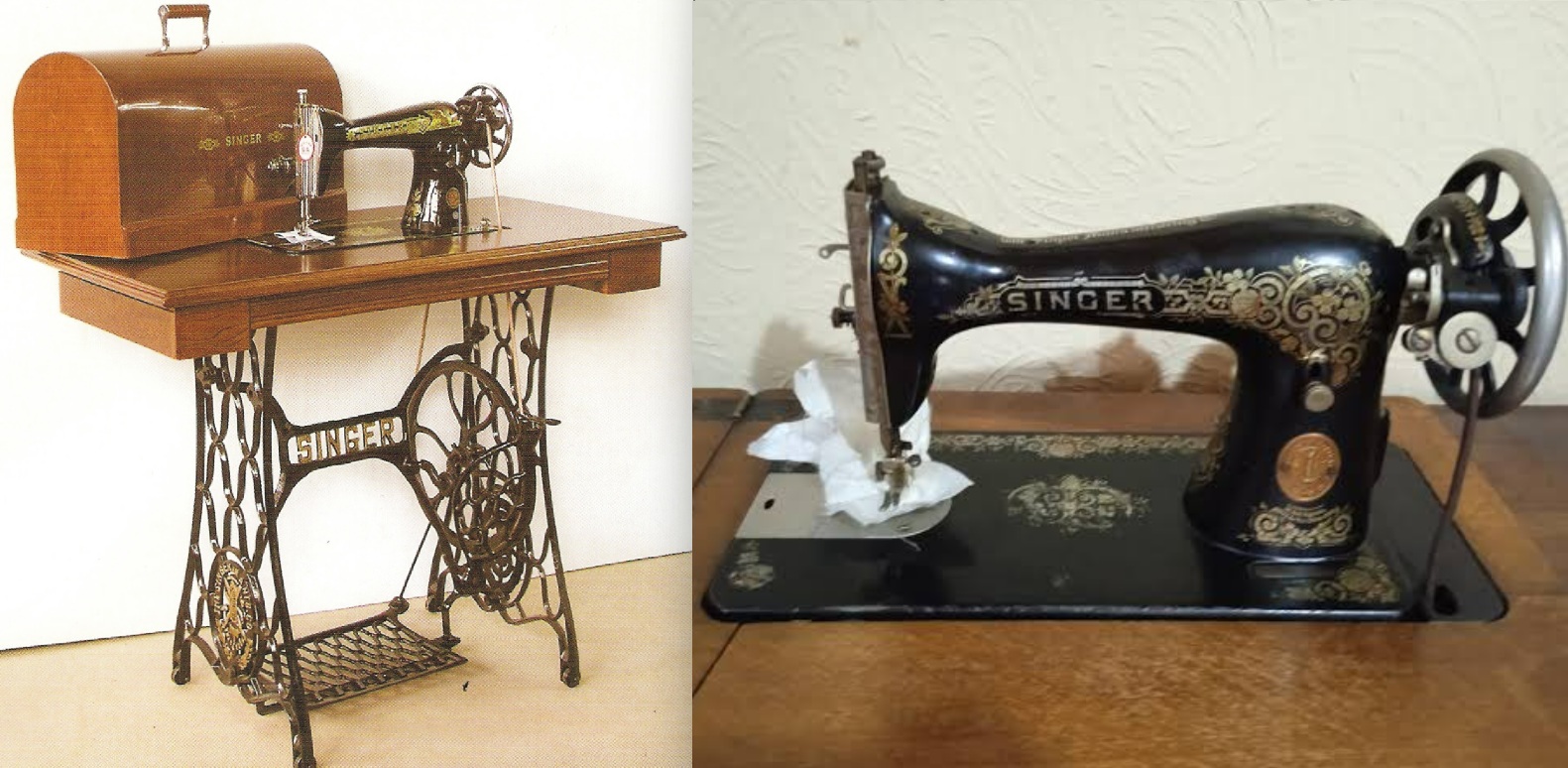
Sunday, November 29, 1936: The Sewing Machine
I’ll go, Aunt —said Inés.
—But Inés —dijo Mariana—, there’s a need to cross the Toledo Bridge and stroll along the front. Although it’s quiet, skirmishes are still taking place. You can’t; it’s dangerous.
—Someone has to go, Aunt. And if cousin Pepe goes, since he’s a man, they’ll kill him. I outrun Rosa. And they won’t dare shoot at a woman —insisted the stubborn Inés.
Around nine o’clock at night, darkness fell and the curfew began. Under Mariana’s instructions, Pepe Mañas accompanied her on one of the trams descending toward the Toledo Bridge. The line, though intermittent, was functioning. But it stopped at the Pirámides Roundabout and no longer crossed into Carabanchel Bajo.
—Are you sure, Inés?
The river was a strip of darkness between the two banks. The Toledo Bridge, a pale, silent mass, crossed the Manzanares, where there was no illumination, but under the moonlight one could see bundles of dynamite wound around its piers by the artillerymen, in anticipation of their possible blast.
On the nearby rooftops, machine guns remained installed, with the men of Miaja cooling the nerves of the legionaries who had taken the bridge. All the buildings had shutters closed. Not a soul could be seen in the street. Only a few bars stayed open, with militia clientele. Pepe and Inés were the last to get off the tram. Afterward, the driver changed ends, crossed the carriage, and soon headed up the street. Across Carabanchel, the sporadic rattle of machine guns could be heard, but not the constant noise of battle. Almost by habit, Pepe looked up at the sky. There was no aircraft noise and no nocturnal lights signaling bombardments. The full moon looked like a silver coin nibbled by the clouds.
—I’ll be waiting for you, Inés. Hurry up… and be very careful.
Inés crossed the bridge quickly, head down, as if shrinking. Pepe Mañas watched her advance with a slight wobble. Suddenly there was a bright flare over the rooftops of General Ricardos. The explosion left a column of dark smoke in the night. Pepe jolted. But Inés continued, without changing pace, to the far side of the bridge. A first checkpoint halted her.
—Identify yourself, comrade.
In the clear night the glow of cigarette flames shone. Inés spoke with the militiamen, who stepped aside and let her continue along the riverbank, toward the Church of San Miguel. The grocery store lay before it. In the houses there were no lights on. Windows with shutters open housed guards inside. From one of them, someone hailed her.
—Who goes there below?!
—I am a neighbor from a requisitioned house. I want to recover a sewing machine.
It was astonishing to see such a small, solitary woman defying the curfew; the men let her continue. Inés walked on, unbothered by anyone until she reached the shop door. Then there was the sharp report of new gunfire. The militiamen punctured the darkness.
—Damn Moors! —someone muttered from a window.
But Inés had already disappeared into the interior of the house.
Todas las entradas de 1936 día a día
Entrevista con José Ángel Mañas sobre 1936 día a día