
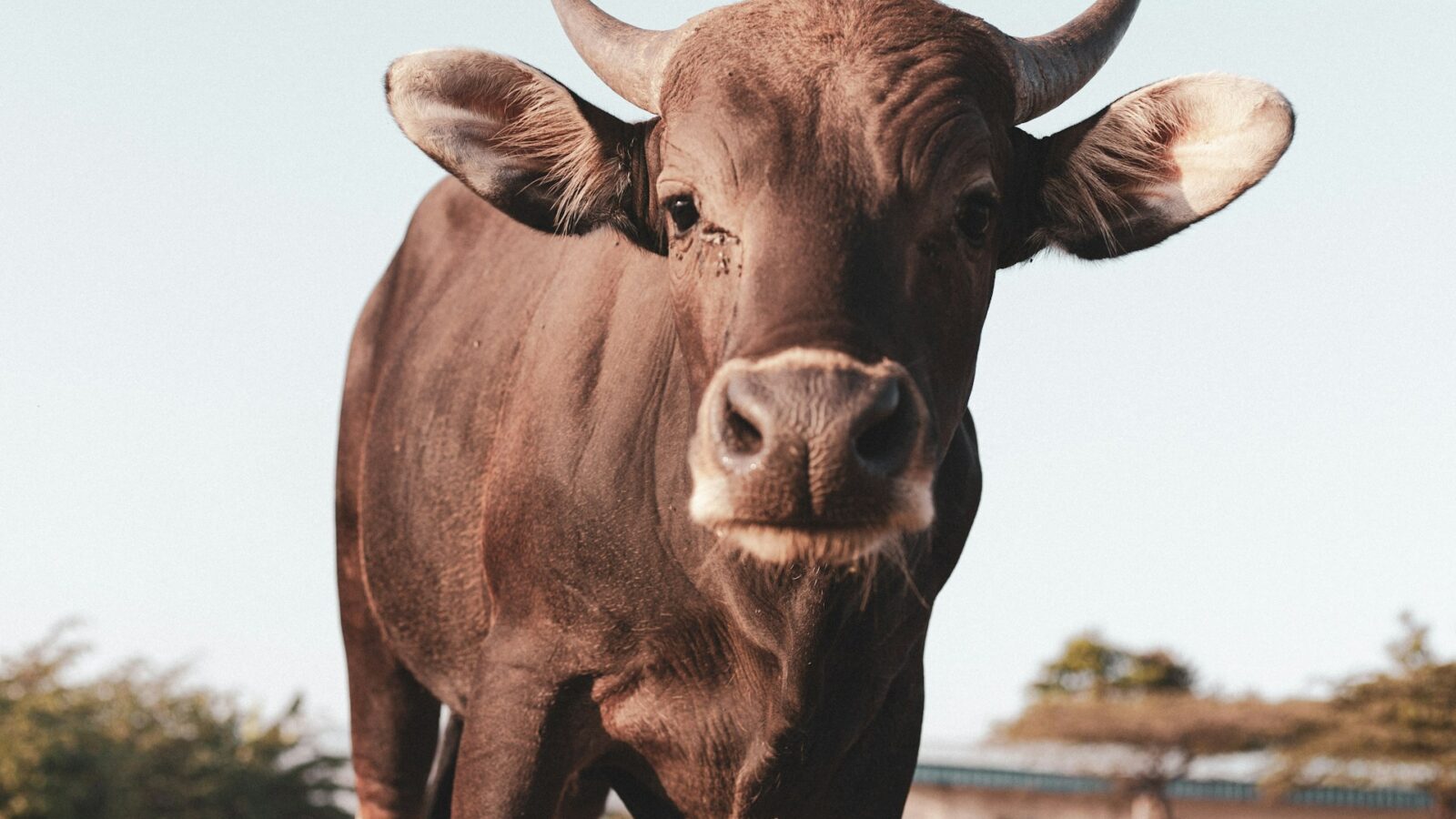
The women who milked cows were immune to smallpox, that was common knowledge. In 1796, amid a raging outbreak, the English physician Edward Jenner discovered that dairymaids tended to contract the mild cowpox and that this protected them from the deadly smallpox in humans. So he grabbed an eight-year-old boy, inoculated him with cowpox, observed that he showed only temporary symptoms, waited a couple of months and then infected him with smallpox: he did not fall ill. That’s why they are called vaccines, because the idea came from cows.
Mesopotamians, Greeks, Egyptians and Hebrews worshiped dioses bovinos. The Bible speaks of the worship of the golden calf as if it were something bad, but in Felino, a town at the foot of the Apeninos, famous for its sausages, instead of the timeless Garibaldi statue they raised one with a smiling black pig: “Nature has made me a little fat, but I have qualities that no one possesses. The people of Felino and Parma understand me and we are famous in the world,” he says. The pandemic coincided with the debate to renew the statues of our cities, crowded with conquerors, captains, deputies and other solemn bearded gentlemen. I know it’s hard to part with the knickknackry left by grandma, but perhaps it is time to recognize humanity’s most valuable contributions: fewer monarchs and more doctors, fewer generals and more milkmaids, fewer equestrian statues and more cows on pedestals.