
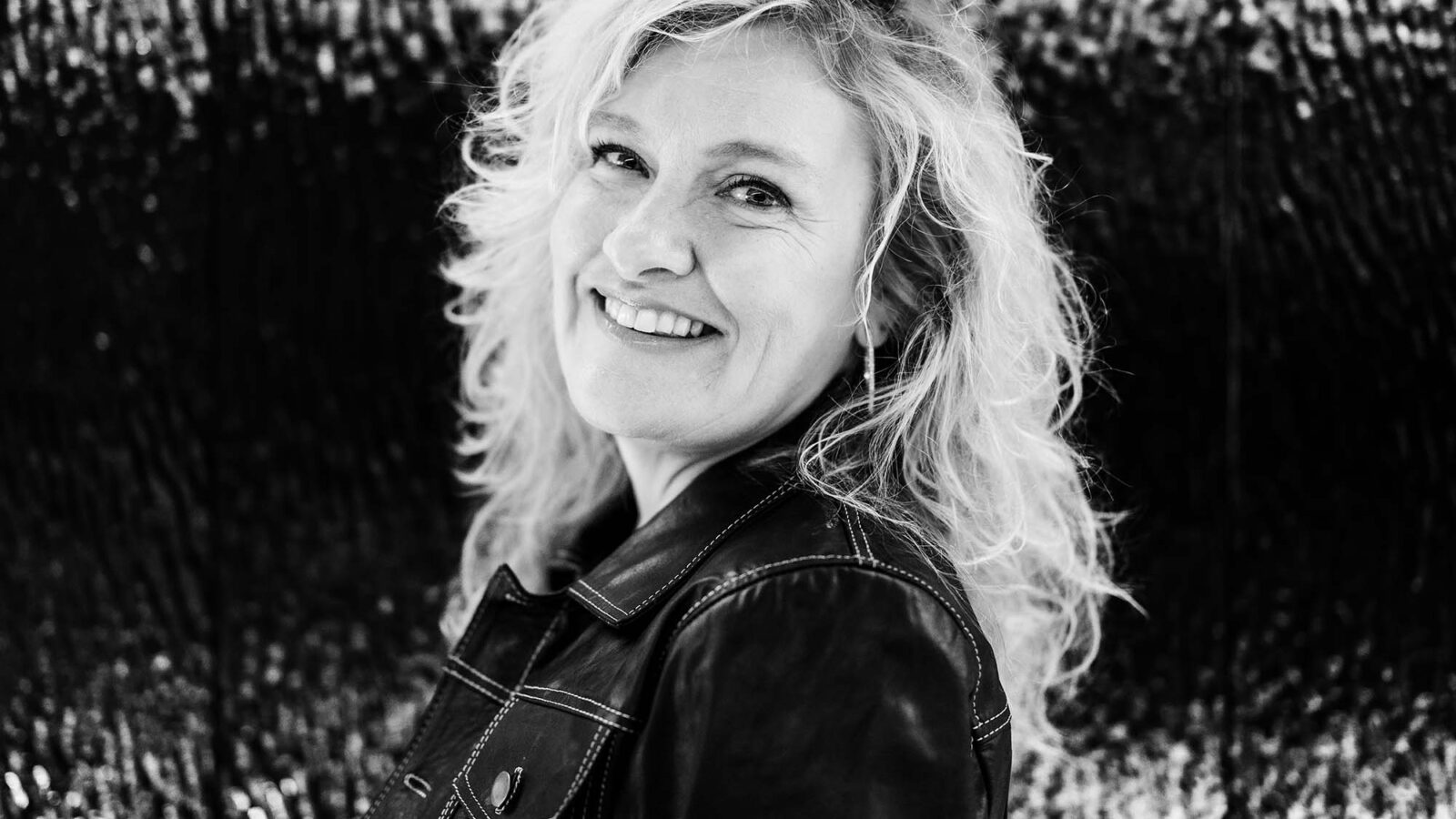
The best way to get to know Pilar Jericó is to read and to listen to her.
*****
—You have already played many roles: professor, writer, speaker, columnist, coach… Which of them do you feel most comfortable with, or which defines you best?
—I’d say a bit of everything, depending on the moment I’m in. Currently I’m a columnist, a speaker, and a consultant, and perhaps that mix is what most defines me as a professional.
—Would you classify your books as self-help?
—Not at all. I have professional books on leadership, on change or mindset, and others on professional growth. But they always have the backing of science. I tend to conduct deep research, which I try to present in straightforward language, to reach as many people as possible.
—How did you begin writing this kind of books, the essays you mainly write?
—I started writing fiction at the age of 9. I enjoyed creating stories, gathering sensations and thoughts. I have several tales that I even published years later. But I arrived at the essay through a proposal when I started working. I was 23, and it was a book written with a coauthor, which forced me to shift register.

—Could some of them be called management?
—Yes, that’s how it was. My first solo book was Talent Management, the first on this topic in Spanish, back in 2001. Behind it were the investigations of my doctoral thesis. After that, many more on management followed.
—Why do you think they have such wide acceptance?
—I suppose it’s because of the mix of research, practicality, and closeness to the reader. I also laugh a lot when I write, and I imagine that tone should permeate what I do.
—What do you think your readers are seeking in them?
—Inspiration and tools. Or, at least, that’s what I aim for.
—Do you find it hard to write them, or is it more of a pleasure?
—At first it’s difficult. The vertigo of the blank page happens to all of us. Then, when I begin and focus on it, I become so obsessed that I sometimes joke that an “alien” has entered my body, preventing me from stopping. When I reach that point, I write very quickly.
—How would you explain that process?
—It’s tremendously pleasurable once I’ve written the first pages. I enjoy writing and discovering the sensations that emerge with each idea. I uncover concepts that captivate me once I’ve put them into words.
—How do you want to help your readers with your books?
—With a great deal of humility, offering them inspiration, practical tools they can apply, and experiences from people who have achieved success.
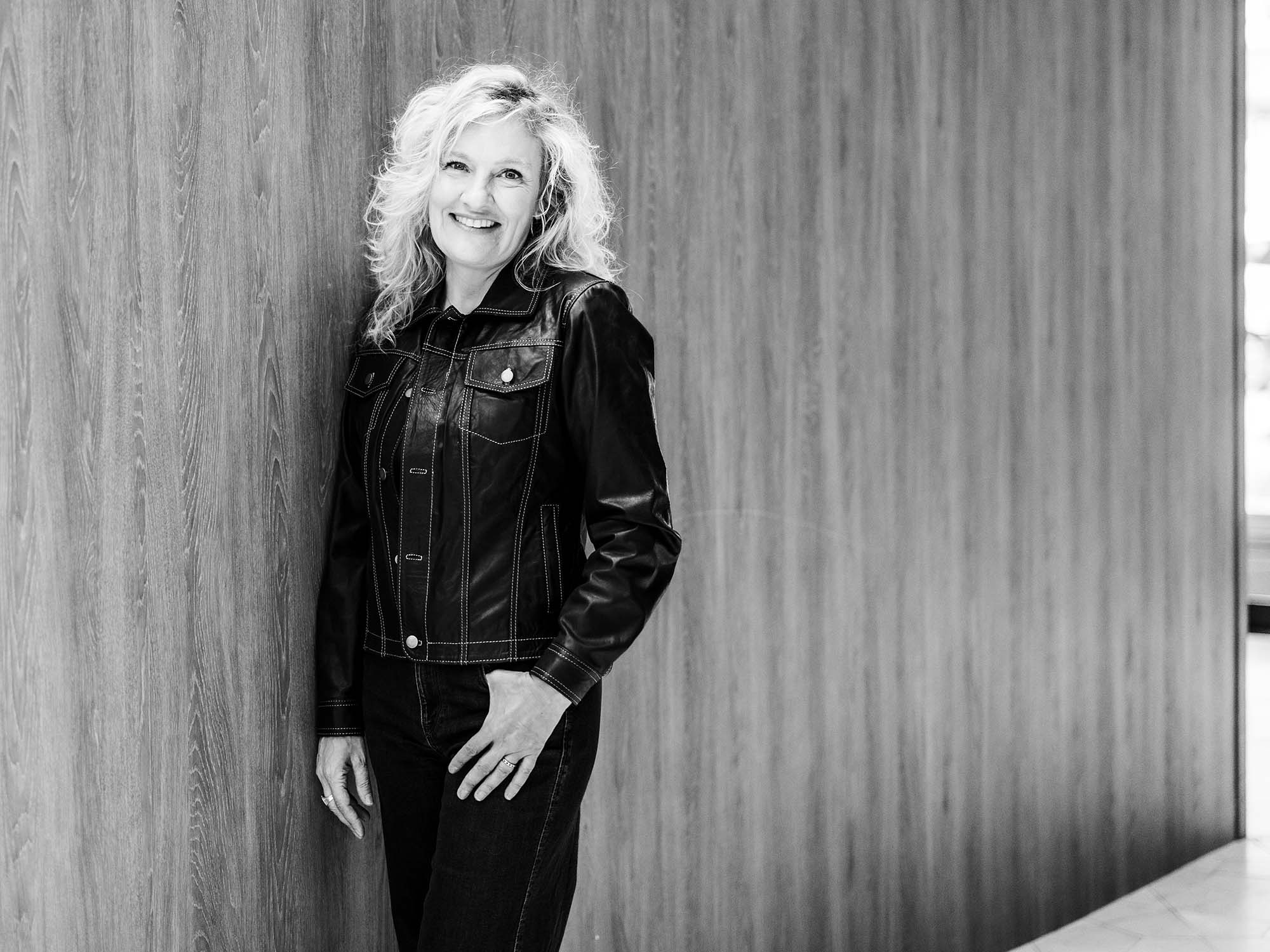
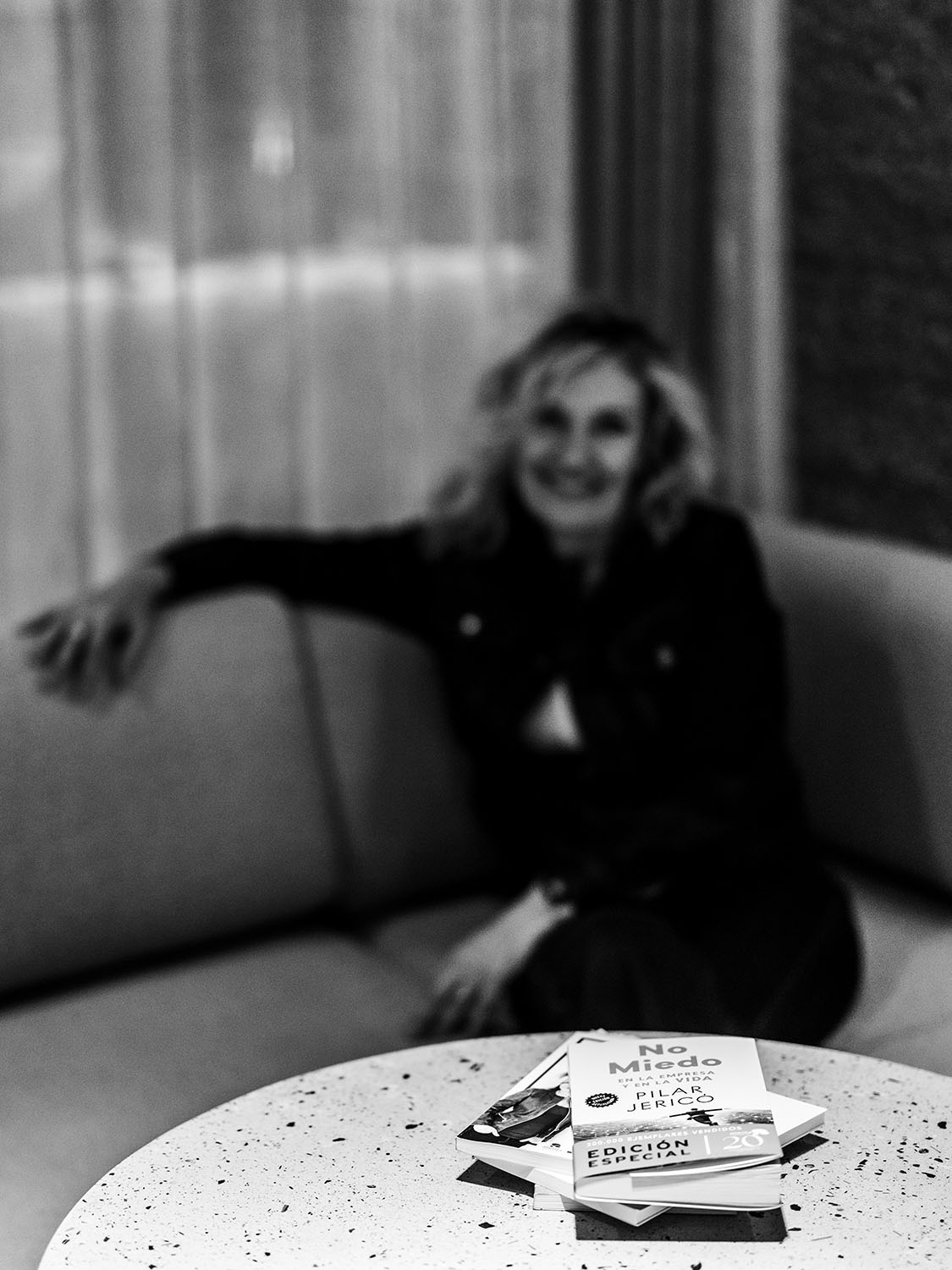
—Now it’s twenty years since NoMiedo (Alienta). Was that book important to you? Why?
—It was a bestseller in Spain for several months and also in other countries. I was very young when I lived it, and it was completely unexpected. When I write, I don’t think about sales. That would be madness and a kind of slavery, so the reception impressed me. Talking about fear was a provocation; that’s why writing openly about it was almost a milestone in the corporate world. That success opened the door to international conferences, and I’m very grateful for that opportunity.
—I really liked Everyday Heroes (Planeta). What is an everyday hero for you?
—That person who surpasses themselves and, in addition, inspires others. It doesn’t matter what their occupation is, or their age. It’s about courage. The difference between an everyday hero and someone without that attitude is that the first one does not wait to be saved from problems, but rather takes the first step. The second, on the other hand, falls into constant complaint and lament, and finds it harder to take steps to move forward.
—How can we become everyday heroes?
—First, by acknowledging that we have more potential than we often realize. Sometimes we fear adversities we believe are impossible to overcome, and later, with time, we realize they weren’t that big after all; they may have left us with scars, but we managed. Second, it helps to understand the different phases we go through: from denial to fear or to the desert. These are the stages in which emotions take time to fade, and I captured them in the book. Understanding also brings relief.
—You place a lot of emphasis on the importance of knowing ourselves. How can we achieve that?
—By traversing the emotions or experiences that are hard for us to recognize. Letting go of victimhood, guilt, pride, or pain, in order to view them from a broader perspective.
—What use is knowing ourselves?
—To free ourselves from what weighs us down. We can’t change what we have lived, but we can “recycle” it to make use of it, even if only to gain more freedom in our decisions and avoid automatic reactions.
—You’re an expert on talent. How can we locate our talents?
—Talent is connected to what we excel at and it requires several elements: certain abilities, a commitment, and taking action. To identify it in ourselves, we need to ask what we enjoy doing, where we excel, and what we offer that creates some value. The three elements help give it meaning.
—Is it worth dedicating time to something that doesn’t deliver much in return? Is this a hobby?
—Even if it’s a hobby, it’s worth dedicating time if we enjoy it, it amuses us, or it helps us, as long as it doesn’t siphon off too much time from what we must do. In fact, as was shown in a study years ago about what Nobel Prize winners in Physics and Chemistry did, they were 22 times more likely than any of us to devote time to other activities, such as music, acting, or cabinetmaking… All of that broadens our minds and helps our main focus.
—I’ve read your book on determination, What If You Actually Could? Why is determination key?
—Because it helps us make decisions that cost us. It’s a very powerful energy, often more visceral than mental, but it’s what helps us move forward in the face of major obstacles.
—You always wanted to be a writer. When you were a child, did you imagine your career would be what it has become?
—Not at all. Some people navigate by maps and others by compasses. Maps draw objectives; compasses provide directions. I’ve always been the latter. I enjoy writing and I keep exploring where it leads, trying to do it as well as I can.
—What are you writing now, if one can say?
—I’m working on several projects. After reediting NoMiedo, twenty years later, and rewriting it entirely again, I’ve launched my column in Forbes for management topics and I continue to collaborate with El País Semanal. I’ve also returned to narrative writing, and I’m excited to come back after so many years.
—Which books do you prefer as a reader?
—I read several kinds of books. On one hand, professional works that help me keep learning, and on the other more for pleasure, including novels and, especially, psychological thrillers.
—Which book would you especially recommend to our readers?
—From a professional perspective, I really like Daniel Kahneman. His book Thinking, Fast and Slow is a classic. Also any of Adam Grant’s books for their research and original viewpoints. And in fiction, I was captivated by The Silent Patient by Alex Michaelides, a psychological thriller that I imagine will soon be adapted into a film.
—What remains for you to do in the future?
—Many things, and I like it that way. To keep learning and writing, which for me are the same; to return fully to narrative; and, if I’m honest, to keep the thrill intact of someone just starting out. I don’t chase a fixed destination — I already told you I’m a compass — but rather to keep moving in the direction that makes me vibrate.
—Do you have any project on hand you’d like to talk about, even if it isn’t a literary one?
—In a few years I’d like to circumnavigate the globe. I have a young child, and I know it won’t be easy, but I’d like to start organizing it little by little.
—Do you like to be called a communicator?
—I consider myself a communicator through my lectures, podcasts, articles, or books. It’s a term that describes well what I do.
—What does it take to be a good communicator?
—To reach the audience well. For that, you need to forget a bit about yourself and put yourself at the service of the message and of those listening.
—How can someone become a good communicator? Is it a gift, or the result of a path one must undertake?
—I have always loved communicating. I remember it since I was little. While others were terrified of public speaking, I enjoyed it. But that’s only the beginning. It takes years of experience, many mistakes, surrounding yourself with people who help you, and continuing to enjoy it.
—Do you consider yourself what people now call a storyteller, a “storyteller”?
—I tell stories because that’s what enables people to learn lessons or discover concepts. In my books I always include at least one nice story.
—What is a storyteller for you?
—For me, a good storyteller isn’t someone who tells pretty stories, but someone who makes an idea stick with you. We are beings who think in terms of narratives: we don’t remember a fact, we remember what happened to someone because of that fact. Telling stories is, at bottom, the most honest way to teach, because it respects the listener’s intelligence and lets them draw their own conclusion.
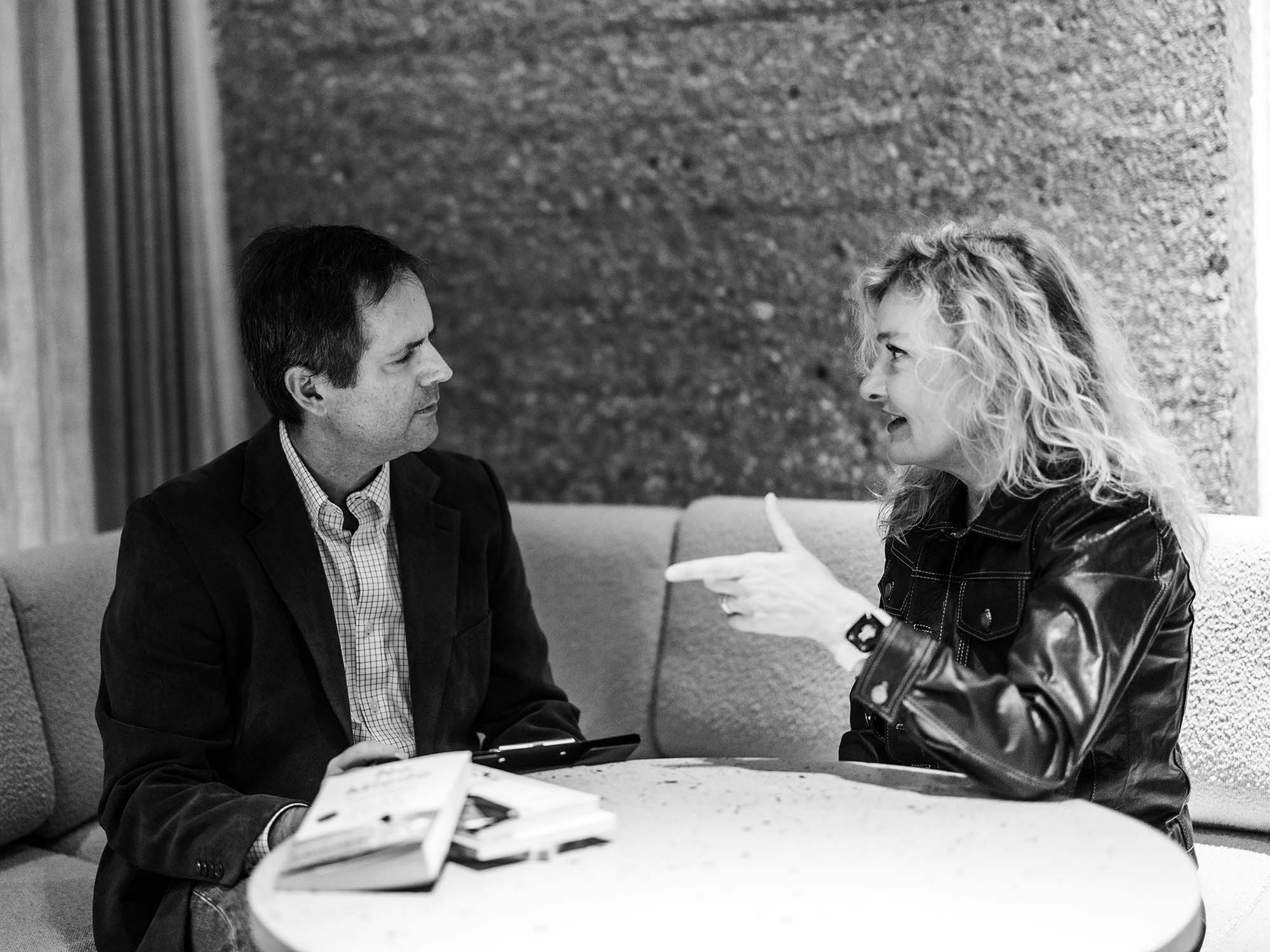
—Your activity seems frenetic, and you come across as a hard worker. What do you like to do in your free time when you need to rest?
—I admit I’m very hardworking, but I’ve learned to protect spaces without screens or schedules. Simple things fill me: spending time with my son, reading a good novel for pure pleasure, being with friends and family without work seeping into the conversation. And traveling, whenever I can, because it recalibrates my mind.
—How do you rest, what would you recommend on that?
—I love sleeping and I have a very intense dream life. I also disconnect from day-to-day life and make plans with friends and family, without work getting in the way.
—What is enthusiasm to you? What role does it play in our lives?
—It’s a true engine, and the interesting part is that it depends on us. Enthusiasm isn’t waiting for something good to happen; it’s the energy of anticipating it and going out to seek it. That’s why it can be trained: when we take care of what excites us—a project, a relationship, an idea—we fuel everything else. Without enthusiasm, even the good things can weigh us down; with it, even the difficult things can be sustained.