
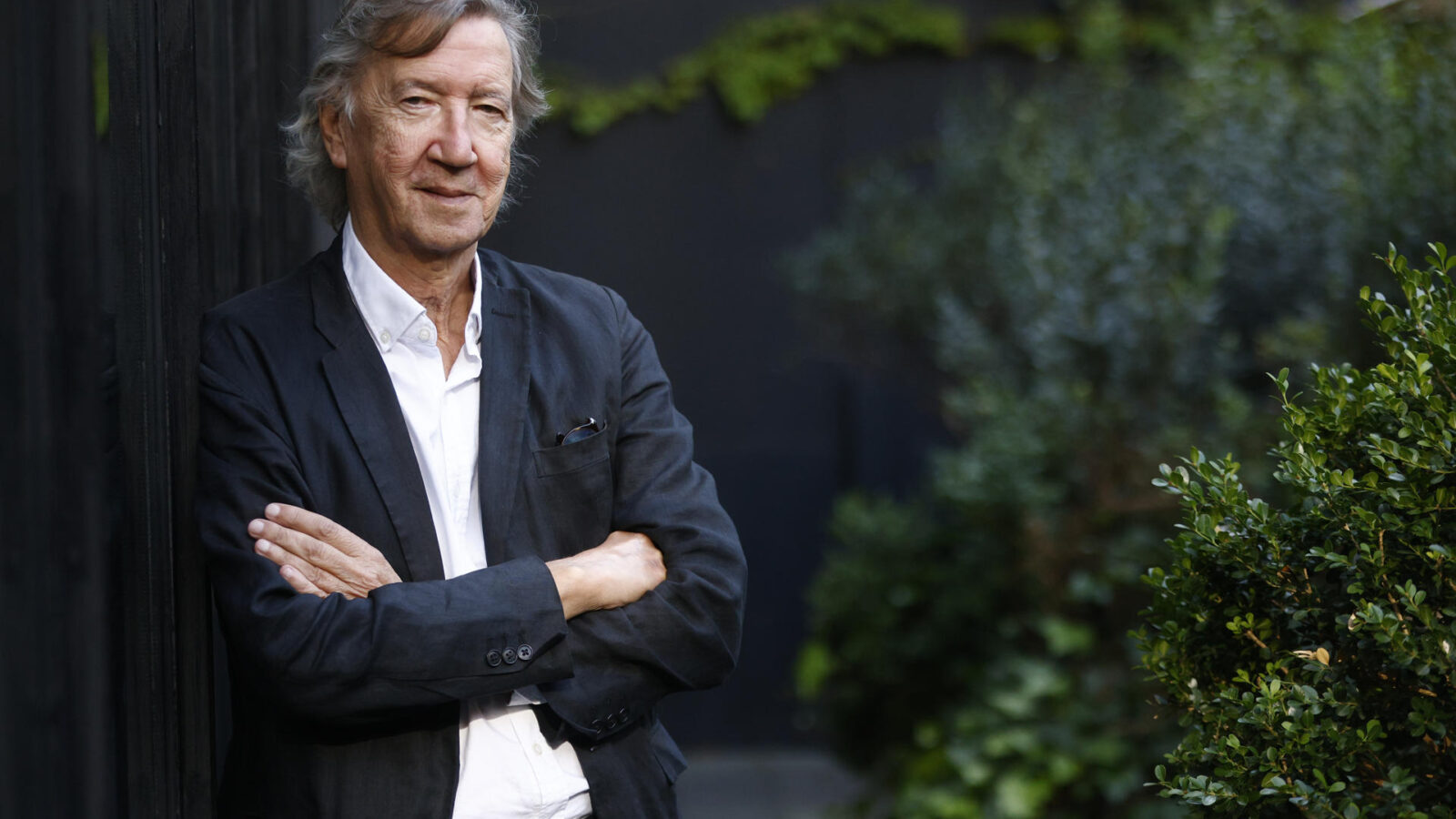
The philosopher Rafael Argullol argues that thanks to the magic of painting, time comes to a halt. He enjoys facing the “good painting, the kind that provokes awe and beauty.” In his new book, Pinacoteca soñada, he creates an “imaginary museum” drawn from 168 painters who have left a mark on him throughout his life.
In an interview with Efe, the Barcelonan recalls that this work, published by Acantilado, was made possible by the articles he wrote weekly for three years in Catalan for the newspaper Ara, building a “pinacoteca sin muros”. He set a rule that the artists be European and that all of them had already passed away, making the oldest portion the portraits from El Fayum, dating back about two thousand years; and the most recent Nigredo, by Anselm Kiefer, from 1984, the only living artist and the one he included by mistake, though he greatly admires him and decided he should remain in this selection. Alongside these two painters, readers will learn what he thinks of works by Giotto, Fra Angelico, Da Vinci, Durero, Miguel Ángel, Caravaggio, Rembrandt, Velázquez, Goya, Van Gogh, Picasso, Magritte, Francis Bacon or Lucian Freud.
“Painting is a mirror of the human condition, a silent testimony of our life and of the life of the world, and this attracts me and brings me calm. I like all the arts, but painting has a soothing effect on me. I love music; it moves me, it stirs me, but at times it drives me toward extreme emotionalism.” In contrast, painting is “a serene emotion,” he says, and adds: “Even The Scream, by Munch, which I saw live in Oslo and which surprised me, because I expected it to feel like a scream, but it was set in an extraordinary silence.” Moreover, painting “is a cut in time, as if it halted the flow of time, even in a work such as Saturn Devouring His Son, by Goya, which when you look at it time stands still, though it deals with ephemerality. That is the magic of painting.”
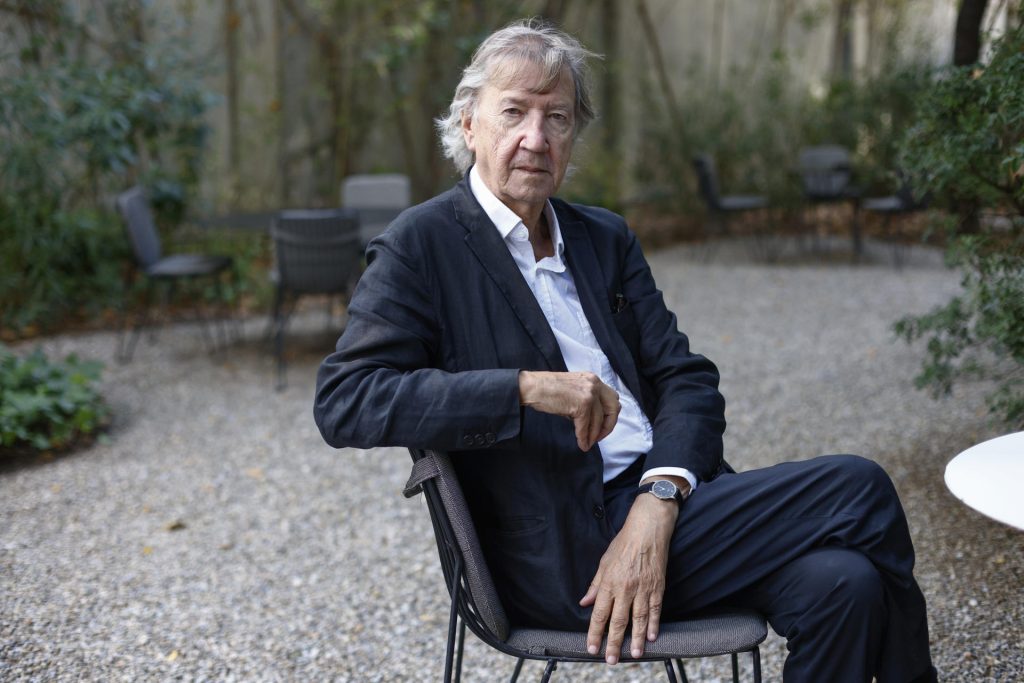
EFE / Quique García
When asked which one of the painters and paintings he would lean toward if he had to pick just one, Rafael Argullol, without hesitation, says that as a painter he would choose Piero della Francesca, to converse with he would pick Leonardo da Vinci, and as a painting to have at home “I would steal” The Tempest, by Giorgione, because “it possesses a mystery that will never be resolved, no matter how many interpretations are made.” He confesses that, years ago, he once had it in front of him at the Academy of Venice, during a moment of “decadence” in the institution, with almost no security measures, and he even thought: “What if I take it and bring it home?” It was hanging crooked, but he didn’t touch it. Despite these reflections, the essayist adds that the painting he believes to be “unbeatable,” from both technical and substantive standpoints, is The School of Athens by Raphael, which he calls “masterful.” With his addictive prose, the book notes that when contemplated “with care, one gets the impression that in that scene the world was preparing to be better.”
He also argues that painting reveals the possibilities of reality, and these are “as infinite as our imagination,” to the point that the frontiers of reality have been expanded to encompass vast fiction. In essence, painting acts on us as if it were a mirror. When we contemplate a painting, we are looking at ourselves in a mirror, which shows us who we are. This is why, at different stages of life, the same painting can offer different insights into how and who you are.
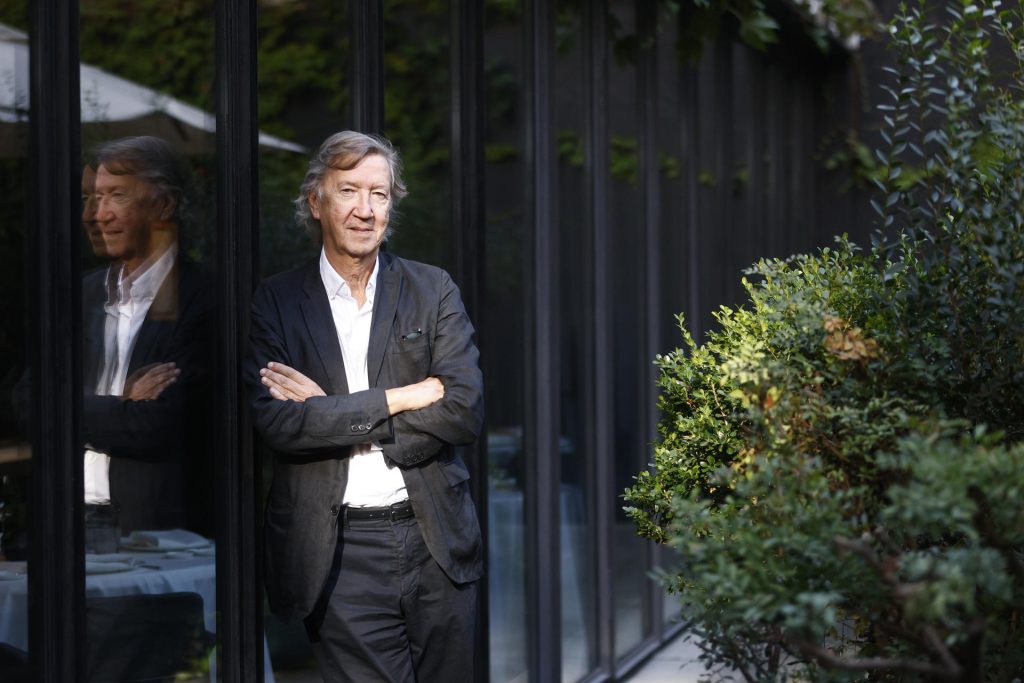
EFE / Quique García
As for what he prefers, whether abstract or figurative painting, he does not hesitate to say that what he seeks is to continually confront himself with good painting, with which he feels emotion and beauty and, therefore, it does not matter whether it is “abstract, figurative, corporeal, or landscape”. Regarding the themes that recur most in works, the writer notes that they are those that relate to the essential questions of the human condition. Regarding how Artificial Intelligence (AI) might affect painting, Rafael Argullol hints that he is working on it, so for now he only opines that AI “will never paint with defects and nuances” as all the great painters throughout history have.
———————————
Source: Irene Dalmases, Efe