
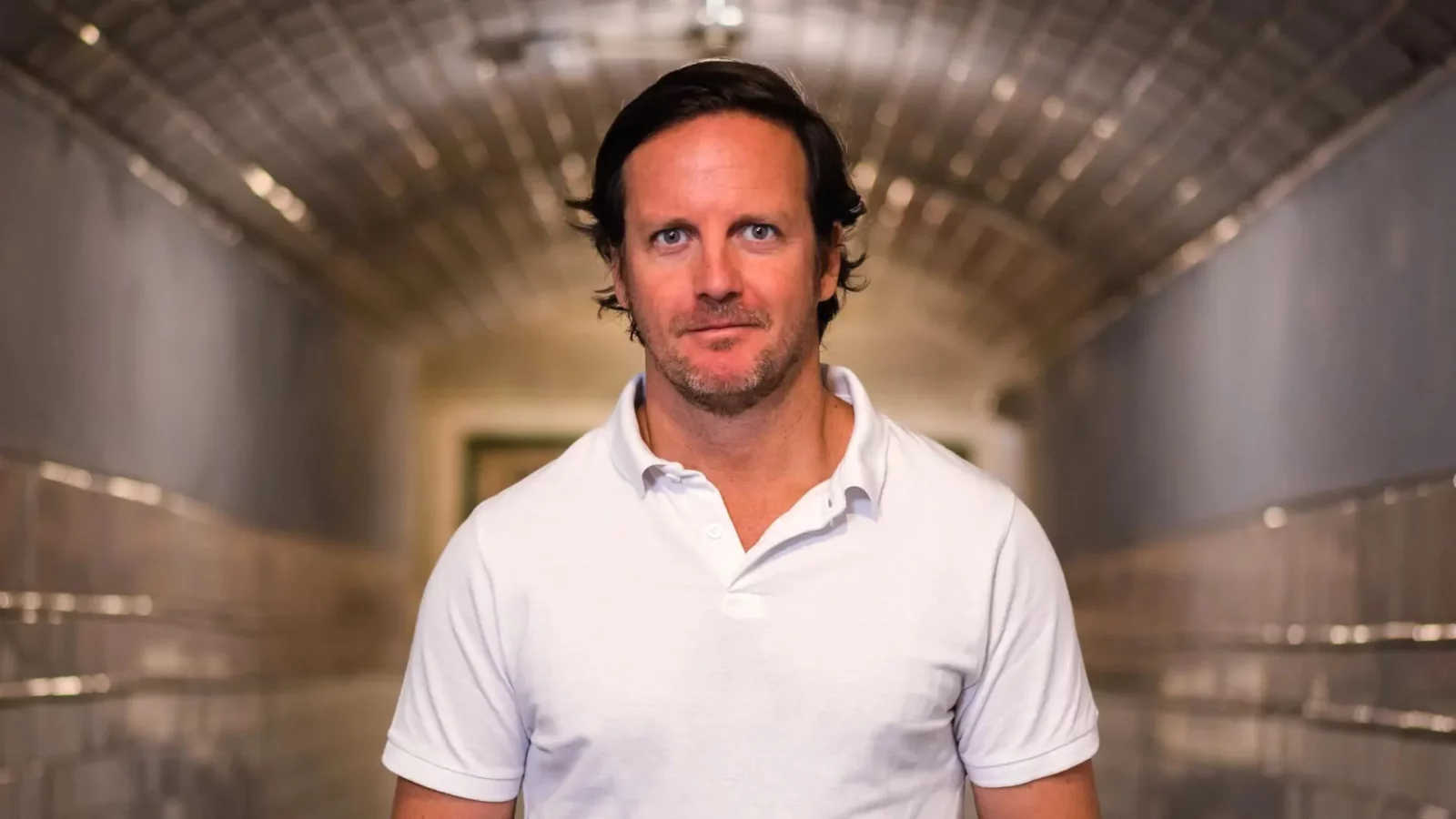
The figure of Rezola’s character does not spring from nothing. It is based on “El Español”, a medieval art forger whose identity remains unknown and to whom at least 200 forgeries in the Spanish state are attributed. “Today his paintings are highly sought after, and one thing that adds value to art is its story, its narrative. A painting that has belonged to the king is worth more than a painting that, being a forgery, has no history. But if forgeries have a story, the paintings gain value,” the writer told Efe.
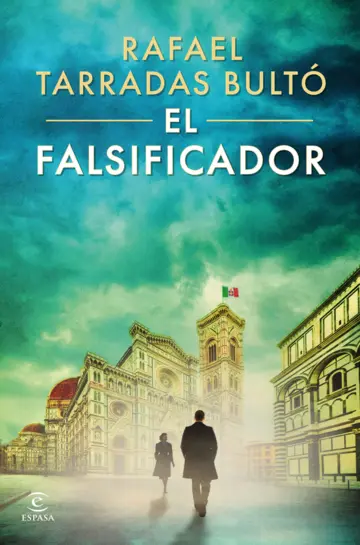
Tarradas, in this novel, portrays Hitler not only as the monster he is known for, but also as the man he was: a lover of art. “It is very hard to soften someone like that, but you can understand that people at that time, who did not know what would happen afterward, could soften toward his figure,” Tarradas notes. Hitler did not merely expropriate Italian art; several countries were forced to “gift” some of their works to the dictator.
Spain came close to handing over the painting Portrait of the Marchioness of Santa Cruz, by Francisco de Goya, which is today happily housed in the Prado Museum. There are many works in the Prado that would have pleased the Führer, according to historian Fernando Fernández on the occasion of the novel’s launch. And they all shared a common trait: a taste for the ancient, the primitive, for what remains untainted. “Hitler needed art to persuade and demonstrate that his ideas were true, that there was a superior German body, that his government rested on democracy and the imperial Greek and Roman superiority, and that the Jews were the evil,” the historian states, with examples such as The Thousand Disguises of the Demon or Adam and Eve, by Durero.