
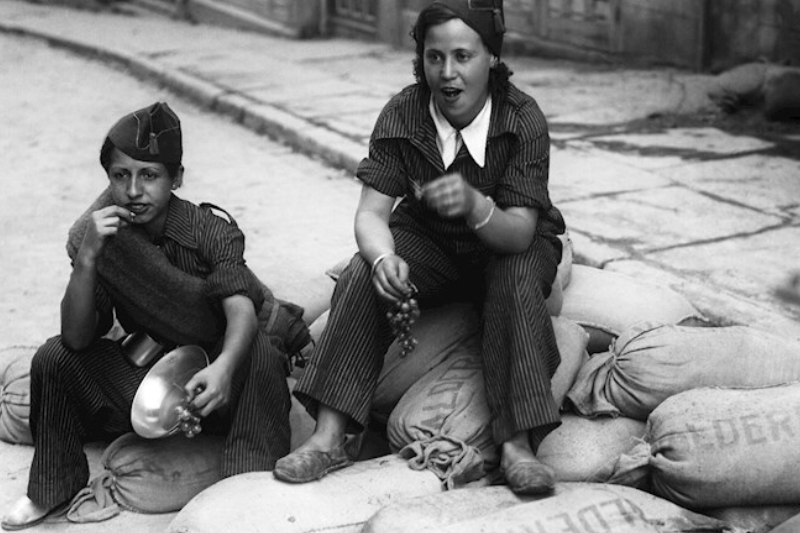
The eleventh edition of Letras in Sevilla, held in the Andalusian capital from October 5 to 8, 2026, under the title 1936: The War We All Lost, was distinguished by a format that blended film screenings with lectures and debates.
The aim of this article is to collect the books that, throughout the days, were recommended by the various participants, as well as some works by their own authors related to the Spanish Civil War. It seeks to draw on the knowledge and experience of historians, writers, researchers, and specialists to offer a reading itinerary that allows approaching the conflict from diverse perspectives. A library that, without the pretension of being exhaustive, helps to view the war through the lens provided by writings as varied as novelized histories, biographies, essays, theses, and research studies.
During the morning sessions, from Monday to Thursday, four films were screened, each addressing different episodes of the Civil War. Dragón Rapide recreated the events leading up to the military uprising of July 1936. No News from the Alcázar narrated one of the best-known early-war episodes: the siege of the Infantry Academy in Toledo. While There Is War depicted the repression behind the lines of the side that rose up, featuring Unamuno and Millán Astray as representatives of opposing positions. Finally, Red and Black told of the repression exercised in one of Madrid’s chekas, established by militiamen aligned with the Republic.
At the end of each screening, Emilio G. Romero, a specialist in film history, moderated a discussion in which attendees could share impressions and reflect on the historical events presented onscreen. Romero enriched each session with bibliographic references that allowed for deeper exploration of the historical and cinematic context of the works shown.
From those four sessions comes the first selection of articles I list below, texts that help illuminate both the historical events that inspired the films and the way cinema has interpreted and represented the Civil War of 1936.
The recommendations offered by Emilio G. Romero in each session are included in the bibliography.
In the evening sessions, politicians, journalists, professors and academics, authors of historical fiction and historians participated, whose works and bibliographic recommendations enable me to assemble the following reading list. It is a compilation of titles intended to guide readers who wish to deepen their understanding and learn more about what happened before, during, and after the Spanish Civil War. A conflict about which, as could be observed throughout the days, many participants agreed on a reflection that sums up the spirit and gives the title to this eleventh edition of Letras in Sevilla: 1936: The War We All Lost.
Before turning to the enumeration of the suggested bibliography, I want to acknowledge that the success of this eleventh edition of Letras in Sevilla stems from several factors worth highlighting: flawless organization, a wonderful welcome from the public, both in person and via streaming, and above all the erudition of the participants who managed to blend rigor, outreach, and accessibility. Yet I believe that their greatest achievement has been proving that it is possible to discuss our Civil War from knowledge, respect, and concord. We all lost that war. But we must not abandon learning its history. We have the right to do so, and reading the works gathered in the following bibliography constitutes an excellent way to exercise that right.
The recommendations delivered during the days form a mosaic of approaches and sensibilities that allows the reader to build a broader view of the conflict. I group them here in as much as possible the order in which the authors appeared during the jornadas.
BIBLIOGRAPHICAL COMPILATION
1- Arturo Pérez-Reverte, Line of Fire.
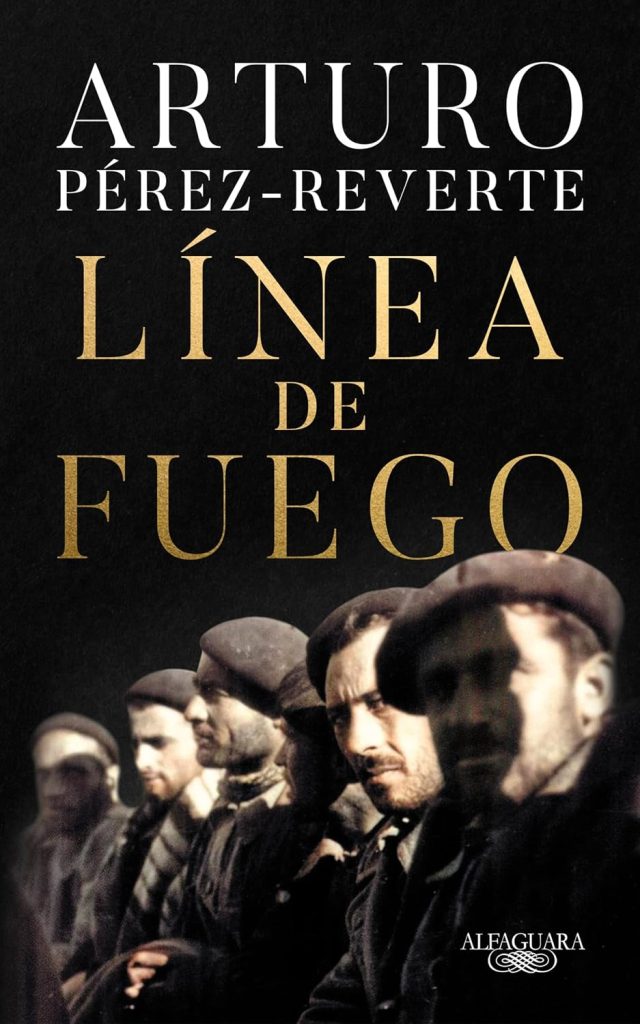
In Line of Fire, Arturo Pérez-Reverte recreates with stark realism the Battle of the Ebro. The work blends fiction, history, and personal testimonies, recounting the experiences of ordinary men and women who fought on both sides, protagonists of a tragedy that is part of our history.
2- Juan Pablo Fusi, Spaces of Freedom
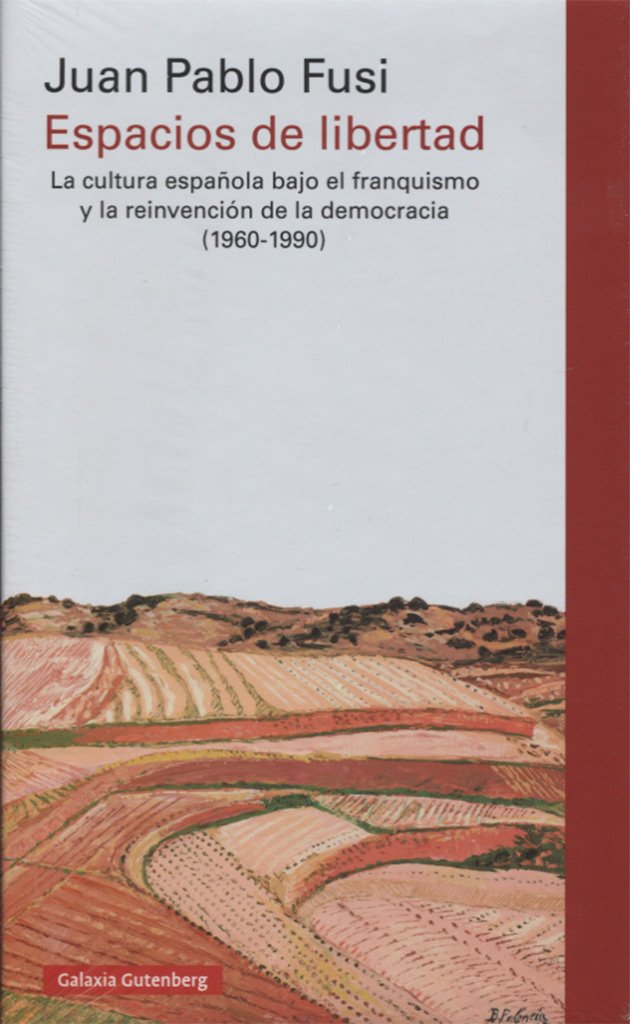
The professor Fusi describes with precision in Spaces of Freedom how the culture of early Francoism was marked by nationalism, Catholicism, and ideological control. From the 1960s onward, despite regime restrictions, cultural and intellectual currents emerged that won spaces of freedom and contributed to renewing Spain’s outlook.
3- Susana Fortes, Waiting for Robert Capa
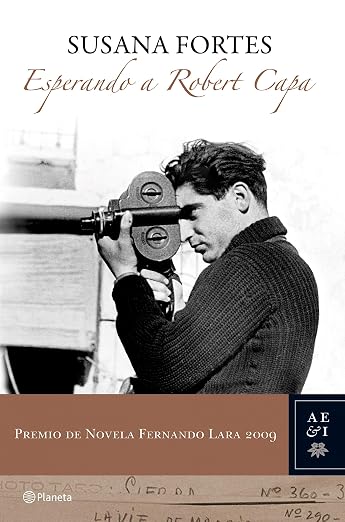
The novel recreates the story of Robert Capa and Gerda Taro, two young Jewish refugees in Paris who became prominent war correspondents during the Spanish Civil War. A tale of love, political commitment, and photography, marked by risk and tragedy.
4- Ana Romero Galán, The Last Children of the War in Spain
A través de entrevistas a una treintena de supervivientes, la obra recoge los recuerdos y secuelas que la Guerra Civil dejó en quienes la vivieron durante su infancia. Nota: sin imagen de portada, al ser una tesis.
5- Azahara Palomeque, Pueblo blanco azul.
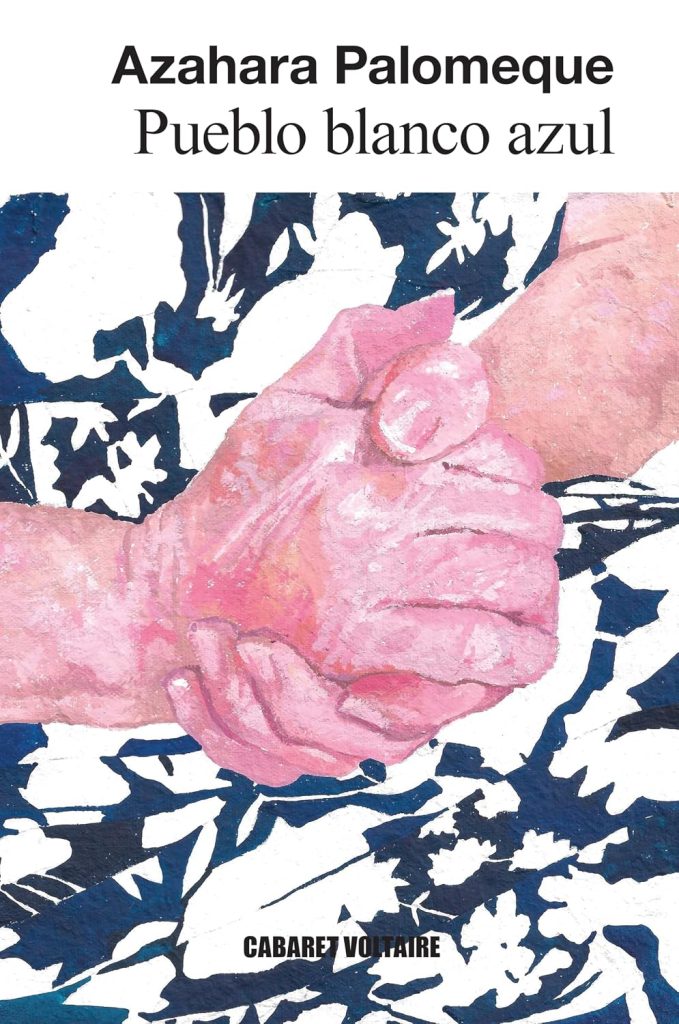
The novel follows Elaia’s return to her Andalusian village to reconstruct her family’s history, shaped by the Civil War, the dictatorship, and rural life. Through memories and family silences, the protagonist recovers the memory of her ancestors while facing the grief of her grandmother’s death.
6- Enrique Moradiellos, Negrín.
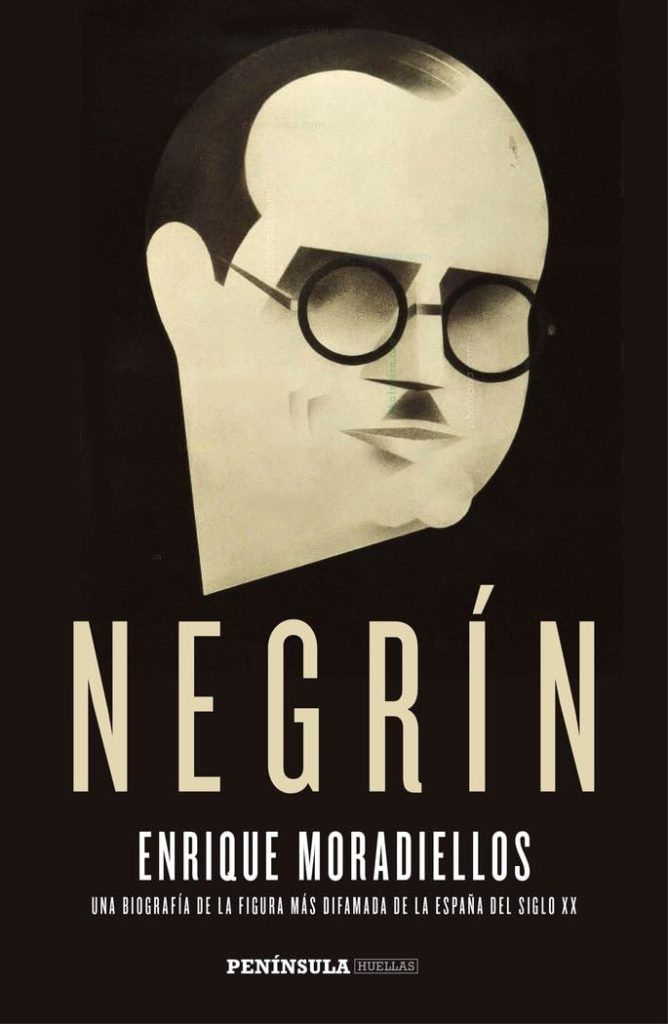
The work reconstructs the life of Juan Negrín, a scientist and socialist politician who left research to assume significant responsibilities during the Second Republic. Minister of Finance and president of the Government from 1937 to 1939, he embodied the Republican resistance against Franco. His figure was subsequently consigned to oblivion by both defeat and internal divisions within the losing side.
7- Enrique Moradiellos, Franco: Anatomy of a Dictator
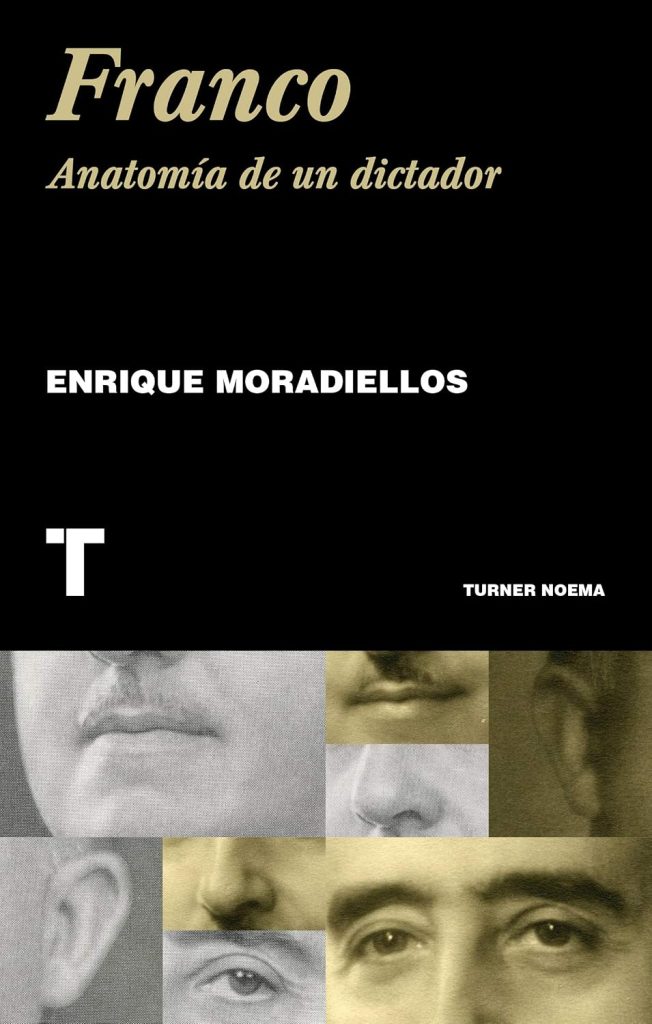
The book examines the personal and political trajectory of Francisco Franco, his rise to power during the Civil War, and the features of the regime he led until his death in 1975. It also analyzes the persistence of his figure in the contemporary political and cultural debate in Spain.
8- Manuela Carmena, Clara Campoamor.
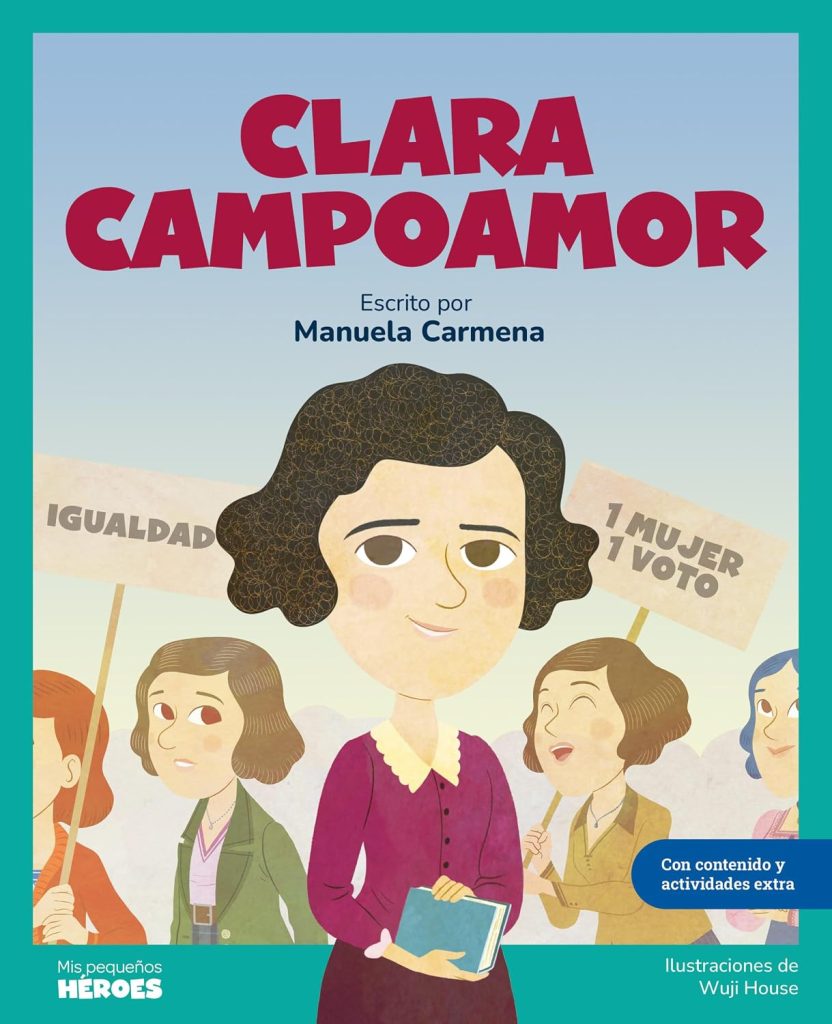
The work traces the life of Clara Campoamor, a prominent advocate for gender equality, whose political work during the Second Republic was decisive for recognizing women’s suffrage in 1931.
9- Giles Tremlett, The International Brigades.
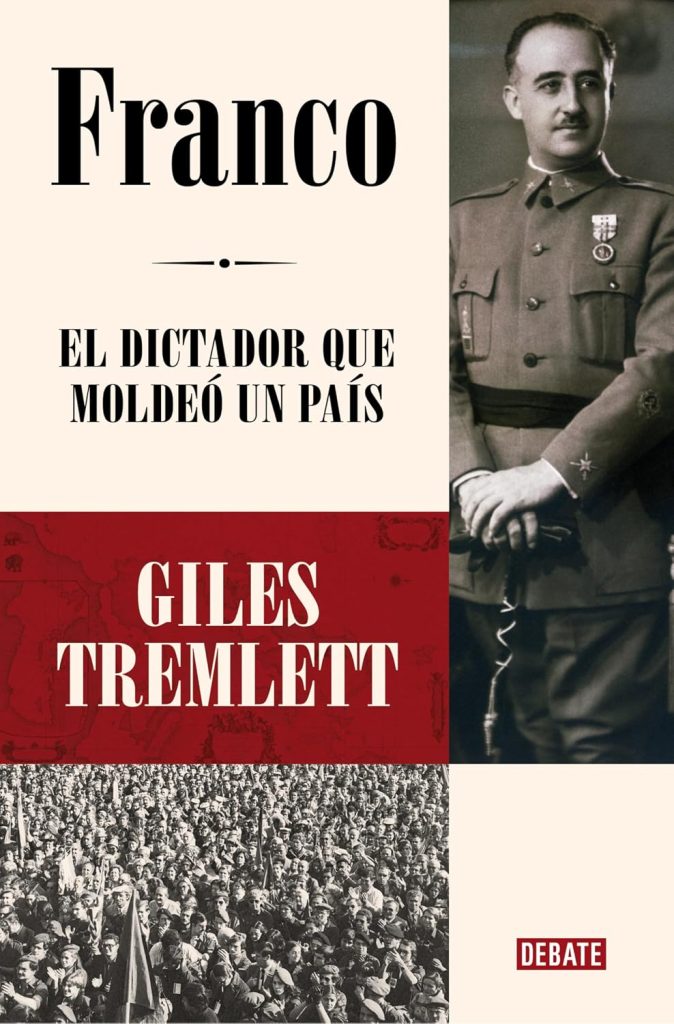
The author reconstructs the history of the International Brigades, comprised of more than 35,000 volunteers from many countries who fought alongside the Republic during the Spanish Civil War. Based on archives and personal testimonies, he analyzes their motivations, their front-line involvement, and the contradictions of that experience.
10- Sergio Vila-Sanjuán, The Casabona Report
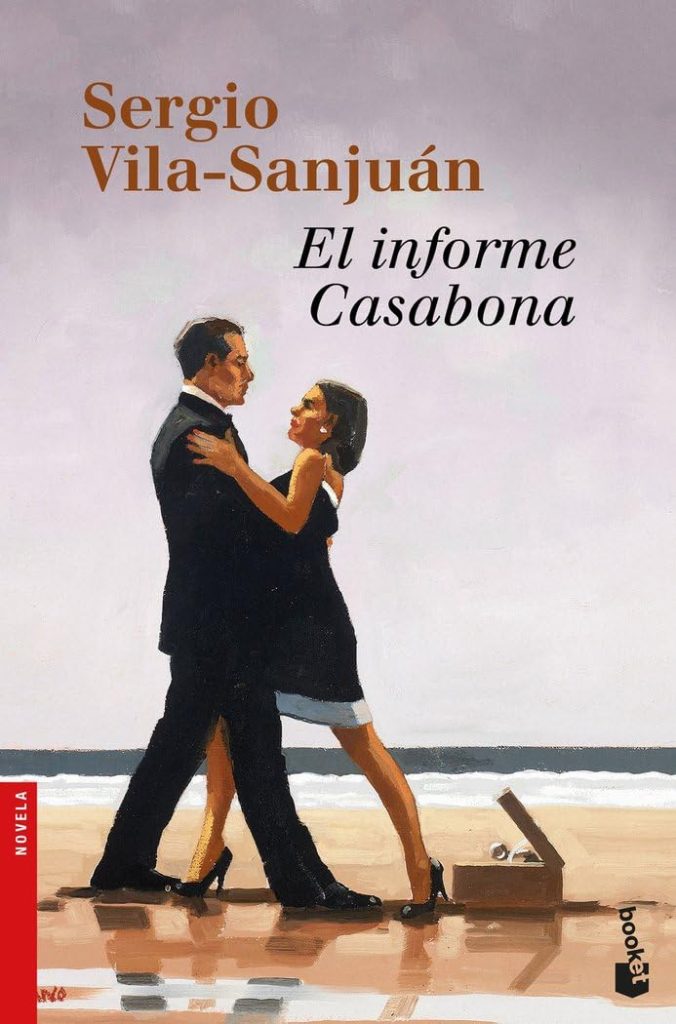
The mystery surrounding the death of Alejandro Casabona, an influential businessman and politician of Spain’s transition from dictatorship to democracy, triggers an investigation into his past and moral integrity. Journalist Balmoral must determine whether he was an exemplary man or a ruthless figure. With this novel, Vila-Sanjuán inaugurates a series of historical thrillers.
11- Nativel Preciado, The Time of the Cherries has Come
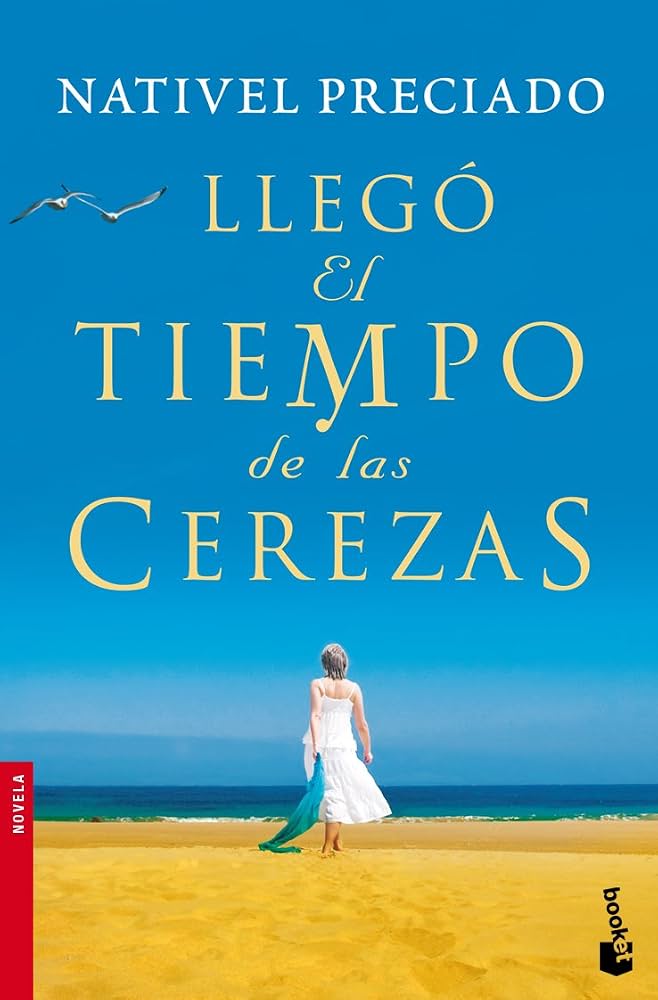
Preciado narrates the story of Carlota, an actress nearing seventy who, between memories of Francoist Spain and the fear of aging and loneliness, reflects on the passage of time. A novel that blends fiction and historical memory to affirm that aging is, above all, a matter of attitude.
12- Víctor Amela, They Stole Our Youth: A Living Memory of the Quinta del Biberón
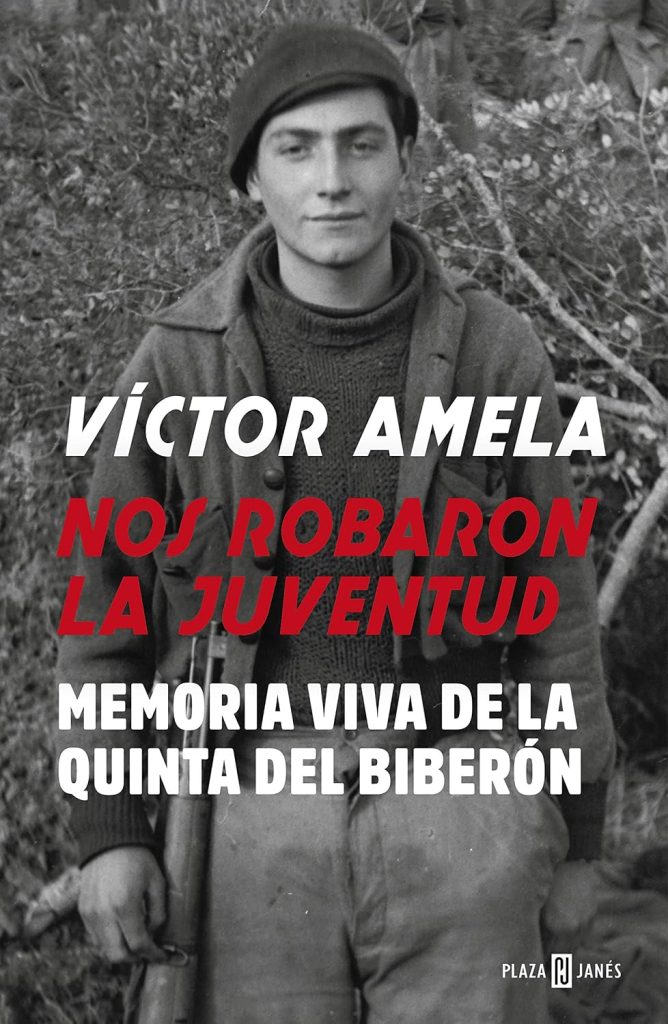
The author recounts the stories of the babies who fought in the Ebro, the volunteers who enlisted as teenagers on both the Republican and the Nationalist sides, those who survived and continued their fight in World War II, those who were imprisoned, and those who died on the battlefield.
13- Fernando del Rey and Manuel Álvarez Tardío, Crossfire
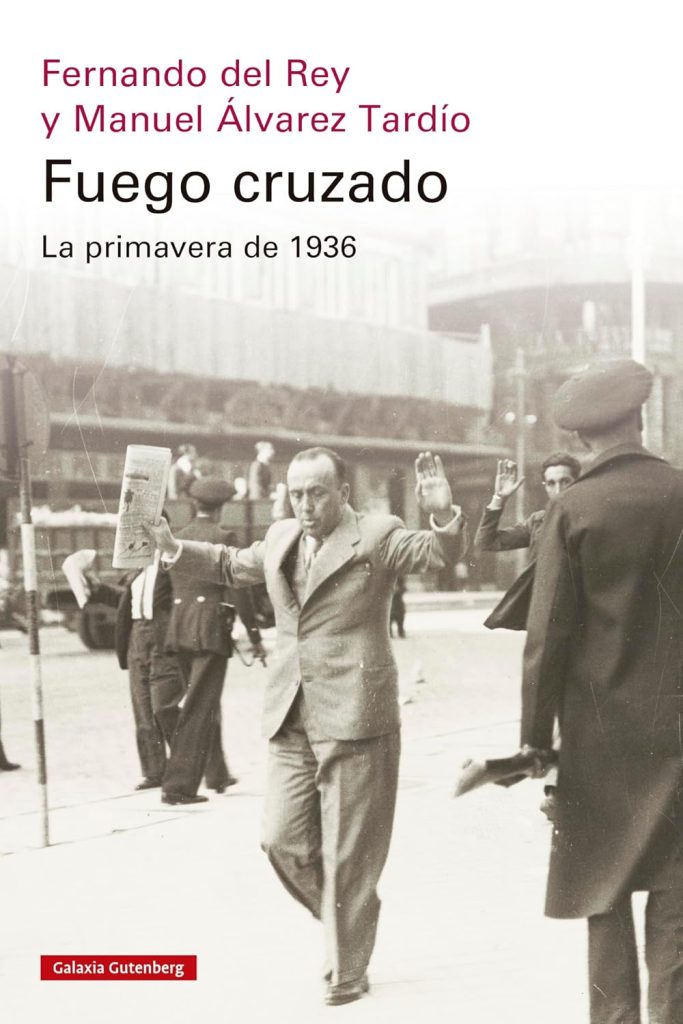
El libro de Tardío y Del Rey analiza con rigor los cinco meses transcurridos entre las elecciones de febrero de 1936 y el golpe de estado de julio. A través de una exhaustiva investigación documental y estadística, examina la violencia política, la actuación del Gobierno y las causas que condujeron al fracaso de la convivencia y el estallido de la guerra.
14- Gutmaro Gómez Bravo, El exilio interior
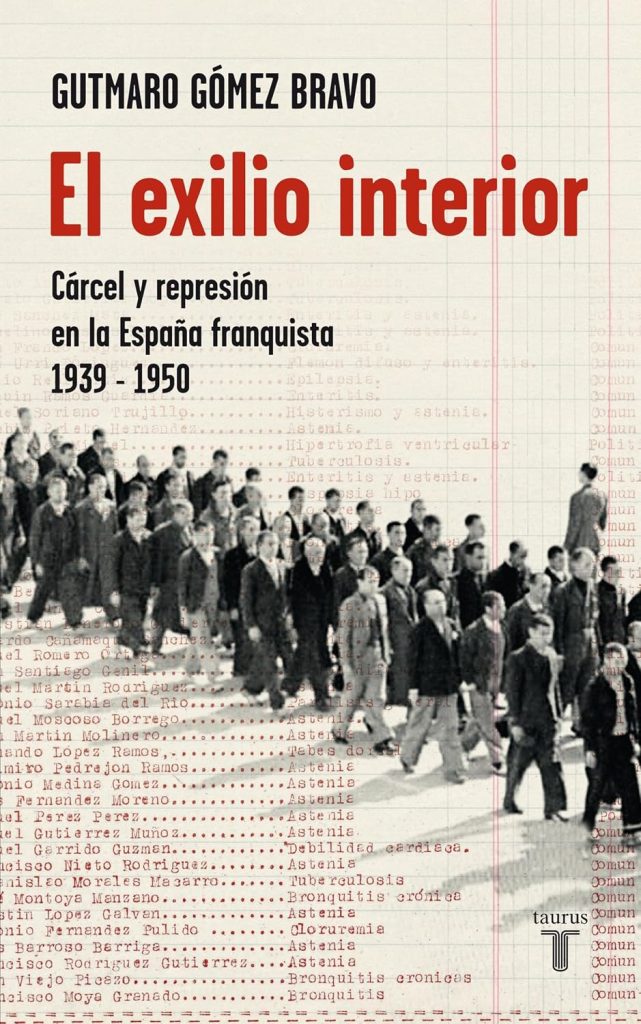
This essay analyzes the fundamental role of prisons in the Francoist repression and their impact on postwar society. It examines the harsh penitentiary conditions and the social marginalization suffered by hundreds of thousands of prisoners, condemned to live as exiles in their own country even after gaining freedom.
15- Andrés Trapiello, Prosperous Wind
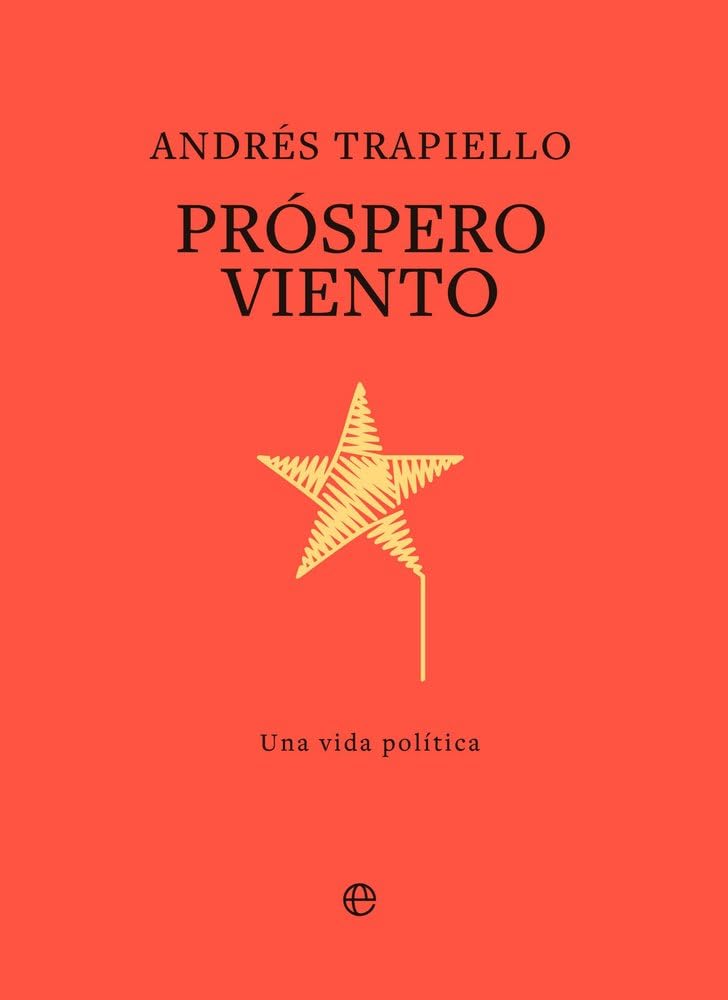
Its author blends autobiography and political reflection to traverse Spanish history from the end of Francoism to the present. He champions the so-called “third Spain,” represented by Chaves Nogales, Clara Campoamor, and Elena Fortún, and questions the left’s cultural hegemony and nationalism, as well as their interpretation of history.
16- Julián Casanova, Franco
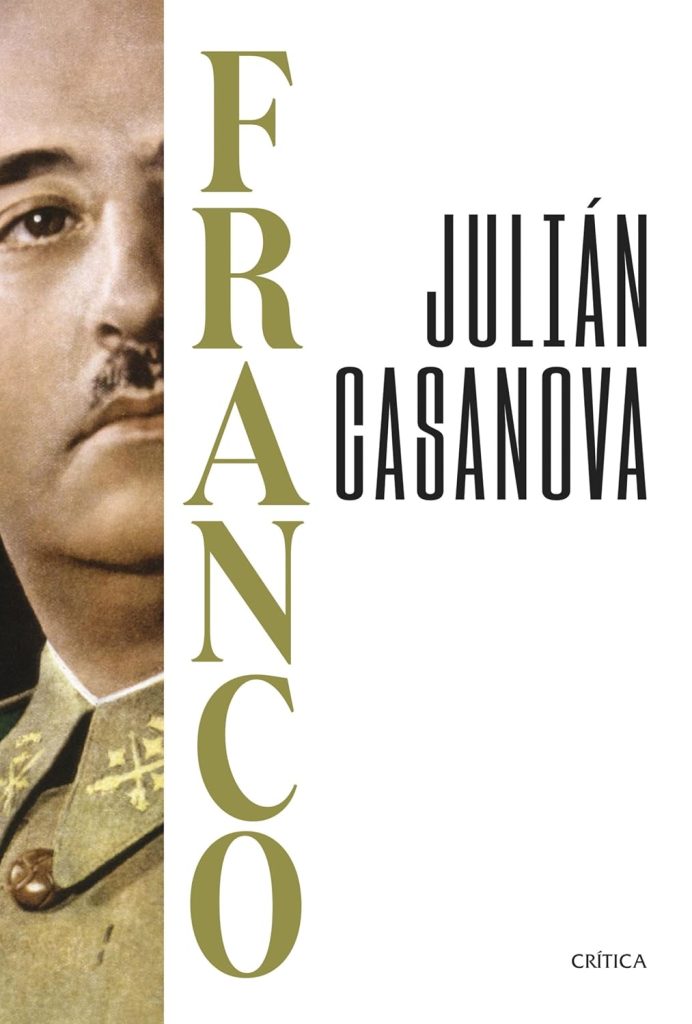
In this biography of Francisco Franco, the historian Julián Casanova analyzes the dictator’s personal, military, and political trajectory, based on extensive documentary research. It traces his rise to power, the evolution of his personality, and the consequences of his regime in contemporary Spanish history.
17- Julián Casanova, The Church of Franco
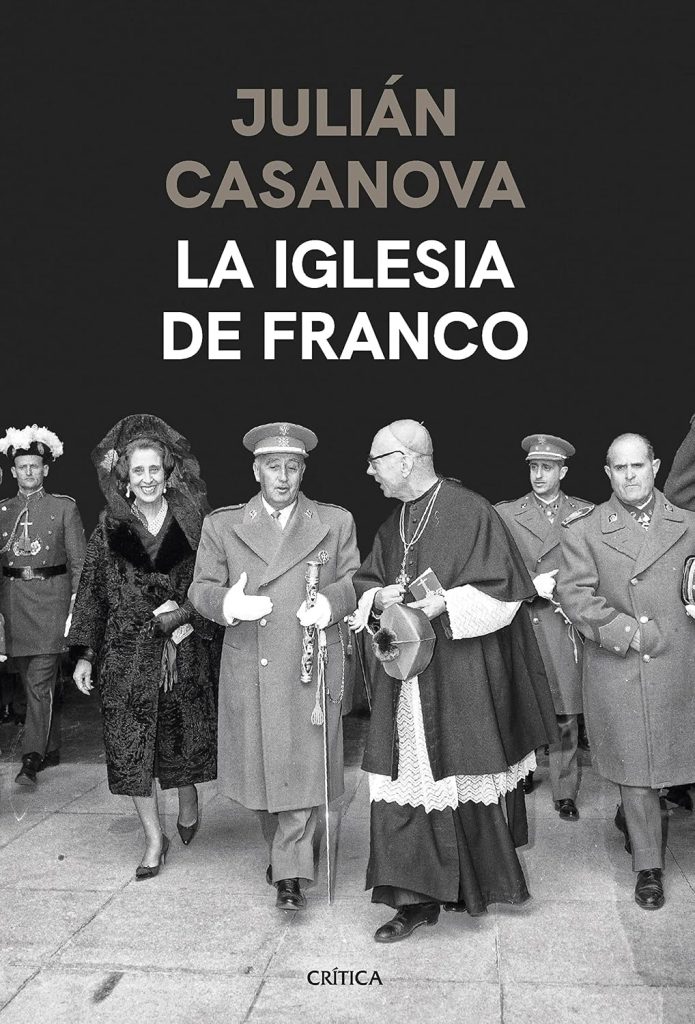
This essay analyzes the Spanish Catholic Church’s support for the 1936 military uprising and its close ties to the Franco regime. Through rigorous archival research, it examines the causes and consequences of this alliance, which deeply shaped Spain’s four-decade history.
**
Other titles that were mentioned by the speakers during the jornadas:
18- Paul Preston, The Spanish Civil War
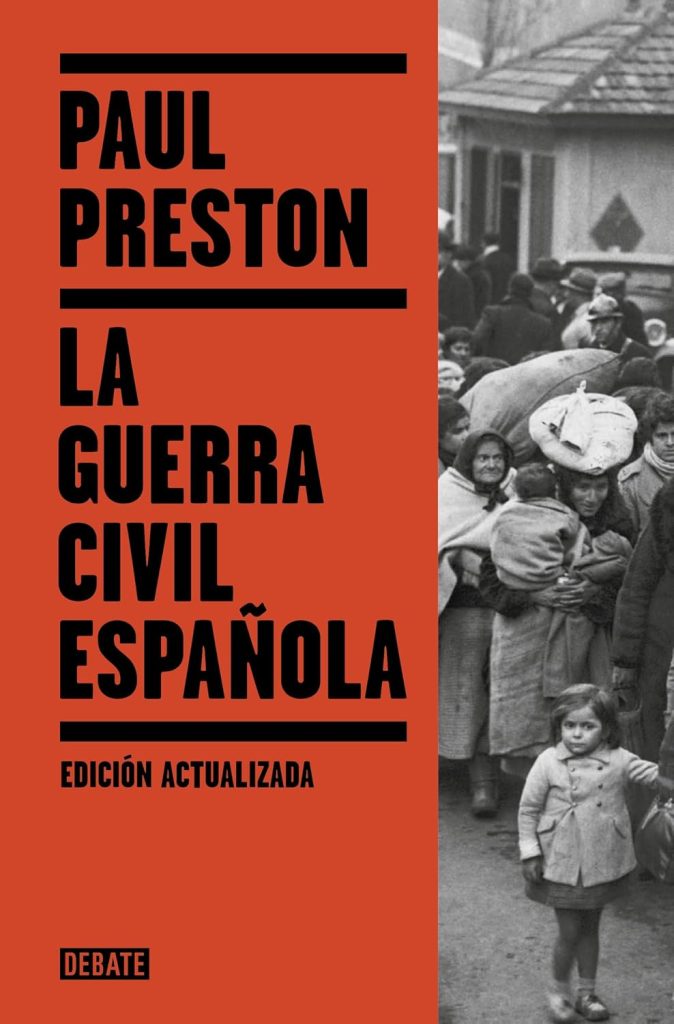
Hispanist Paul Preston offers in his book an analysis of the causes, development, and consequences of the conflict, incorporating new research and unpublished documentation. A reference work for understanding the tragedy that profoundly marked Spain’s contemporary history.
19- Norman Bethune, The Desbandá: The Crime on the Malaga-Almería Road and Other Writings
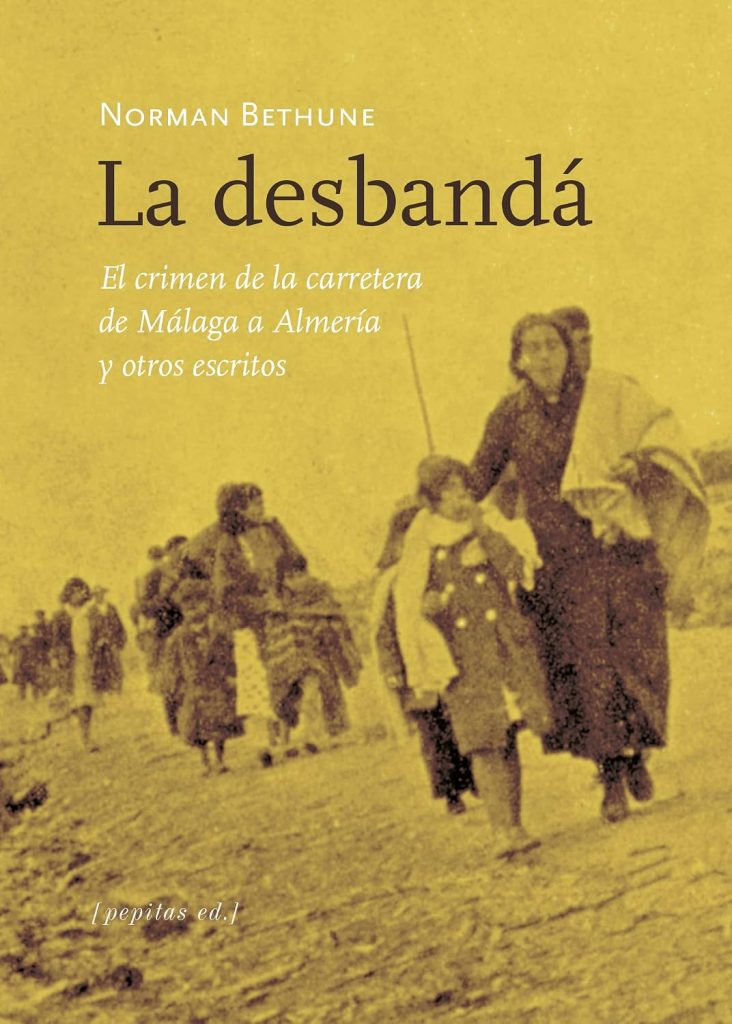
The book recounts the testimony of Canadian physician Norman Bethune about the Desbandá, the tragic exodus of tens of thousands of civilians fleeing from Malaga toward Almería in February 1937, under attack by Franco’s forces and their allies. Accompanied by photographs by Hazen Sise, it documents one of the Civil War’s most dramatic episodes.
20- Javier Cercas, Soldiers of Salamis
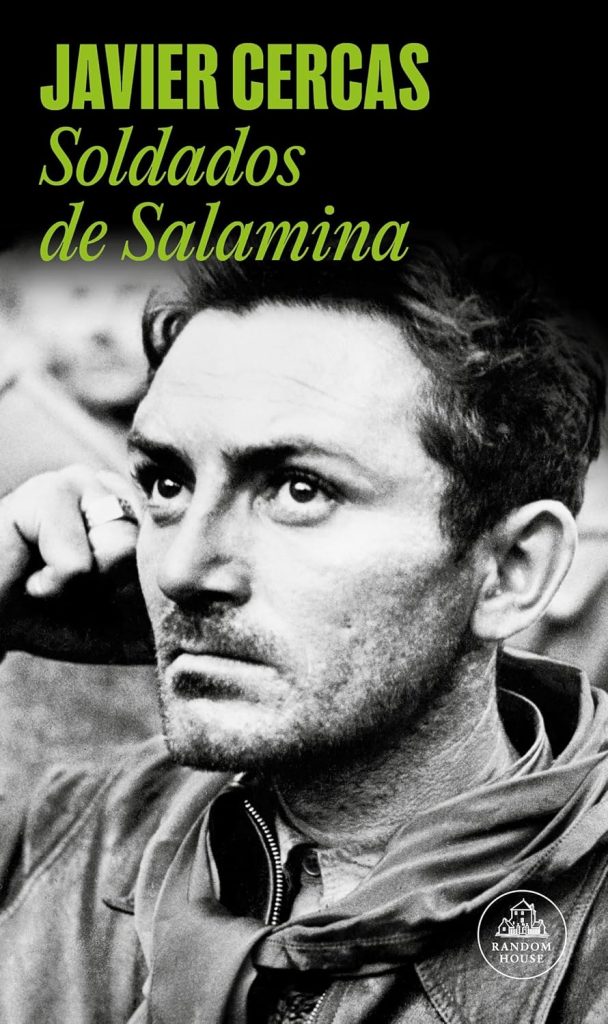
In the novel, Cercas reconstructs the remarkable survival of the Falangist Rafael Sánchez Mazas, pardoned by a Republican soldier during the retreat to France in 1939. A novel that fuses history, fiction, and investigation to reflect on the Civil War, memory, and the human condition.
21- Manuel Azaña, The Benicarló Evening
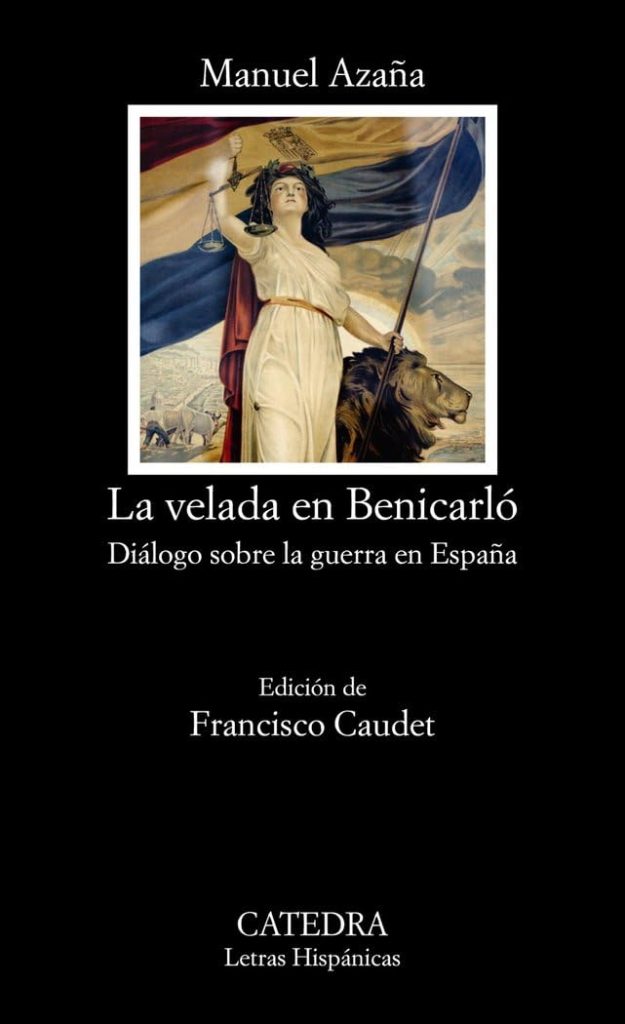
Dialogue on the Spain’s war, it is not merely a history book or a chronicle of the Civil War, but above all a political testament of Manuel Azaña, for in its pages he maintains the premises that form the basis of his moral conception of politics and his intellectual attitude.
*
Mention deserves special attention to the concurrence of many participants in highlighting Manuel Chaves Nogales’ work as one of the most valuable contributions ever written about the Spanish Civil War. His lucid, independent, and non-sectarian perspective has earned him a prominent place among those who have written about that episode in our history. He left behind some of his most renowned titles, including the following.
*
22- Manuel Chaves Nogales, A sangre y fuego
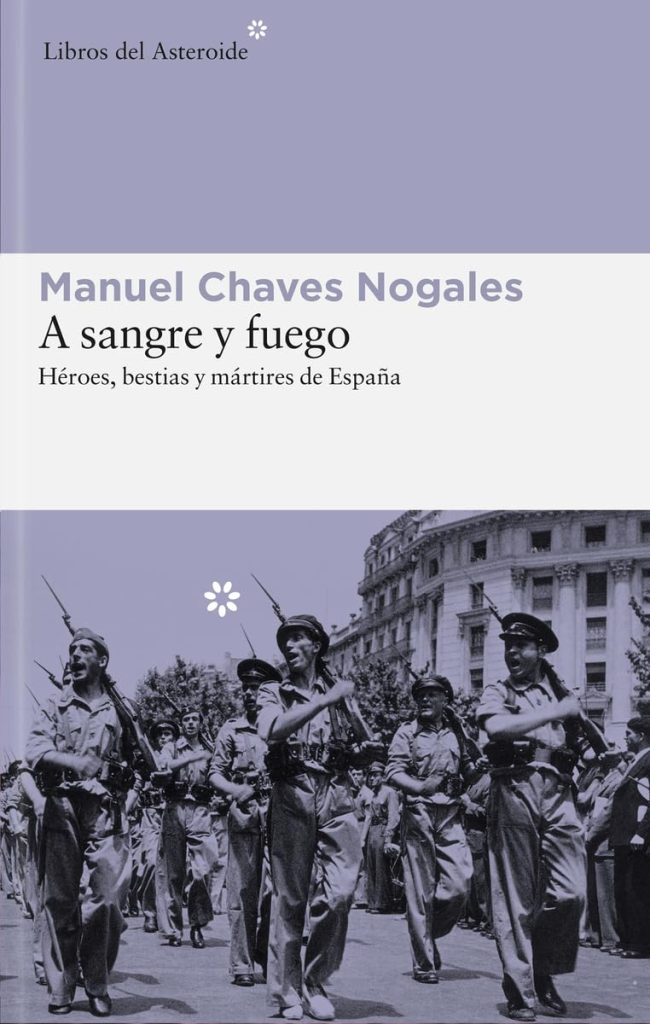
The book that shocked the Spanish-reading public. It gathers nine stories inspired by real events from the Spanish Civil War. Written between 1936 and 1937, they offer a lucid, independent, and profoundly humane view of the tragedy, denouncing the violence and fanaticism of both sides. A foundational work of Spanish literature about the conflict.
23- Manuel Chaves Nogales, War Total: Episodes of the Spanish Civil War
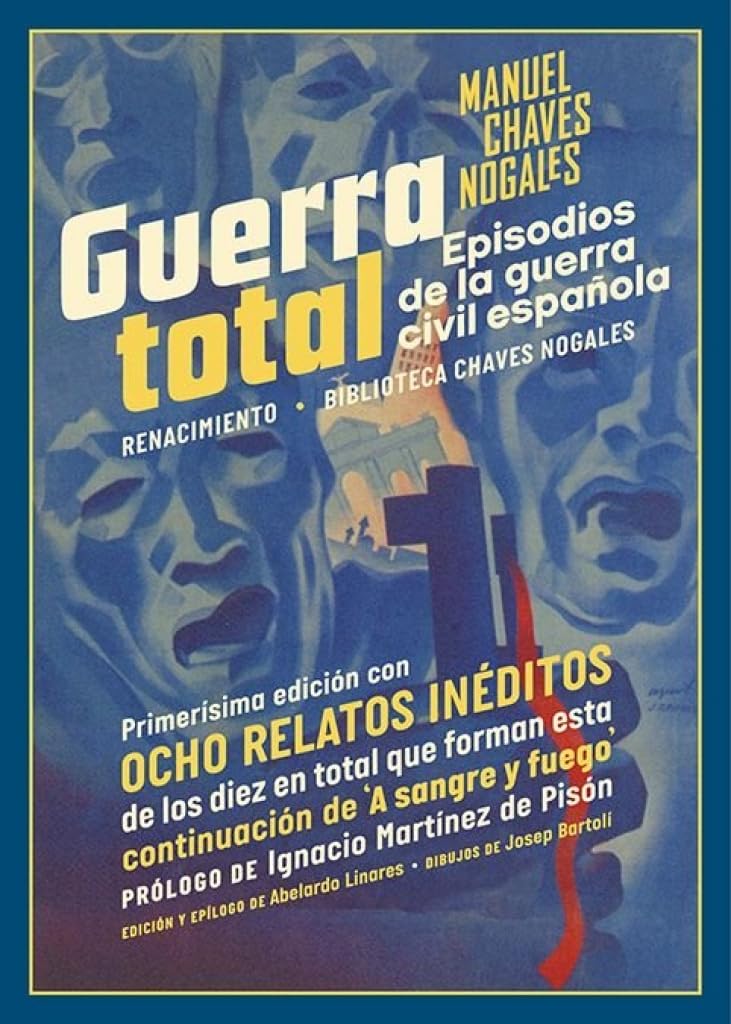
In this book, the Seville-based writer completes his celebrated A sangre y fuego, and stands out for his lucid, independent, and moving perspective on the Spanish Civil War, narrated by a writer who rejected the fanaticism of both sides and defended freedom of thought.
24- Manuel Chaves Nogales, Andalucía roja y la Blanca Paloma, y otros reportajes de la República
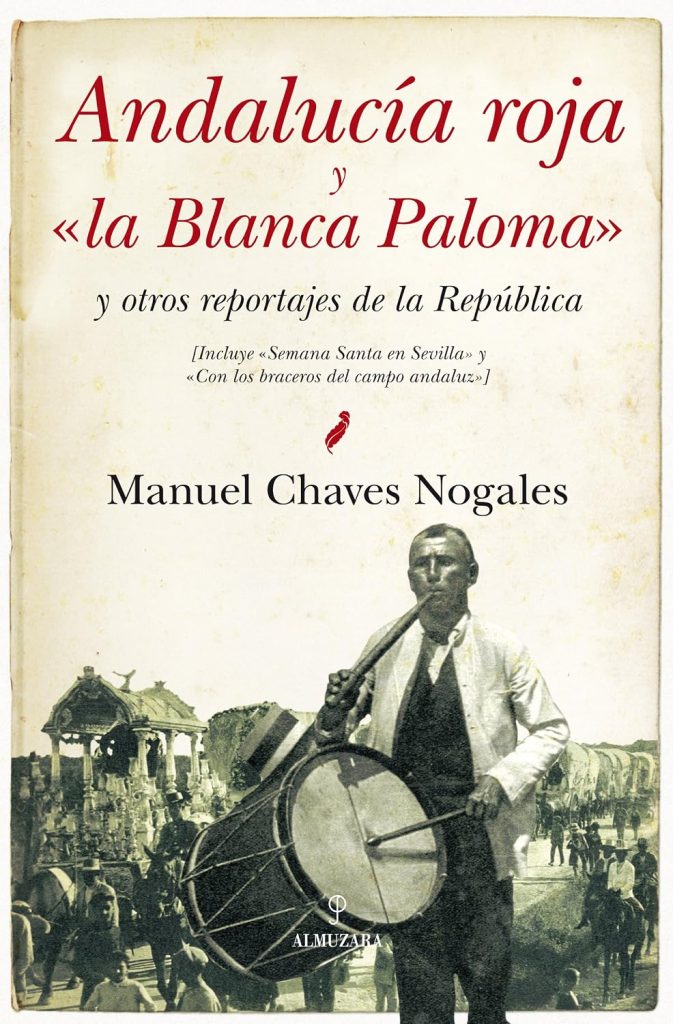
25- Manuel Chaves Nogales, The Defense of Madrid
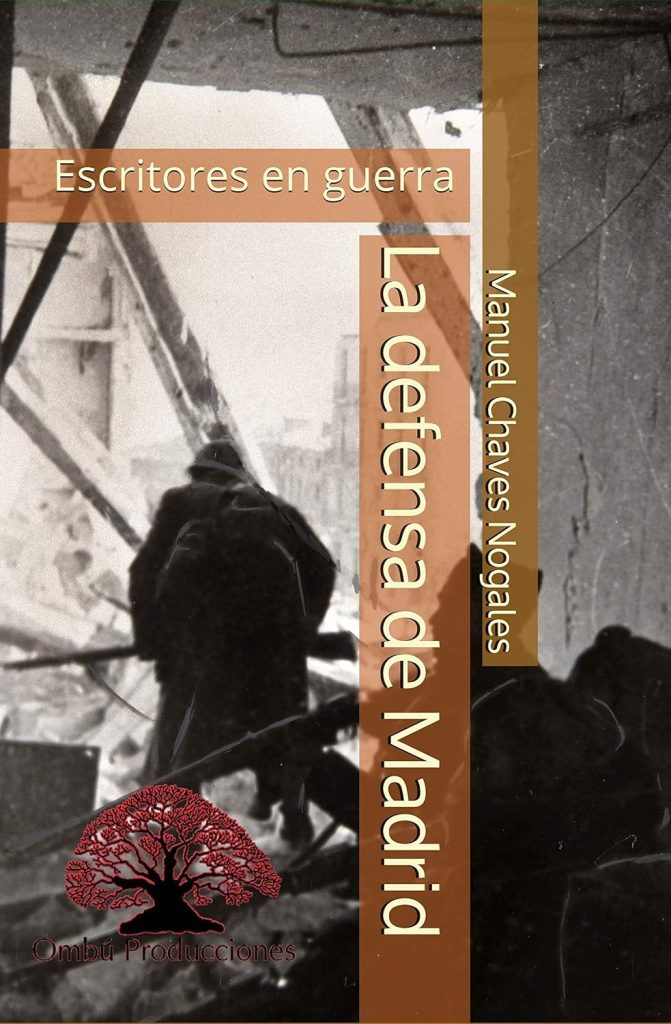
The book gathers a series of articles about the siege of the capital during the Civil War and republican resistance. With his direct, brilliant, and independent style, the journalist captures the contradictions, internal tensions, and human experiences of one of the war’s most decisive episodes.
26- Manuel Chaves Nogales, José Díaz Fernández and Josep Pla, Tres periodistas en la revolución de Asturias
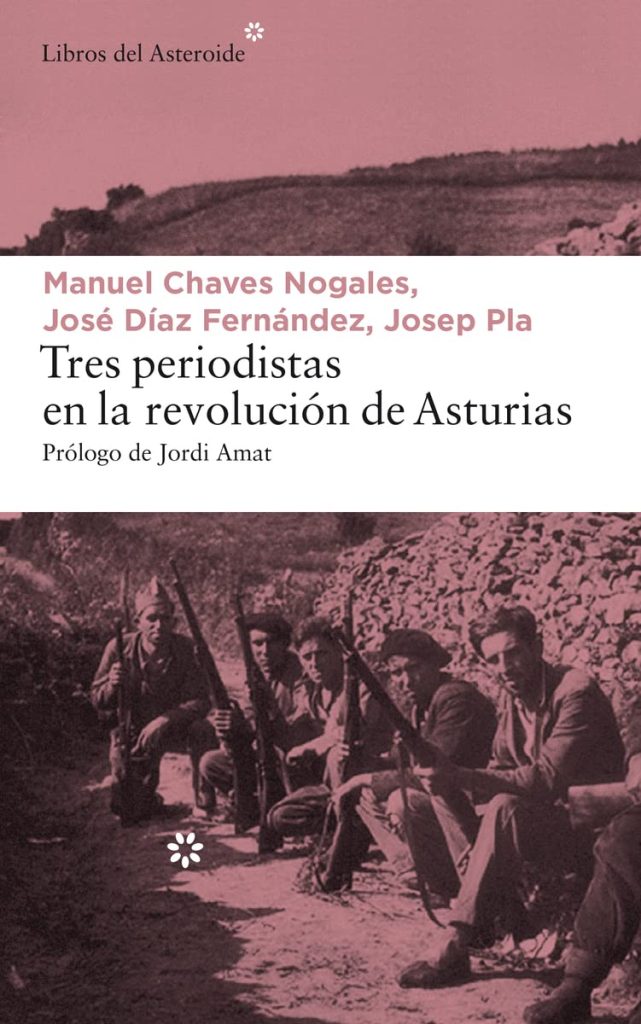
Este volumen reúne los testimonios de Manuel Chaves Nogales, Josep Pla y José Díaz Fernández sobre la Revolución de Asturias de octubre de 1934. A través de sus crónicas y relatos, los tres escritores reconstruyen la insurrección minera, la creación de la “Comuna Asturiana”, la violenta respuesta del Gobierno de la República y las devastadoras consecuencias de un episodio fundamental para comprender la crisis de la Segunda República.
**
Los asistentes presenciales a las distintas jornadas tuvieron la oportunidad de adquirir la mayoría de los anteriores títulos, así como otras obras sobre la temática de la Guerra Civil que relaciono a continuación, gracias a la buena labor de la librería “Botica de Lectores” de Sevilla, que contribuyó con su presencia a enriquecer esta cita con la historia y la literatura.
Otros títulos ofrecidos por la mencionada librería:
27- Juan Eslava Galán, A history of the Civil War that no one will like
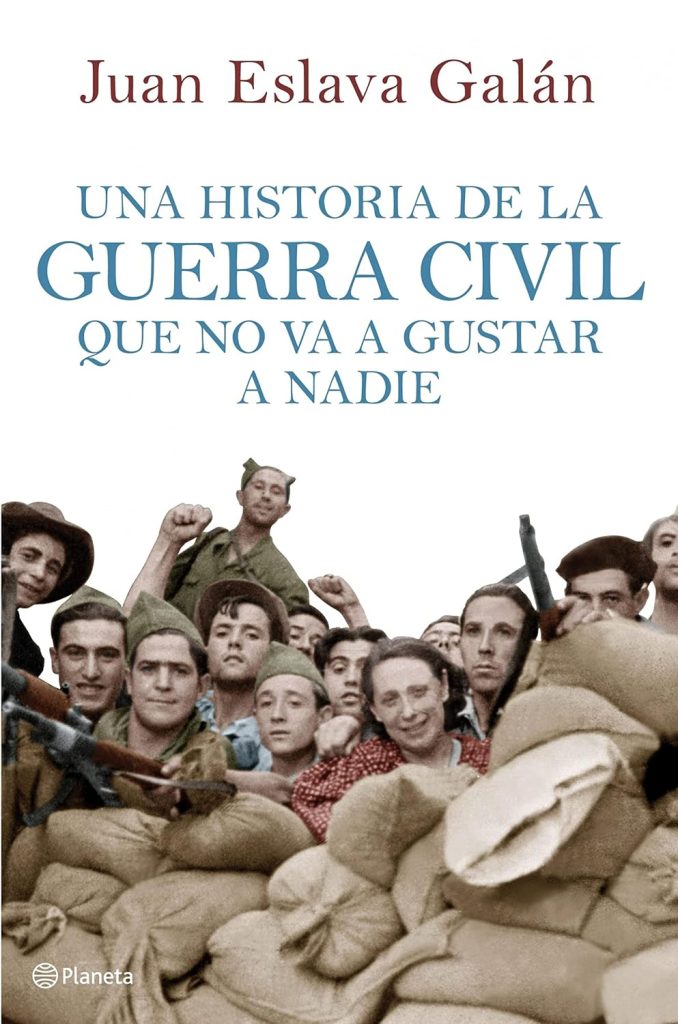
With its lively, direct, and ironical style, the author reconstructs the three years of the Spanish Civil War without falling into Manichean interpretations or overwhelming the reader with data. A historical outreach work that blends rigor, irony, and anecdotes to bring readers closer to one of the most tragic episodes in our history.
28- Paco Cerdà, Presentes
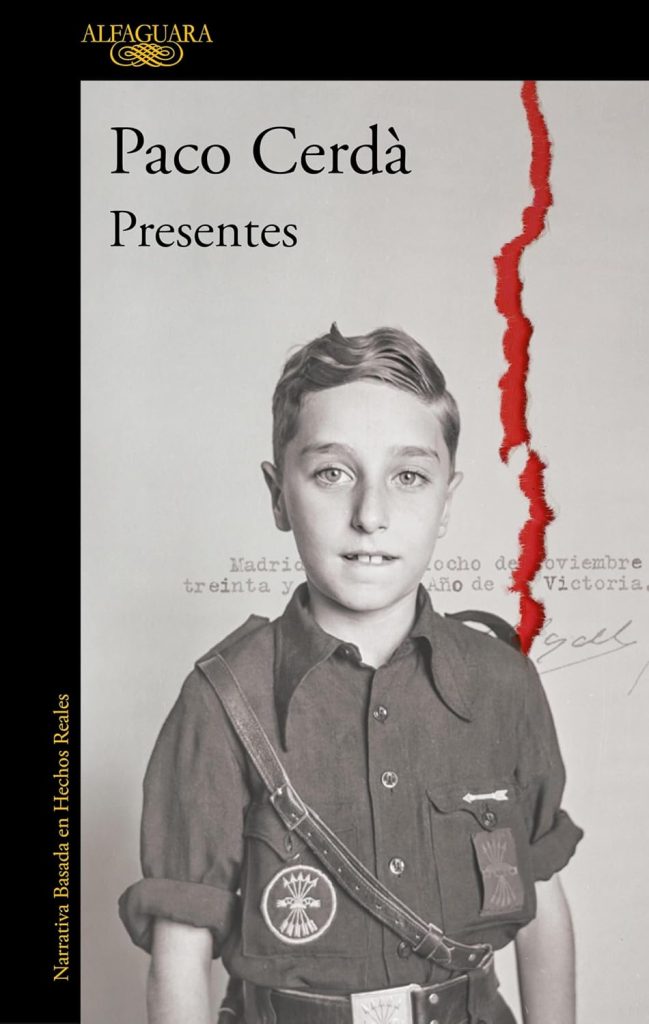
The author reconstructs the journey of José Antonio Primo de Rivera’s remains from Alicante to El Escorial in 1939. Through this propagandistic procession, the author contrasts the exaltation of the new Franco regime with the repression, suffering, and silenced lives of thousands of Spaniards in the postwar period.
29- Carlos Fonseca, Trece rosas rojas
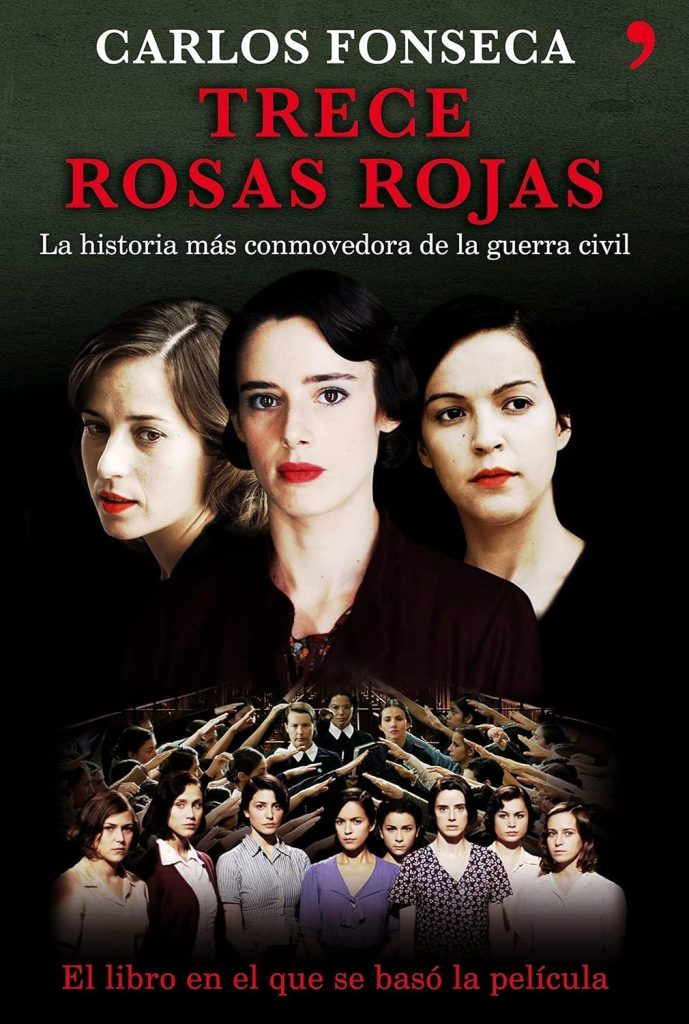
Carlos Fonseca reconstruye la historia de las Trece Rosas, jóvenes ejecutadas en Madrid en agosto de 1939 por la represión franquista. A través de cartas personales y testimonios familiares, el autor investiga sus vidas, su compromiso político y las circunstancias que condujeron a su detención, condena y ejecución.
30- Miguel Ángel Santamarina, The War That Changed Spain
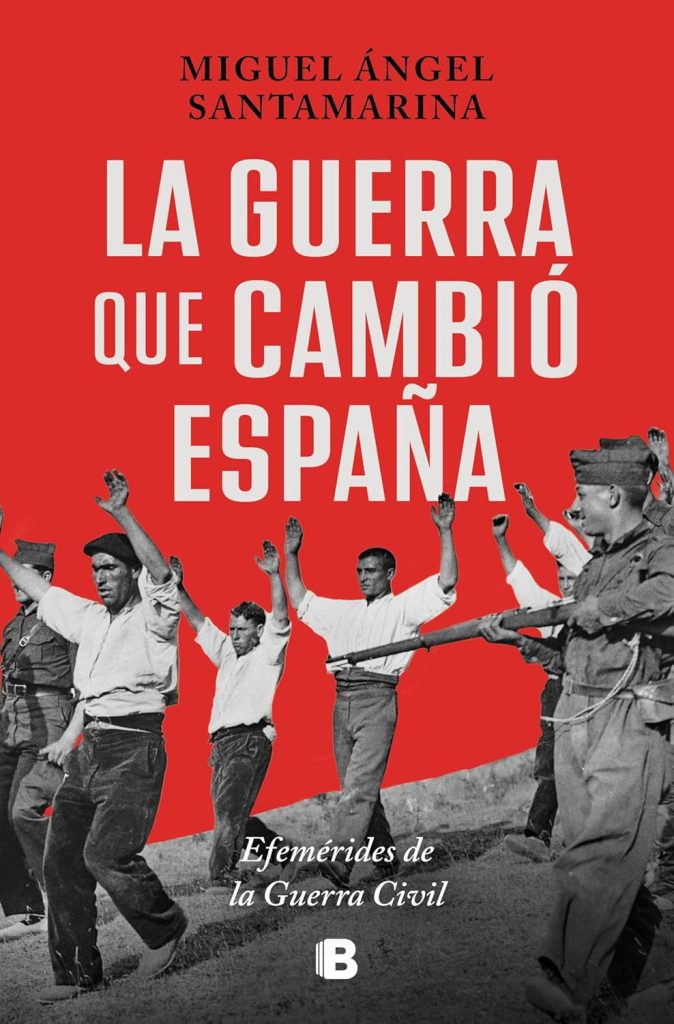
Santamarina reconstructs the Spanish Civil War through a month-by-month chronological tour of its main events. An accessible, educational work that blends the great battles and decisive episodes with lesser-known stories, offering a broad view of the conflict and its protagonists.
31- Ramón J. Sender, Counterattack.
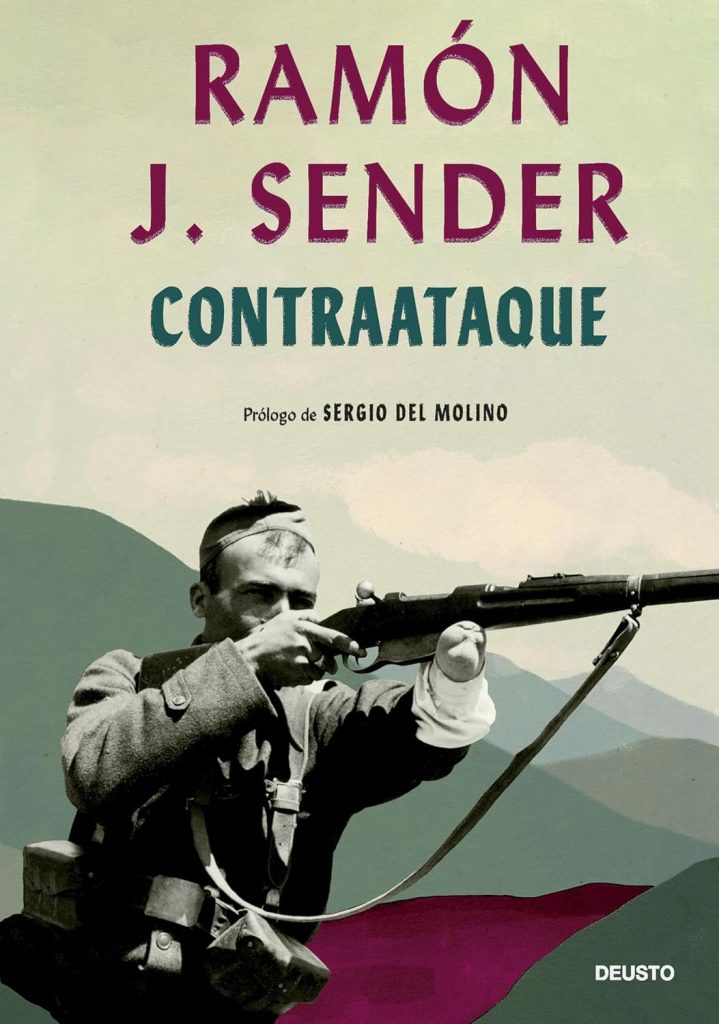
The author recounts his experience in the Popular Militias during the early months of the Civil War. A first-person chronicle that blends testimony of the front’s horrors with a clear anti-fascist propagandistic intent and helped disseminate internationally the reality of the Spanish conflict.
32- José María Zavala, The Horrors of the Civil War.
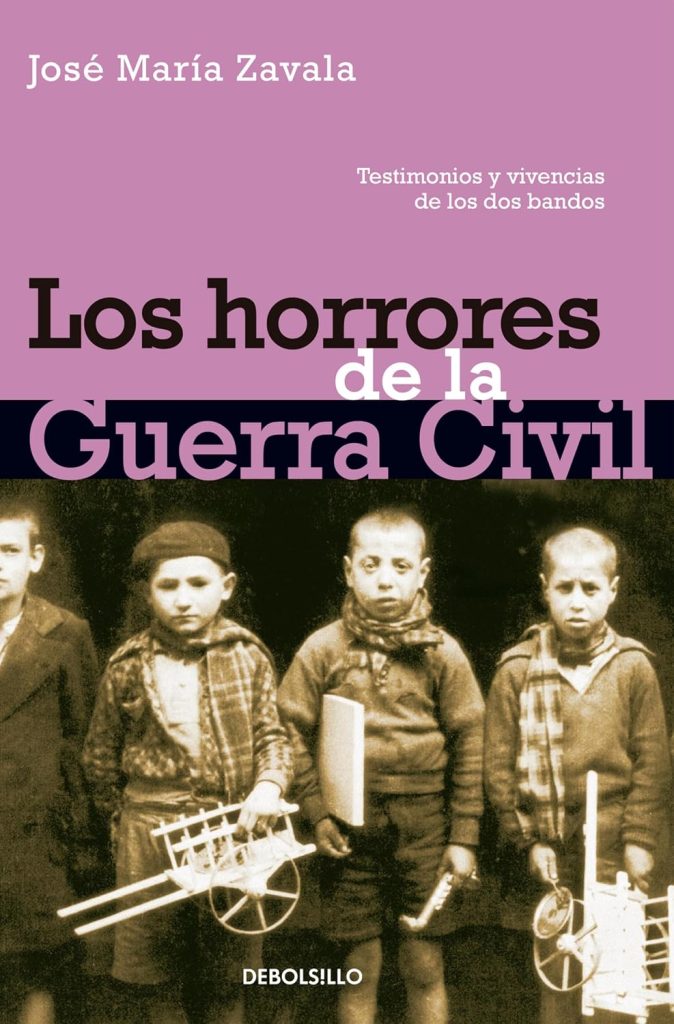
The book gathers more than two hundred testimonies about the violence and repression in the rear areas of both sides. A study focused on the victims, which, irrespective of partisan interpretations, reconstructs their personal tragedies and offers a view of one of the war’s cruelest aspects.
33- Hugh Thomas, The Spanish Civil War.
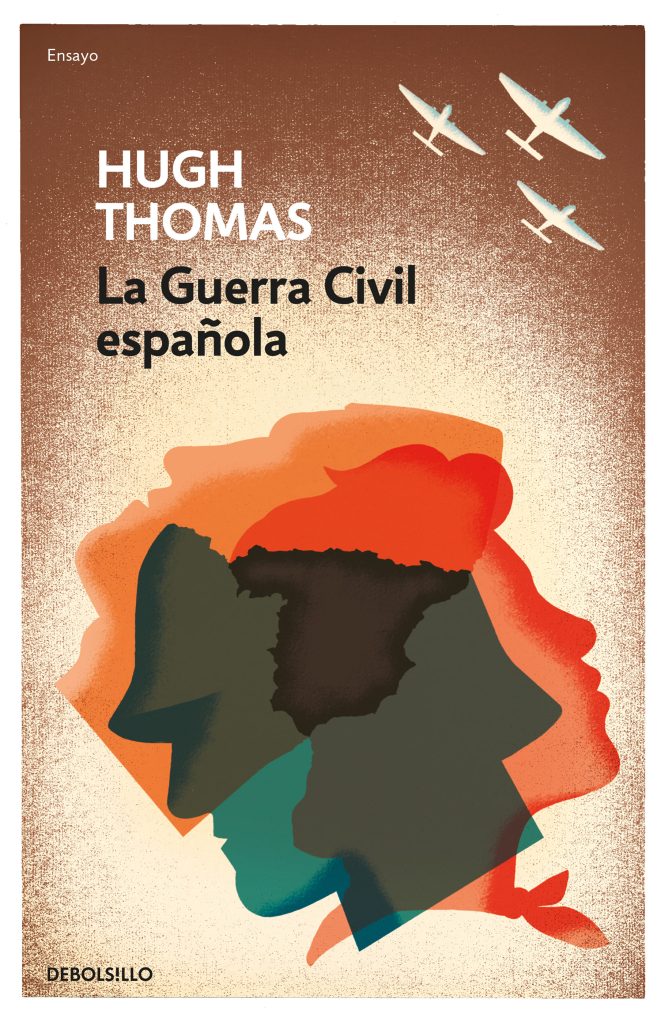
Thomas offers a thorough analysis of the conflict, its protagonists, and its consequences. A reference work that places the tragedy of Spain within the context of the European political and ideological tensions that led to the Second World War.
**
Some of the literary recommendations related to war cinema and crusade that Emilio G. Romero mentioned in the introduction of each film session:
1- Magí Crussells, The Spanish Civil War: Cinema and Propaganda
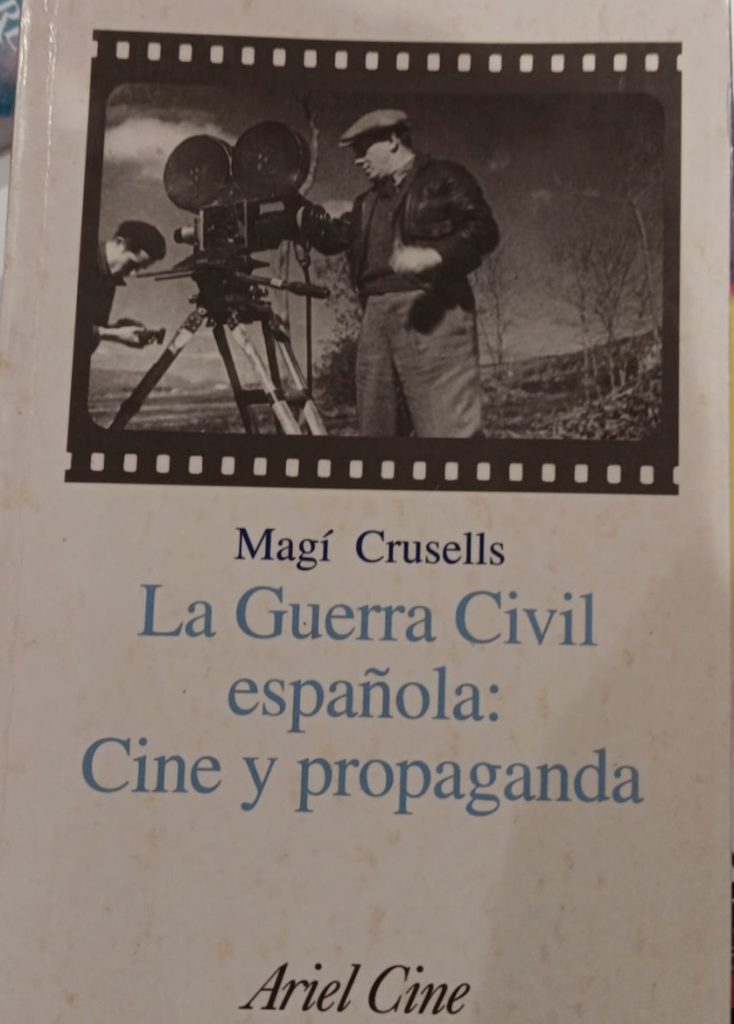
Knowledge of the past helps us understand the present and build a better future: a people without memory is a people without identity; hence, the purpose of this work is to study and reassess the Spanish Civil War through films, both documentary and fictional. Although every selection is subjective, the goal has been to choose not only the best but the most representative.
2- Víctor M. Pérez Velasco, Cine español y adoctrinamiento político en democracia
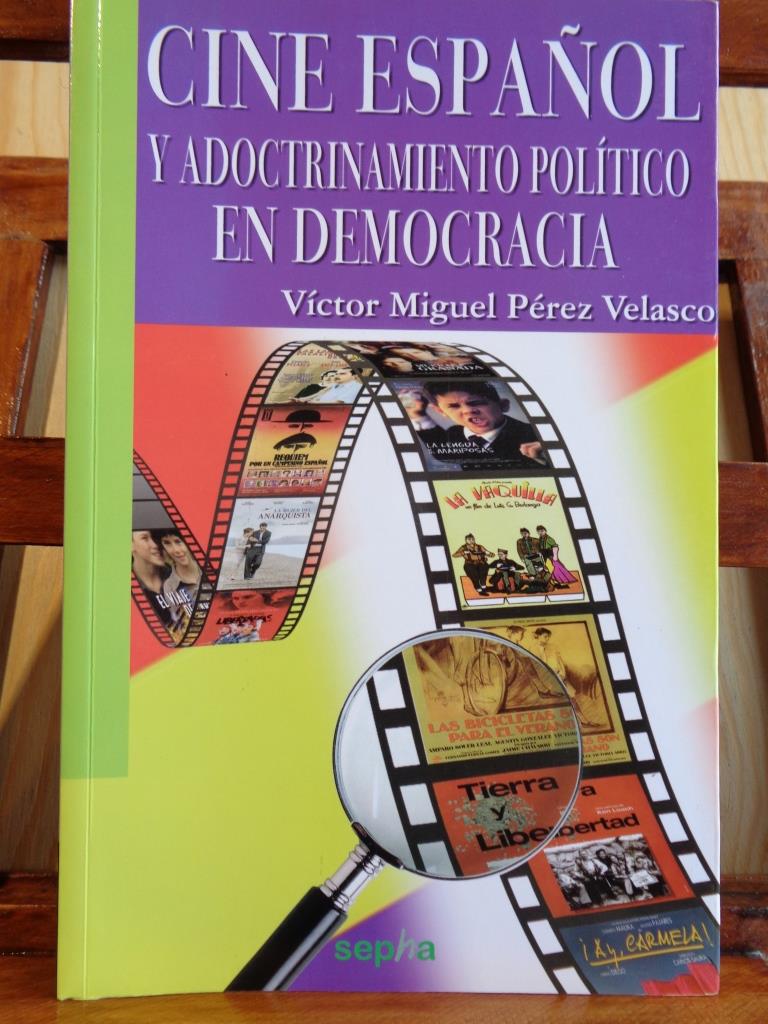
Placing the pulse of cinema from 1976 to 2008 and trying to determine whether democracy brought objectivity to recount our civil war with ideological distance is the aim of this book. Even if it may be an uncomfortable analysis, this perspective helps situate each film on a new plane: the plane of the political ideas that the film defends or denounces.
3- Paco Ignacio Taibo I, A Cinema for an Empire
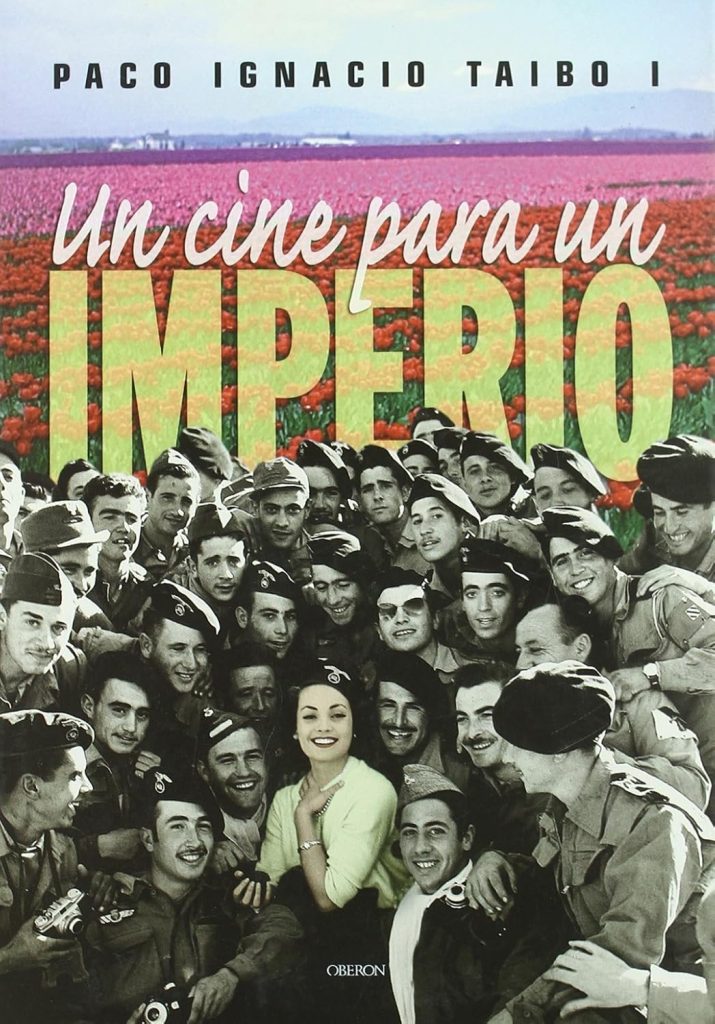
Take a tour of Franco-era cinema through the life of Cesáreo González, film producer responsible for more than 250 movies and founder of Suevia Films. A legendary and perplexing figure, he began as a baker and entered the film industry with no prior knowledge of cinema, eventually becoming one of the principal players in Spanish cinema. In these pages, half-way between nostalgia and irony, a historical and anecdotal survey traces what defined our cinema over thirty-five years, with abundant humor notes.
4- José Martínez Rubio, While There Is War
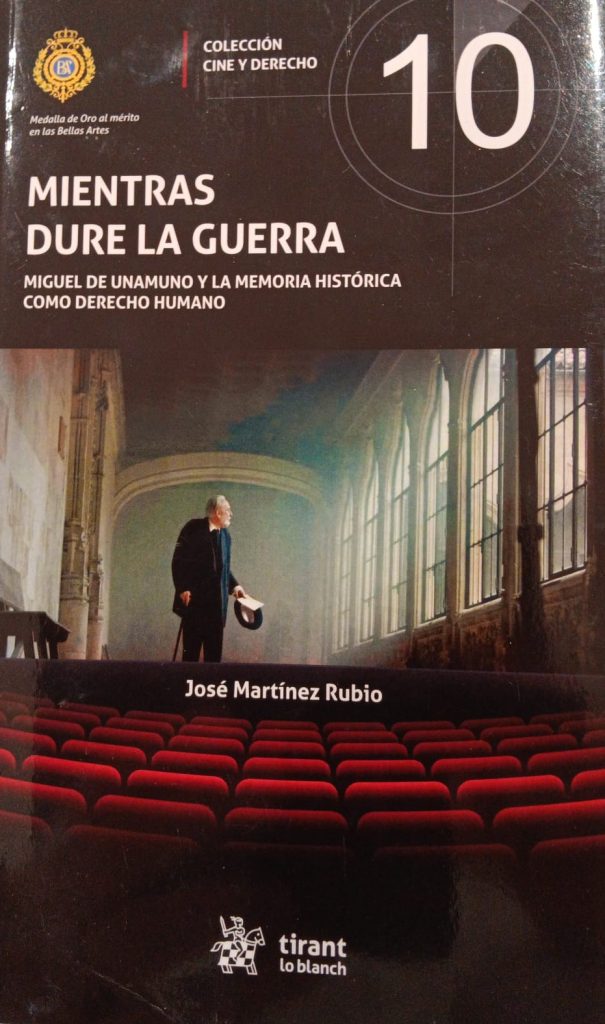
Martínez Rubio’s essay analyzes Alejandro Amenábar’s film of the same name. It recounts the early months of the Civil War in Salamanca, the power intrigues among the coup generals, and the contradictions of a figure as controversial as Miguel de Unamuno, both for his support of the coup against the Republic in July 1936 and for his public remorse in October of the same year. Its ideological wavering challenges us in a troubling way.