
To commemorate the 90th anniversary of the Civil War, José Ángel Mañas recreates in Zenda, day by day in this section, what happened in 1936, perhaps the most pivotal year in all of Spain’s recent history.
Sunday, September 13, 1936: José Antonio in Alicante
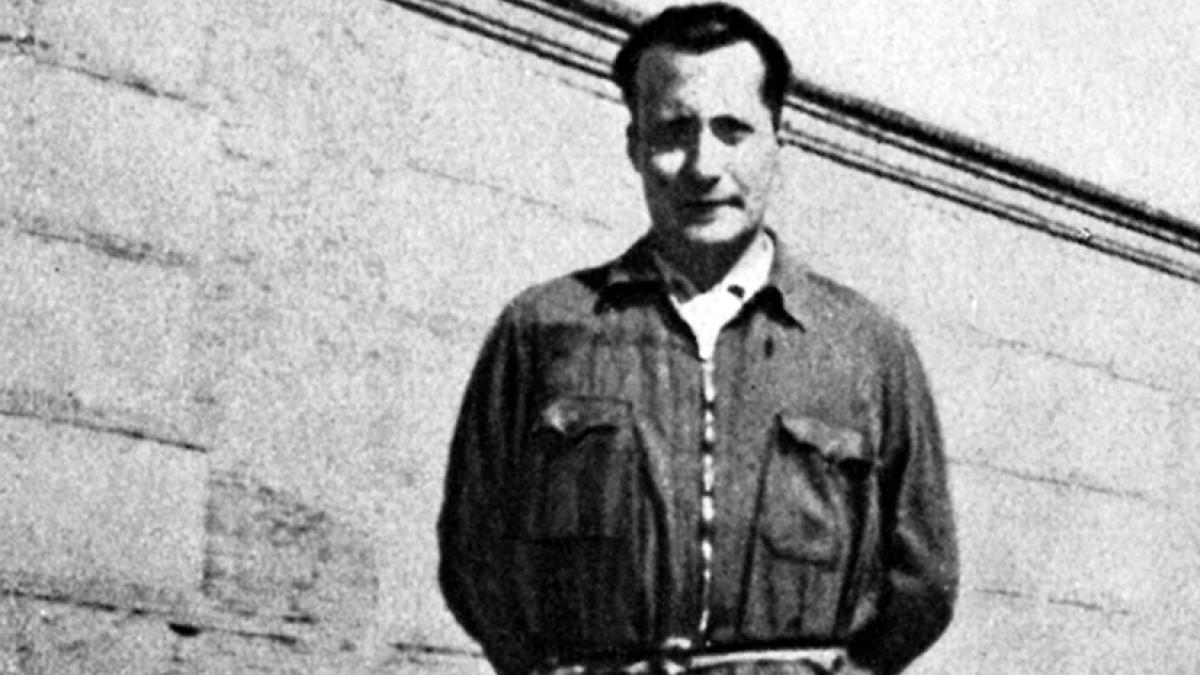
The last time he could visit them, in the autumn of ’36, Jay Allen described them—José Antonio Primo de Rivera and his brother Miguel,—in the interview published in The Chicago Tribune as two young men, dark-skinned, good-looking, dressed with somewhat dirty white trousers, an open-collar shirt, worn espadrilles. That image contrasts with the Falangist proudly dressed in a bright blue coverall, head held high, hands behind his back, and a defiant gaze, just as José Antonio had been portrayed in the Modelo Prison. Several months had passed between the two depictions, and in the intervals the situation of the Primo de Riveras had changed markedly.
Incommunicado since August, with no correspondence or press, José Antonio and Miguel discussed the scant news that reached them through the guards or other prisoners during the morning exercise hour they took in the yard. There they gathered, under the blazing sun, restless, incessantly probing about the progress of the war.
—The thing cannot be going badly, José Antonio. If they keep us incommunicado it’s because the uprising has not run its course. If not, we would have learned about it.
—What did you hear last night from the prisoners who have just arrived?
—They say the Falangists know we’re here, José Antonio. That Manuel Hedilla, in Valladolid, has taken the interim helm of Falange. They’re cooking up plans to free us. We must be prepared.
—We are, we can’t do more than we’re doing, Miguel.
For example: keeping in shape with their daily hour of exercise, running, kicking a ball in the prison yard, doing gymnastics in their cells, at night and in the early hours of the morning.
—They also say that San Sebastián and Talavera de la Reina have fallen. Mola is bogged down in the sierra, but Franco‘s troops are at the gates of Madrid and he is weighing whether to relieve the Alcázar or to topple the capital.
—Madrid has to fall. That way the rest will fall too.
—If that’s the case, they could be here soon and release us.
—The problem, as they close in, is that we risk being shot —murmured José Antonio, troubled. And he fell silent, for he did not want the guard, one of the most veteran and inflexible, who was approaching, to hear them.
—Do you know who is at the head of the Legion, in Extremadura? —continued Miguel, as the jailer moved away—. Juanito Yagüe.
José Antonio nodded, pleased. Yagüe was a seasoned veteran, the first of the soldiers to wear the Falange badge. One of his main liaisons with the Army. To José Antonio, unlike Franco, Yagüe had appealed to him from the start. The same as Mola, whom he considered, within Spain, the closest thing to a German general.
—That man has always given me a good feeling, Miguel —he said.
Todas las entradas de 1936 día a día
Entrevista con José Ángel Mañas sobre 1936 día a día