
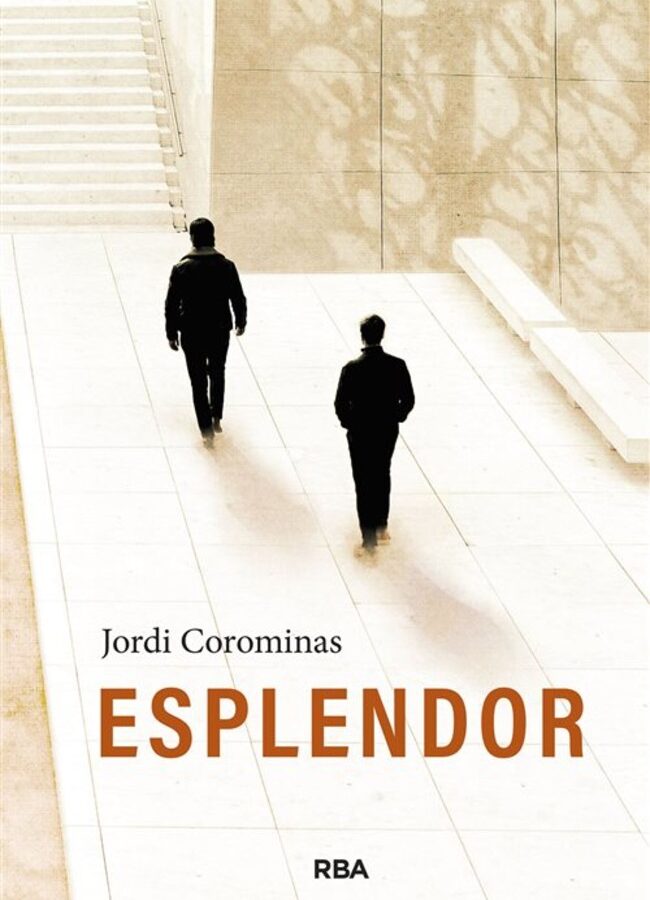
Barcelona, late 20th century: two men from different generations sketch a common geography—the one of a city lived, wandered, and told so that it would not fall into oblivion. Much time later, revisiting those days is reconstructing the intimate map of a Barcelona that has disappeared, its cafés, its streets, its routines, and its ghosts.
In this making of Jordi Corominas tells how he wrote Esplendor (RBA) and walks through some of its settings.
***
It was a Friday afternoon. I was having a coffee at the Plaça de la Vila de Gràcia with Marina Sanmartín, for soon I would present one of her books at the now-extinct Pequod bookstore. At some moment during the chat I called my friend José Luis. His phone’s answering machine came on and I thought I hung up, when in fact I hadn’t, so the conversation with my friend, telling how José Luis was a rara avis who deserved a book was recorded.
Unos días más tarde quedé con él en la misma plaza, confesándome habernos escuchado nuestra cháchara por mi despiste. La de aquellas horas nocturnas terminó con
mi promesa de escribir sobre su vida
, la de un barcelonés anónimo con el don de ser cualquier cosa menos normal.
Pasaron los años y no daba el paso de cumplir lo acordado porque no se atisbaba el fin de nada, sintiéndome muy afortunado por tener un compinche tan superlativo, incomparable porque había nacido en 1943 y atesoraba una energía salvaje desde cualquier punto de vista, así como una asombrosa capacidad de narrar historias suyas y ajenas, reales e inventadas, hasta ser considerado por muchos el mejor escritor ágrafo del Reino de España.
Una madrugada cualquiera reincidimos en el rito de regresar a la plaça de la Vila de Gràcia, escenario de tantas efemérides y correrías. Nos sentamos en un banco y apareció una espontánea, a la que José Luis procedió a narrarle los pormenores de una de sus aventuras que, para mi gran sorpresa, jamás había escuchado. De este modo le renové los votos para escribir su biografía, esmerándome durante algunos meses en recabar más informaciones sobre su pasado.
José Luis murió solo en su casa al inicio de la pandemia. El 10 de abril de 2020 me encargué de los trámites para certificar su defunción. Acudí al portal de su casa y los bomberos me notificaron su muerte. Volví a casa en shock y los aplausos de los sanitarios parecían un homenaje inconsciente, un absurdo más de ese instante irrepetible que marcaba el final de una era.
Tras su deceso, ponerme manos a la obra fue cualquier cosa menos fácil, pero el 14 de julio de ese mismo año caminé por el torrent de Lligalbé cuando caía el sol, llegué a casa y empecé a escribir un capítulo que no podía ser el principio del libro, sólo la forma de arrancar un proceso que tuvo varias fases para dar con la forma y pulir un texto muy especial. Aún hoy en día no sabría definir qué es Esplendor, si una novela, una no ficción o un híbrido libre como el personaje al que retrata. Si sé, y es algo muy importante, que al reflejar sus vivencias he fundido la singladura de un hombre con la de toda una ciudad, la mía, Barcelona, durante más de siete décadas.
The Barcelona of Esplendor no exists anymore. If José Luis were to come back today, as in the dream that opens the book’s second part, he would not understand anything and would feel out of place. Throughout my career as a writer I have understood that I possess a strong obsession with space and time. Here I have been able to fuse them from a territory that is intimate and close, both personal and collective.
I suppose Esplendor sits within, or rather I am very aware of it, the long saga of Barcelona novels. In some chapters I compare José Luis with Pijoaparte from Juan Marsé, for my friend frequented his places and ran a fate similar to Marsé’s without ever aiming for the top. Yet the Baix Guinardó and Gràcia that my comrade of so many strolls and soirées walked through were real, of a brutally stark poetry, and I believe, unseen until now in this literary universe. This is so, among other reasons, because Marsé did not touch Baix Guinardó so much and did not delve into Gràcia deeply except in the area near his home on Carrer Martí, the zero kilometer of all his geographies.
José Luis’s life spans many decades, and while it has anchors in a peripheral area barely represented in literature, it winds through many Barcelonas that are not only streets, but tiny beings bearing the epic of daily life and the fame of all kinds with metaphorical value that range from the poet Gil de Biedma to the footballer Canito, from the clown Charlie Rivel to contemporary writers who saw him as a strange creature, almost as if they were afraid of such pure reality, a paradox in this century of abundant autofiction.
When I began this making of I planned to bare the places of the book. Some of them, with a long neighborhood prestige, have been razed, like the torrent of Lligalbé. Others, like Plaça Rovira in Gràcia, retain the secrets and ghosts of so many dialogues beside the statue of the architect who was to weave the Eixample. The chinobar, an illusionary emblem of hope before the drainage, has succumbed to the prostitution of Gràcia’s neighborhood, slain by Barcelona’s drift. Their decor remains the same and the actors pretend to be progressive, when they are only caricatures of the heroes of yesteryear.
The area, like all of Barcelona, has exterminated diversity. José Luis, for many, was an eccentric character. Almost no one thought about his sadness or all his lights and shadows. Leaving just as his city was fading away is a beautiful catastrophe. Esplendor goes beyond the book itself and perhaps transcends the promise if it reaches readers who inside themselves integrate the memory of that not-so-distant universe despite the ruthless speed of our era.
—————————————
Author: Jordi Corominas. Title: Esplendor. Publisher: RBA. Sales: All Your Books.
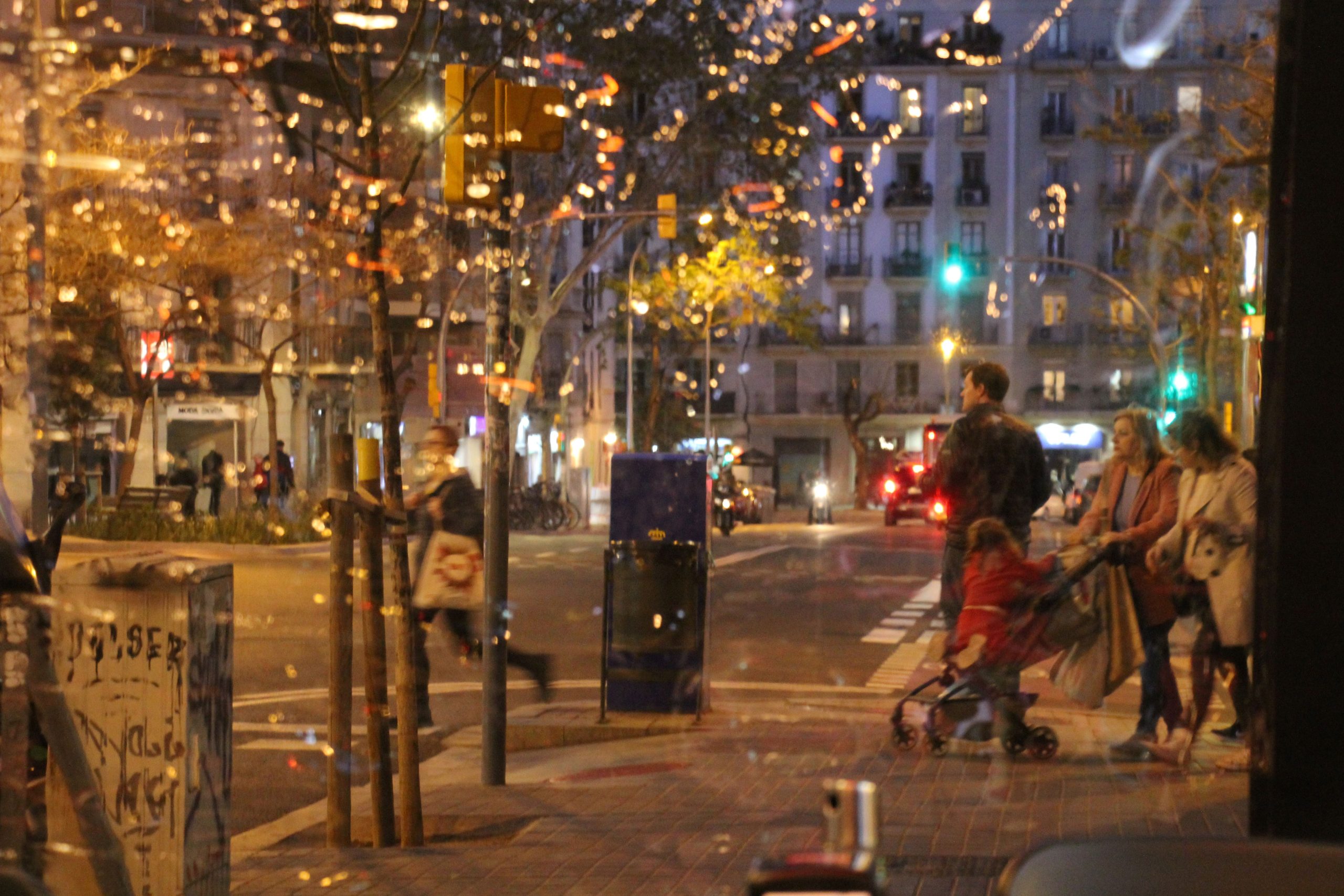
Plaça Joanic con Escorial, Puerta de Gràcia.