
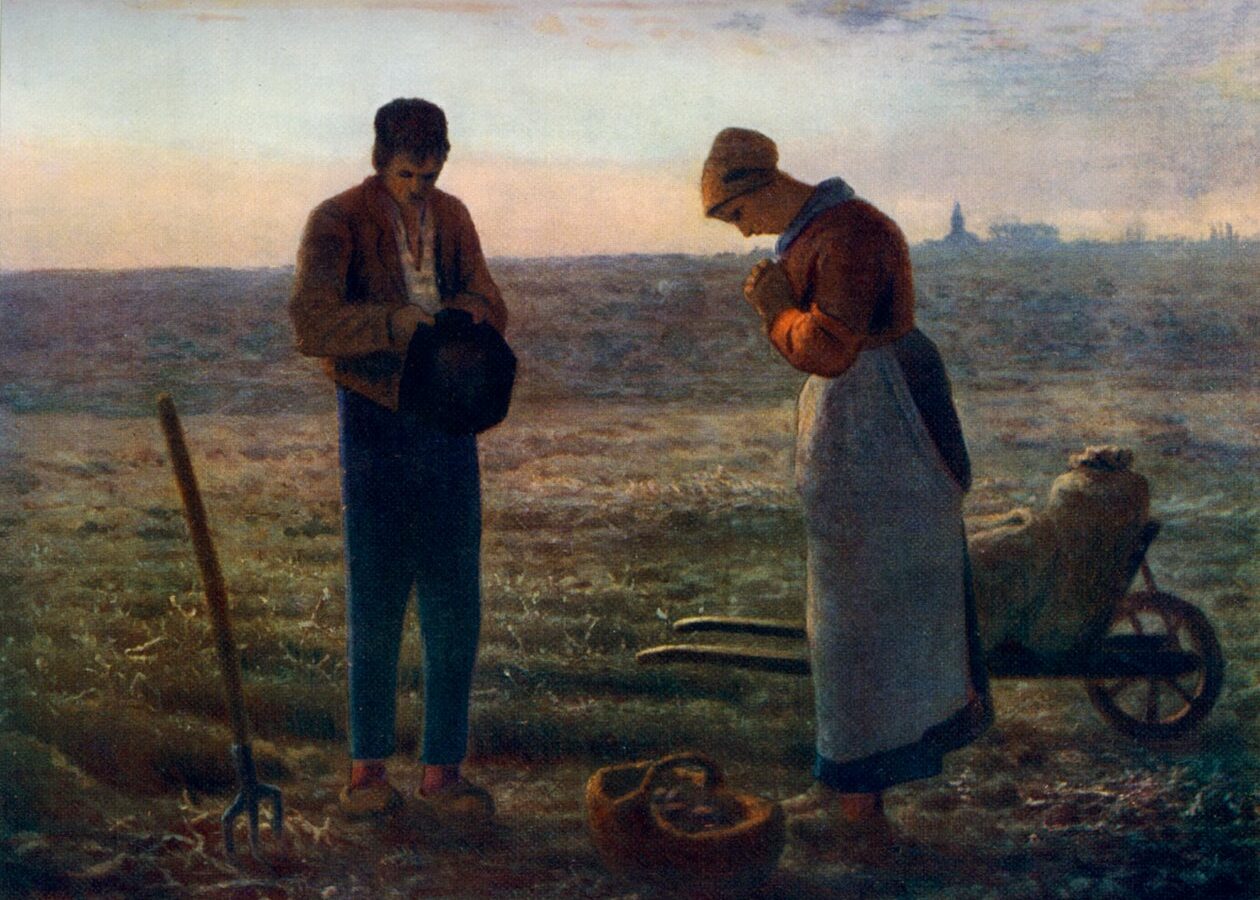
Cover image: The Angelus, by Jean F. Millet.
Various representatives of the food supply chain have shared with EFEAgro their summer reading recommendations about experiences in the rural and marine worlds, whether drawn from reality or fiction.
Below are the titles gathered for this series:
–Love in Times of Obedience, by Gemma Armada
It is the book by a Zamora-born author that recounts life in a typical town of Castile and León through the eyes of a young woman of our times and explores the possibility of returning to rural living, explains Ángeles Santos, member of the Executive Board of the farming organization COAG.
–Myths (and Realities) of Agricultural and Food Cooperativism, by various authors
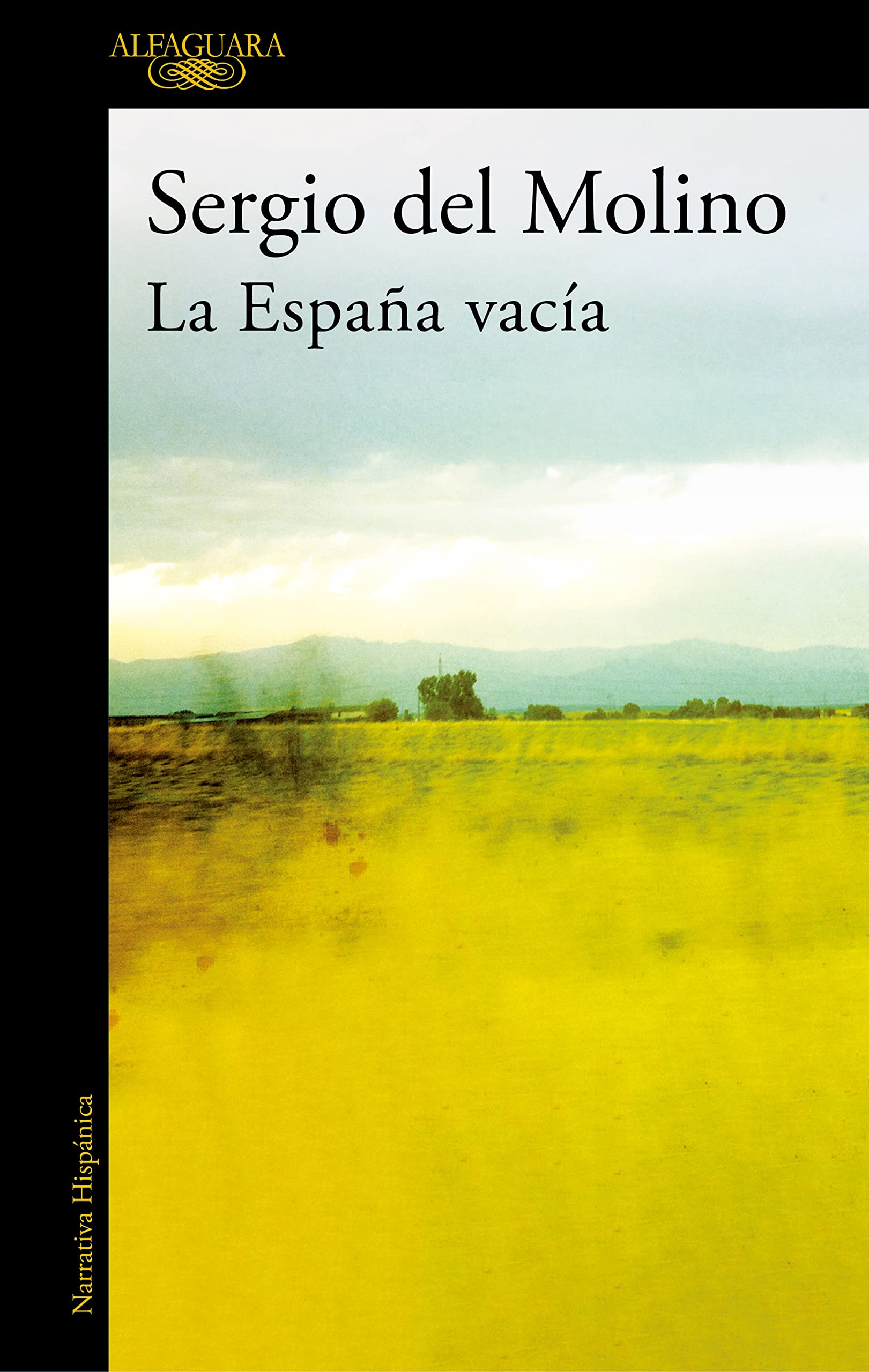
–Empty Spain: A Journey Through a Country That Never Was, by Sergio del Molino
The general director of FIAB, the federation of the food industry, Mauricio García de Quevedo, suggests this essay, which analyzes the depopulation of large rural areas across the country and invites reflection on the causes of abandoning those territories and the impact that has had on contemporary society.
–From My Head: Memoirs of a Hunter, by Mariano Aguayo
It presents a “magnificent” portrait of the rural world drawn from the direct experience of someone who has lived and observed the countryside throughout a lifetime, argues the general director of the meat industry employers’ association Anice, Giuseppe Aloisio, who highlights how the author, through his experiences tied to hunting activities, approaches landscapes, traditions, wildlife, and the people of rural Spain.
–The Countryside’s Vengeance, by Manuel Pimentel
For the president of Fenil, Javier Roza, this compilation of newspaper columns invites reflection on “the contempt with which society has treated agricultural work and how that is driving the gradual abandonment of primary food production; in the long run, the land is getting its revenge through less food availability and higher prices.”
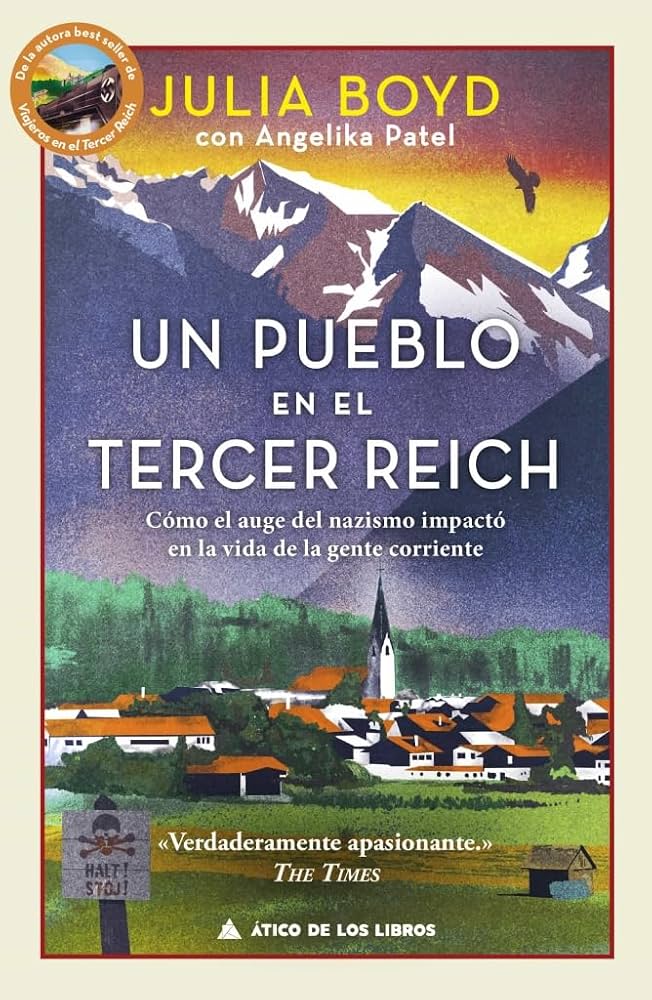
–A Village in the Third Reich, by Julia Boyd
In this “entertaining” historical novel, the author describes how the birth, rise, and fall of the Third Reich in Germany’s Alpine region affects life in a small Bavarian village, in a way that “transports you to a wonderful rural setting that, despite everything, bears the brunt of politics and war in one of its darkest historical chapters,” according to José Luis Benítez, general director of the Spanish Wine Federation (FEV).
–Practical Manual of Fish Farming, or a Guide for Fishermen in Spain, by Mariano de la Paz Graells
The manager of the aquaculture industry association Apromar, Javier Ojeda, recommends this 1864 book for its “astonishing relevance.”
–The Old Man and the Sea, by Ernest Hemingway
The president of the National Federation of Fishermen’s Guilds, Basilio Otero, believes that “reading about the sea helps one understand its value. Hemingway pays tribute to effort, perseverance, and the deep respect for the sea in this classic work that reflects the values still defining fishing communities.”
–Hoaxes, Errors, and Biases in Economic and Business Information, by Álvaro Zafra
The general director of ASedas, the supermarket employers’ association, Ignacio García Magarzo, highlights this analysis of the causes of misinformation in the agri-food sector, a “self-defense manual” to avoid manipulation and regain a critical spirit.
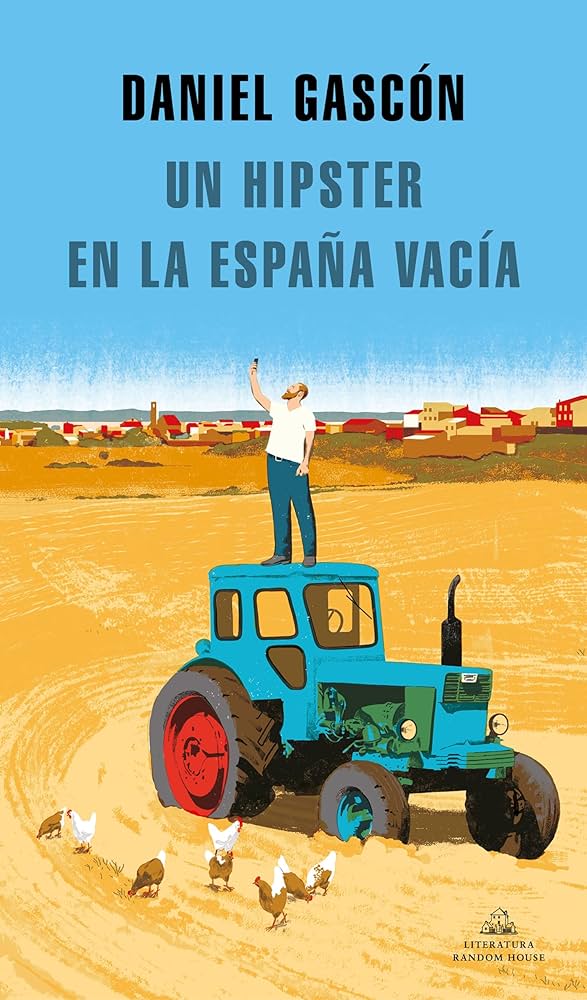
–A Hipster in Empty Spain, by Daniel Gascón
The spokesperson for Anged Distribution, David Gracia, notes how, through humor, Gascón —who lived in Ejulve (Teruel) and knows well areas like the Maestrazgo foothills— shows the dissonances between the rural and urban worlds.
–A New Economy for the Village of the 21st Century, by Jaime Izquierdo Vallina
The president of the Spanish Network for Rural Development (REDR), Rafael Llamas, asserts that this work invites a reflection on the role of these spaces today and the need to understand villages as territories capable of generating knowledge and opportunities.
–Land of Women, by María Sánchez
The president of the Spanish Rural Tourism Association (Asetur), Pedro Carreño, states that this book offers an “authentic and close” look at the rural world from the perspective of a field veterinarian, while championing the role of the women who sustain the villages, the importance of rootedness, and the need to value the territory not only for its output but for the people who keep it alive.
–Ànima, by Fina Puigdevall, of Les Cols restaurant (Olot, Girona)
For chefs Eduard Xatruch, Oriol Castro, and Mateu Casañas (Disfrutar Restaurant), this work is “sensory and reflective” and is not merely a cookbook; it seeks to convey the restaurant’s “soul” and the philosophy of its chef, exploring the link between cooking, landscape, and territory, from the idea of “untraveled food” (local, seasonal produce) to cooking as an emotional and spiritual experience.
–New Village Cuisine, by Jordi Luque
Chef Ferran Adrià affirms that this book exemplary combines rural life and haute cuisine: “Jordi Luque reveals the incredible value of rural Spain (its products and producers) through the talented cooking of chefs who bet on cuisine away from the big capitals and away from clichés.”