
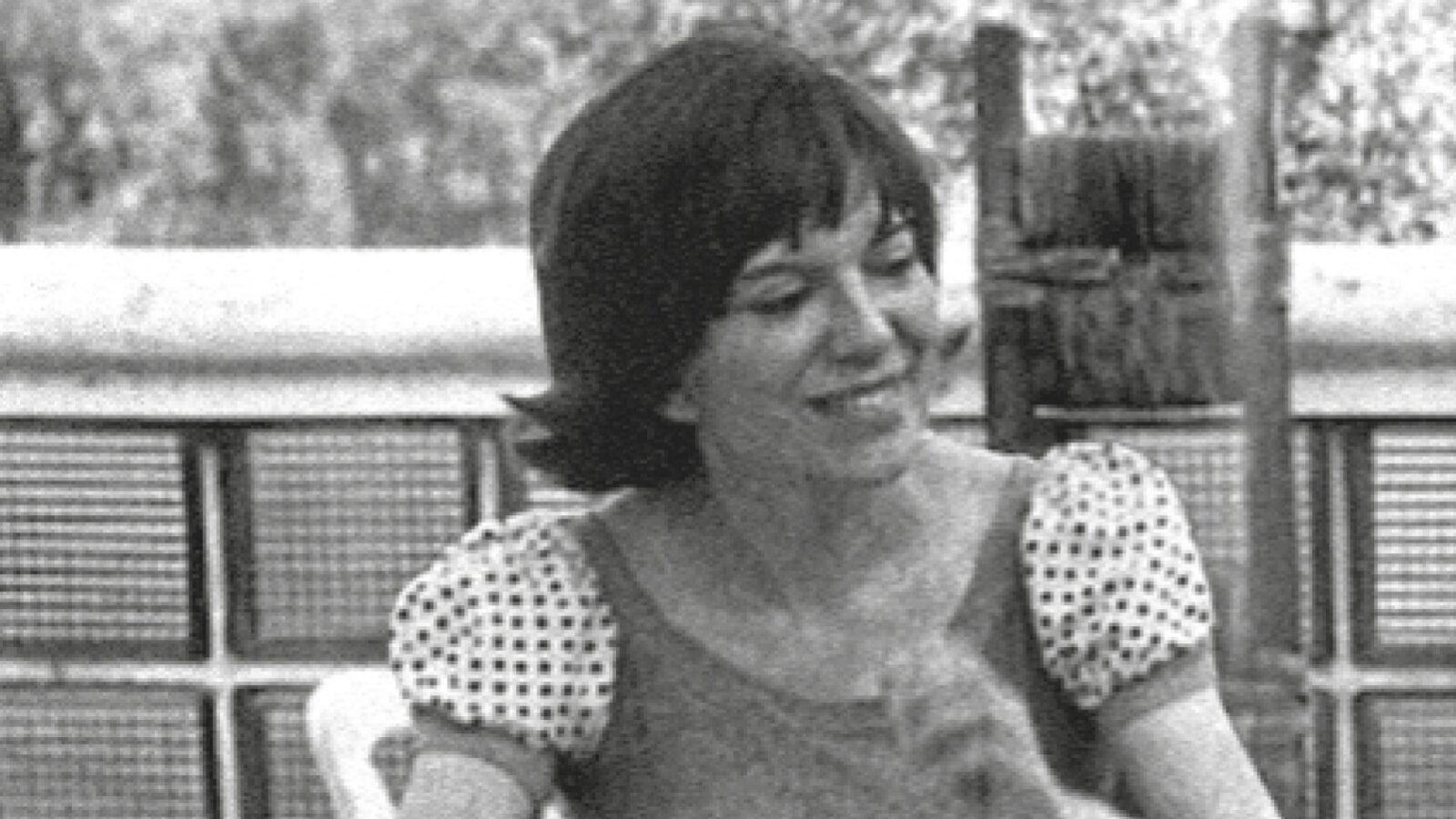
In a house in Santiago, Chile, in the mid-1970s, a group of young writers gathered weekly in a literary workshop, unaware that within that space plots were being hatched, explosives were being made, and crimes were being carried out in service of the DINA, Pinochet’s secret police.
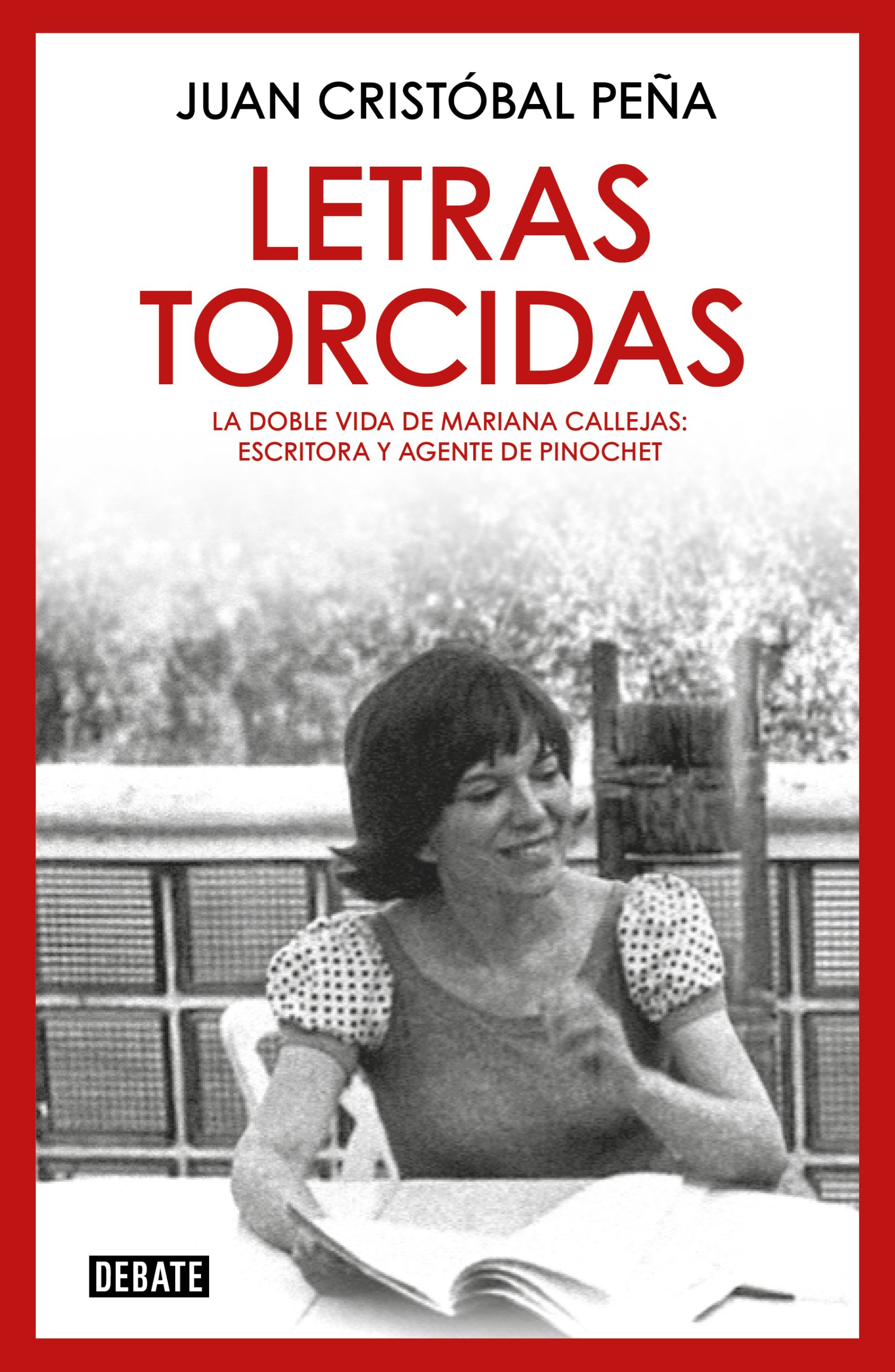
The workshop’s hostess was Mariana Callejas, a writer, mother of five, and an agent of the DINA (Dirección Nacional de Inteligencia), to whom Chilean journalist Juan Cristóbal Peña dedicates the book Twisted Letters (Debate), recently published in Spain.
Drawing on testimonies, judicial documents, and interviews, the book explores the psychological complexity of a woman who embodied a troubling paradox, merging literary sensitivity with violence, culture with horror, according to the author, renowned for his work on Pinochet, the singer-songwriter Víctor Jara, or the head of the DINA, Manuel Contreras.
Callejas was married to the American Michael Townley, also an agent of Pinochet, involved in some of the most high-profile cases of the Condor Plan, such as the assassination of Chile’s former foreign minister Orlando Letelier, carried out in 1976 in Washington, or the murder of General Carlos Prats and his wife, in 1974 in Buenos Aires. Cornered by justice since the late 1990s, Callejas was sentenced in 2008 for her role in the Prats bombing; according to Contreras’ testimony, she was the one who activated the bomb’s remote control. The final sentence, handed down by the Supreme Court on July 8, 2010, reduced the initial term from 20 to 5 years and she never ended up in prison. She died six years later in a nursing home, afflicted by Parkinson’s, discredit, and oblivion.
In the book, the author juxtaposes a Mariana Callejas who was “ahead of her time,” “sexually and intellectually liberated,” and with grand ambitions in the literary world, with another who carried out some of the dictatorship’s most lethal operations. Her workshop counted figures such as Enrique Lafourcade —her mentor—, Carlos Franz, Gonzalo Contreras, Carlos Iturra and, according to testimonies, even Nicanor Parra on occasion; in the same house where, in July 1976, the Spanish diplomat Carmelo Soria was tortured to death.
In her memoirs, Callejas asserts that at the DINA she acted merely as a front for her husband, sometimes posing as his secretary. When Peña, who interviewed her in 2010, asks about that period, she maintains that her house was like any other and that there was nothing resembling a military barracks, except for the food. The problem was not the crimes committed in a cottage in the garden; the problem, according to Callejas, was that a bunch of cooks began arriving for “all those people” and the food was dreadful. “Those were the silly things that undermined our relationship,” she says.
As a writer, Callejas never achieved the recognition she sought, although in the 1980s she published a few short stories, such as “The Long Night”, where she describes torture sessions and bomb-making and won, under anonymity and with great controversy, a short-story contest in the leftist magazine La Bicicleta.
That same year, Roberto Bolaño traveled to Chile. On the way to a dinner organized by Planeta in his honor, it was Lemebel who first told him about Callejas and the dark side of that New Chilean Narrative. Bolaño stepped in to greet but chose not to stay for dinner. A few months later he published in the magazine Ajoblanco his article “The Apparent Dead-End Corridor”, where he recounted his bitter reunion with Chile and attacked the post-dictatorship literary circle. Later came his novel Nocturnal Chile (2000), about an Opus Dei priest who gives Marxism courses to members of the military junta and who attends the salons of a writer in Santiago where strange things happen and everyone pretends nothing is wrong.