
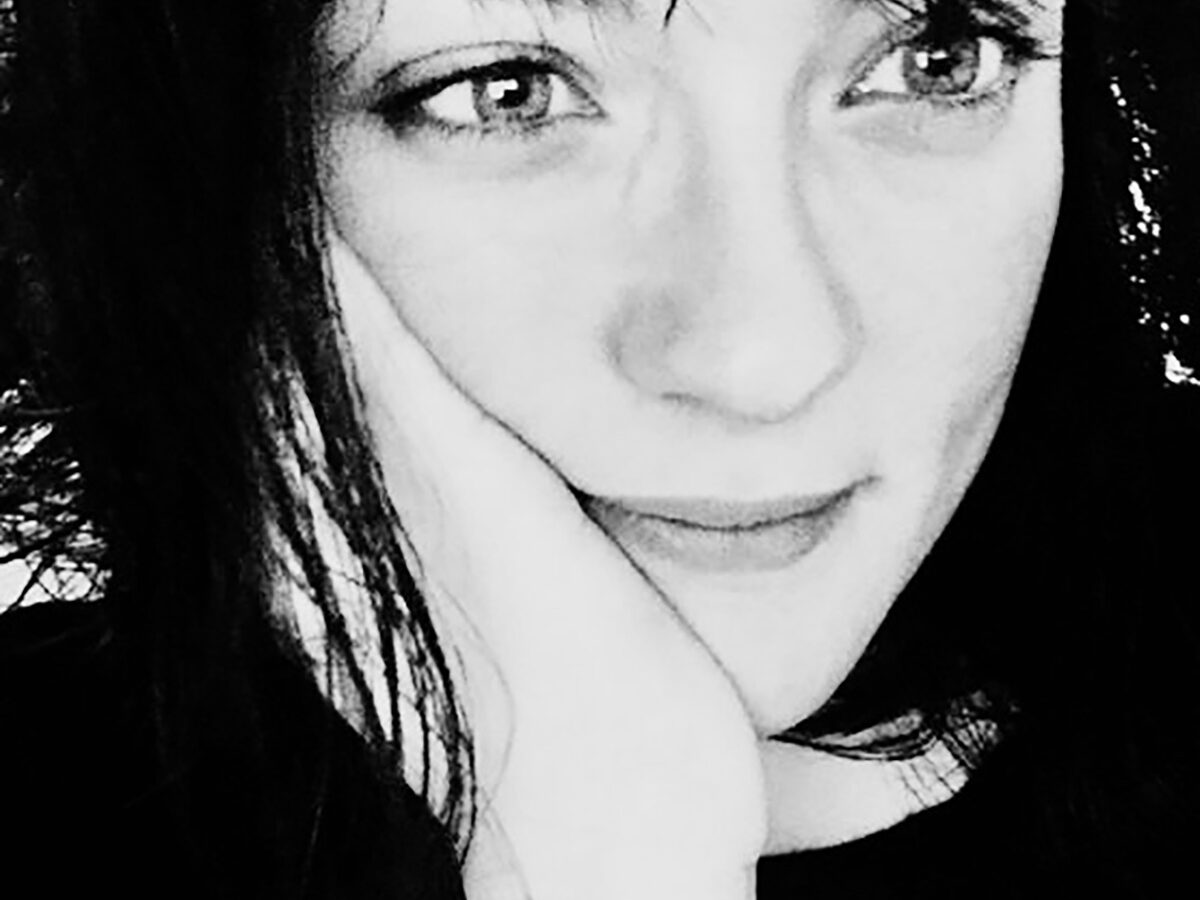
We live in an era that the philosopher Noelia Romero defines as a “tactile crisis”. Obsessed with sight and unsettled by digitality, we have lost the sensoriality of touch and bodily pleasure.
In her essay The Way: A Brief Sensorial History of a Hand (Acantilado, 2026), Romero starts from her own medical history, having undergone hand surgery and, consequently, having suffered helplessness and vulnerability from not being able to use her hands during the postoperative periods, to reflect on how hands and touch make us human, how they constitute us as a species. From the ancient Egyptians to Caravaggio’s paintings, passing through the entire history of art and literature, Romero reconstructs and re-thinks the ways in which skin defines, constructs, and constitutes our identity and our way of being in the world, reclaiming a materiality that has been lost in these times (hyper)digital.
The skin is not only the visible record of our biological history, but it also develops our social stratum and is the most fruitful way of perceiving and creating beauty and sensory pleasure. Because we must not forget that touching is our foundational act, the first act of self-perception. Thus, in this book, Romero experiments, through thought, she confesses to us, since she speaks of her biography, and converses with the works that come along as her research unfolds and in which we are told about touch and hands, to create an essay that begins with the personal in order to ultimately speak to us about the development of the conception of what makes us eminently human, and what differentiates us from the rest of the animals: the hands; the ability to use and enjoy them.
José de Montfort converses with the author at the Alma Hotel, in Barcelona.