
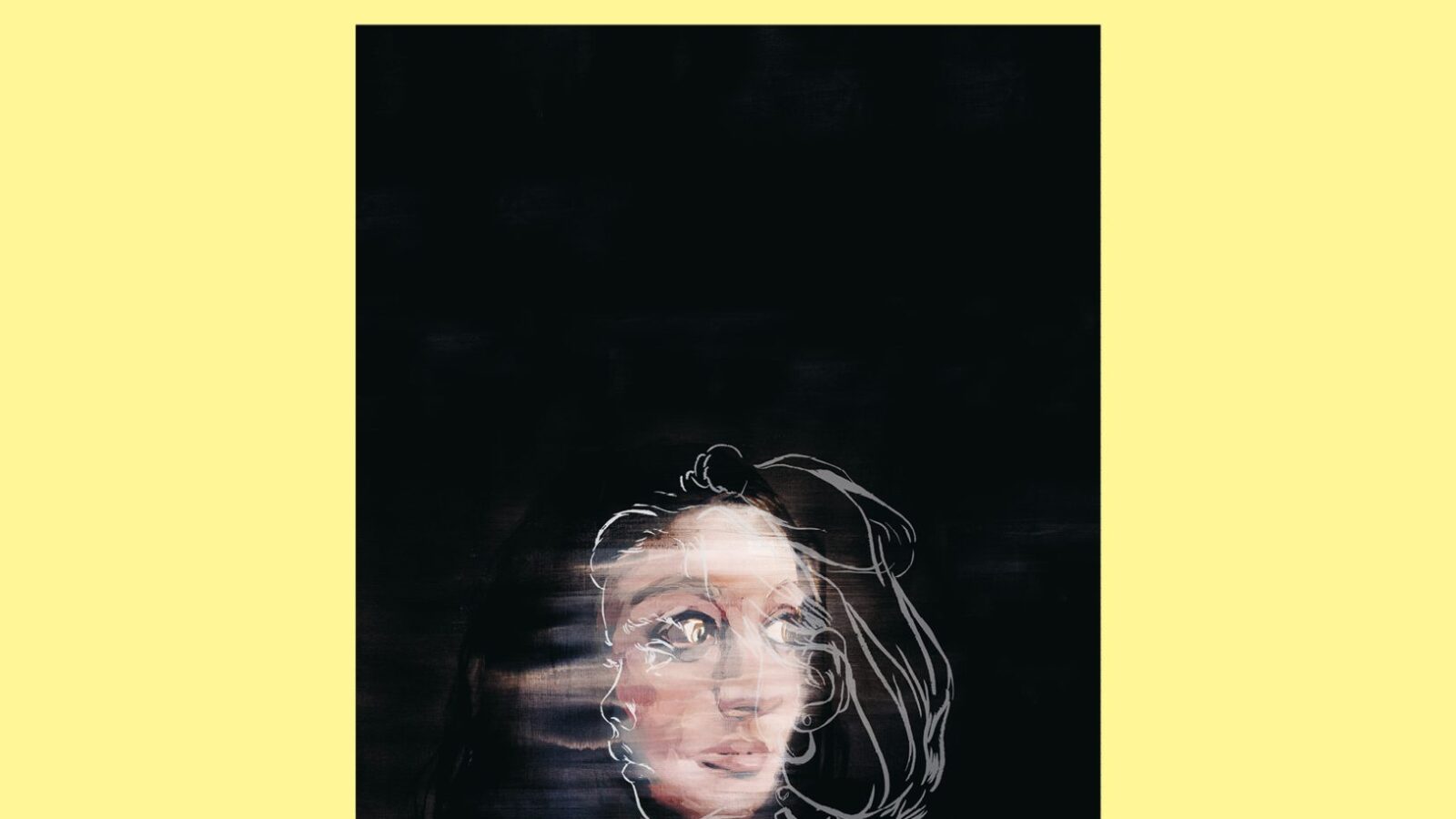
Literature possesses the power to turn pain into beauty, to grant memory a refuge against the voracity of oblivion, and to unsettles readers. In Delphine de Vigan’s work, this capacity reaches a moving and unnerving dimension. Her acclaimed novel Rien ne s’oppose à la nuit (Editions Jean-Claude Lattès, 2011), translated into Spanish as Nada se opone a la noche, presents itself as an act of notable courage, a descent into the abysses of family history that rejects self-pity while embracing a stark honesty. The author undertakes the task of reconstructing a life devoured by silences, turning the act of writing into a means of assimilating loss.
The title of the work draws inspiration from a verse by the singer-songwriter Alain Bashung, evoking an energetic melody that stands in contrast to the roughness of the narrative. These words crystallize the aim of the French writer: to rescue moments of sweetness from maternal life before oblivion erases them entirely, suggesting that beauty and darkness can coexist in the same chord.
The starting point is the confrontation with absence. After her mother’s death, the narrator undertakes a meticulous inquiry: interviews with relatives, audio recordings of the grandfather, old letters, and personal diaries form the documentary archive from which the narrative rises. Yet, aware that memory acts as a subjective filter that distorts the contours of the past, she does not seek to reveal absolute certainties. Delphine de Vigan conceives writing as an intimate truth that belongs to the one who wields the pen. She wrestles with the right to reveal family secrets and the respect for the private space of loved ones. The questions about the limits of writing pepper the pages and turn the book into a meditation on the necessity and danger of narrating.
The family mythology is another axis that structures these pages. All families construct their own legends, official discourses that serve to justify the present and bury the episodes too uncomfortable to confront. The duality between shared happiness and the fatality lurking in the shadows of a lineage lends the narration a nearly dramatic tension, linking family history to the structures of classical tragedies.
Throughout its pages the work unfolds a constellation of painful themes, such as mental instability, incest, suicide, or the experience of mourning. Nada se opone a la noche delves into human vulnerability; it examines the impact of emotional crises on everyday life and explores the wounds of childhood and the shadows of abuse, turning them into questions about the transmission of suffering across generations. In this way, literary inquiry becomes a path to name what the family has kept silent for decades.
At the center of this network of family stories stands the maternal figure; portrayed with a mix of distance and tenderness, the mother appears as a being of angelic beauty whose mind is haunted by invisible storms. The narrator writes from the perspective of a daughter who matured too early, obliged to decipher the moods of the adults in order to protect herself from the surrounding instability. She also scrupulously respects the mystery of this woman; rather than reducing her existence to a clinical diagnosis, she sketches her contradictions, her capacity to love, her vulnerability, and her tragic fate.
Nada se opone a la noche is an inquiry into the weight of inheritance and the scars that childhood leaves on adults. Childhood emerges as an indelible territory that conditions every subsequent decision. The account of the early years, with its intimate exiles and brutal ruptures, explains the author’s heightened sensitivity to others’ pain, a quality that seems to lie at the origin of her literary vocation.
The style of Delphine de Vigan stands out for its sobriety and refined prose. Each sentence is chiselled with precision, seeking the exact word to name suffering. This formal elegance transforms a profoundly painful testimony into a memorable aesthetic experience. The beauty of the prose acts as a balm that makes the horror bearable, demonstrating that literature can be a refuge in moments of desolation.
Nada se opone a la noche represents a fundamental milestone in contemporary literature. It is an essential read, a text of painful beauty that endures long after the last page has been turned. When closing it, the reader understands that writing is a noble attempt to grant eternity to those we love and to reconcile with what time and silence had tried to erase.
—————————————
Author: Delphine de Vigan. Title: Nada se opone a la noche. Translation: Juan Carlos Durán Romero. Publisher: Anagrama. Sales: Todos tus libros.