
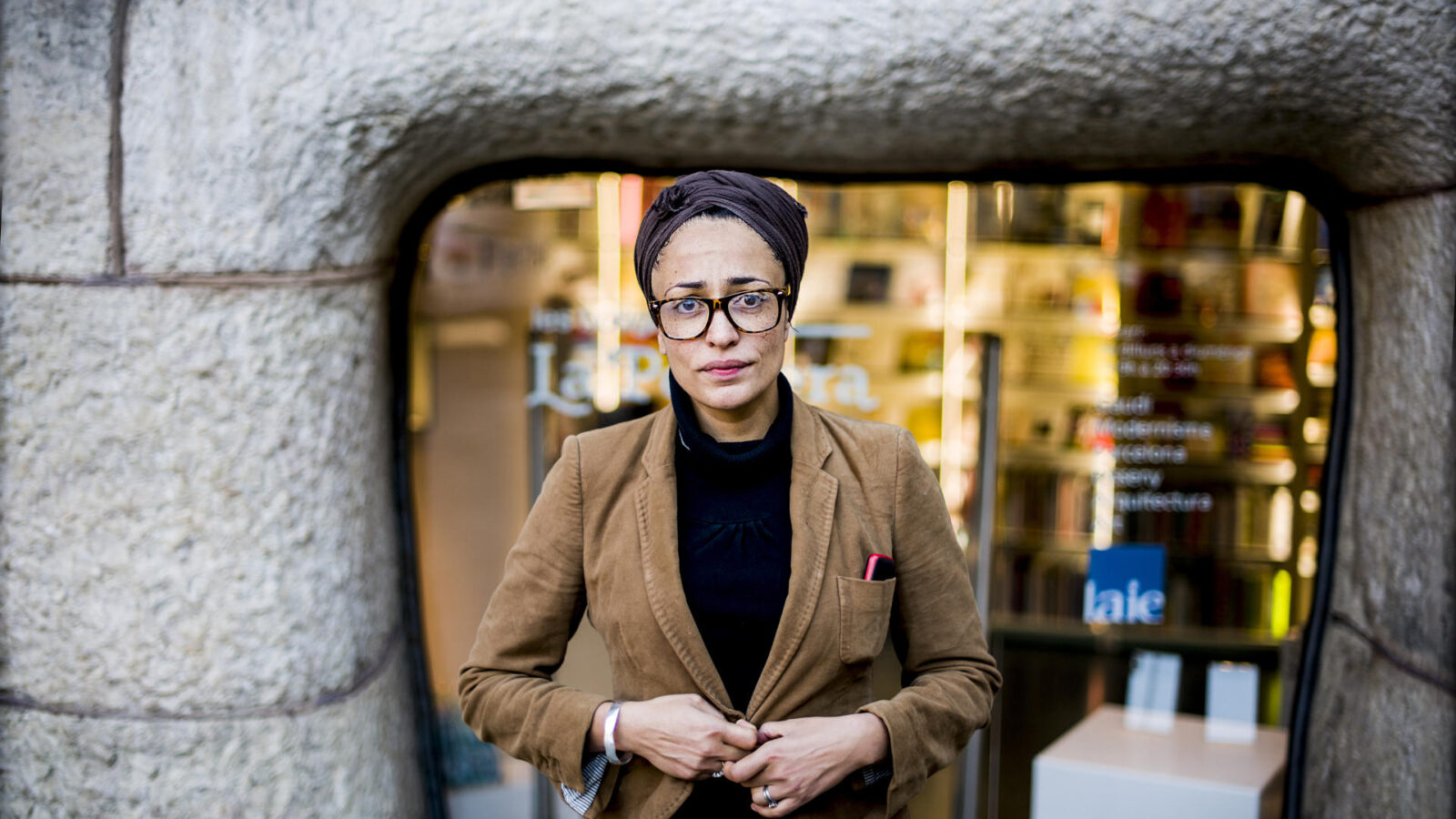
“No one will watch you as you enter these pages,” anticipates British writer Zadie Smith in the prologue to her new book, Dead and Alive (Salamandra), a collection of essays in which she reflects on “the human experience of being alive” through freedom, literature, and memory.
Coinciding with her star turn at this edition of the Madrid Festival of Ideas, Smith releases this work, which gathers articles and essays written over the past decade. “It’s a grab bag, a collection of many different things, because my interests are all over the place,” the author explains in an interview with Efe.
The Madrid Festival of Ideas took place after Allianz withdrew its sponsorship following more than twenty participants signing a manifesto protesting the company’s support for Israel and threatening to boycott the event. In this regard, Smith argues that literary festivals should not be funded by “companies tied to the arms trade.” Nor do I think it should be the writers’ responsibility; festivals should be careful about whom they ally with.
“There are people who view writing as a battle, or as if it were on a podium, or as vengeance against the reader, but I see it as inviting the reader to come into my house,” the writer explains. In fact, the opening pages of the book are an invitation for the reader to feel free, to choose the order of the chapters and the amount of time spent on each: “No one will monitor you as you enter these pages, nor notice when you leave.”
Whether in portraits of Celia Paul, recollections of figures such as Joan Didion, Toni Morrison, Martin Amis or Philip Roth, the author approaches some of the questions, concerns, or presences that have occupied her thoughts in recent years.
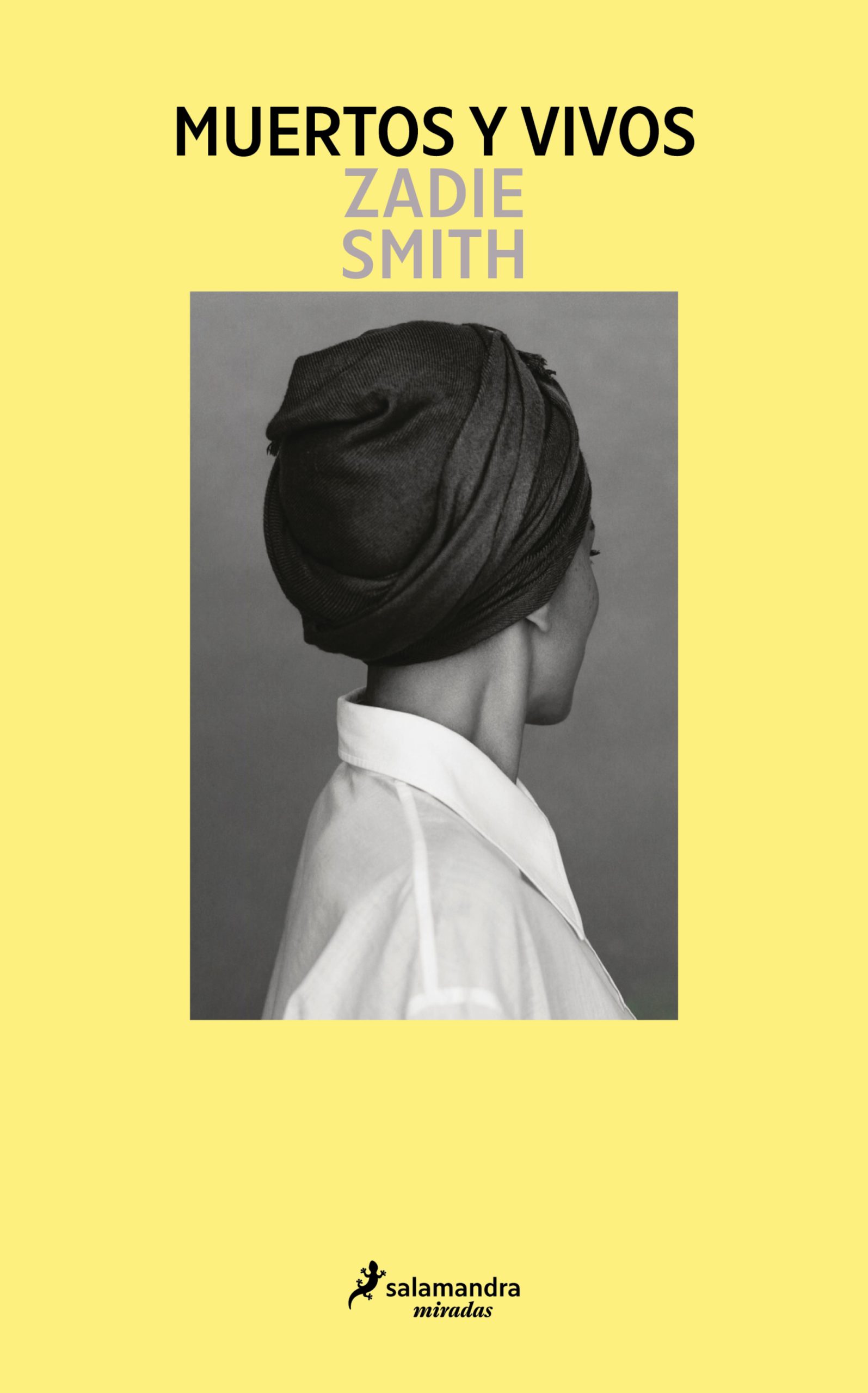
The work is divided into five chapters: “Contemplating,” “Considering,” “Reconsidering,” “Remembering,” and “Confessing,” with pieces on, for example, the moment she fell from her bedroom window when she was 15, or on “what algorithms do to the perception of time.” There is also a touch of memory: essays about my younger life, about people I loved who have died.
“This book is not written by an infinitely expanding artificial intelligence, but by a human being at a specific moment,” Smith notes. Critical of technology and the digital world, the British author asserts that she does not want to be “connected 24 hours a day,” she does not carry any smartphone, and she places the younger generation in charge of deciding how they want to spend their time. You can’t get rid of it; it’s already late for that. If it were a choice, some would opt out, but it isn’t a choice. That lack of freedom, if I were young, would make me angry.
The author of White Teeth, who in 2000, at only 25, became a literary phenomenon with million-copy sales, says she writes essays as “something to do between novels. Sometimes I need to do something different with my head, and since I don’t have a normal job or socialize much, it’s my way of taking part.” She also acknowledges the difficulty of writing novels, creating “something from scratch,” and asking readers to “care about something that doesn’t have to matter to them, because it isn’t real,” as in The Autograph Hunter (2002), On Beauty (2005) or The Fraud (2023).
The author previews that among her upcoming projects are the script for a television series and a new novel, which she is already weaving.